
Main Courses
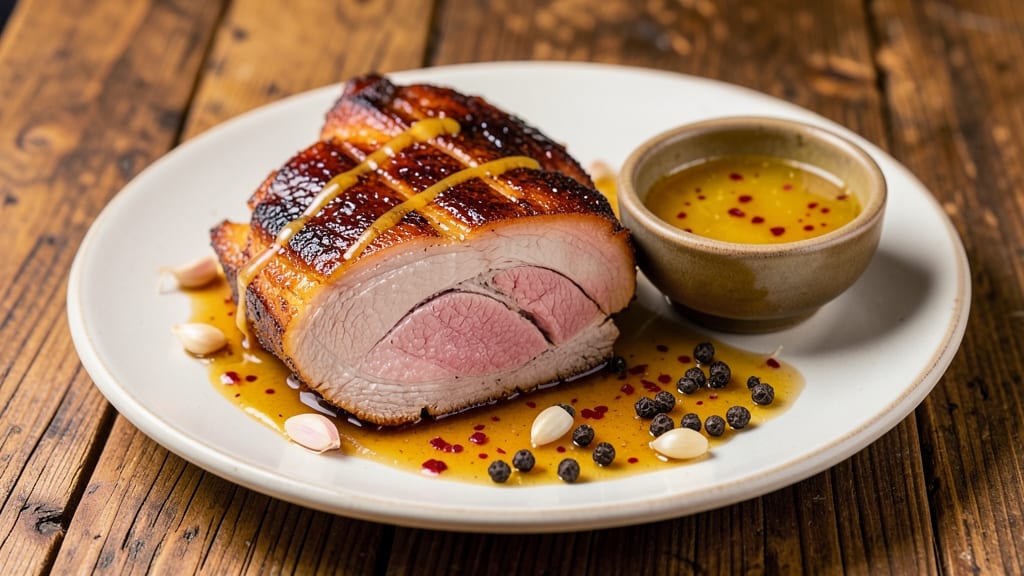
This pork pata hamonado recipe with pineapple juice transforms tough pork into melt-in-your-mouth perfection through a sweet-tart glaze that caramelizes beautifully. 🔥 My grandmother's handwritten notes revealed the secret: pineapple juice tenderizes while creating that signature glossy finish.
The process combines traditional Filipino techniques with modern accessibility—no special equipment needed, just patience and a few key ingredients.
The magic happens in the marinade, where pineapple juice breaks down the meat's fibers while its acidity balances the sweetness of the glaze. We'll cure the pork overnight, then slow-cook it until fork-tender, basting with the same juices that create that irresistible caramelized crust.
This isn't just a recipe—it's a celebration of Filipino comfort food that delivers restaurant-quality results in your home kitchen.
What you'll end up with is pork so tender it falls apart at the touch, coated in a glossy glaze that's both sweet and tangy—perfectly balanced. The aroma alone will have your whole house smelling like a Filipino feast, while the texture promises every bite will be juicy and rich.
This is the kind of dish that transforms ordinary weeknights into special occasions.
Serve it with garlic fried rice and atchara for the full experience, or keep it simple with steamed vegetables. The leftovers reheat beautifully, making this an excellent meal for feeding a crowd or prepping ahead. Let's get started on creating this Filipino classic that's become a family favorite.
Ingredients for pork pata hamonado recipe with pineapple juice
Pork pata hamonado needs just twelve ingredients to transform tough meat into melt-in-your-mouth perfection.
| Ingredient | Amount | Notes |
|---|---|---|
| Pork Shoulder (Pata) 🐷 | 4 lb | Bone-in for flavor, cut into 2-inch chunks |
| Fresh Pineapple Juice 🍍 | 1 ½ cups | From 1 whole fresh pineapple, strained |
| Brown Sugar 🍚 | 1 cup | Packed, light or dark variety |
| Soy Sauce 🥢 | ½ cup | Regular or reduced-sodium preferred |
| Black Vinegar 🍶 | ¼ cup | Filipino black vinegar for authenticity |
| Garlic Cloves 🧄 | 8 cloves | Minced finely for depth of flavor |
| Fresh Ginger 🌿 | 2 tbsp | Finely grated, fresh preferred |
| Bay Leaves 🍃 | 4 whole | Dried, for aromatic depth |
| Black Peppercorns 🌶️ | 1 tsp | Crushed lightly for warmth |
| Olive Oil 🫒 | ¼ cup | For searing, high smoke point |
| Salt 🧂 | 1 ½ tsp | Kosher salt for curing |
| Water 💧 | 1 ½ cups | For marinade dilution |
| White Vinegar 🍶 | 1 tbsp | For acid balance in glaze |
The pork shoulder is non-negotiable—bone-in gives that signature texture, and Filipino markets or Asian grocery stores carry the best cuts. Look for well-marbled meat with a pale pink color, not grayish. If your local store doesn't have pata, pork butt works in a pinch (ask for the fatty end). The pineapple juice should be freshly strained—canned juice lacks the enzymes that tenderize the meat. I always buy a whole pineapple, strain it, and freeze the leftover pulp for smoothies. Costco sells pre-cut pineapple chunks that save time if you're short on prep hours.
No black vinegar? Substitute with 2 tbsp balsamic vinegar plus 1 tsp molasses—it won't be identical, but you'll still get that tangy depth. The brown sugar can be swapped for white sugar plus 1 tsp molasses if you're avoiding color. For ginger, fresh is essential—dried powder lacks the zing. If you're missing garlic, garlic powder at half the amount works, but fresh is better. The soy sauce should be Filipino-style if available (like Silver Swan)—it's sweeter and more aromatic than regular soy sauce. For the glaze, reduce the marinade by half on the stove, then add the white vinegar at the end for brightness.
Marinate the pork overnight—no exceptions—this is where the magic happens. Store the marinade in a glass container in the fridge, not plastic (the acidity can degrade it). The cooked pork keeps 3 days refrigerated or 3 months frozen—portion into single-serving bags for easy reheating. Leftovers reheat best in a 350°F oven for 15 minutes with a splash of water to keep them moist. The glaze thickens when cold, so reheat gently if you want it runny again.
Why You'll Love This Recipe
- One-Pot Magic: I swear by this recipe because it’s literally one pot—no chopping, no fussing, just simmering. The pork shoulder stays tender while the pineapple juice and black vinegar work their magic, and honestly? Cleanup is just a quick wipe-down of one pan.
- Sweet-Savory Balance: Between us, the combo of brown sugar’s caramelized bite and the tangy kick from pineapple juice is ridiculously good. The soy sauce and black vinegar deepen the flavor without overpowering, and that crispy edge on the pork? Chef’s kiss.
- Leftovers That Shine: This dish tastes even better the next day—yes, really. I make a big batch on Sundays, and by Wednesday, it’s still the star of my lunch. Reheat it gently, and the flavors meld into something even richer.
- Budget-Friendly Feast: Pork shoulder is affordable, and the other ingredients stretch far. I’ve fed six people for under $15, and everyone’s always asking for seconds. Plus, the black vinegar and soy sauce add depth without breaking the bank.
Step-by-step instructions for pork pata hamonado
Transform your pork shoulder into melt-in-your-mouth perfection with this sweet-tart marinade.
🍳 Step 1: Create the Sweet-Tart Marinade
In a medium saucepan, combine the 1.5 cups fresh pineapple juice, 1 cup brown sugar, 0.5 cup soy sauce, 0.25 cup black vinegar, 1.5 cups water, and 1 tbsp white vinegar. Bring to a gentle simmer over medium heat until the sugar dissolves completely—about 5 minutes. This creates the perfect balance of sweetness and tang that will penetrate the meat.
While the marinade heats, crush the 1 tsp black peppercorns lightly between your palms to release their aroma. Add them to the saucepan along with the 4 whole bay leaves and 8 cloves minced garlic. Let this aromatic blend steep for 2 minutes—you'll notice the kitchen filling with that irresistible Filipino spice profile. Remove from heat and let cool completely before using.
👨🍳 Step 2: Prep and Marinate the Pork
Cut the 4 lb pork shoulder (pata) into 2-inch chunks, leaving the bone intact for maximum flavor. In a large bowl, combine the cooled marinade with 2 tbsp finely grated fresh ginger and 1.5 tsp salt. Add the pork chunks, turning them to coat evenly in the marinade. Here's the thing—this isn't just a marinade, it's a flavor infusion that needs time to work its magic.
Cover the bowl and refrigerate for at least 12 hours, preferably 24 hours. The acidity in the pineapple juice and vinegar will begin breaking down the meat fibers, while the sugar and soy sauce create a perfect caramelized crust. Flip the pork occasionally to ensure even coating. Pro tip: If you're short on time, marinate for at least 6 hours—just know the texture won't be quite as tender.
🔥 Step 3: Sear the Pork for Maximum Flavor
Remove the pork from the marinade (reserve the liquid for later) and pat it dry with paper towels—this is crucial for that perfect sear. Heat 0.25 cup olive oil in a large skillet over medium-high heat until shimmering. Working in batches, sear the pork chunks for 3-4 minutes per side until they develop a deep golden-brown crust. Don't crowd the pan or the temperature will drop.
As the pork sears, you'll smell that incredible combination of caramelized pork and pineapple aromas filling your kitchen. Transfer the seared pork to a plate and set aside. Here's where it gets good—leave the browned bits in the pan. They're packed with flavor that will form the base of your glaze.
🥘 Step 4: Simmer Until Fork-Tender
Return the reserved marinade to the skillet (no need to scrape—just pour) and bring to a gentle boil over medium heat. Add the seared pork back to the pan, spooning the marinade over the top. Reduce heat to low and cover partially, allowing the liquid to simmer and reduce. This slow cook will take 2-2.5 hours—you'll know it's done when the pork is fork-tender and the sauce has thickened to a glossy glaze.
Check occasionally and add 1-2 tablespoons of water if the sauce reduces too much. The pork should be falling apart at the touch of a fork, with that beautiful mahogany glaze clinging to every surface. This is where patience pays off—the longer it simmers, the more the flavors meld together into that signature Filipino sweet-savory balance.
⏰ Step 5: Rest and Serve
Transfer the pork and glaze to a serving dish. Let it rest for 10 minutes before serving—this allows the juices to redistribute, ensuring every bite is moist and flavorful. The glaze should be thick enough to coat the back of a spoon but still drizzle slightly when poured. If it's too thick, whisk in 1 tablespoon of water to loosen it.
Serve immediately with steamed rice to soak up that luscious glaze. The contrast of the tender, slightly caramelized pork against the fluffy rice is pure comfort food perfection. This dish tastes even better the next day as the flavors continue to develop—just reheat gently with a splash of water to maintain that perfect consistency.
Pro Tips For Making Pork Pata Hamonado Recipe With Pineapple Juice
- Simmer Slow and Steady: I learned this the hard way—rushing the braising turns the pork shoulder into rubber. Once the liquid reaches a full boil, drop the heat to a gentle simmer (just small bubbles breaking the surface) and keep it there. The pineapple juice will caramelize properly, and the pork will stay tender, not tough.
- Strain That Juice: Fresh pineapple juice is the star here, but fiber and pulp turn the sauce gritty. Strain it through a fine-mesh sieve or cheesecloth before adding it to the pot—yes, it’s extra work, but the sauce will be silky, not like drinking a smoothie through a straw.
- Don’t Drown the Sugar: Brown sugar burns faster than you’d think when mixed with vinegar and soy. Sprinkle it gradually over the pork in the last 15 minutes of cooking, stirring just enough to dissolve. If the sauce starts to darken too quickly, splash in a little water or pineapple juice to mellow it out.
- Save the Vinegar for Later: Black vinegar’s sharpness needs time to mellow. Add it after the pork has already braised for at least 2 hours—this lets the soy and sugar build flavor first. Tossing it in early makes the dish taste harsh, like someone dumped hot sauce in your food.
Regional styles of this recipe
Filipino Feast Style
In the Philippines, this dish is often the centerpiece of family gatherings, especially during holidays like Christmas and New Year's. My grandmother used to prepare it for our Noche Buena celebrations, serving it with garlic rice and atchara (pickled papaya).
The pineapple glaze isn't just for flavor—it's a nod to the tropical climate where sweet and sour balance perfectly. 🌶️
Spanish Colonial Influence
The technique of curing pork with vinegar and sugar traces back to Spanish colonial times, when preserved meats were essential for long sea voyages. Filipino cooks adapted these methods using local ingredients like pineapple and black vinegar.
The result is what we now call hamonado, where "hamon" means ham in Spanish. This dish bridges centuries of culinary history in one perfect bite.
Modern Filipino-American Twist
In Filipino-American communities, this recipe gets a contemporary makeover while keeping its roots. Many cooks add calamansi juice (Filipino lime) to the glaze for extra zing, or swap brown sugar for coconut sugar to emphasize Southeast Asian flavors.
I've seen versions with chili flakes for heat lovers—just add ½ tsp to the marinade. The key is maintaining that sweet-tart balance that defines Filipino comfort food.
Regional Variations
In the Visayas region, cooks often use coconut milk in the glaze for richness, while in Mindanao, they might add turmeric for color and earthiness.
For a regional twist, try substituting ½ cup coconut milk for the water in the marinade—it adds a creamy depth that pairs beautifully with the pineapple. The Visayan version also includes saba bananas (cardaba) in the glaze for natural sweetness.
Weeknight Adaptation
For busy weeknights, I've simplified this by using pre-minced garlic and ginger paste from the Asian market. Swap fresh pineapple juice for 1 can (12 oz) crushed pineapple (drained) plus ¼ cup extra water—it's not identical, but it delivers in a pinch.
The marinating time stays the same, but you can reduce the simmering time to 1.5 hours if you're short on time, though the texture won't be quite as tender. 💡
Special Occasion Presentation
For holidays, Filipinos serve this dish on a large platter surrounded by steamed rice in a banana leaf-lined basket (called pansit in some regions). Garnish with fresh cilantro and a sprinkle of toasted sesame seeds for elegance.
The aroma alone will make your home smell like a Filipino fiesta—perfect for impressing guests. Save the leftover glaze to brush on rice or use as a marinade for grilled chicken next time.
Nutrition facts
Frequently asked questions
Why does this recipe use pineapple juice instead of regular juice?
The pineapple juice serves two crucial purposes: its natural enzymes tenderize the tough pork fibers, while its acidity helps create the signature sweet-tart glaze. Unlike regular juice, pineapple's unique enzyme profile breaks down collagen in the meat, resulting in that melt-in-your-mouth texture. Plus, the tropical sweetness balances perfectly with the savory soy and vinegar components.
Can I make this recipe without black vinegar?
Yes! For every 0.25 cup of black vinegar, substitute 2 tbsp balsamic vinegar plus 1 tsp molasses. While it won't be identical, you'll still achieve that tangy depth. The molasses adds the caramel notes that black vinegar provides. For extra authenticity, some Asian markets sell "Filipino black vinegar" in small bottles—it's worth seeking out if you can find it.
How do I know when the pork is fully cooked?
The pork is done when it reaches an internal temperature of 195-205°F and easily falls apart with a fork. The glaze should also thicken noticeably, coating the back of a spoon. If you're unsure, cut into the thickest piece—juices should run clear, not pink. For extra safety, let it rest 10 minutes before serving to ensure even cooking throughout.
What's the best way to reheat leftovers?
Reheat in a 350°F oven for 15-20 minutes with a splash of water or pineapple juice to maintain moisture. Microwaving works in a pinch, but the texture can become dry—cover with a damp paper towel first. For the glaze, simply reheat it separately in a saucepan over low heat, stirring occasionally until warmed through. Leftovers taste even better the next day as flavors meld!
Can I use a slow cooker instead of stovetop?
After searing, transfer everything to a slow cooker and cook on low for 6-8 hours or high for 4-5 hours. The slow cooker method actually enhances the tenderness by allowing the pork to cook gently in its own juices. Just add ¼ cup water if the mixture looks dry during cooking. The glaze will thicken more than on the stovetop, so you may need to thin it with a splash of pineapple juice before serving.