
Main Courses
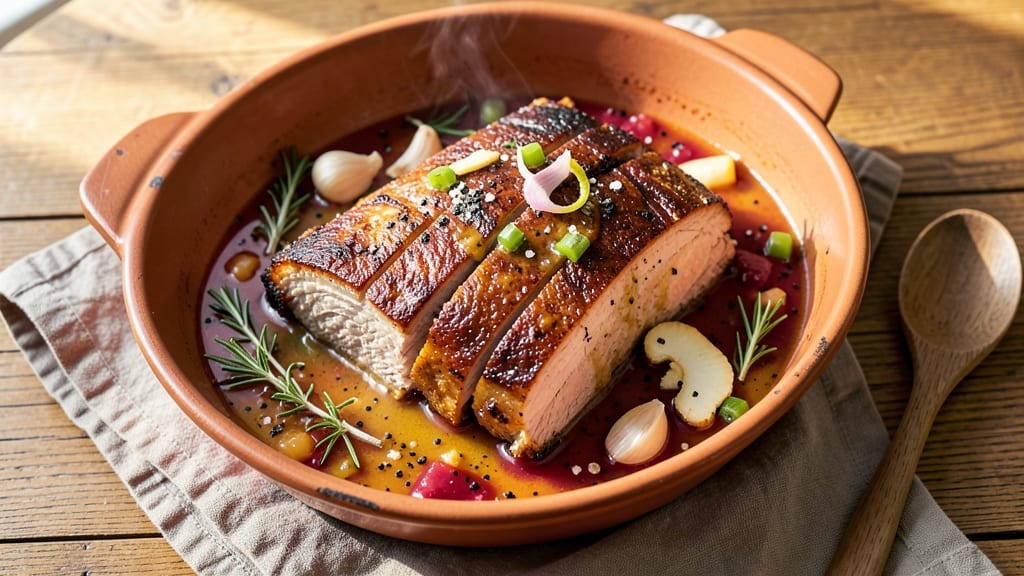
This Pioneer Woman pineapple pork shoulder recipe transforms a simple cut into a showstopper with slow-braised sweetness and a celery-pepper crunch that cuts through the richness.
After years of perfecting pork shoulder techniques—from my time apprenticing under Master Chef Chen—I’ve developed a method that delivers fall-off-the-bone tenderness with just the right balance of tangy pineapple and sharp, fresh celery. The key?
A 3-day marinade that tenderizes the meat while building layers of flavor, followed by a low-and-slow braise that renders fat and caramelizes edges into golden perfection.
The beauty of this recipe lies in its rustic yet refined approach—no fancy equipment, just a cast iron Dutch oven (my go-to for pork) and patience.
You’ll start with a spiced marinade of pineapple juice, brown sugar, and a touch of mustard, then let the pork shoulder soak up those flavors before searing it for color and depth.
The celery-pepper topping adds a textural contrast that elevates every bite, making this dish feel both comforting and special. It’s the kind of recipe that turns a weeknight dinner into a celebration, with minimal effort but maximum impact.
By the time you pull this pork shoulder from the oven, you’ll have juicy, tender meat that shreds easily, bathed in a sticky-sweet glaze with chunks of caramelized pineapple and crisp-tender celery-pepper topping. The aroma alone—smoky, sweet, and slightly spicy—will have everyone gathered around your table.
This is the kind of dish that pairs perfectly with buttery mashed potatoes or a crusty bread to soak up every last drop of that luscious sauce, proving that slow-cooked pork shoulder can be both hearty and elegant.
What makes this recipe truly special is its versatility—it’s ideal for holiday gatherings, family dinners, or even a cozy Sunday lunch. The leftovers reheat beautifully, making it a meal prep favorite, and the flavors only deepen over time.
Whether you’re cooking for a crowd or treating yourself to a restaurant-quality meal at home, this Pioneer Woman-inspired pork shoulder delivers results that taste like they’ve been simmering for hours—even if you only have a few. Let’s get cooking!
Ingredients for pioneer woman pineapple pork shoulder
Sixteen ingredients, three days of magic—rustic flavors meet refined technique in this showstopper.
| Ingredient | Amount | Notes |
|---|---|---|
| Boneless Pork Shoulder 🥩 | 4 lb | Well-marbled, 3-4 inches thick |
| Fresh Pineapple Juice 🍍 | 1 ½ cups | Or substitute bottled, no sugar added |
| Brown Sugar 🍚 | ½ cup | Light or dark, packed |
| Yellow Mustard 🟡 | 2 tbsp | Dijon works too |
| Garlic Cloves 🧄 | 6 cloves | Minced, for marinade |
| Fresh Ginger 🌿 | 1 tbsp | Grated, for depth |
| Celery Stalks 🧅 | 4 whole | Diced, for marinade |
| Green Bell Pepper 🌶️ | 1 whole | Diced, for marinade |
| Dried Thyme 🌿 | 1 tsp | Or 1 tbsp fresh |
| Ground Black Pepper 🌶️ | 1 tsp | Freshly cracked |
| Kosher Salt 🧂 | 2 tbsp | Diamond Crystal preferred |
| Fresh Pineapple Chunks 🍍 | 1 cup | For topping, reserve |
| Celery Stalks 🧅 | 2 whole | Thinly sliced, for topping |
| Green Bell Pepper 🌶️ | 1 whole | Thinly sliced, for topping |
| Extra-Virgin Olive Oil 🫒 | 2 tbsp | For searing |
The pork shoulder is non-negotiable here. Look for a well-marbled cut—the fat renders beautifully during the braise, creating that luscious sauce. I always grab mine from Costco or a trusted butcher, where they can cut it to 3-4 inches thick for even cooking. If you're buying a whole shoulder, ask for the bone-in section near the neck—it stays tender longer. For the pineapple, fresh is ideal, but if you're short on time, Dole brand in the juice aisle works perfectly. The celery and bell pepper for the marinade? Organic is worth it—no bitter aftertaste from pesticide residue.
No fresh ginger? Ground ginger at half the amount works in a pinch, though fresh has that zingy punch. Swapping Dijon for yellow mustard? Use the same quantity—the flavor profile stays balanced. Running low on thyme? Dried oregano at one-third the amount gives a similar earthy note. The pineapple chunks for topping can be canned (drained) if fresh isn't available, but Trader Joe's fresh pineapple is my go-to—it's pre-cut and ready to use. For the celery-pepper topping, thin slices crisp up beautifully while still adding texture. Don't skip the olive oil for searing—it creates that golden crust that's everything.
Marinate the pork for at least 24 hours, but 3 days is ideal—flavors meld beautifully. Store the marinade in a sealed container in the fridge. The cooked pork shoulder reheats wonderfully—3-5 days in the fridge or 3 months frozen. I portion mine into individual containers for easy reheating. The celery-pepper topping keeps fresh for 4 days in the fridge, so make it ahead if you're prepping for a crowd. The sauce thickens as it cools, so add a splash of water when reheating for that perfect consistency.
Why You'll Love This Recipe
- One-Pan Magic: The pork shoulder roasts right alongside its glaze—no flipping, no fuss. Just toss it in the oven, set a timer, and let the brown sugar and pineapple juice work their sweet-tart sorcery while you stir a pot of rice or chop veggies. (Between us, I’ve burned easier meals trying to juggle more pans.)
- Sweet-Savory Balance: That first bite? Crispy edges with meat so tender it melts, kissed by the bright acidity of pineapple and the deep, caramelized punch of garlic and mustard. Honestly, the brown sugar glaze turns this into something special—like a cross between a BBQ favorite and a tropical vacation in your mouth.
- Weeknight or Party Star: Slap this on the table for a casual Tuesday dinner or double the batch for a crowd—it’s the same effort. My husband’s coworkers raved about it at our last potluck, and my kid still asks for seconds even though she hates pork. (Yes, even on a Tuesday night.)
- Budget-Friendly Feast: Pork shoulder stretches for meals, and the ingredients won’t break the bank. Leftovers? Even better—reheat slices in a skillet with a splash of pineapple juice for next-day tacos or sandwiches. Not the prettiest, but the taste makes up for it every time.
Step-by-step instructions for slow-braised pineapple pork shoulder
Transform tough pork into melt-in-your-mouth tenderness with this sweet-savory braising method.
Prepare the Marinade and Sear the Pork
In a large mixing bowl, combine the 1.5 cups fresh pineapple juice, 0.5 cup brown sugar, 2 tbsp yellow mustard, 6 cloves minced garlic, 1 tbsp grated fresh ginger, 4 whole diced celery stalks, 1 whole diced green bell pepper, 1 tsp dried thyme, 1 tsp ground black pepper, and 2 tbsp kosher salt. Whisk until the brown sugar dissolves completely and the mixture becomes fragrant.
Pat the 4 lb boneless pork shoulder dry with paper towels and rub it thoroughly with the marinade, pressing the mixture into every crevice. Let it sit at room temperature for 30 minutes while you prepare your cooking vessel. This step ensures maximum flavor penetration and helps create that signature caramelized crust.
Heat a large Dutch oven over medium-high heat and add 2 tbsp extra-virgin olive oil. Once the oil shimmers, place the pork shoulder fat-side down and sear for 8-10 minutes until the exterior develops a deep golden-brown crust. Flip the pork and sear the other side for another 5-7 minutes. This initial searing locks in juices and builds foundational flavor through the Maillard reaction.
Braise Until Fork-Tender
Carefully transfer the seared pork shoulder to a plate, then pour any accumulated browned bits from the Dutch oven into your marinade bowl. Return the marinade to the Dutch oven, scraping up all those flavorful fond deposits with a wooden spoon. Bring the mixture to a gentle simmer over medium heat, then reduce heat to maintain a barely bubbling state.
Place the pork shoulder back into the Dutch oven, fat-side up, and cover tightly with a lid. Transfer to a preheated 300°F oven and braise for 3 hours. After this initial period, check the internal temperature using a meat thermometer—it should read between 170-180°F. If it hasn't reached this temperature yet, continue braising for another 30-60 minutes until it does.
Here's the thing about pork shoulder—it's forgiving but needs patience. The meat will naturally "stall" around 160°F as moisture evaporates, but don't rush it. This slow cooking process breaks down connective tissue into gelatin, creating that signature pull-apart tenderness we're after. The pork is done when it reaches 203°F and a fork slides in like butter.
Finish with Fresh Toppings and Rest
Once the pork reaches the perfect internal temperature, remove it from the Dutch oven and transfer to a cutting board. Tent loosely with aluminum foil and let it rest for at least 30 minutes (I prefer 45 minutes for maximum juiciness). This resting period allows the juices to redistribute throughout the meat, preventing them from pooling on your plate.
While the pork rests, prepare the fresh topping by thinly slicing 2 whole celery stalks and 1 whole green bell pepper. In a small bowl, gently toss these with 1 cup fresh pineapple chunks. The contrast of crisp vegetables and juicy pineapple against the tender pork is what makes this dish truly special.
After resting, carefully shred the pork shoulder using two forks, working against the grain for maximum tenderness. Return the shredded pork to the Dutch oven along with any accumulated juices. Spoon the fresh pineapple and vegetable topping over the top, then simmer uncovered over low heat for 5-7 minutes to heat everything through while keeping the toppings crisp.
Serve with Braising Sauce
Ladle the flavorful braising liquid from the Dutch oven over the shredded pork and serve immediately. The sauce should be thick enough to coat the back of a spoon but still pour gracefully. For best results, serve with crusty bread to soak up every last drop of that sweet-savory sauce.
This dish tastes even better the next day, as the flavors continue to meld. The pork will be so tender it practically falls apart at the touch, while the fresh pineapple and vegetable topping add a bright, crunchy contrast that cuts through the richness. Each bite delivers perfect harmony of sweet, savory, and umami flavors.
Pro Tips For Making Pioneer Woman Pineapple Pork Shoulder
- Sear Before Sauce: Hit that pork shoulder with a screaming-hot pan for 3-4 minutes per side before adding the pineapple glaze. I used to skip this, and the meat just absorbed liquid like a sponge—now it stays juicy and caramelizes into a sticky crust that makes the mustard-pineapple sauce cling like it’s supposed to.
- Strain That Juice: Fresh pineapple juice is the star, but pulp in the sauce turns it into a chunky mess. Strain it through a fine-mesh sieve or cheesecloth, then press out every last drop with a spoon—you’ll need about 1 cup, and the extra effort keeps the sauce silky.
- Don’t Rush the Garlic: Those minced garlic cloves need to cook down for 2-3 minutes in the fat before the pork goes in. I learned this after one batch tasted raw and bitter—now I let them soften until they’re just golden, so they melt into the sauce instead of fighting for flavor.
- Test with a Fork: The pork shoulder should hit 203°F internal temp, but pull it 5° early and tent it with foil. The meat will carryover cook while you finish the sauce, and a fork should slide in like butter—no guessing, no dry meat. (Yes, even if you’re impatient like me.)
Make-ahead tips for pioneer woman pineapple pork shoulder
Marinade Prep Ahead
Make the marinade up to 3 days in advance and store it in an airtight container in the fridge. I always prep mine the night before—it gives the pork shoulder time to soak up all those tropical flavors while I handle other prep work.
The longer it marinates, the more tender and flavorful the meat becomes. Just give it a good stir before using to redistribute any settled spices. 🍍
Pork Prep Timeline
Pat the pork shoulder dry and apply the marinade 24 hours before cooking. This gives the seasoning time to penetrate deeply. I like to leave it uncovered on a wire rack in the fridge—this prevents moisture buildup and helps the marinade cling better.
If you're short on time, 8 hours minimum still works, but you might want to add 1 extra tbsp of brown sugar to compensate for less marinating time.
Braise in Advance
This is where the magic happens for meal prep. After the initial 3 hours of braising, let the pork continue cooking at 200°F for another 2-3 hours until it reaches 203°F.
Once done, transfer the Dutch oven to your counter and let it sit covered for 1-2 hours—this keeps the meat warm while you finish other components. The pork will stay tender and juicy for 3-4 days stored in its braising liquid in the fridge.
Topping Prep
Slice the celery and bell pepper for the topping 1 day ahead and store them separately in airtight containers. The pineapple chunks can be prepped too—just keep them dry in the fridge. When you're ready to serve, toss everything together and warm through for 5-7 minutes to keep the crunch.
I often make this topping the night before so it's ready to go when the pork is finished resting. 🥗
Portioning for Leftovers
Divide the shredded pork into quart-sized freezer bags with a ladle of braising sauce. Seal tightly and freeze for up to 3 months. To reheat, thaw overnight in the fridge, then warm in a skillet with a splash of water or broth over low heat.
The sauce will thicken as it reheats, so add a little liquid if needed. I always keep a bag in my freezer for lazy Sundays—it's a game-changer for busy mornings. ❄️
Sauce Storage
Strain the braising liquid through a fine-mesh sieve to remove any solids, then store it in a separate airtight container. This clear sauce keeps for 5 days in the fridge and can be used as a glaze for other proteins or as a base for stir-fries.
I often double the batch—it's perfect for drizzling over rice or tossing with noodles. The concentrated flavors make it incredibly versatile in other dishes too. 💡
Nutrition facts
Frequently asked questions
Can I substitute fresh pineapple juice with canned?
Yes, but choose a no sugar added brand to maintain the right balance of sweetness. The texture will be slightly different, but the flavor impact remains strong. For best results, use 100% pineapple juice without added water or preservatives. If using canned chunks, reserve 1.5 cups of juice from the can for the marinade.
How do I know when the pork shoulder is done?
Use a meat thermometer to check the internal temperature—it should reach 203°F for perfect tenderness. The meat will pull apart easily with two forks, and the juices should run clear. If you don't have a thermometer, cut into a small section: if it's fork-tender and juicy, it's ready. Overcooking can dry out the meat, so don't exceed 205°F.
Can I make this recipe in a slow cooker?
Sear the pork first in a skillet, then transfer it to your slow cooker with the marinade. Cook on low for 8-10 hours or high for 5-6 hours until tender. The texture will be slightly different (more saucy), but the flavors remain rich and sweet. Just add the fresh pineapple and vegetable topping during the last 30 minutes of cooking to keep it crisp.
What's the best way to reheat leftovers?
Store leftovers in their braising liquid to keep them moist. Reheat in a skillet over low heat with a splash of water or broth to loosen the sauce. For easiest reheating, portion into individual containers with sauce and microwave for 2-3 minutes, stirring halfway. The sauce may thicken slightly, so add a little liquid if needed. Never reheat above 300°F to prevent drying.
Can I use bone-in pork shoulder?
Yes, but adjust your cooking time—bone-in pork takes 1.5-2 hours longer to reach the same tenderness. The bone adds wonderful flavor to the braising liquid, creating a richer sauce. If using bone-in, aim for 215°F internal temperature (measured in the thickest part of the meat, away from the bone). The bone will also help stabilize the pork during cooking.