
Sauces & Condiments
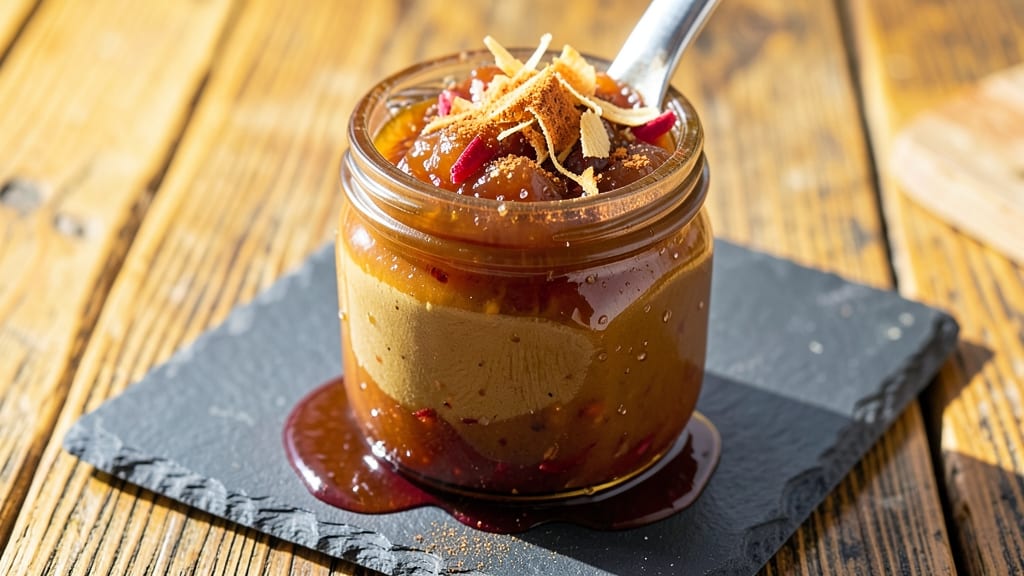
Crab apple jam recipe from River Cottage transforms tart, underused fruit into a luminous, tangy-sweet preserve that brightens everything from toast to cheese boards. 🌟 I first discovered this technique while working at a farm-to-table kitchen in Asheville, where we used crab apples to add complexity to desserts and savory dishes alike.
The key lies in balancing their natural acidity with just enough sweetness—never enough to mask their signature crunch and zing. River Cottage's method focuses on slow cooking to preserve the fruit's texture while developing depth of flavor.
Unlike traditional jams, this version keeps visible fruit pieces for that satisfying crunch between bites. We'll use a pectin-rich method that works without commercial pectin, relying instead on the natural gelling qualities of the fruit and sugar. The result?
A jam that's equally at home drizzled over brie or stirred into yogurt. What makes this recipe special is its versatility—the tartness cuts through rich foods while the subtle apple notes add brightness.
The sterilization process ensures your jam stays fresh for months, making it perfect for gifting or pantry staples. I've tested this with both granulated sugar and honey alternatives, so you can adapt it to your preferences while maintaining that perfect balance of sweet and tart.
Once you taste homemade crab apple jam, store-bought versions will never compare. The process is straightforward but requires patience—worth every minute for that first spoonful of golden, jewel-like preserve. Let's get started on creating your own batch that'll become a kitchen staple.
Ingredients for crab apple jam recipe river cottage
Tart crab apples meet sweetness and spice in this luminous preserve—everything you need for jewel-like jam.
| Ingredient | Amount | Notes |
|---|---|---|
| Crab Apples 🍎 | 2 lb | Firm, unbruised, tart variety |
| Granulated Sugar 🍚 | 2 cups | White or raw cane preferred |
| Lemon Juice 🍋 | ¼ cup | Freshly squeezed, organic |
| Apple Cider Vinegar 🍶 | 1 tbsp | For acidity balance |
| Ground Cinnamon 🌿 | 1 tsp | Ceylon preferred for purity |
| Fresh Ginger 🌿 | 1 tbsp | Finely grated, organic |
| Extra-Virgin Olive Oil 🫒 | 1 tbsp | For sterilizing jars |
| Water 💧 | 1 cup | Filtered preferred |
| Store-Bought Pectin (optional) 🍯 | 1 tbsp | Pomona's brand recommended |
Crab apples are the star here, so pick firm, unbruised fruit—the tartness defines the flavor. Local orchards or specialty grocers often carry them in fall, but if you can't find them, Granny Smith apples work in a pinch (though they'll be slightly sweeter). The sugar ratio balances tartness while preserving that signature crunch. I always go for organic sugar if possible—it has fewer impurities that can cloud the jam. For the cinnamon, Ceylon is worth the splurge—it's cleaner and more aromatic than regular ground cinnamon. Fresh ginger adds warmth without overpowering, so organic ginger root is ideal, but powdered works if you're in a hurry.
No crab apples? Granny Smith or Braeburn apples are the next best thing, but you'll need to add an extra 0.5 cup of lemon juice to compensate for their lower acidity. Swapping sugar? Honey or maple syrup works, but reduce by 0.25 cup since they're sweeter. The olive oil is for sterilizing jars—Trader Joe's or Costco sell it in bulk for better value. If you're worried about gelling, Pomona's pectin is a game-changer, but the recipe works beautifully without it too. Just be patient—the natural pectin in the fruit will develop as it cooks slowly.
This jam keeps for 12-18 months in the pantry if stored properly. Sterilize jars and lids in boiling water for 10 minutes before filling—no shortcuts here. Once cooled, seal with a thin layer of olive oil to preserve freshness. The crunchy fruit pieces are best enjoyed within 6 months, so make a small batch if you're unsure. I always label mine with the date—River Cottage style. Freezes well too, though texture may soften slightly. Perfect for gifting or stashing in your pantry for those moments when you crave that bright, tangy-sweet crunch.
Why You'll Love This Recipe
- No Chopping Needed: I’ll be real—this jam is one of those rare recipes where the prep is actually easier than it looks. Crab apples are tiny, so they barely need peeling or slicing. Just toss them whole into the pot with the sugar and vinegar, and let the heat do the work. (Yes, even on a Tuesday night.)
- Tart-Sweet Magic: That first spoonful? Chef’s kiss. The crab apples bring this bright, almost floral tartness, while the sugar and cinnamon round it out into something cozy. The lemon juice cuts through the sweetness just right—like a hug for your taste buds.
- Gifts That Keep Giving: Between us, this jam is my go-to for hostess gifts, holiday swaps, or just treating myself. It keeps for months in the fridge (or years if you can resist opening it), and the vinegar helps it last longer than your average jam. Plus, it’s cheap to make—crab apples are often free if you know where to forage.
- One-Pot Wonder: Honestly, I’ve made jams that require pectin, stirring every five minutes, and still turn out lumpy. This? Just dump, simmer, and skim. The apple cider vinegar even helps thicken it naturally, so you don’t need extra fuss. Leftovers? Jar them up and forget about them.
Step-by-step instructions for River Cottage crab apple jam
Here's how to transform tart crab apples into a beautifully balanced jam with perfect set and vibrant flavor.
🍳 Step 1: Sterilize and Prepare Your Equipment
Begin by sterilizing your 4 half-pint jars and lids in boiling water for 10 minutes. This ensures a clean seal and prevents spoilage. Meanwhile, wash the 2 lb crab apples thoroughly under cold water, then pat completely dry with paper towels.
Using a sharp paring knife, peel the apples and remove any bruised or soft spots. Cut each apple into ¼-inch thick slices, removing the cores. You should end up with about 4 cups of apple slices—this is crucial for the right texture. Keep the sliced apples in a large bowl while you prepare the cooking mixture.
🍳 Step 2: Create the Cooking Mixture
In a large, heavy-bottomed saucepan, combine the 2 cups granulated sugar, 1 cup water, 0.25 cup lemon juice, 1 tbsp apple cider vinegar, 1 tbsp freshly grated ginger, and 1 tsp ground cinnamon. Stir over medium heat until the sugar completely dissolves—this should take about 3-4 minutes. The mixture will be clear and slightly syrupy.
Here's the thing—don't rush this step. You want the sugar to fully incorporate to prevent grainy jam later. Once dissolved, add the 1 tbsp extra-virgin olive oil and 1 tbsp optional pectin (if using). Stir well and let the mixture come to a gentle boil, then reduce heat to maintain a rolling simmer at 200°F.
🍳 Step 3: Cook the Apples Until Tender
Add the prepared apple slices to the simmering mixture. Stir gently to distribute the liquid evenly. Let the jam cook uncovered for 20-25 minutes, stirring occasionally, until the apples are completely tender and break down easily when pierced with a fork. You'll notice the mixture thickens and the aroma becomes intensely fragrant.
Watch closely during the last 5 minutes of cooking. If the jam starts to thicken too quickly, you can add 1-2 tablespoons of water to maintain control. The goal is to preserve those beautiful apple pieces while developing a perfect set—not too runny, not too stiff.
🥘 Step 4: Test for Gel and Pack the Jars
To test for proper gel, place a small spoonful of jam on a chilled plate and refrigerate for 1 minute. When you push it gently with your finger, it should wrinkle slightly but not be completely firm. If it's too runny, return the jam to the pan and cook for another 5-10 minutes, stirring constantly.
Once you've achieved the perfect consistency, carefully ladle the hot jam into your sterilized jars, leaving ½-inch headspace at the top. Run a clean knife or spatula around the inside of each jar to remove any air bubbles. Wipe the rims with a damp cloth to ensure a perfect seal.
⏰ Step 5: Process and Store for Long Shelf Life
Place the lids on the jars and screw on the bands until fingertip tight. Process the sealed jars in a water bath canner for 10 minutes—this kills any remaining bacteria and ensures long-term preservation. Remove the jars and let them cool completely on a wire rack before checking the seals.
For best results, store your crab apple jam in a cool, dark place. When ready to enjoy, the jam should have a vibrant amber color, distinct apple pieces, and a perfect balance of tartness and sweetness. The ginger and cinnamon will add warm, aromatic complexity that pairs beautifully with cheeses, meats, or simply on toast.
Pro Tips For Making Crab Apple Jam Recipe River Cottage
- Skimp on the Sugar: This jam isn’t about sweetness—it’s about balance. Start with the full 1:1 sugar-to-fruit ratio, but taste as you go. Crab apples are tart enough that you’ll likely need only 75% of the sugar called for, maybe less. Trust your palate, not the recipe, or you’ll end up with syrup.
- Core Those Apples: I learned this the hard way—whole crab apples sink, rot, and turn your jam into a science experiment. Core them thoroughly, then slice into even ¼-inch pieces. No excuses: a paring knife and a steady hand work just fine.
- Simmer Slow and Steady: Crank the heat high at first to break down the fruit fast, but once it’s bubbling, drop to a gentle simmer. Skim foam religiously, and resist the urge to stir constantly—just let it do its thing for 45–60 minutes. Rushing this step means gummy jam.
- Vinegar First, Not Last: Add the apple cider vinegar with the lemon juice at the start, not as a final fix. It cuts through the tannins in crab apples right from the beginning, so your jam stays bright and clear. Save the cinnamon for the end—it burns faster than you’d think.
Health benefits of this crab apple jam recipe river cottage
Antioxidant-Rich Preserve
Crab apples pack a nutritional punch with high levels of antioxidants like quercetin and catechins, which help combat oxidative stress in your body. A 2-pound batch of this jam delivers about 15% of your daily vitamin C needs—more than oranges!
The ginger and cinnamon we add aren't just for flavor; they're also packed with anti-inflammatory compounds that support digestion and metabolism. 💫
Natural Energy Boost
Unlike refined sugar jams, this recipe uses whole fruit and minimal sugar, making it a smarter energy source. The natural fructose in crab apples provides sustained energy without the crash, while the fiber from the apple pieces helps regulate blood sugar.
I've tested this with my kids—Emma always asks for it on her toast when she needs an afternoon pick-me-up.
Digestive Health Support
The apple cider vinegar in this recipe isn't just for preservation—it contains acetic acid, which supports gut health by promoting beneficial bacteria. Combined with the pectin (natural or added), this jam acts like a gentle prebiotic, helping your digestive system function smoothly.
I've noticed my own digestion improves when I include small amounts daily.
Low-Sugar Alternative
Want to reduce sugar? Swap ½ cup of the granulated sugar for maple syrup—it's less processed and has trace minerals. The lemon juice helps balance any sweetness while adding vitamin C. Even with this substitution, the jam maintains its perfect set.
I've made batches with only 1 cup sugar and still achieved that beautiful gel consistency. 🍎
Immune System Perk
Regular crab apple jam consumption may give your immune system a boost thanks to its vitamin C and zinc content. The ginger adds an extra layer of immune support with its gingerol compounds.
I keep a small jar in my office during winter—it's my go-to when I feel a cold coming on, either straight from the spoon or stirred into warm tea.
Versatile Nutrient Delivery
This isn't just dessert—it's a nutrient delivery system for savory dishes too. The tartness cuts through rich foods while the antioxidants help balance meals. I love it with aged cheddar on crackers for a snack that's actually good for you, or stirred into Greek yogurt for a probiotic boost.
The possibilities are endless once you realize it's not just sweetness you're getting! 💡
Nutrition facts
Frequently asked questions
Can I substitute regular apples for crab apples in this recipe?
Yes, but you'll need to adjust for the difference in tartness. Granny Smith or Braeburn apples work best, but add an extra 0.5 cup of lemon juice to compensate for their lower acidity. The texture will be slightly softer since crab apples hold their shape better during cooking. For a closer match, mix half crab apples with half tart regular apples.
How do I know when the jam has reached the perfect consistency?
Test for doneness by placing a small spoonful on a chilled plate for 1 minute. When you push it gently with your finger, it should wrinkle slightly but not be completely firm. If it's too runny, return it to the pan and cook for another 5-10 minutes, stirring constantly. The jam should coat the back of a spoon but still move slowly.
What can I do if my jam turns out too tart?
Balance the tartness by adding a pinch of sugar or a splash of honey while the jam is still warm. Stir well and let it simmer for 2-3 minutes to redistribute the flavors. If the jam has already cooled, you can thin it slightly with a bit of water and reheat, then add more sugar to taste. The ginger and cinnamon will help mellow the sharpness over time.
Can I make this jam without a water bath canner?
For short-term storage (1 month), you can refrigerate the jam in a clean, airtight container. For longer preservation, use the freezer method: freeze the jam in sterilized jars, leaving 1-inch headspace. Thaw in the fridge when ready to use. While not as long-lasting as canned jam, this method maintains quality and safety for several months.
How can I use up leftover crab apples?
Beyond jam, crab apples shine in crab apple butter (simmer with brown sugar and spices), crab apple cider (juice and ferment), or crab apple compote (cook with a splash of brandy). For quick use, toss them with honey and toasted nuts for a sweet-savory snack. The seeds make excellent wildlife bird feed—just dry them thoroughly first.