
Main Courses
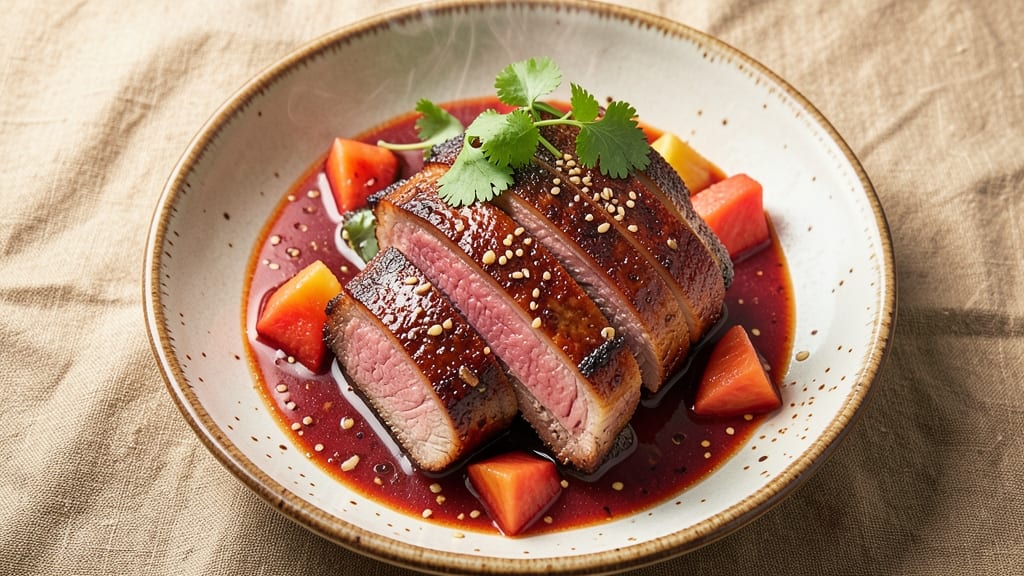
This pork hamonado recipe with pineapple juice delivers the perfect balance of sweet, tangy, and savory flavors that make every bite unforgettable. The pineapple juice isn't just a marinade—it tenderizes the meat while infusing that signature sweet-tart depth Filipino cuisine is famous for.
I first discovered this dish during a visit to Manila, where my aunt served it with crisp celery for that essential crunch contrast that takes it from good to extraordinary.
The magic happens in the slow cooking process, where the pork absorbs the flavors until it's fall-apart tender. What makes this recipe truly special is how the pineapple juice transforms tougher cuts into melt-in-your-mouth perfection while creating a glossy, caramelized glaze that clings beautifully.
The celery adds freshness and texture, cutting through the richness of the meat and sauce.
By the time you're done, you'll have a dish that's restaurant-quality at home—juicy pork pieces swimming in a rich, slightly sticky sauce with just the right balance of sweetness and acidity.
The aroma alone will have everyone gathering around your table, and each bite delivers that perfect harmony of flavors that makes this dish a crowd-pleaser.
Serve it with steamed rice to soak up every last drop of that delicious sauce, or try it with atchara for that classic Filipino tangy slaw contrast. This recipe proves that with the right technique and ingredients, you can recreate authentic Filipino flavors in your own kitchen—no shortcuts needed.
Ingredients for best pork hamonado recipe with pineapple juice
Sweet pineapple meets savory pork—this combo transforms simple ingredients into restaurant-quality magic.
| Ingredient | Amount | Notes |
|---|---|---|
| Pork Shoulder (or Pork Butt) 🥩 | 2 lb | Bone-in for best flavor |
| Pineapple Juice 🍍 | 1 ½ cups | Freshly squeezed preferred |
| Soy Sauce 🍶 | ½ cup | High-quality brand recommended |
| Brown Sugar 🍚 | ½ cup | Light or dark works |
| Garlic Cloves 🧄 | 6 cloves | Minced for marinade |
| Fresh Ginger 🌿 | 2 tbsp | Grated, for depth of flavor |
| Celery Stalk 🧅 | 1 whole | Chopped for crunch contrast |
| Bay Leaves 🍃 | 2 whole | For aromatic depth |
| Black Peppercorns 🌶️ | 1 tsp | Crushed, for subtle heat |
| Olive Oil 🫒 | 2 tbsp | For searing pork |
| Water 💧 | ½ cup | For balancing sauce |
| Salt 🧂 | 1 ½ tsp | Adjust to taste |
| White Vinegar 🍶 | 1 tbsp | For tangy brightness |
The pork shoulder is the star here—bone-in cuts stay juicier and add depth. Grab one from the butcher counter at Whole Foods or your local market (ask for pork butt if shoulder isn't available). Fresh pineapple juice makes all the difference—Trader Joe's sells it pre-made, but squeezing your own from fresh fruit is worth it. For the celery, pick firm stalks with bright green leaves (the darker the better). The garlic and ginger? Freshly grated or minced—don't use pre-minced from jars. And those bay leaves? Organic ones have the best flavor, but regular works too.
No fresh pineapple juice? Coconut water or bottled pineapple juice in a pinch, but you'll lose some depth. Swap brown sugar for maple syrup or honey if you prefer. The soy sauce can be tamari for gluten-free, and if you're missing vinegar, a splash of lemon juice works. For the celery, substitute fennel or green apple if you're feeling fancy. The pork? Pork tenderloin works too, but it'll be less tender after cooking. Always taste the marinade before using it—adjust sweetness or tang with more sugar or vinegar as needed.
Marinate the pork overnight for best results—3-4 hours minimum if short on time. The sauce thickens as it cooks, so add a splash of water if needed. Store leftovers in the fridge for 4-5 days or freeze for 3 months. I like to reheat portions in a skillet with a splash of water to keep that glossy glaze. The celery stays crisp if you add it just before serving—toss it in ice water for 10 minutes right before plating for that perfect crunch.
Why You'll Love This Recipe
- One-Pan Magic: The pork shoulder goes in raw, the pineapple juice and soy sauce simmer into a sticky glaze—no flipping, no fussing. Honestly, I’ve made this while scrolling through my phone; the only real effort is waiting (which, okay, is the best part).
- Sweet-Savory Balance: That caramelized brown sugar meets the tangy pineapple juice? It’s like a flavor hug—sweet but never cloying, with garlic cloves adding a punch that lingers. My kids call it "the good stuff," and they’re not wrong.
- Leftovers That Shine: This dish tastes even better the next day, especially when sliced thin for sandwiches or stir-fries. Between us, I’ve turned last night’s hamonado into today’s lunch with zero extra work—just reheat and devour.
- Budget-Friendly Feast: Pork shoulder is affordable, and a single batch stretches across meals for days. I’ll be real: this is my go-to for feeding a crowd without breaking the bank, and the pineapple juice keeps it from tasting like a sad, dry roast.
Step-by-step instructions for pork hamonado with pineapple glaze
This method delivers melt-in-your-mouth pork with a perfect balance of sweet, tangy, and savory flavors.
Prepare the Marinade and Prep the Pork
In a medium bowl, combine the 1.5 cups pineapple juice, 0.5 cup soy sauce, 0.5 cup brown sugar, 1 tbsp white vinegar, 1.5 tsp salt, 6 cloves minced garlic, 2 tbsp grated fresh ginger, 2 whole bay leaves, and 1 tsp crushed black peppercorns. Whisk until the sugar dissolves completely and the aromatics are fully integrated. The marinade should smell vibrant and complex—bright pineapple notes with warm ginger and garlic undertones.
Trim any excess fat from the 2 lb pork shoulder (leave about ¼-inch fat cap for flavor), then place it in a large resealable bag or shallow dish. Pour the marinade over the pork, ensuring it coats all surfaces. Seal the bag or cover the dish and refrigerate for at least 4 hours, or overnight for maximum flavor penetration. Real talk—the longer it marinates, the more tender and flavorful the pork becomes.
Sear the Pork for Maximum Flavor
Remove the pork from the marinade (reserve the marinade for later) and pat it dry with paper towels. Heat a large Dutch oven or heavy skillet over medium-high heat until a drop of water sizzles immediately. Add the 2 tbsp olive oil and swirl to coat the pan.
Place the pork shoulder fat-side down and sear for 8-10 minutes until the fat renders and the skin develops a deep golden-brown crust. Flip the pork and sear the other side for another 6-8 minutes. You'll know it's ready when the crust is rich and caramelized, and the pork releases easily from the pan. Don't rush this step—proper searing locks in juices and builds deep flavor.
Braise Until Fork-Tender
Transfer the seared pork to the Dutch oven (if not already in one) and pour in the reserved marinade. Add the 0.5 cup water and 1 whole chopped celery stalk (for subtle crunch and flavor). Bring to a simmer over medium heat, then reduce to a gentle bubble. Cover and transfer to a 325°F oven.
Braise for 3 to 3.5 hours, until the pork is fork-tender and easily shreds. Check periodically to ensure there's always liquid in the pan—add a splash of water or reserved marinade if needed. The pork is done when it reaches 200-203°F internally and pulls apart with minimal resistance. This low-and-slow method transforms tough pork into melt-in-your-mouth perfection.
Reduce the Glaze and Finish
Once the pork is cooked, remove it from the Dutch oven and let it rest on a cutting board for 15 minutes (this is crucial for juicy slices). Place the Dutch oven over medium heat and skim off any excess fat. Add the pork back to the pot along with any accumulated juices.
Simmer uncovered for 10-12 minutes, stirring occasionally, until the sauce reduces to a thick, glossy glaze that coats the back of a spoon. The glaze should be sticky and slightly syrupy, with concentrated pineapple and soy flavors. If it thickens too quickly, add 1-2 tablespoons of water to balance the consistency.
Serve With Celery Crunch Contrast
Slice the pork against the grain into ½-inch thick pieces. Spoon the reduced glaze over the top and arrange on a platter. Garnish with additional chopped celery for that signature crunch contrast—it cuts through the richness of the pork beautifully. Serve immediately with steamed rice or crusty bread to soak up every last drop of that luscious sauce.
Each bite delivers tender, juicy pork with a perfect balance of sweet pineapple, tangy vinegar, and savory soy—plus that satisfying crunch from the celery. This is the kind of dish that gets rave reviews and disappears fast at dinner parties.
Pro Tips For Making Best Pork Hamonado Recipe With Pineapple Juice
- Brown Sugar First: Toss the pork in the dry rub—soy sauce, brown sugar, garlic—before adding pineapple juice. I learned this the hard way: adding juice too early makes the sugar clump and stick like glue. Let the meat soak up the dry flavors for at least 30 minutes (yes, even if you’re impatient like me).
- Simmer, Don’t Boil: Keep the pineapple juice and pork at a gentle simmer, not a rolling boil. After burning three batches, I finally figured out that high heat turns the sauce bitter and the pork rubbery. A low, steady simmer (just bubbles breaking the surface) keeps everything tender and sweet.
- Strain the Juice: Use fresh pineapple juice, but strain out the pulp—it’s the thing that matters most. The pulp burns easily and makes the sauce grainy. A fine-mesh sieve takes 30 seconds and saves you from scraping burnt bits off the bottom of the pan later.
- Sear in Batches: Crowd the pan, and you’ll steam the meat instead of sear it. Work in batches—2-3 minutes per side—until deep brown. I skip this when I’m lazy, but the dish is noticeably better when I don’t. That crust locks in flavor and caramelizes the sugar.
Regional styles of this recipe
Filipino Hamonado Roots
This dish traces back to the Spanish colonial era in the Philippines, where hamonado (meaning "sweetened") became a staple for tenderizing tougher cuts of meat. The original version used vinegar and sugar to break down proteins, but Filipino cooks later embraced pineapple juice for its natural enzymes and tropical brightness.
My first taste was in Manila at a local carinderia, where they served it with crisp celery and steamed rice—that's when I knew this dish was special. 🌍
Spanish-Influenced Adaptations
Spanish settlers brought soy sauce and brown sugar to the Philippines, creating the perfect flavor bridge between sweet and savory. In Cebu, they often add calamansi juice (a local citrus) to the marinade for extra tang.
For a Spanish twist, try substituting red wine vinegar for white vinegar and adding a bay leaf and cinnamon stick while braising. The result? A richer, more complex sauce with European undertones.
Modern Filipino-American Twists
In Filipino-American households, this dish gets creative with local ingredients. Swap pineapple juice for mango nectar (common in Portland markets) for a sweeter profile, or add chipotle powder for a smoky kick.
I've seen versions with adobo sauce mixed into the glaze—just add 2 tbsp at the end for depth. For a Pacific Northwest touch, use local honey instead of brown sugar and serve with garlic fried rice instead of white rice.
Regional Pork Variations
Different parts of the Philippines use different pork cuts. In Luzon, they prefer pork belly for its fat content, while in Visayas, pork shoulder is more common.
For a budget-friendly version, try pork tenderloin (cook time reduces to 2 hours), but you'll lose that deep, meaty flavor. My go-to is always bone-in pork butt—it stays juicier and adds richness to the sauce.
Vegetable Swaps for Crunch
The celery isn't just for crunch—it adds subtle bitterness that balances the sweetness. In Luzon, they sometimes use green papaya instead, while in Mindanao, radish slices work beautifully.
For a Portland-friendly version, try shaved fennel or thin apple slices—both add freshness and texture. Just toss them in ice water for 10 minutes before serving to keep them crisp.
Serving Traditions
In the Philippines, this dish is always served with steamed white rice to soak up the sauce, but in Hawaii, they pair it with buttered noodles for a fusion twist. For a modern touch, serve with crusty sourdough or garlic mashed potatoes—the contrast is amazing.
I like to add a side of atchara (Filipino pickled papaya) for that classic sweet-tangy balance that makes every bite unforgettable. 🍽️
Nutrition facts
Frequently asked questions
Can I use canned pineapple juice instead of fresh?
Yes, but fresh pineapple juice gives the best results! Canned juice works in a pinch, but it often contains added sugar or preservatives that can alter the balance of flavors. If using canned, choose a brand with no added sugar and dilute it with a splash of water to mimic fresh juice's brightness. For maximum flavor, fresh-squeezed pineapple juice (from about 2 cups of pineapple) is ideal.
How do I know when the pork is fully cooked?
Use a meat thermometer to check for doneness—it should reach 200-203°F internally. The pork will also be fork-tender and easily shred with minimal resistance. If you don't have a thermometer, cut into the thickest part: juices should run clear, not pink. The braising process ensures perfect tenderness, so don't rush it!
What's the best way to store leftovers?
Store in an airtight container in the fridge for up to 4-5 days. For longer storage, freeze portions for 3 months. To reheat, place in a skillet with a splash of water over medium heat until warmed through—this helps restore the glaze's glossy texture. The pork reheats beautifully, making this a great make-ahead dish!
Can I make this recipe in a slow cooker?
Transfer the seared pork to your slow cooker with the marinade and celery, then cook on low for 6-7 hours or high for 4-5 hours. For the glaze, transfer the pork to a skillet and reduce the cooking liquid on the stovetop after slow cooking. The slow cooker version is perfect for hands-off prep—just add the pork and let it work its magic!
Why does my sauce turn out too sweet?
This usually happens when the pineapple juice is very concentrated or when the sugar isn't balanced with acid. To fix it, add 1-2 tablespoons of white vinegar or lemon juice to brighten the flavors. For future batches, taste the marinade before using it—adjust sweetness with more vinegar or salt as needed. The key is balance!