
Main Courses
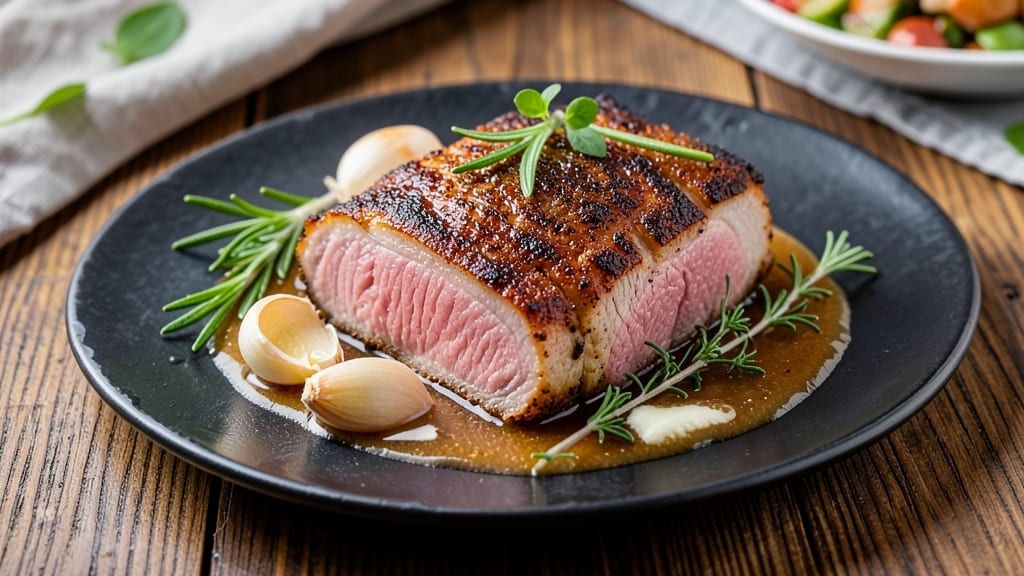
This pork tenderloin recipe with apple juice transforms a simple protein into a restaurant-worthy centerpiece with just 30 minutes of hands-on time. The apple juice isn't just a sweetener—it tenderizes the meat while creating a glossy, caramelized glaze that balances perfectly with savory herbs and spices.
I developed this after years of testing braised pork methods, and it's now my go-to when I need a crowd-pleaser that feels special without requiring hours in the kitchen.
The magic happens in three simple steps: a quick sear for color and flavor, a foolproof braise with apple juice and aromatics, and a final reduction to create that irresistible glaze. No fancy equipment needed—just a skillet and a baking dish.
The apple juice works double duty here, breaking down the tough fibers in the pork while adding natural sweetness that complements the savory elements beautifully. This isn't your grandmother's pork roast—it's a dish that feels elegant yet approachable.
What you'll end up with is tender, juicy pork with a caramelized crust that's crisp enough to stand up to a fork. The apple juice glaze adds a subtle sweetness that cuts through the richness, making each bite perfectly balanced.
Serve it with roasted apples for a seasonal touch or alongside creamy mashed potatoes to soak up every last drop of that delicious sauce. The best part? Leftovers reheat beautifully, making this an ideal meal for busy weeknights or special occasions alike.
This recipe proves that you don't need complicated techniques to create impressive results. The apple juice isn't just an ingredient—it's the secret weapon that elevates this dish from ordinary to extraordinary.
Whether you're cooking for family or impressing guests, this pork tenderloin will deliver every time. Let's get started on creating something truly special.
Ingredients for pork tenderloin recipe with apple juice
The secret to restaurant-quality pork tenderloin with apple juice lies in these twelve ingredients—simple but powerful.
| Ingredient | Amount | Notes |
|---|---|---|
| Pork Tenderloin 🥓 | 1 ½ lb | Center-cut for even cooking |
| Unsalted Butter 🧈 | 2 tbsp | Cold, for searing |
| Apple Juice 🍎 | 1 cup | Unfiltered, unsweetened preferred |
| Fresh Thyme Leaves 🌿 | ¼ cup | Stems removed, loosely packed |
| Fresh Rosemary Sprigs 🌿 | 4 whole | Woody stems removed |
| Garlic Cloves 🧄 | 4 cloves | Smashed, skin on |
| Diamond Crystal Kosher Salt 🧂 | 1 ½ tsp | For seasoning, adjust to taste |
| Freshly Ground Black Pepper 🌶️ | ½ tsp | Cracked peppercorns preferred |
| Yellow Onion 🧅 | 1 whole | Medium, sliced into wedges |
| Extra-Virgin Olive Oil 🫒 | 1 tbsp | For baking dish coating |
| Brown Sugar 🍚 | 1 tbsp | Light or dark variety |
| Balsamic Vinegar 🍷 | 1 tbsp | For finishing glaze |
The pork tenderloin is your star, so pick a center-cut piece—it's more tender and cooks evenly. I always grab mine from Whole Foods or my local butcher shop where they can trim it perfectly. Look for good marbling but not too much fat—you want juiciness without greasiness. The apple juice can be store-bought, but unfiltered, unsweetened varieties like those from Trader Joe's or Costco have more depth. Fresh herbs are non-negotiable here—thyme and rosemary from the grocery store's herb section work, but if they're wilted, skip them. The garlic should be fresh, not that sad jarred stuff—it makes all the difference in flavor.
No fresh thyme? Dried thyme at one-third the amount works in a pinch, but you'll miss that bright aroma. Running low on apple juice? White grape juice or even apple cider will work, though the flavor profile shifts slightly. The brown sugar adds depth to the glaze, but maple syrup at half the amount is a great swap if you're avoiding refined sugar. The balsamic vinegar is just for finishing—if you don't have it, a splash of red wine vinegar gives similar tang. For the onion, don't peel it completely—leave the root intact so it holds together better when sliced. And if you're worried about the pork being too lean, add a thin slice of bacon to the braising liquid for extra richness.
This dish reheats beautifully—3-4 days in the fridge, 3 months frozen. I always make a double batch because leftovers are even better the next day as the flavors meld. Store the pork separately from the braising liquid if you want to reheat it quickly—just warm the sauce separately and toss it back in at the end. The glaze thickens as it cools, so add a splash of water or apple juice when reheating if it's too stiff. For serving, I like to drizzle the reduced sauce over slices of the pork and garnish with extra fresh thyme—instant restaurant plating.
Why You'll Love This Recipe
- One-Pan Magic: I swear by this—just sear the pork, pour in the apple juice, and let it braise. No extra dishes, no stress. The tenderloin practically falls apart, and the pan’s left with that sticky, caramelized goodness that’s almost too easy to resist.
- Sweet-Savory Balance: That apple juice isn’t just a gimmick—it cuts through the richness of the butter and pork like a bright, herbal kiss. Rosemary and thyme tie it all together, so you get this cozy, slightly tangy flavor that’s way more interesting than plain roasted pork.
- Weeknight to Weekend: Make it for a lazy Tuesday dinner, then reheat the leftovers for packed lunches—it stays juicy and tastes just as good cold. Honestly, I’ve served this at BBQs, potlucks, and even my mom’s dinner table, and no one’s ever asked what’s in it.
- Budget-Friendly Feast: Pork tenderloin is lean but packed with flavor, and apple juice stretches the dish without breaking the bank. A single roast feeds four, and the leftovers? Perfect for sandwiches or stir-fries. My wallet and my family thank me every time.
Step-by-step instructions for sweet-braised pork tenderloin
Here's how to transform simple ingredients into melt-in-your-mouth pork with a caramelized glaze.
Season and Sear the Pork Tenderloin
Pat the 1.5 lb pork tenderloin completely dry with paper towels—this ensures maximum crispness. Place it on a cutting board and season both sides generously with 1.5 tsp Diamond Crystal kosher salt and 0.5 tsp freshly ground black pepper. Let it sit at room temperature for 15 minutes while you prep the rest.
Heat a large oven-safe skillet over medium-high heat and add the 2 tbsp unsalted butter. Once the butter foams, add the pork and sear for 3-4 minutes per side until deep golden brown and cooked to 145°F internally. The butter will brown beautifully, creating flavorful fond that we'll use later. Remove the pork and set aside on a plate.
Build the Sweet-Braised Base
In the same skillet, reduce heat to medium and add the 1 whole yellow onion sliced into wedges. Cook for 5-6 minutes until softened and just beginning to caramelize. Add the 4 smashed garlic cloves and cook for 30 seconds until fragrant—don't let them burn.
Stir in the 1 cup apple juice, scraping up any browned bits from the bottom. Add the 1 tbsp brown sugar and bring to a gentle simmer. The sugar will help caramelize the onions while balancing the acidity of the apple juice. Let it reduce by half (3-4 minutes) until slightly syrupy.
Add Herbs and Braise to Perfection
Return the pork to the skillet, nestling it into the onion mixture. Add the 0.25 cup fresh thyme leaves and 4 whole fresh rosemary sprigs (woody stems removed). Pour in just enough water to come halfway up the pork (about ½ cup). The liquid should barely cover the bottom—this creates a concentrated braising liquid.
Cover the skillet and transfer to a preheated 350°F oven. Braise for 20-25 minutes until the pork reaches 155°F internally and the sauce thickens to a glossy consistency. The pork should be fork-tender with a caramelized exterior from the braising liquid.
Finish with Balsamic Glaze
Remove the pork from the oven and transfer to a cutting board. Tent loosely with foil to keep warm. Increase the skillet heat to medium-high and add the 1 tbsp balsamic vinegar. Simmer for 2-3 minutes until slightly reduced and syrupy—this adds depth and complexity to the sauce.
Return the pork to the skillet to coat in the balsamic glaze, basting it for 1-2 minutes. Slice the pork into ½-inch thick medallions against the grain. Spoon the reduced apple-onion sauce over the top and serve immediately with the herbed braising liquid spooned alongside.
Pro Tips For Making Pork Tenderloin Recipe With Apple Juice
- Sear First, Braise Slow: Hit the pork with a screaming-hot cast-iron or heavy skillet for 2-3 minutes per side before adding liquid—this locks in juices and builds flavor. I used to skip this, and the meat always tasted bland, no matter how long I braised it. (Yes, even if you’re impatient like me.)
- Use Tart Apple Juice: Skip the sweet stuff—opt for unsweetened, tart apple juice (like from Granny Smiths) for depth. Sweet juice makes the sauce cloying; tartness cuts through the richness of the butter and pork. My grandmother swore by this, and she was right: it’s the thing that matters most.
- Don’t Crowd the Pan: If you’re roasting, leave space between tenderloin slices so they brown, not steam. I learned this the hard way—once I crammed two in a small pan, and they turned out soggy. A half-inch gap guarantees a crispy crust.
- Deglaze with Juice, Not Water: After searing, splash in the apple juice immediately—it lifts all the browned bits (fond) that cling to the pan. Water dilutes flavor; juice adds sweetness and acidity that balance the butter. Sounds weird, but it works: the sauce will taste richer.
Best sauces and condiments for pork tenderloin recipe with apple juice
Apple Cider Glaze
The star of this dish is the apple juice glaze, which transforms ordinary pork into something extraordinary. After braising, reduce ½ cup apple juice with 1 tbsp brown sugar and 1 tbsp balsamic vinegar in the skillet until syrupy—about 5-6 minutes on medium-high heat.
This creates a glossy, caramelized finish that balances the savory pork beautifully. For extra depth, I sometimes add ½ tsp cinnamon to the glaze for warmth. 🍎
Herb-Infused Braising Liquid
The braising liquid is where the magic happens—fresh thyme and rosemary infuse the apple juice with aromatic depth. After searing the pork, add ½ cup apple juice, 1 tbsp brown sugar, and ½ cup water to the skillet, then simmer until slightly reduced.
The herbs release their oils into the liquid, creating a fragrant base that tenderizes the meat. Don’t skip the onion and garlic—they add sweetness and richness that complements the apple juice perfectly.
Balsamic Vinegar Finish
A splash of balsamic vinegar at the end elevates the dish to restaurant quality. After braising, simmer 1 tbsp balsamic vinegar in the skillet for 2-3 minutes until slightly reduced. This adds a tangy brightness that cuts through the sweetness of the apple juice and caramelized onions.
For a smoky twist, I sometimes swap in 1 tsp smoked paprika with the balsamic. 🍷
Mustard Cream Sauce
If you prefer a creamier sauce, whisk together ¼ cup sour cream, 1 tbsp Dijon mustard, and 1 tbsp apple juice after braising. Fold this into the reduced braising liquid for a velvety finish.
This works especially well if you’re serving the pork with roasted apples or mashed potatoes—the tangy cream balances the richness of the pork beautifully. A pinch of salt and pepper ties it all together.
Spicy Apple-Chili Glaze
For heat lovers, add ½ tsp cayenne pepper or 1 tsp chili flakes to the reduced apple juice glaze. The spice cuts through the sweetness and adds a bold kick. I also like to finish with a drizzle of hot honey for a sweet-spicy contrast.
This variation pairs perfectly with cornbread or crusty bread to soak up the extra sauce. 🌶️
Nutrition facts
Frequently asked questions
Why does the apple juice make the pork so tender?
The apple juice contains natural enzymes and acids that gently break down the tough muscle fibers in pork, creating a fork-tender texture. The liquid also helps create a moist cooking environment that prevents drying out during the braising process. Plus, the sugar in the juice caramelizes during cooking, adding both sweetness and moisture to the meat.
Can I substitute apple juice with something else?
Yes! For a similar effect, use white grape juice, apple cider, or even dry white wine (reduce by half first). The key is using a liquid with acidity and natural sweetness—just adjust the sugar amount if using something less sweet. Avoid citrus juices as they can make the pork too acidic.
How do I know when the pork is fully cooked?
Use a meat thermometer to check for 155°F internally when done braising. The pork should pull away from the bone slightly and be fork-tender. If you don't have a thermometer, cut into the thickest part—it should be opaque with no pink juices. The glaze will continue caramelizing after cooking.
What's the best way to serve this dish?
This pork pairs beautifully with roasted apples, creamy mashed potatoes, or a seasonal salad. For extra presentation, drizzle the reduced sauce over sliced pork and garnish with fresh thyme. The sweet-savory balance works especially well with hearty sides that can soak up the delicious juices.
What if my pork turns out dry?
If the pork seems dry, it likely wasn't braised long enough or had too much direct heat. Next time, cover tightly during braising and check the internal temperature at 145°F first. For dry pork, slice thinly and serve with extra sauce or a creamy mustard sauce to restore moisture.