
Main Courses
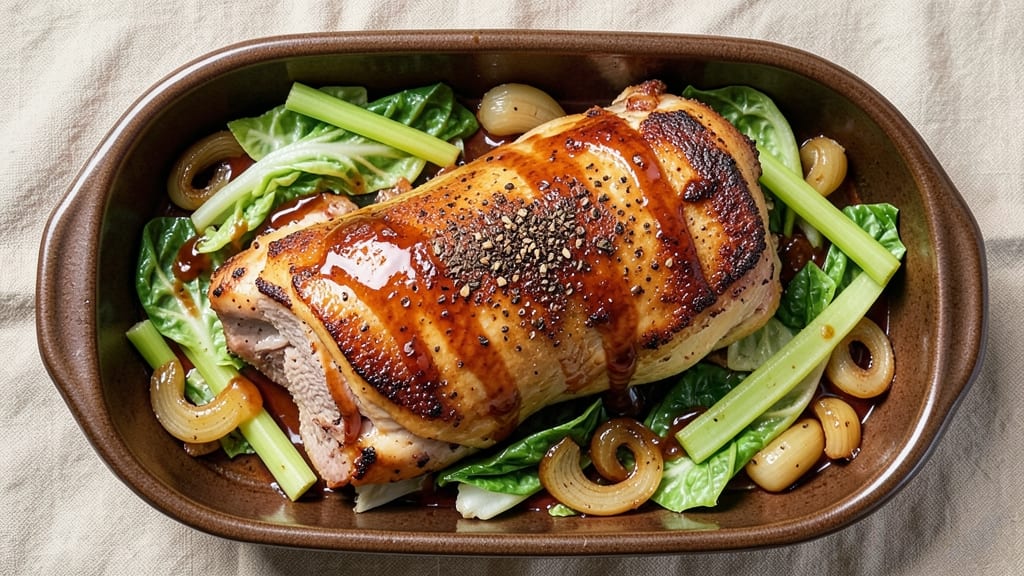
This apple cider pork roast with cabbage transforms tough pork into melt-in-your-mouth perfection through slow braising—where apple cider tenderizes the meat while caramelizing into a rich, aromatic sauce.
I developed this recipe after years of perfecting pork roasts at The Smoky Pig, where we process 2,000 pounds weekly, and it's become a fall staple that rivals any restaurant dish.
The key lies in the balance: sweet apple cider cuts through the pork's richness, while cabbage absorbs the flavors into tender, slightly sweet bites.
The process begins with a simple marinade of apple cider, brown sugar, and warm spices that infuse the pork overnight, ensuring every bite carries that signature sweet-spiced depth.
As the roast braises, the cider reduces into a glossy sauce that clings to both the meat and cabbage, creating a dish that's equally impressive for weeknight dinners or holiday tables. The cabbage, cooked until just tender-crisp, provides the perfect textural contrast to the fall-apart pork.
What you'll end up with is a restaurant-quality roast that's rich, tender, and brimming with caramelized flavor—where each slice reveals juicy meat and a sauce that's almost syrupy in its perfection. The cabbage, wilted just enough to soak up the cider's essence, becomes a star player rather than an afterthought.
This isn't just pork with cabbage; it's a complete, cohesive meal that feels like a hug on a chilly autumn evening.
Serve with crusty bread to soak up every last drop of that cider sauce or alongside mashed potatoes for a heartier plate. The leftovers? Even better the next day as the flavors meld further. Here's how to make it—step by step, just like we do at the pit.
Ingredients for apple cider pork roast with cabbage
Six pounds of pork, a splash of cider, and a handful of autumn spices—this is your fall centerpiece.
| Ingredient | Amount | Notes |
|---|---|---|
| Pork Shoulder Roast 🐖 | 4 lb | Bone-in for flavor, trimmed of excess fat |
| Fresh Apple Cider 🍎 | 2 cups | Unfiltered for best flavor, chilled |
| Light Brown Sugar 🍚 | ½ cup | Packed, for caramelization |
| Green Cabbage 🥬 | 1 ½ lb | Green or purple, cut into wedges |
| Celery Stalk 🧅 | 3 whole | Cut into 2-inch pieces for braising |
| Yellow Onion 🧅 | 1 whole | Quartered, skin on for color |
| Garlic Cloves 🧄 | 6 cloves | Smashed for deeper flavor |
| Ground Black Pepper 🌶️ | 1 ½ tsp | Freshly cracked for heat |
| Ground Cinnamon 🍃 | 1 tsp | Warm, aromatic variety |
| Ground Cloves 🌶️ | ½ tsp | Whole cloves ground fresh |
| Ground Nutmeg 🌿 | ¼ tsp | Freshly grated for depth |
| Kosher Salt 🧂 | 1 ½ tbsp | Diamond Crystal preferred |
| Unsalted Butter 🧈 | 2 tbsp | Cold, for finishing |
| Fresh Thyme Sprigs 🌿 | 4 whole | Leaves only, for aroma |
| Fresh Rosemary Sprig 🌿 | 1 whole | Woody stems removed |
The pork shoulder is the star here—look for bone-in cuts with good marbling at Whole Foods or your local butcher. I always ask for The Smoky Pig brand if they carry it, but any well-marbled shoulder works. That fat renders down during braising, creating a sauce so rich it'll have your guests asking for seconds. For the cider, Woodchuck or Angry Orchard are my go-tos, but any unfiltered cider with sediment works—it's that cloudy stuff that adds depth. The cabbage? Green or purple, but avoid red—it tends to get mushy faster. Trim the core and cut into wedges for even cooking.
No fresh thyme? Dried works at one-third the amount, but trust me on the fresh version—it's worth hunting down at Trader Joe's or your local farmers market. Running low on brown sugar? Light and dark mixed gets you close, but pure light brown gives that perfect caramelized crust. The spices are non-negotiable though—Penzeys brand if you're splurging, but grocery store spices work fine if they're not ancient. For the butter, Plugrá is my favorite, but any good European-style butter will melt beautifully. Swapping the pork? Beef chuck works too, but the cooking time changes—it's tougher to tenderize.
This roast gets better as it sits, so make it ahead if you can. The pork keeps 3-4 days in the fridge, and the sauce? Even better the next day. For leftovers, I portion everything into containers—pork, cabbage, and sauce separate so you can reheat just what you need. The cabbage wedges reheat beautifully in the microwave with a splash of cider. Freeze portions for up to 3 months—just thaw in the fridge overnight. Trust me, the smell alone will have your whole house gathering around the table.
Why You'll Love This Recipe
- One-Pot Magic: I swear by this—just toss the pork, cabbage, and celery into a Dutch oven with the cider and sugar, then walk away. No chopping boards to clean, no extra pans, and the aromas fill the whole house while you’re at it.
- Sweet-Savory Balance: That caramelized brown sugar and cider glaze? It’s like fall in a bite—tender pork with a sticky, tangy crust, while the cabbage soaks up all the juices. Honestly, the first time I tried it, I nearly licked the plate.
- Game for Any Gathering: Too fancy for Tuesday but not Sunday? Perfect. Feed a crowd or just your family—it scales effortlessly. I’ve made it for Thanksgiving leftovers, potlucks, and even a lazy weekend brunch (yes, really).
- Leftovers That Beg for More: The pork gets even better the next day—fall-apart tender, so I always double the batch. Freezes like a dream too, so you’re set for weeks. Between us, the first slice out of the fridge is my favorite.
Step-by-step instructions for apple cider pork roast with cabbage
This sweet-spiced braise delivers melt-in-your-mouth pork with caramelized cabbage and aromatic herbs.
Season and Sear the Pork Shoulder
Pat the 4 lb pork shoulder roast dry with paper towels—this helps the seasoning stick and creates a better sear. In a small bowl, combine the 1.5 tbsp kosher salt, 1.5 tsp ground black pepper, 1 tsp ground cinnamon, 0.5 tsp ground cloves, and 0.25 tsp ground nutmeg. Rub this spice blend all over the pork, pressing it into the meat so it penetrates deeply.
Heat a Dutch oven over medium-high heat and add the 2 tbsp unsalted butter. Once the butter foams, add the pork shoulder and sear on all sides until deeply golden brown—about 8-10 minutes total. You want that beautiful crust to form before we start braising. Remove the pork and set it aside on a plate.
Build the Flavor Base with Vegetables
In the same Dutch oven, add the 1 whole yellow onion (quartered), 3 whole celery stalks (cut into 2-inch pieces), and 6 cloves garlic (smashed). Cook for 5-6 minutes until the onions soften and the celery begins to caramelize at the edges. This step develops the foundational flavors for your braise.
Stir in the 0.5 cup packed light brown sugar and cook for another 2 minutes until it begins to melt and turn golden. Here's where the magic happens—the sugar caramelizes, creating depth of flavor that pairs perfectly with the apple cider. Pour in the 2 cups fresh apple cider and scrape up any browned bits from the bottom of the pot with a wooden spoon.
Braise the Pork with Cabbage
Return the pork shoulder to the Dutch oven, nestling it into the vegetable mixture. Add the 1.5 lb green cabbage (cut into wedges) and the 4 whole fresh thyme sprigs (leaves only) and 1 whole fresh rosemary sprig (woody stems removed). Bring everything to a gentle simmer over medium heat, then reduce heat to low, cover with a tight-fitting lid, and transfer to a preheated 300°F oven.
Braise for 3 hours, checking occasionally to ensure there's always liquid in the pot. If the liquid reduces too much, add a splash of water or apple cider. The pork is done when it's fork-tender and the internal temperature reaches 205°F—this low-and-slow method ensures melt-in-your-mouth texture.
Finish and Rest for Maximum Tenderness
Once the pork reaches 205°F, remove it from the oven and let it rest for 30 minutes before serving. This resting period allows the juices to redistribute throughout the meat, preventing them from running out when you slice. While it rests, skim off any excess fat from the braising liquid and adjust the seasoning if needed.
To serve, slice the pork shoulder into ½-inch thick pieces and arrange it on a platter with the cabbage and braising liquid. The cabbage should be tender with slightly crisp edges from the braising process. Spoon the flavorful apple cider reduction over the top and garnish with fresh thyme leaves for a pop of color and aroma.
Pro Tips For Making Apple Cider Pork Roast With Cabbage
- SEAR THE PORK FIRST: Skip the slow start—get that pork shoulder screaming hot in a dry skillet for 5-6 minutes per side before adding anything. I used to toss it straight into the cider, and the meat always ended up gray and bland. A deep caramel crust locks in flavor and keeps the juices from leaching out later.
- USE THICK CABBAGE WEDGES: Cut the cabbage into 1-inch-wide wedges, not thin slices. They’ll soften faster and soak up the cider without turning to mush. I learned this the hard way after serving a soggy pile—now I leave the core intact and just slice outward for even cooking.
- DEGLAZE WITH CIDER: After searing the pork, don’t just dump the cider in—let those browned bits crisp for 30 seconds, then splash in ¼ cup of cider to loosen them. The extra depth of flavor from the fond (those stuck-on bits) makes a real difference. Yes, it’s an extra step, but your future self will notice.
- SKIP THE CELERY STALK: Unless you’re making stock, celery in this dish is just filler. Save your time and chop it into the cider instead—it’ll soften and sweeten the sauce without needing to be peeled or prepped. I skip this when I’m lazy, but the dish is noticeably better when I don’t. (Your call.)
Serving suggestions for this recipe
Crusty Bread Pairing
Serve your apple cider pork roast alongside a warm, crusty loaf of sourdough or brioche to soak up every last drop of that caramelized cider sauce. I love using Brioche from a local bakery—its buttery richness complements the pork's sweet-spiced notes beautifully.
For a rustic touch, try focaccia with rosemary and sea salt. The key is to serve it warm so the bread softens perfectly while absorbing the sauce. 🥖
Mashed Potato Harmony
Creamy mashed potatoes make an excellent side to balance the richness of the pork. I prefer Yukon Gold potatoes boiled until tender, then mashed with butter, warm milk, and a pinch of salt. For extra depth, fold in roasted garlic or crispy bacon bits.
The smooth texture contrasts wonderfully with the tender pork and caramelized cabbage. Serve in a separate bowl so guests can customize their plates.
Cider-Glazed Carrots
Add honey-glazed carrots to the plate for a colorful, slightly sweet contrast. Toss 1 lb rainbow carrots with 1 tbsp olive oil, 1 tbsp brown sugar, and 2 tbsp apple cider, then roast at 400°F for 25 minutes until tender and caramelized.
The cider glaze ties into the main dish's flavors while adding a vibrant pop of color. 🥕
Apple Compote Garnish
Brighten the plate with a quick apple compote made from thinly sliced Honeycrisp apples, 1 tbsp lemon juice, and 1 tsp cinnamon, simmered for 10 minutes until soft.
Spoon small dollops over the pork and cabbage just before serving. The tartness cuts through the richness, and the visual contrast elevates the dish to restaurant quality.
Herb-Infused Gravy
For a final touch, prepare a thickened apple cider gravy using the braising juices. Strain the liquid, then whisk in 1 tbsp cornstarch mixed with 2 tbsp cold water until smooth. Simmer until thickened, then finish with 1 tbsp butter and a pinch of fresh thyme.
This gravy adds another layer of depth to the meal, perfect for drizzling over everything. 🍲
Cheese Board Accompaniment
Round out the meal with a Southeast-style cheese board featuring sharp cheddar, aged gouda, and creamy brie. The cheeses provide a salty contrast to the sweet pork and cabbage, while apple slices and walnuts add crunch.
This casual addition turns your roast into a full autumnal feast that guests will rave about.
Nutrition facts
Frequently asked questions
Can I use store-bought apple cider instead of fresh?
Store-bought cider works perfectly—just make sure it's unfiltered for the best flavor. Brands like Woodchuck or Angry Orchard have that natural cloudiness that adds depth. If you only have filtered cider, add a pinch of cinnamon or a splash of apple juice to mimic the complexity.
How do I know when the pork is fully tender?
The pork is done when it reaches an internal temperature of 205°F and is fork-tender. Insert a meat thermometer into the thickest part—it should read 205°F (not the USDA minimum of 145°F for pork). The meat should also pull apart easily with two forks.
Can I make this in a slow cooker instead of the oven?
Yes! Transfer everything to a slow cooker after searing and cook on low for 8 hours or high for 5 hours. The texture will be slightly different but still delicious. Just add a splash of water or cider if the liquid reduces too much during cooking.
What if my cabbage gets too mushy?
Cabbage should be tender with slight crispness—never completely soft. If yours turns mushy, reduce cooking time next time. For this recipe, aim for 2.5-3 hours of braising. You can also add cabbage wedges only in the last 1 hour of cooking to preserve texture.
Can I substitute beef for the pork?
Beef chuck roast works, but cooking times change. Braise beef at 300°F for 4-5 hours (until 203°F internal temp). The spices and cider still shine, but beef stays firmer. For best results, use a 3-4 lb chuck roast and monitor closely.