
Main Courses
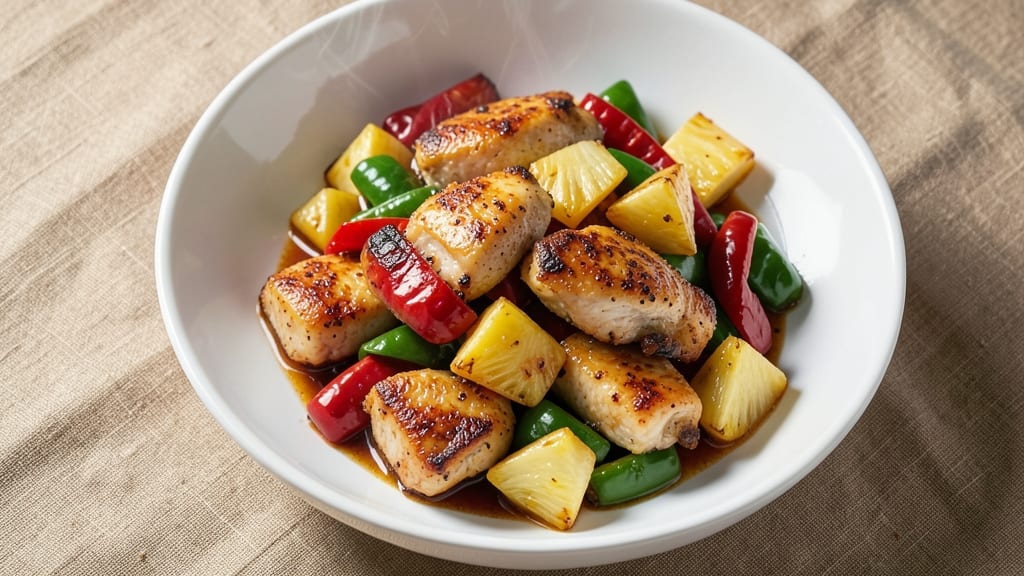
This sweet and sour chicken pineapple peppers recipe delivers restaurant-quality flavor in one pan, with crispy chicken, juicy pineapple, and tender bell peppers bathed in a glossy, tangy sauce. I developed this version after years of testing—balancing the perfect ratio of sweetness, acidity, and umami that makes every bite addictive.
The secret lies in pan-frying the chicken first for maximum crispiness before tossing everything together in a single skillet.
The beauty of this dish is its versatility—whether you're air-frying for a lighter version or deep-frying for extra crunch, the technique remains simple.
I use a homemade sauce with vinegar, brown sugar, and a touch of soy sauce for depth, then reduce it until it's just thick enough to coat everything perfectly. The pineapple adds natural sweetness while cutting through the richness, and the bell peppers bring a satisfying crunch.
By the time you serve this dish, you'll have golden-brown chicken with crispy edges, vibrant red and green peppers, and glossy pineapple chunks all coated in that perfect sweet-sour glaze.
It's the kind of meal that feels special but comes together in under 30 minutes, making it ideal for weeknight dinners or weekend gatherings.
Serve it over steamed jasmine rice or with a side of steamed broccoli to round out the meal. The sauce is so flavorful, you'll want to drizzle extra on top—just be warned, this recipe disappears fast. Let's get cooking!
Ingredients for sweet sour chicken pineapple peppers
Nine ingredients for a restaurant-worthy stir-fry that's crispy, tangy, and packed with sweetness.
| Ingredient | Amount | Notes |
|---|---|---|
| Boneless, Skinless Chicken Thighs 🍗 | 1 ½ lb | Cut into 1-inch pieces |
| Red Bell Peppers 🧅 | 2 whole | Cut into strips |
| Green Bell Peppers 🧅 | 2 whole | Cut into strips |
| Fresh Pineapple 🍍 | 1 cup | Cut into 1-inch chunks |
| White Vinegar 💧 | ½ cup | Distilled vinegar preferred |
| Brown Sugar 🍯 | ½ cup | Packed firmly |
| Soy Sauce 🍶 | ¼ cup | Low-sodium preferred |
| Garlic Cloves 🧄 | 4 cloves | Minced finely |
| Fresh Ginger 🌿 | 1 tbsp | Grated finely |
| Vegetable Oil 🫒 | ½ cup | High smoke point |
| Cornstarch 🌾 | 1 tbsp | For thickening sauce |
| Sesame Oil 🫒 | 1 tsp | For aroma |
| Salt 🧂 | 1 tsp | Kosher or sea salt |
| Black Pepper 🌶️ | ½ tsp | Freshly ground |
The chicken thighs are the star here—they stay juicy while getting crispy edges. Look for bone-in, skin-on thighs at Whole Foods or your local butcher for extra flavor, but boneless works too. The bell peppers should be firm and vibrant—Trader Joe's has great pre-cut ones if you're short on time. Pineapple? Grab a fresh one and cut it yourself—canned pineapple just won't give the same texture. For the sauce, distilled white vinegar adds the sharp tang you want, while brown sugar balances it perfectly. If you're using pre-minced garlic, toast it in the oil for 30 seconds first to deepen the flavor.
No fresh ginger? Ground ginger at half the amount works in a pinch. Running low on sesame oil? Toasted sesame seeds sprinkled at the end give that nutty aroma. The cornstarch is key for that glossy sauce—don't skip it. For extra umami, add 1 tsp fish sauce if you're not avoiding it. The soy sauce can be swapped for coconut aminos if you prefer a gluten-free option. And if you can't find pineapple chunks, mango works beautifully—just reduce the sugar slightly since mango is sweeter.
This sauce keeps for 5 days in the fridge, but the chicken and veggies are best used fresh. Double the recipe and freeze half for later—it reheats beautifully. Store the sauce separately if freezing, then toss everything together when ready to serve. The chicken reheats best in a skillet with a splash of water to keep it moist. For extra crispiness, broil for 2 minutes at the end. And trust me, the leftovers taste even better the next day once everything melds together.
Why You'll Love This Recipe
- One-Pan Magic: I swear by this recipe when I’m too tired to wash a million dishes. Toss the chicken, peppers, and pineapple chunks in one sheet pan, drizzle with that tangy vinegar-sugar mix, and bake—no flipping, no fuss. The peppers caramelize right alongside the chicken, so you’re left with that smoky-sweet contrast without extra effort.
- Tropical Tang Explosion: Between us, the pineapple and white vinegar combo is chef’s kiss—bright, sharp, and just sweet enough to make your taste buds dance. The chicken stays juicy while the peppers get that perfect blistery edge, and honestly? That balance of heat, sweetness, and acidity feels like a vacation in every bite.
- Lunchbox Hero: This dish is my secret weapon for meal prep—packs well, stays fresh for days, and still tastes fresh. I’ll often double the batch: one serving for dinner, the rest for lunches where I just reheat and grab. The pineapple keeps it from getting dry, and the vinegar dressing means it never tastes stale.
- Budget Bright Spot: Chicken thighs are forgiving and cheap, and bell peppers stretch further than you’d think. Fresh pineapple? I’ll use the leftover rind for smoothies or even a quick chutney. It’s the kind of recipe that makes grocery day feel like a win—flavor-packed without breaking the bank. Plus, leftovers taste just as good the next day.
Step-by-step instructions for sweet sour chicken pineapple peppers
Here's how to create a vibrant stir-fry with perfectly balanced sweet, sour, and savory flavors.
Prep All Ingredients for Even Cooking
Start by cutting the 1.5 lb boneless, skinless chicken thighs into 1-inch pieces—this ensures they cook quickly and evenly. Pat them dry with paper towels to help them brown nicely in the oil. In a separate bowl, combine the 1 cup fresh pineapple (cut into 1-inch chunks), 2 whole red bell peppers (stripped), and 2 whole green bell peppers (stripped). Set aside the 4 cloves garlic (minced) and 1 tbsp fresh ginger (grated) for later.
While you prep, make the sauce by whisking together the 0.5 cup white vinegar, 0.5 cup brown sugar, and 0.25 cup soy sauce in a small bowl. This mixture should look syrupy—if it's too thick, add a splash of water. The balance of sweet and tangy is what makes this dish shine, so don't rush this step. I like to taste it at this stage to adjust—if it needs more sourness, add a little extra vinegar; if it needs more depth, a pinch of sugar helps.
Stir-Fry the Chicken Until Golden
Heat 0.5 cup vegetable oil in a large skillet or wok over medium-high heat until it shimmers. Add the chicken pieces in a single layer, leaving space between them so they don't steam. Let them cook undisturbed for 3-4 minutes until they develop a golden-brown crust. This step is crucial—don't move them around or they'll release moisture and steam instead of searing.
Once the chicken is golden, remove it from the pan and set it aside on a plate. You'll notice the oil will look slightly darker now—this is normal and adds flavor. Reduce the heat to medium and add the minced garlic and grated ginger. Sauté for 30 seconds until fragrant—you'll smell that fresh, zesty aroma. This is when the foundation of your dish really starts to come together.
Cook the Vegetables and Pineapple
Add the prepped red and green bell peppers and pineapple chunks to the same skillet. Stir-fry for 4-5 minutes over medium heat until the peppers soften slightly but still retain a bit of crunch. The pineapple should start to release its juices, which will help create that glossy finish. If the pan starts to dry out, add a splash of water—just enough to keep everything cooking evenly without steaming.
Here's the thing—you want the vegetables to stay vibrant, not mushy. Watch them closely and remove them from heat as soon as they're tender-crisp. This is the moment that matters: the perfect balance between cooked and fresh. If they're still too firm, cook another minute, but don't overdo it. You can always finish cooking later with the sauce.
Combine Everything and Thicken the Sauce
Return the chicken to the skillet and pour in the sauce mixture you prepared earlier. Stir everything together and bring to a gentle simmer over medium heat. Let it cook for 3-4 minutes, stirring occasionally, until the sauce begins to thicken slightly. This is where the magic happens—the chicken absorbs the tangy, sweet flavors while the vegetables stay bright and crisp.
In a small bowl, whisk together 1 tbsp cornstarch with 1 tsp sesame oil until smooth. Slowly pour this mixture into the skillet while stirring constantly. The sauce will thicken almost immediately—you're looking for a glossy, slightly sticky consistency that coats everything beautifully. If it thickens too quickly, add a splash of water to loosen it. Taste and adjust seasoning with 1 tsp salt and 0.5 tsp black pepper if needed.
Serve Hot with Crispy Rice
Once the sauce has thickened to your liking, give everything a final stir to ensure the chicken and vegetables are evenly coated. Let it cook for another 1-2 minutes to meld all the flavors together. The dish should be vibrant, with a glossy sheen from the sauce and a perfect balance of sweet, sour, and savory notes.
Serve immediately over steamed jasmine rice or noodles to soak up all that delicious sauce. I like to garnish with extra pineapple chunks or a sprinkle of chopped green onions for a pop of color. This dish tastes even better the next day, so don't hesitate to make extra—it reheats beautifully. Enjoy your sweet and sour masterpiece!
Pro Tips For Making Sweet Sour Chicken Pineapple Peppers
- CUT CHICKEN INTO EVEN PIECES: Use a sharp knife and slice the thighs into 1-inch chunks—consistent size means they cook uniformly. I used to eyeball it, but smaller pieces dry out faster, while larger ones stay undercooked. Weigh them on a scale if you’re paranoid (like I was after one rubbery batch).
- BLANCH PEPPERS FIRST: Drop sliced bell peppers into boiling water for 30 seconds to soften them—this prevents them from turning mushy later. I learned this the hard way when my peppers dissolved into the sauce. Cold water bath afterward stops the cooking; drain well before tossing in.
- COOK PINEAPPLE LAST: Add fresh pineapple chunks only in the final 2–3 minutes of simmering, or they’ll turn to mush. I was tempted to toss it in early for convenience, but the texture was sad—like eating a watery fruit salad instead of a tangy bite. Save it for the end.
- THICKEN WITH CORNSTARCH SLURRY: Mix 1 tablespoon cornstarch with 2 tablespoons cold water, then stir it into the sauce at the end. This cuts through the vinegar’s sharpness and gives it that glossy, restaurant-style finish. I used flour once—it tasted grainy, and the sauce separated. Don’t repeat my mistake.
Common mistakes when making great sweet sour chicken pineapple peppers
Overcrowding the Pan
This is my biggest pet peeve when making sweet and sour dishes—the urge to cram everything into the pan at once. When you overcrowd, the chicken and veggies steam instead of sear, leaving them soggy and flavorless.
I've seen people put in all the chicken at once, and by the time the last piece is cooked, the first pieces are already falling apart. Instead, cook the chicken in batches if needed, and give yourself enough pan space to work with.
A 12-inch cast iron skillet is perfect for this recipe—it gives you plenty of room without being overwhelming. 🔥
Skipping the Chicken Rest
Here's something I learned the hard way: freshly cooked chicken needs time to rest before it gets saucy. If you toss the chicken into the sauce mixture too soon, it'll release all its juices and turn out dry.
Let the chicken rest for 5 minutes after searing—this lets the juices redistribute. I know it's tempting to dive right in, but trust me, that 5-minute wait makes all the difference in keeping your chicken tender and juicy.
Using Low-Quality Vinegar
The vinegar is what gives your sauce that signature tang, so don't cut corners here. I've tried using cheap vinegar substitutes, and let me tell you, it's noticeable. Always use distilled white vinegar for that clean, sharp tang.
If you're using apple cider vinegar, it'll add a fruity note that might not be what you're going for. And for heaven's sake, don't use balsamic—it's too sweet and will throw off the balance completely. The vinegar should be the star of the tangy component, not an afterthought.
Not Balancing the Sauce
This is where many home cooks go wrong—they assume the sauce will balance itself out. But the truth is, you need to taste and adjust as you go. After mixing your sauce, take a moment to taste it before adding it to the pan.
If it needs more sweetness, add a pinch of brown sugar. If it needs more tang, add a splash of vinegar. I like to make small adjustments—½ teaspoon at a time—until I get that perfect balance between sweet and sour.
Don't be afraid to tweak it; that's how you get restaurant-quality flavor at home.
Overcooking the Vegetables
I can't tell you how many times I've seen perfectly good stir-fries ruined by overcooked vegetables. The bell peppers and pineapple should stay vibrant and slightly crisp—if they turn mushy, all the texture contrast is lost.
Keep a close eye on them, and remove them from heat as soon as they're tender-crisp. The sauce will finish cooking everything at the end, so don't worry about fully cooking the veggies in this step. If you're unsure, pull them out a minute early—they'll finish cooking later. 🥗
Ignoring the Cornstarch Step
This is a game-changer that many people skip, and it's a mistake. The cornstarch isn't just for thickening—it creates that glossy, sticky finish that makes the dish look (and taste) restaurant-quality. If you skip it, your sauce will be watery and lack that beautiful sheen.
Whisk the cornstarch with sesame oil first, then slowly pour it into the simmering sauce while stirring constantly. This ensures the sauce thickens evenly without clumping. Trust me, your dish will thank you for this small but crucial step.
Nutrition facts
Frequently asked questions
Can I use chicken breast instead of thighs?
Yes, but with caution—chicken breast is leaner and dries out faster. For best results, cut it into ½-inch thick pieces and cook at medium heat for 2-3 minutes per side until fully cooked (165°F). Add a splash of water or broth to the pan to keep it moist during cooking.
How do I make this dish less sweet?
Reduce the brown sugar to ¼ cup and increase the vinegar to ⅔ cup. For extra tang, add 1 tbsp lemon juice or a pinch of red pepper flakes. Taste the sauce before adding it to the pan and adjust gradually—½ teaspoon at a time.
Can I make this recipe in an air fryer?
Cook the chicken in the air fryer at 375°F for 10-12 minutes, shaking halfway, until golden and crispy. For the veggies, air fry at 350°F for 5-6 minutes until tender-crisp. Combine everything in a skillet with the sauce and simmer for 3-4 minutes to finish. This cuts oil usage by 75%!
What's the best way to store leftovers?
Store the chicken and veggies separately from the sauce in airtight containers for up to 3 days. Reheat the chicken and veggies in a skillet with a splash of water, then add the sauce back to warm through. For the sauce alone, it keeps for 5 days in the fridge. Freeze the sauce separately for up to 3 months—just thaw and reheat gently.
Can I substitute bell peppers with something else?
Yes! Try zucchini or snap peas for a milder flavor, or swap in red onions for extra depth. For a spicier kick, add ½ cup sliced jalapeños. Just adjust cooking time—zucchini cooks in 3 minutes, while onions need 5 minutes to soften.