
Sauces & Condiments
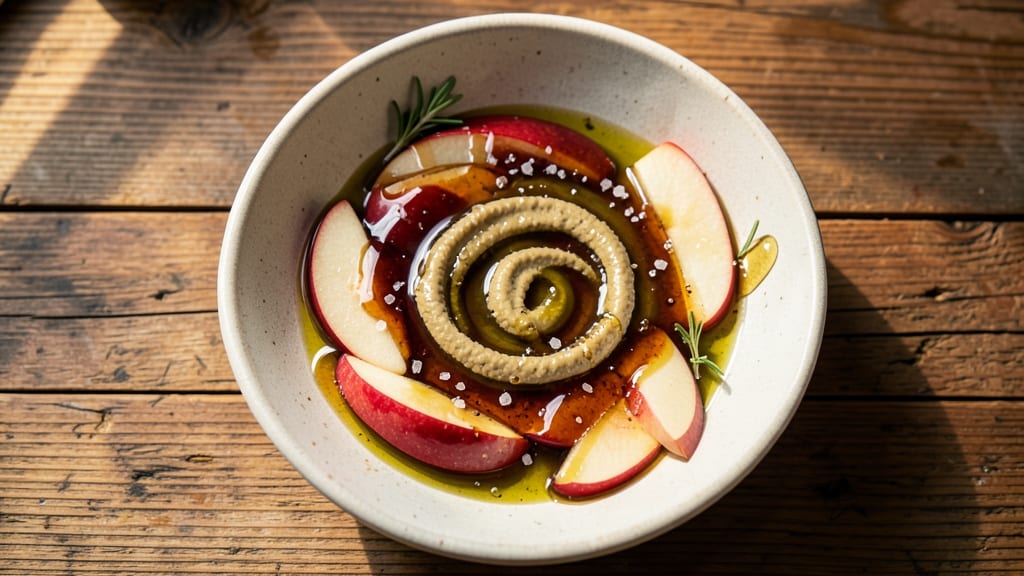
This apple balsamic vinegar dressing recipe transforms simple ingredients into a sweet-tart elixir that elevates salads, roasted vegetables, and even grilled meats. The balance of sharp balsamic and natural apple sweetness creates a dressing that's vibrant yet sophisticated—perfect for fall harvests or any time you crave depth in flavor. What sets this apart is the emulsification technique that keeps it silky smooth, not oily or separated.
The foundation starts with high-quality balsamic vinegar and fresh apple cider, blended with a touch of honey for subtle sweetness. Olive oil provides richness while Dijon mustard acts as the natural emulsifier, ensuring every bite delivers that signature tangy-sweet harmony.
This dressing works equally well as a marinade or drizzle, making it versatile for any dish where bold flavors shine.
What you'll achieve is a dressing that's bright enough to cut through rich ingredients yet complex enough to stand alone. The apple adds a subtle fruitiness that pairs beautifully with arugula, spinach, or even as a glaze for pork tenderloin.
Once you taste the balance of sweet, tart, and umami, you'll reach for this recipe time and time again.
Store it in the fridge for up to 10 days, shaking gently before use to maintain that perfect emulsion. The ingredients are simple—just five staples—but the result is restaurant-quality dressing that makes every dish feel special. Let's make it.
Ingredients for apple balsamic vinegar dressing
Five simple ingredients create a dressing that elevates salads and roasted dishes with perfect sweet-tart balance.
| Ingredient | Amount | Notes |
|---|---|---|
| Extra-Virgin Olive Oil 🫒 | ½ cup | High-quality, fruity variety preferred |
| Balsamic Vinegar 🍷 | ½ cup | Aged, high-quality balsamic preferred |
| Fresh Apple Cider 🍎 | ½ cup | Unfiltered, cloudy preferred |
| Raw Honey 🍯 | 2 tbsp | Light floral honey works best |
| Dijon Mustard 🌶️ | 1 tbsp | For emulsification and tang |
| Sea Salt 🧂 | ½ tsp | Fine grain preferred |
| Freshly Ground Black Pepper 🌶️ | ¼ tsp | Freshly cracked for best flavor |
The balsamic vinegar and apple cider are the heart of this dressing. Look for aged balsamic vinegar—the deeper the color, the richer the flavor. For apple cider, unfiltered and cloudy is ideal, as it retains more natural sweetness and texture. Whole Foods or local orchards often carry high-quality options. Honey should be raw and light—avoid processed varieties, which can taste artificial. The Dijon mustard acts as the emulsifier, so choose a high-quality brand like Amora or Maille for the best results. Olive oil should be extra-virgin, with a fruity aroma and peppery finish—California or Italian varieties work exceptionally well.
No aged balsamic? Substitute with 2 tbsp red wine vinegar plus 1 tbsp maple syrup for a similar tang. Running out of apple cider? Fresh apple juice works too, but it won't have the same depth. If you don't have Dijon mustard, whole-grain mustard at half the amount will work, though the texture may vary slightly. For honey, agave nectar or maple syrup can be used in a 1:1 ratio, though the flavor will differ. The sea salt and pepper are non-negotiable for balance—Diamond Crystal kosher salt is ideal, but any fine sea salt will do.
This dressing stays fresh for up to 10 days in the fridge, but it's best used within 7 days for peak flavor. Store it in an airtight jar and give it a gentle shake before each use to maintain the emulsion. If it separates, simply whisk or shake vigorously to recombine. It also freezes beautifully for up to 3 months, making it perfect for batch prep. For extra convenience, divide into small containers—ice cube trays work great for single-serving portions.
Why You'll Love This Recipe
- Five-Ingredient Magic: I swear, this dressing comes together with just a whisk and a jar—no fancy gadgets, no stress. The only "chopping" required is slicing an apple (or skipping it entirely if you're in a rush), then stirring while you wait for the honey to dissolve. Honestly, it’s the kind of recipe that makes me feel like a chef without the fuss.
- Sweet-Tart Balance: That first taste? Chef’s kiss. The balsamic and apple cider create this bright, tangy backbone, while the honey and Dijon mustard soften it into something rich and complex—like a grown-up version of caramel apples. It’s the kind of dressing that makes you pause mid-bite to savor it.
- Works Everywhere: Drizzle it over roasted Brussels sprouts, toss it with grilled chicken, or use it as a marinade for pork chops. I’ve even poured it over vanilla ice cream for dessert (don’t judge). It’s the kind of versatile dressing that turns ordinary meals into something special without trying too hard.
- No Waste, All Flavor: Make a big batch—it keeps for weeks in the fridge—and you’ll always have something delicious on hand. Between us, I’ve used leftover dressing to glaze salmon, sweeten yogurt, or even deglaze a pan. It’s my secret weapon for turning simple ingredients into something memorable.
Step-by-step instructions for apple balsamic vinegar dressing
This dressing balances sweet and tangy flavors effortlessly with simple techniques.
Whisk Together the Liquid Base
In a medium bowl, combine the 0.5 cup fresh apple cider and 0.5 cup balsamic vinegar. I prefer using a whisk for this step—it creates a smooth foundation without any lumps. The apple cider adds natural sweetness while the balsamic brings that signature depth. Let these ingredients sit for 1 minute to allow the flavors to begin melding before moving forward.
This initial mixture should be slightly syrupy but still pourable. If you notice any sediment from the apple cider, give it a quick stir—this ensures a silky texture in your final dressing. The balance of these two liquids forms the backbone of the flavor profile, so take your time here to get it just right.
Incorporate the Sweet and Tangy Elements
Add the 2 tablespoons raw honey and 1 tablespoon Dijon mustard to the bowl. Using the whisk again, combine these ingredients until the honey dissolves completely and the mixture becomes uniformly smooth. The honey will enhance the sweetness while the Dijon mustard adds a subtle tang that helps emulsify the dressing later.
I like to whisk vigorously for about 30 seconds to ensure everything blends thoroughly. This step is where the dressing starts to come together—you'll notice the mixture becoming slightly thicker as the honey and mustard integrate. If you're using a lighter honey, you might need to whisk a bit longer to achieve full incorporation.
Gradually Add the Olive Oil for Emulsification
With the whisk still in the bowl, very slowly drizzle in the 0.5 cup extra-virgin olive oil while continuing to whisk. This gradual addition is crucial—it prevents the oil from separating and helps create a stable emulsion. I recommend adding the oil in a thin, steady stream to give the whisk time to work.
As you add the olive oil, the mixture will begin to thicken and take on a creamy consistency. Keep whisking until the dressing is completely smooth and glossy, with no visible oil streaks. This emulsification process ensures your dressing stays cohesive and doesn't separate, even after sitting for a while. If you notice any oil separation at this stage, whisk a bit more vigorously for another 10-15 seconds.
Season and Adjust the Balance
Add the 0.5 teaspoon sea salt and 0.25 teaspoon freshly ground black pepper to the bowl. Whisk these in until fully dissolved and evenly distributed throughout the dressing. The salt enhances all the flavors while the pepper adds a subtle warmth that complements the sweet and tangy notes.
At this point, taste the dressing and make any necessary adjustments. If it needs more sweetness, add a touch more honey. If it's too sharp, a splash of apple cider can help balance it. The key is achieving that perfect harmony between sweet, tangy, and savory elements. Once you're satisfied with the flavor, transfer the dressing to a clean jar or airtight container for storage.
Rest and Use for Optimal Flavor
Let the dressing sit at room temperature for at least 15 minutes before using. This resting period allows the flavors to fully meld and develop, resulting in a more cohesive and delicious dressing. I often make this ahead of time and let it sit in the refrigerator overnight—this enhances the depth of flavor even more.
When ready to use, give the dressing a good stir before pouring. It should be smooth and ready to elevate any salad, roasted vegetables, or grilled meats. This dressing keeps well in the refrigerator for up to 1 week, making it perfect for meal prep. The flavors continue to improve over time, so don't hesitate to make extra for future use.
Pro Tips For Making Apple Balsamic Vinegar Dressing
- Simmer the Vinegar: Strain the balsamic vinegar through a fine-mesh sieve after simmering—those tiny sediment bits taste like they belong in a science experiment, not your dressing. A quick 3-minute reduction on low heat thickens it just enough without burning, and the straining step takes 10 seconds but makes a real difference.
- Use Cold Apple Cider: Pour chilled apple cider straight from the fridge into your mix—it keeps the honey from crystallizing and gives the dressing a brighter, sharper acidity. I learned this the hard way after a batch turned cloudy mid-recipe; now I measure everything cold unless the recipe demands otherwise.
- Whisk in the Mustard Last: Add the Dijon mustard right before emulsifying, not at the start. It’s the glue that holds the oil and vinegar together, but mixing it early can make the dressing split later. Stir it in vigorously for 30 seconds after everything else is combined—your arm will thank you, and the texture will be silky.
- Balance the Honey First: Taste the raw honey before adding it to the vinegar mixture—some batches are sweeter than others. Start with half the recipe’s honey, then adjust to taste; you can always add more, but you can’t take it out. This small step prevents that cloying, overpowering sweetness that ruins the balance.
Perfect pairings for apple balsamic vinegar dressing
Salad Pairings
This dressing shines on crisp arugula salads with toasted walnuts and Gorgonzola crumbles. The sweet-tart balance complements the peppery greens while the nuts add crunch. For a heartier option, toss with shaved Brussels sprouts, pear slices, and crumbled feta.
The apple notes in the dressing enhance the natural sweetness of the pears beautifully. 🥗
Roasted Vegetables
Drizzle over roasted butternut squash or caramelized onions for an unexpected flavor boost. The dressing's depth pairs perfectly with the natural sweetness of roasted vegetables.
I love using it on sweet potatoes too—just toss them with olive oil, salt, and roast until tender, then finish with a generous pour of this dressing. The contrast of warm, caramelized veggies with the cool, tangy dressing is pure magic. 🍠
Grilled Meats
Use it as a marinade for pork tenderloin or chicken breasts before grilling. The apple and balsamic create a sticky glaze that caramelizes beautifully. I also love brushing it on grilled shrimp in the last minute of cooking—it adds a sweet-savory finish that pairs perfectly with the seafood's natural brininess.
For extra richness, serve with garlic mashed potatoes on the side. 🍗
Cheese Boards
This dressing elevates any cheese board with its vibrant flavors. Pair it with aged cheddar, brie, and blue cheese for a sweet-tart contrast. The honey and apple notes complement the creaminess of the brie while cutting through the boldness of the blue cheese.
Serve it in a small bowl at room temperature for the best experience. Add a few sliced apples or pears to the board for a cohesive presentation. 🧀
Breakfast Applications
Don't limit this dressing to savory meals—it's fantastic on breakfast too! Drizzle over avocado toast with a sprinkle of flaky sea salt and everything bagel seasoning. The sweetness balances the creaminess of the avocado perfectly.
I also love using it as a dip for baked eggs or as a glaze for pancakes drizzled with extra honey. It's a game-changer for weekend brunches. 🍳
Nutrition facts
Frequently asked questions
Can I make this dressing without honey?
Yes! Substitute the 2 tablespoons honey with 1 tablespoon maple syrup or 1 tablespoon agave nectar for a similar sweetness. For a more tart profile, reduce the honey to 1 tablespoon and add 1 extra tablespoon balsamic vinegar instead. The key is balancing sweetness with the dressing's natural acidity.
Why did my dressing separate? How do I fix it?
Separation happens when oil and liquid ingredients aren't properly emulsified. Simply whisk or shake the jar vigorously until smooth. For future batches, add the olive oil very slowly while whisking continuously. If it keeps separating, try adding 1 extra teaspoon Dijon mustard as a natural thickener.
Can I use dried apples instead of fresh cider?
Soak 1/4 cup dried apple pieces in 1/2 cup hot water for 15 minutes, then strain and use the liquid in place of fresh cider. For extra flavor, add the soaked apples to salads or roasted dishes. The texture will be slightly thicker, so adjust with a splash of water if needed.
How much dressing should I make for a salad?
For a standard 6-8 inch salad, 2-3 tablespoons of dressing works perfectly. For heartier salads with roasted veggies or meats, use 3-4 tablespoons. Remember: you can always add more, but you can't take it out! Store leftovers in the fridge for up to 10 days.
Can I use this dressing as a marinade?
Yes! It works beautifully as a marinade for pork tenderloin, chicken breasts, or shrimp. Marinate for 30-60 minutes (no longer for seafood) before grilling or baking. The apple and balsamic create a delicious caramelized crust. For extra tenderness, add 1 teaspoon olive oil to the marinade.