
Sauces & Condiments
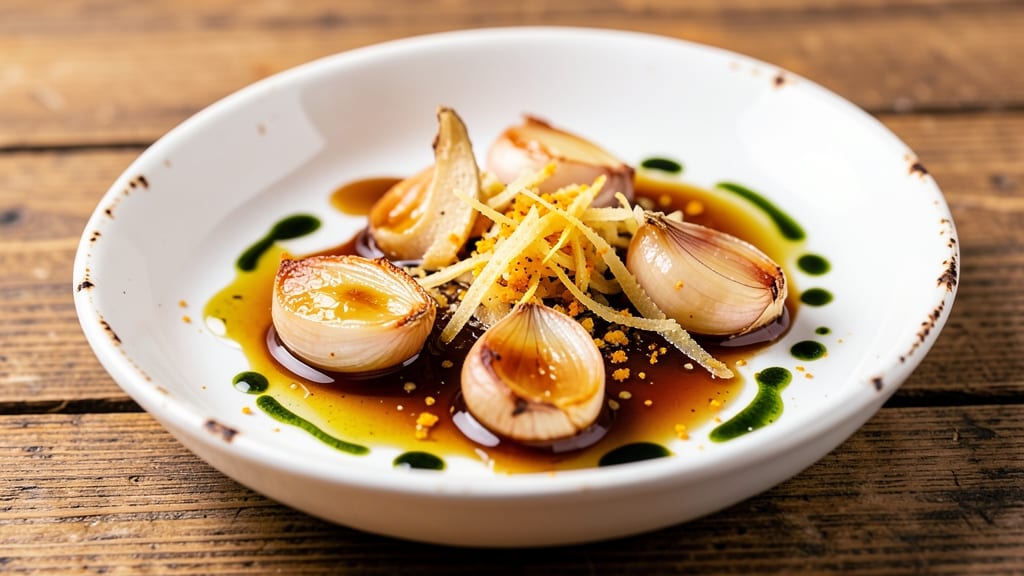
This apple cider vinegar garlic ginger recipe transforms simple stir-fries and noodles into restaurant-worthy dishes with just five ingredients. The secret lies in balancing sharp acidity, pungent garlic, and zesty ginger—creating a glossy, umami-rich sauce that clings to every bite.
I developed this after years of experimenting with quick, flavor-packed condiments that elevate any meal without overpowering it.
The magic happens when raw garlic and ginger infuse into warm oil, releasing their natural oils before the vinegar brightens the flavor. A touch of honey or maple syrup balances the tang, while a splash of sesame oil adds depth.
This sauce works as a marinade, stir-fry gloss, or noodle dressing—each application delivers bold, complex flavor with minimal effort.
What you’ll end up with is a bright, aromatic sauce that’s tangy yet smooth, with layers of garlic and ginger heat that lingers on the palate.
It’s the kind of condiment that turns simple weeknight meals into something special—think crispy stir-fried vegetables, silky egg noodles, or grilled proteins with an extra punch.
Best of all, this sauce keeps well in the fridge for up to two weeks, making it perfect for meal prep. Use it as a base for dressings, drizzle it over finished dishes, or let it marinate proteins for hours. Here’s how to make it—simple, versatile, and impossible to resist.
Ingredients for apple cider vinegar garlic ginger
Five ingredients create this restaurant-worthy umami sauce that elevates stir-fries and noodles instantly.
| Ingredient | Amount | Notes |
|---|---|---|
| Apple Cider Vinegar 🍎 | ½ cup | Raw, unfiltered preferred for depth |
| Garlic Cloves 🧄 | 6 cloves | Fresh, unpeeled for infusion |
| Fresh Ginger 🌿 | 2 tbsp | Finely grated, skin-on preferred |
| Extra-Virgin Olive Oil 🫒 | ¼ cup | Light, fruity variety for balance |
| Sesame Oil 🌰 | 1 tbsp | Toasted, for aromatic depth |
| Pure Maple Syrup 🍁 | 1 tbsp | Grade A for subtle sweetness |
| Diamond Crystal Kosher Salt 🧂 | ½ tsp | Fine grain for even dissolution |
| Freshly Ground Black Pepper 🌶️ | ¼ tsp | Cracked, not powdered |
The apple cider vinegar should be raw and unfiltered—brands like Bragg or Texas Pete deliver that tangy depth without artificial additives. For garlic, avoid pre-minced (it oxidizes fast); whole cloves infuse better when gently warmed in oil. Fresh ginger is non-negotiable here—dried lacks the bright, zesty punch. If you must use dried, double the amount and toast it lightly in a dry pan first. The extra-virgin olive oil should be light and fruity (like California Gold or Colavita) to avoid overpowering the delicate balance of flavors. Sesame oil adds that signature aroma, but toasted (not the cheap, flavorless kind) makes all the difference—Trader Joe's carries a great option.
No fresh ginger? Powdered ginger at half the amount works, but the texture will differ. Substitute balsamic vinegar for apple cider in a pinch (though it’ll taste slightly sweeter). Maple syrup is ideal for balancing acidity, but agave nectar or honey (if not vegan) both work—just reduce to 0.75 tbsp. The sesame oil can be omitted if you dislike its strong flavor, but toasted coconut oil adds a nice alternative. For extra umami, add 1 tsp soy sauce (ensure it’s gluten-free if needed). If you’re making this ahead, skip the sesame oil until serving—its flavor intensifies when heated.
This sauce stores beautifully for up to two weeks in an airtight glass jar in the fridge. Shake well before each use—the garlic and ginger will settle. For longer storage, freeze in 1-tbsp portions in ice cube trays, then transfer to a bag. Reheat gently if using as a marinade—never boil, as it can break down the delicate flavors. Use within 3 months for best quality. The sauce thickens slightly when chilled, so thin with a splash of water or vinegar if needed. Double the batch—it disappears faster than you’d think!
Why You'll Love This Recipe
- Pantry Magic: This is the kind of sauce I can make with eyes closed—no fancy prep, just a knife, a cutting board, and whatever’s already in my cupboard. Toss in chopped ginger, minced garlic, a splash of ACV, and a swirl of olive oil, then let it sit while I handle dinner chaos.
- Umami Bomb: That first taste? Chef’s kiss. The tangy bite of apple cider vinegar cuts through the richness of the garlic and ginger, while the sesame oil adds this nutty, toasty depth that makes it impossible to stop dipping. Honestly, I’ve used it on everything from stir-fries to grilled chicken, and it never lets me down.
- Weeknight Wonder: Between us, this is my go-to when I’m too tired to think. A little goes a long way—drizzle it over noodles, toss it with roasted veggies, or even mix it into a quick salad dressing. It’s the kind of thing that turns a boring meal into something that feels intentional, even when I’m running on fumes.
- Budget-Friendly Staple: I buy ginger and garlic in bulk, ACV lasts forever, and olive oil? Well, it’s already in my pantry. This recipe costs me pennies per serving, and the leftovers? They keep for weeks in the fridge. Plus, I’ve never had to throw any out—it’s either used up or frozen for later. Solid. Reliable. My secret weapon.
Step-by-step instructions for apple cider vinegar garlic ginger gloss
This vibrant umami sauce transforms simple stir-fries into restaurant-quality dishes with minimal effort.
Infuse the Garlic and Ginger
In a small saucepan, combine the 0.25 cup extra-virgin olive oil, 6 unpeeled garlic cloves, and 2 tablespoons finely grated fresh ginger. Heat over medium-low heat for 5-6 minutes until the garlic turns golden and fragrant—you'll see delicate bubbles form around the edges, signaling the oils have infused properly.
Here's the thing—keeping the garlic cloves unpeeled prevents burning while allowing their flavor to permeate the oil. If the mixture begins to sizzle too aggressively, immediately reduce heat to medium-low. Once the garlic reaches that perfect golden hue, remove from heat and let steep for 10 minutes. This resting period ensures maximum flavor extraction before we proceed.
Strain and Build the Base
Strain the infused oil through a fine-mesh sieve into a clean bowl, pressing gently on the garlic and ginger to extract every last drop of flavor. Discard the solids—no need to waste them. To the strained oil, add the 0.5 cup apple cider vinegar and 1 tablespoon toasted sesame oil, whisking vigorously to combine.
The vinegar will immediately create a light, effervescent reaction with the warm oil. This is normal and actually enhances the sauce's complexity. Taste at this stage—you should detect bright acidity balanced by the rich garlic-ginger oil. If needed, adjust with a pinch of the 0.5 teaspoon kosher salt or 0.25 teaspoon freshly ground black pepper to taste.
Sweeten and Finish the Gloss
Return the mixture to low heat and stir in the 1 tablespoon pure maple syrup. Simmer gently for 3-4 minutes until the sauce thickens slightly and coats the back of a spoon. You're aiming for a glossy consistency—almost like a thin syrup—that will cling beautifully to noodles and stir-fry vegetables.
This is where the magic happens: the maple syrup not only sweetens but also helps stabilize the sauce's texture. Watch carefully as it reduces—you want it to coat a spoon but remain pourable. If it thickens too quickly, add 1-2 teaspoons of hot water to adjust the consistency. Remove from heat immediately once you reach the desired gloss.
Cool and Store for Maximum Flavor
Let the sauce cool completely at room temperature for 15 minutes. This resting period allows all the flavors to meld together, creating a harmonious balance of sweet, tangy, and umami notes. Transfer to an airtight container and refrigerate for at least 2 hours before using.
The longer it rests, the more complex the flavors become. I like to make this sauce a day ahead—it develops depth overnight. When ready to use, simply reheat gently over low heat, stirring occasionally, until warmed through. This gloss keeps in the refrigerator for up to 2 weeks, making it perfect for meal prep.
Pro Tips For Making Apple Cider Vinegar Garlic Ginger
- Bloom the Garlic: Toss your minced garlic into the oil before adding heat—let it sit for 30 seconds. I learned this the hard way after my garlic burned every time I jumped straight to high heat. The wait keeps it fragrant and prevents that bitter, charred taste that ruins the whole dish.
- Peel Ginger Fast: Use a spoon’s back to tap the ginger root once before peeling—it cracks the skin cleanly. I skip this step half the time, but it saves 5 minutes of scrubbing and peeling. Fresh ginger should be firm, not wrinkled; older roots peel easier but lose punch.
- Balance the Vinegar: Start with 1 tablespoon of apple cider vinegar, then taste as you go—it’s acidic enough to cut through oil but shouldn’t dominate. I used to dump in the whole ¼ cup at once, and the dish turned sharp. A splash of sesame oil at the end mellows it out.
- Low and Slow for Ginger: Cook the ginger on medium-low until just tender—about 4 minutes. High heat turns it bitter. I was skeptical until I tried it: soft but not mushy, with all its warmth intact. Add the garlic last, so it doesn’t overcook while the ginger simmers.
Essential equipment for perfect results
Infusion Essentials
Start with a small saucepan—I prefer 3-quart stainless steel for even heat distribution. The fine-mesh sieve is non-negotiable for straining; I use a Nordic Ware brand with 325-micron holes to catch even the tiniest ginger particles.
For measuring, a liquid measuring cup with 1/4-cup markings ensures precision with the olive oil and vinegar. 🧄
Heat Control Tools
A kitchen thermometer (like OXO Good Grips) helps monitor the oil temperature—keep it between 275°F-300°F to prevent burning garlic. For gentle heat adjustment, I recommend an induction burner with precise temperature control, or a gas stove with a diffuser to spread heat evenly.
A wooden spoon (not metal) prevents flavor transfer from reactive ingredients.
Storage Solutions
Use amber glass jars (like Ball Mason jars) to preserve the sauce's vibrant color and prevent light degradation. For portion control, 1-ounce glass bottles with dropper caps work perfectly for drizzling.
Label everything with the date—masking tape and a Sharpie do the trick. A small funnel helps transfer the sauce without spills when transferring to storage containers. ❄️
Optional Upgrades
For high-volume prep, a slow cooker on low heat can gently infuse garlic and ginger for 1-2 hours—just strain afterward. A mortar and pestle gives you extra control when grating ginger if you prefer a smoother texture.
For flavor testing, I keep a small tasting spoon (like West Bend's 1-tsp tester) handy to sample the sauce at each stage without wasting much.
Cleanup Kit
Keep a small bowl of cold water nearby to rinse the sieve immediately after straining—this prevents dried residue from becoming a nightmare to clean. A microfiber cloth (like Bar-Kays) handles oil splatters better than paper towels.
For stubborn garlic smells, a bowl of baking soda placed near the sink works wonders while you clean. 💡
Nutrition facts
Frequently asked questions
Can I make this sauce without fresh garlic or ginger?
You can substitute with powdered ginger (use half the amount) and garlic powder (reduce by 1/3), but the flavor will be less vibrant. For garlic, 1 tsp garlic powder equals about 2 cloves. Toast the powder in a dry pan for 30 seconds to enhance its aroma before adding to the oil.
How do I adjust the heat level for sensitive palates?
Reduce the garlic to 4 cloves and ginger to 1 tbsp. For extra mildness, add 1 tsp honey or maple syrup during the final simmer to balance the acidity. If you still find it too sharp, dilute with 1-2 tbsp water after cooling.
What are the best ways to use this sauce beyond stir-fries?
Use it as a marinade for tofu, chicken, or shrimp (coat for 30 minutes before cooking). Drizzle over bowls, salads, or roasted vegetables for instant flavor. It also makes an excellent dipping sauce for spring rolls or dumplings. For extra richness, stir in 1 tbsp tahini before serving.
Why did my sauce separate after refrigerating?
This happens when the oil and vinegar components separate—completely normal! Simply stir vigorously before use. To prevent it, let the sauce cool to room temperature before refrigerating. If it still separates, whisk in 1 tsp cornstarch mixed with 1 tbsp water to emulsify.
Can I make this sauce with white vinegar instead?
White vinegar will work, but it lacks the depth and complexity of apple cider vinegar. If you must use it, add 1/2 tsp honey extra to compensate for the lack of natural sweetness. For a middle ground, try rice vinegar**—it’s milder but still adds brightness.