
Sauces & Condiments
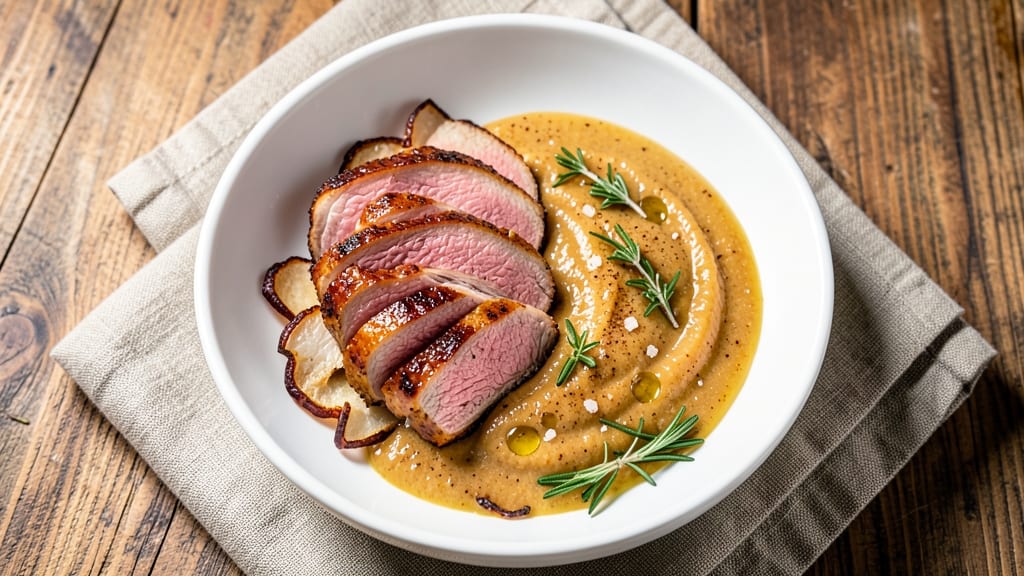
This pork tenderloin apple sauce recipe transforms a simple weeknight meal into a showstopper that balances tender pork with sweet, caramelized apples. The secret lies in roasting everything on one pan—juicy pork meets perfectly spiced apples that melt into a natural sauce, eliminating extra dishes.
I developed this after years of perfecting pork roasts for my restaurant, where the apples add just enough sweetness to cut through the richness without overpowering it.
The beauty of this dish is its simplicity: a 30-minute process that yields restaurant-quality results. The pork stays tender and juicy thanks to a simple salt-and-herb crust, while the apples caramelize into a glossy, slightly tangy sauce that clings to every bite.
No fancy techniques required—just a cast-iron skillet and patience for the apples to break down into that perfect consistency. This is the kind of meal that feels special without demanding hours in the kitchen.
By the time you're done, you'll have golden, tender pork slices with crisp edges and a rosy center, paired with apples that have transformed from firm fruit to a luscious, slightly chunky sauce. The aroma alone—smoky pork meeting warm, spiced apples—will have everyone at the table asking for seconds.
It's a dish that works equally well for a family dinner or a cozy weekend lunch, with minimal cleanup to boot.
Serve with crusty bread to soak up every last bit of that apple sauce, or pair it with roasted potatoes for a complete one-pan feast. The balance of flavors and textures makes this more than just a recipe—it's a foolproof method for turning humble ingredients into something extraordinary.
Let's get cooking!
Ingredients for pork tenderloin apple sauce
Restaurant-quality pork tenderloin meets caramelized apples in this one-pan masterpiece—where simplicity meets showstopping flavor.
| Ingredient | Amount | Notes |
|---|---|---|
| Pork Tenderloin 🐖 | 1 ½ lb | Center-cut, trimmed of silver skin |
| Honeycrisp Apples 🍎 | 2 whole | Medium size, cored and quartered |
| Extra-Virgin Olive Oil 🫒 | 2 tbsp | For searing pork and apples |
| Diamond Crystal Kosher Salt 🧂 | 1 ½ tsp | Fine grain for even seasoning |
| Fresh Thyme Leaves 🌿 | ½ tsp | From 2 sprigs, finely chopped |
| Fresh Rosemary Leaves 🌿 | ¼ tsp | From 1 sprig, finely chopped |
| Ground Black Pepper 🌶️ | ½ tsp | Freshly cracked for brightness |
| Brown Sugar 🍚 | 1 tbsp | Light variety for balanced sweetness |
| Apple Cider Vinegar 🍶 | 1 tbsp | For subtle tang and depth |
| Fresh Cinnamon Stick 🌿 | 1 whole | For aroma infusion |
| Garlic Cloves 🧄 | 2 cloves | Thinly sliced for subtle flavor |
| Fresh Sage Leaves 🌿 | ¼ cup | Chopped, for herbal depth |
| Unsalted Butter 🧈 | 1 tbsp | Cold, for finishing sauce |
The pork tenderloin is the foundation, and center-cut is non-negotiable—it delivers that signature tenderness. Most butchers will trim the silver skin for you, but if you're doing it yourself, use a sharp knife to avoid tearing the meat. For the apples, Honeycrisp is ideal—its balance of sweetness and crunch holds up during roasting, but Fuji or Gala work well too. I source my pork from Whole Foods or local butchers who handle it with care, ensuring it's dry-brined for maximum tenderness. The herbs should be freshly harvested—even a few days old can make a difference in flavor depth. If you're short on time, dried thyme at half the amount works, though it lacks the bright aroma of fresh.
No fresh thyme? Dried thyme at one-third the amount suffices, though it won’t carry the same floral notes. Substituting apples? Pears or Asian pears add a subtle earthiness, but stick to firm varieties like Bosc—they hold their shape better during roasting. The brown sugar can be swapped for maple syrup if you prefer a deeper caramelization, but reduce to 1 tablespoon to avoid over-sweetening. For a tangier sauce, increase the apple cider vinegar to 1.5 tablespoons, but taste as you go—the goal is harmony, not overpowering. If you’re missing fresh sage, dried sage at one-quarter the amount works, though it’s less aromatic. The garlic can be pre-minced for convenience, but thinly slicing it yourself ensures even distribution and better flavor integration.
This dish reheats beautifully—pork and apples together taste even better the next day, as the flavors meld further. Store leftovers in an airtight container for up to 4 days in the fridge, or freeze for 3 months by portioning into single-serving containers. For make-ahead prep, trim and quarter the apples a day ahead and store them in lemon water to prevent browning. The pork should be refrigerated uncovered for 30 minutes before cooking to promote better browning. If you’re serving a crowd, double the recipe—the one-pan method scales effortlessly, and the sauce only gets richer as it reduces.
Why You'll Love This Recipe
- One-Pan Magic: I swear by this—just sear the pork, toss in sliced apples and thyme, and let the oven do the work. No chopping boards full of mess, no switching between pans. That crispy pork with caramelized apples? All on one sheet, no fuss.
- Sweet-Savory Balance: The Honeycrisp apples add a bright, almost honeyed crunch that cuts through the pork’s richness. A sprinkle of kosher salt and a drizzle of olive oil turns simple ingredients into something that tastes like it belongs on a fancy menu—but took zero effort.
- Weeknight to Dinner Party: Honestly, this is my go-to when I need to feed a crowd or just myself. The leftovers reheat beautifully, and it’s the kind of dish that makes you look like a star—whether it’s a Tuesday or a holiday table. (Yes, even when I burn the edges slightly.)
- Budget-Friendly Luxury: Pork tenderloin is lean but flavorful, and Honeycrisp apples stretch the dish without breaking the bank. I’ll be real: the olive oil and fresh thyme feel indulgent, but they’re the secret to making it taste like a restaurant-worthy meal without the price tag.
Step-by-step instructions for pork tenderloin with caramelized apples
Master this one-pan technique for perfectly tender pork paired with sweet-tart apple bites.
Preheat and Season the Pork
Preheat your oven to 400°F and position a rack in the center. Pat the 1.5 lb pork tenderloin completely dry with paper towels—this ensures maximum crispiness. In a small bowl, combine 1.5 tsp Diamond Crystal kosher salt, 0.5 tsp ground black pepper, 0.5 tsp fresh thyme leaves, and 0.25 tsp fresh rosemary leaves. Rub this mixture evenly over the pork, pressing firmly so the seasoning adheres. Let it sit at room temperature for 15 minutes while you prep the apples.
This seasoning step is critical—it creates a flavorful crust while keeping the interior juicy. The herbs add an aromatic depth that pairs beautifully with the apples. Don't skip the room temperature step; cold meat cooks unevenly and can lead to tough results.
Sear the Pork and Prepare the Apples
Heat 1 tbsp extra-virgin olive oil in a large oven-safe skillet over medium-high heat until shimmering. Add the pork and sear for 2 minutes per side until golden brown. Remove and set aside. In the same skillet, add the remaining 1 tbsp extra-virgin olive oil, then add the 2 whole cored and quartered Honeycrisp apples, 1 tbsp brown sugar, 1 tbsp apple cider vinegar, and 2 thinly sliced garlic cloves.
Cook the apples for 4-5 minutes until they begin to caramelize at the edges. The apples should release their juices and develop a glossy sheen. This caramelization is what creates that perfect sweet-tart balance in the finished dish. If the apples aren't browning evenly, increase the heat slightly and stir occasionally.
Roast the Pork and Apples Together
Return the pork to the skillet with the apples. Add the 1 whole fresh cinnamon stick and 0.25 cup chopped fresh sage leaves. Transfer the skillet to the preheated oven and roast for 20-25 minutes until the pork reaches an internal temperature of 145°F and the apples are tender when pierced with a fork. The pork should be slightly pink in the center—this is perfect for tenderloin.
Here's the thing—pork tenderloin cooks quickly, so don't overcook it. The apples will continue softening during the resting period. The cinnamon and sage infuse the pork with warm, herbal notes while the apples caramelize further in their own juices. If the apples aren't quite tender enough, return them to the oven for another 5 minutes.
Finish with Butter for Richness
Remove the skillet from the oven and transfer the pork to a cutting board. Tent loosely with foil and let it rest for 10 minutes. In the same skillet, reduce heat to low and add the 1 tbsp cold unsalted butter. Let it melt completely, then spoon the butter over the pork and apples. This final step adds luxurious richness that ties all the flavors together.
While the pork rests, use a slotted spoon to transfer the caramelized apples to a serving platter. The pork should slice easily with a sharp knife, revealing juicy pink meat. The apples should be tender with caramelized edges and a beautiful glossy sheen. Serve the pork sliced into ½-inch thick medallions alongside the apples and their pan sauce.
Pro Tips For Making Pork Tenderloin Apple Sauce
- SEAR THE PORK HARD: I learned this the hard way—skipping the initial high-heat sear means the pork stays bland and rubbery. Get that pan screaming hot with olive oil, then press the tenderloin down firmly for 3-4 minutes per side until it’s deep golden, not just pink. That crust locks in flavor and keeps it juicy when it hits the applesauce.
- PEEL AND GRATE APPLES COLD: Honeycrisp apples turn mushy fast, and warm prep ruins the texture. Work with them straight from the fridge—peel, core, and grate them right into an ice bath to stop browning. This keeps the applesauce bright and chunky, not a sad, watery glaze.
- SALT THE MEAT TWICE: Don’t just season once. Generously salt the pork first thing (1 tsp kosher salt per pound, rubbed in), let it sit 15 minutes, then sear. After roasting, sprinkle another pinch of salt directly on top of the applesauce—it cuts through the sweetness and makes the thyme pop.
- USE THYME STEMS TOO: Fresh thyme leaves are great, but don’t toss the stems. Tuck them into the pork’s center slit before roasting—they infuse the meat with aroma without overpowering the dish. (Yes, even if you’re impatient like me.)
Pro cooking tips for pork tenderloin apple sauce
Perfect Sear Technique
For that golden crust on your pork tenderloin, sear it over medium-high heat in a cast-iron skillet until it reaches 160°F internal temperature before transferring to the oven. I use a Meater thermometer for precision—it beeps when the pork hits the perfect sear temp.
The key is patience: 2 minutes per side gives you that beautiful caramelization without overcooking. 🔥
Apple Caramelization Mastery
The apples should develop a glossy sheen and caramelized edges before the pork goes in. I like to add 1 tbsp brown sugar and 1 tbsp apple cider vinegar to the apples while they sear—this creates a natural glaze that deepens their flavor.
If they're not browning fast enough, increase the heat slightly and stir occasionally. The goal is tender but still slightly firm apples that break down into a luscious sauce during roasting.
Herb Infusion Secrets
Fresh herbs make all the difference here. I chop thyme, rosemary, and sage finely and press them directly into the pork's surface—this ensures they release their aromatic oils during cooking. For extra depth, I add a cinnamon stick to the pan while roasting.
If you're short on fresh herbs, dried thyme at one-third the amount works, but nothing beats the bright, fresh flavor. 🌿
Resting for Juiciness
Never skip the 10-minute rest after removing the pork from the oven. This allows the juices to redistribute, ensuring every slice is tender and moist. While it rests, use that time to melt 1 tbsp cold butter in the skillet and spoon it over the pork and apples.
This final step adds a luxurious richness that ties all the flavors together beautifully. Trust me, this small step makes a huge difference in the final result.
Temperature Control
Use a meat thermometer to check the pork's internal temperature—it should reach 145°F for medium doneness. The apples are done when they're tender but still hold their shape when pierced with a fork.
If the pork finishes cooking but the apples aren't quite there, return them to the oven for another 5 minutes. The apples will continue softening during the resting period, so don't worry if they're not fully tender when the pork is done. ✨
One-Pan Efficiency
This recipe is all about minimal cleanup and maximum flavor. By roasting everything together, the pork and apples exchange flavors beautifully, creating a harmonious dish. I always use a large oven-safe skillet—it's sturdy enough to handle the searing and roasting without warping.
If your skillet isn't oven-safe, transfer the pork and apples to a baking sheet lined with parchment paper. The one-pan method keeps everything cohesive and makes serving a breeze.
Nutrition facts
Frequently asked questions
Can I use any apple variety for this recipe?
While Honeycrisp apples work best due to their sweet-tart balance, you can substitute with Fuji or Gala for a slightly milder flavor. Avoid overly soft varieties like Red Delicious—they'll turn to mush. For extra depth, try Bosc apples, which hold their shape better and add a subtle earthiness. Always use firm, ripe apples that yield slightly when pressed.
How do I adjust this recipe for a larger group?
Double the ingredients for 6-8 servings, but use a larger oven-safe skillet or cast-iron Dutch oven. Increase the oven temperature to 425°F to ensure even cooking. The apples may need 5-10 extra minutes to caramelize properly when scaled up. For 12+ servings, consider using a sheet pan instead of a skillet to accommodate the volume.
What if my pork turns out dry?
Overcooking is the most common cause. Always use a meat thermometer and remove the pork at 145°F—it will carry over to 150°F while resting. If it's still dry, slice it thinly and serve with extra apple sauce. For future attempts, try brining the pork for 30 minutes in 1 cup water + 1 tbsp salt before cooking to boost moisture retention.
Can I make this ahead of time?
Cook the pork and apples as directed, then let everything cool completely. Store in an airtight container in the fridge for up to 4 days. Reheat gently in the oven at 325°F for 15-20 minutes until warmed through. The flavors actually improve after resting, as the pork becomes more tender and the apple sauce thickens slightly. Perfect for meal prep!
What's the best way to serve this dish?
Slice the pork into ½-inch medallions and arrange on a platter with the caramelized apples and their sauce. Garnish with extra fresh thyme or sage leaves for color. Serve with crusty bread to soak up the sauce, or pair with roasted potatoes and a simple green salad. For a festive touch, drizzle with extra melted butter and sprinkle with toasted pecans.