
Main Courses
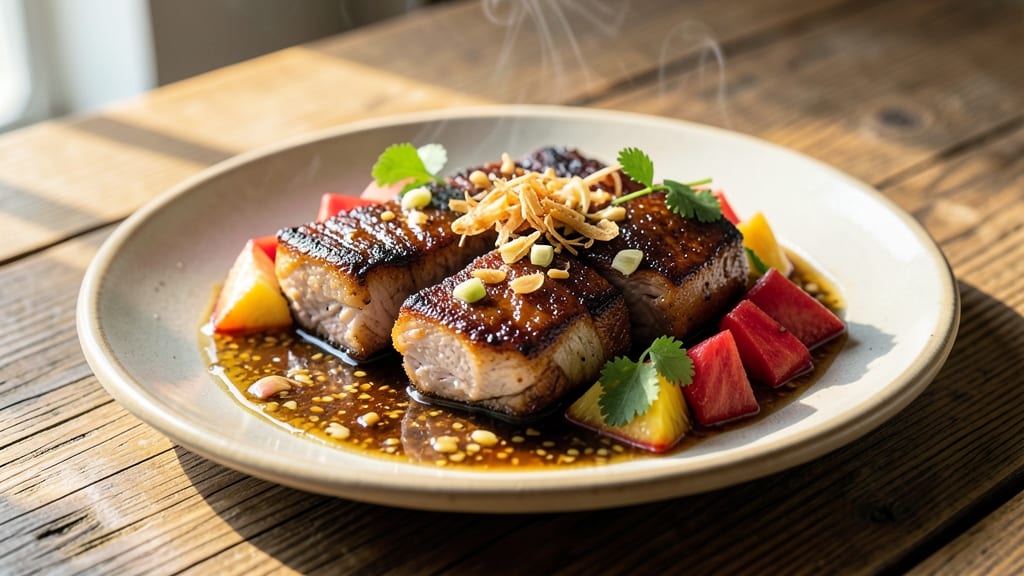
This Filipino pork pineapple recipe delivers the perfect balance of sweet, tangy, and savory flavors that define classic Filipino comfort food. 🌟 The secret lies in marinating tender pork in a mix of soy sauce, vinegar, and pineapple juice—creating a dish where the caramelized edges and tender meat pair beautifully with the natural sweetness of fresh pineapple chunks.
What makes this recipe truly special is how the acidity from the vinegar tenderizes the pork while the pineapple adds a bright, juicy contrast that keeps every bite exciting.
The process is straightforward but packed with flavor: the pork is marinated overnight for maximum tenderness, then simmered until fork-tender in a rich, slightly sticky sauce.
The pineapple isn’t just an afterthought—it’s cooked just enough to soften slightly while retaining its signature crunch, ensuring every bite delivers that satisfying mix of textures. This dish is a staple in Filipino households, often served with steamed rice to soak up every last drop of that irresistible sauce.
What you’ll end up with is a dish that’s hearty enough for a family dinner but simple enough for a weeknight meal.
The aroma of soy sauce and vinegar simmering with garlic and ginger will fill your kitchen, while the final dish delivers a harmonious blend of sweet, tangy, and umami flavors. The pork stays juicy and tender, and the pineapple adds a refreshing crunch that cuts through the richness.
This is the kind of recipe that feels like a hug in food form—comforting, familiar, and impossible to resist.
Serve it with steamed jasmine rice, a side of atchara (Filipino pickled papaya), or garlic fried rice to round out the meal. The leftovers reheat beautifully, making this a perfect make-ahead dish for busy weeks. Let’s get cooking!
Ingredients for pork pineapple recipe filipino
Sweet, tangy, and packed with umami—this Filipino pork pineapple recipe needs just 13 simple ingredients.
| Ingredient | Amount | Notes |
|---|---|---|
| Boneless Pork Shoulder 🥩 | 1 ½ lb | Cut into 1-inch cubes |
| Fresh Pineapple Chunks 🍍 | 1 cup | With juice reserved |
| Soy Sauce 🥄 | ½ cup | High-quality, preferably Filipino brand |
| Cane Vinegar 🍶 | ¼ cup | White vinegar works in a pinch |
| Garlic Cloves 🧄 | 6 cloves | Minced for aromatic depth |
| Fresh Ginger 🌿 | 2 tbsp | Grated, for zesty kick |
| Brown Sugar 🍚 | ¼ cup | Packed, for caramelized sweetness |
| Olive Oil 🫒 | 2 tbsp | For searing pork |
| Green Onions 🧅 | 4 whole | Sliced, for garnish |
| Salt 🧂 | 1 tsp | Kosher or sea salt |
| Black Pepper 🌶️ | ½ tsp | Freshly ground preferred |
| Tomato Paste 🍅 | 1 tbsp | For umami depth |
| Water 💧 | ½ cup | For simmering sauce |
The pork shoulder is the star here, so look for well-marbled cuts—the fat renders down beautifully for a rich sauce. Filipino brands like Silver Swan or Datu Puti soy sauce elevate the flavor, but any high-quality soy sauce works. Fresh pineapple is non-negotiable; canned chunks lose that essential juiciness. For the ginger, buy it fresh—dried lacks the bright punch. If you're short on time, Costco or Asian markets often have pre-cut pork shoulder, saving you chopping work. The brown sugar should be packed—don't scoop it loosely, or you'll end up with a less caramelized sauce.
No cane vinegar? White vinegar or apple cider vinegar will work, though the flavor will be slightly different. Short on pineapple juice? Orange juice or even apple juice can substitute, but the acidity won't be quite the same. The tomato paste can be skipped if you're avoiding it, but it adds a subtle depth that's hard to replicate. For the garlic, mincing it finely ensures it melts into the sauce rather than staying chunky. If you're using pre-minced garlic from a jar, drain and rinse it first—it's often watered down. The green onions are purely for garnish, so any fresh onion will do if you're out.
This dish tastes even better the next day as the flavors meld. Store leftovers in an airtight container in the fridge for up to 4 days, or freeze for 3 months. The sauce thickens as it cools, so add a splash of water or pineapple juice when reheating if it's too stiff. I always make a double batch—it reheats beautifully for quick lunches. For serving, keep the pineapple chunks slightly undercooked; they should have a gentle crunch, not be mushy.
Why You'll Love This Recipe
- One-Pan Magic: I swear by this recipe—just toss the pork, pineapple, and those few pantry staples into one skillet. No chopping boards, no extra pots, just stir and let it do its thing while I "supervise" (read: scroll through my phone).
- Sweet-Savory Balance: That caramelized pork with the bright, tangy pineapple? It’s the kind of combo that makes you pause mid-bite. The cane vinegar cuts through the richness while the soy sauce and garlic deepen every flavor—like a flavor explosion in your mouth.
- Weeknight Workhorse: Between us, this is my go-to when I need something fast but still feels special. Double the batch on Sunday, and you’ve got lunch for tomorrow or a last-minute potluck dish. (Yes, even on a Tuesday night.)
- Budget-Friendly Luxury: Pork shoulder is cheap, pineapple’s affordable when you buy it fresh, and the rest? Basic spices. Yet it tastes like I slaved over it for hours. Honestly, my wallet and taste buds both win here.
Step-by-step instructions for pork pineapple Filipino recipe
Here's how to create a perfectly balanced sweet-tangy dish with tender pork and caramelized pineapple.
🍳 Step 1: Sear the Pork Shoulder for Maximum Flavor
Heat a large Dutch oven over medium-high heat and add the 2 tablespoons olive oil. Once shimmering, add the 1.5 lb boneless pork shoulder cut into 1-inch cubes in a single layer. Let them sear undisturbed for 3-4 minutes until golden brown on one side.
This initial searing creates a flavorful crust that forms the foundation of your dish. I press down gently on the pork cubes during the first minute to prevent them from curling and ensure even contact with the pan. Once browned on one side, turn the cubes and repeat on the second side. Remove the pork and set aside in a bowl.
👨🍳 Step 2: Build the Sweet-Tangy Sauce Base
In the same Dutch oven, reduce heat to medium and add the 6 cloves minced garlic cloves and 2 tablespoons grated fresh ginger. Cook for 30 seconds until fragrant—you'll smell that aromatic depth developing. Add the 1 tablespoon tomato paste and stir for 1 minute until it darkens slightly.
This aromatic step is where the umami magic happens. The tomato paste will deepen the sauce's complexity. Next, pour in the 0.5 cup soy sauce and 0.25 cup cane vinegar. Let this mixture simmer for 2 minutes until slightly reduced. The vinegar will mellow out as it cooks, leaving just the right tangy brightness.
🥘 Step 3: Combine and Simmer the Pork
Return the seared pork to the Dutch oven along with any accumulated juices. Add the 1 cup fresh pineapple chunks (reserve any juice that comes with them) and the 0.25 cup packed brown sugar. Pour in the 0.5 cup water and bring everything to a gentle simmer over medium-low heat.
Here's where the magic happens: cover the pot and let it simmer for 45-50 minutes until the pork is fork-tender. You'll know it's ready when a knife slides in easily and the juices run clear. The pineapple should be caramelized with a slight gloss, and the sauce will have thickened to a syrupy consistency. Stir occasionally to prevent sticking.
🔪 Step 4: Finish with Seasoning and Garnish
Remove the lid and increase heat to medium-high to reduce the sauce slightly for 3-4 minutes. Season with the 1 teaspoon salt and 0.5 teaspoon black pepper, stirring well to combine. Taste and adjust—you want a perfect balance of sweet, tangy, and savory.
Just before serving, garnish each portion with sliced green onions. The bright green color contrasts beautifully with the caramelized pork and pineapple. Serve immediately over steamed rice to soak up that delicious sauce. The dish should have tender pork that falls apart easily, sweet caramelized pineapple, and a glossy sauce that clings to every bite.
Pro Tips For Making Pork Pineapple Recipe Filipino
- CUT PORK INTO EVEN STRIPS: I learned this the hard way—uneven cuts mean some pork cooks faster than others, leaving you with dry chunks in the middle. Aim for 1-inch-wide strips, all the same thickness, so they render and caramelize together.
- USE FROZEN PINEAPPLE FOR CRISP: Sounds weird, but it works: Toss your pineapple chunks in ice water for 10 minutes before cooking. The cold shock tightens the fibers, so they stay crisp instead of turning mushy when simmered in the sauce.
- SIMMER LOW AND SLOW: High heat ruins this dish. Once the pork hits the pan, reduce to medium-low and let it cook gently—about 12-15 minutes. Rushing it turns the sauce into a glaze and leaves the pork tough.
- ADD GARLIC LAST: Crush the garlic cloves after the pork’s already browned and the sauce is simmering. This keeps it fragrant and prevents it from burning before the rest of the dish is ready. (Yes, even if you’re impatient like me.)
Essential equipment for great pork pineapple recipe filipino
Dutch Oven Essentials
This recipe absolutely thrives in a heavy-duty Dutch oven—I swear by my Le Creuset 5.5-quart for its even heat distribution and durable construction. The deep sides prevent splattering when searing pork, while the tight lid traps steam for perfect simmering.
If you don't own one, a stainless steel Dutch oven like All-Clad's works beautifully too. 🔥
Searing Tools
For that perfect golden crust, use long-handled tongs (I recommend OXO Good Grips) to flip pork cubes without losing precious sauce. A meat thermometer is non-negotiable—aim for 145°F internal temp before serving. My go-to is the Thermoworks Smoke, which stays accurate through the entire cooking process.
Knife & Cutting Board
Invest in a sharp 8-inch chef's knife (like Wüsthof's Classic) for chopping pork into 1-inch cubes efficiently. A cutting board with non-slip feet (I love John Boos Walnut) prevents accidents when handling the juicy pork. For pineapple, use a serrated knife to avoid crushing the chunks.
Measuring Tools
Precision matters with this recipe's balance of flavors. Use a stainless steel measuring cup for liquids (soy sauce, vinegar) and a digital kitchen scale for brown sugar to ensure accurate 0.25 cup packed measurements. My OXO Good Grips set handles both perfectly.
Marinating Container
Marinate overnight in a glass or ceramic dish (like Pyrex) with a tight lid to prevent flavor absorption. I like to use a rectangular baking dish that fits my pork cubes snugly. Avoid plastic—it can react with acidic ingredients like vinegar over time.
Nutrition facts
Frequently asked questions
Can I substitute pineapple juice for fresh pineapple chunks?
You can use pineapple juice, but fresh chunks add that essential texture and natural sweetness that make this dish special. If substituting, use 1 cup pineapple juice plus 2 tablespoons sugar to mimic the caramelization. For best results, add 1/2 cup fresh pineapple chunks at the end of cooking to maintain their crunch.
How do I keep the pork from becoming too dry?
Simmering covered on low heat is key—it keeps the pork moist while rendering fat for flavor. Avoid high heat after searing, and never skip the water (0.5 cup) as it steams the pork. If your kitchen runs hot, reduce heat to medium-low and check the pork at 40 minutes.
What's the best way to store leftovers?
Store in an airtight container for up to 4 days in the fridge. The sauce thickens as it cools, so add 1-2 tablespoons water or pineapple juice when reheating. For freezing, portion into meal-sized containers for 3 months. Thaw overnight in the fridge before reheating gently on the stove.
Can I make this recipe without soy sauce?
Soy sauce provides the umami foundation, but you can substitute with 0.25 cup coconut aminos (for gluten-free) or 0.5 cup fish sauce (for deeper savory notes). Reduce the vinegar slightly (0.2 cup) to balance the saltiness. The dish will taste different but still delicious—just less authentically Filipino.
Why does my sauce turn too thick?
This happens when simmering uncovered too long or with too much sugar. The fix: add 1-2 tablespoons water or pineapple juice while reheating. For future batches, cover the pot during simmering and reduce heat to medium-low. The sauce should coat the back of a spoon but remain pourable.