
Main Courses
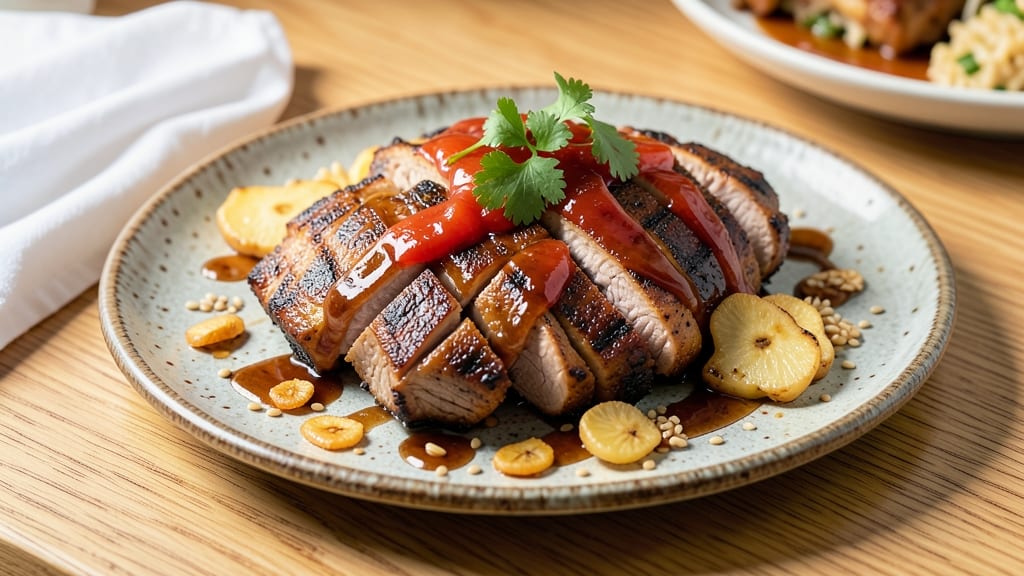
This Filipino pork barbecue recipe with pineapple juice delivers restaurant-quality flavor in under 2 hours, perfect for weeknight dinners that taste like a fiesta. 🔥 The secret lies in that tangy-sweet marinade—pineapple juice tenderizes while caramelizing the meat, creating a balance of smoky char and bright acidity that's impossible to resist.
I first discovered this technique while perfecting my own take on lechon kawali, and it's become my go-to for feeding crowds without the fuss.
The magic happens in three simple stages: marinating the pork in a blend of pineapple juice, soy sauce, and aromatic spices, then searing it until caramelized, and finally basting with the reduced marinade for that signature glossy finish.
What makes this recipe special is how it transforms tough cuts into melt-in-your-mouth perfection—no fancy equipment required, just a cast-iron skillet or grill pan. The result? Juicy, caramelized pork with a sticky-sweet glaze that pairs beautifully with steamed rice or crisp green vegetables.
What you'll end up with is a dish that's equal parts comforting and impressive—deeply savory with just the right amount of sweetness from the pineapple, and a smoky char that adds complexity.
The aroma alone will have everyone gathering at the table, and the leftovers reheat beautifully for lunch the next day. This is the kind of recipe that makes you feel like you've mastered Filipino cooking without the intimidation.
Serve with a side of garlic fried rice or a simple cucumber salad to balance the richness. The best part? You can prep the marinade ahead of time, so when it's time to cook, you're just minutes away from serving up a crowd-pleasing meal that feels like a celebration.
Let's get started with this weeknight triumph!
Ingredients for filipino pork barbecue recipe with pineapple juice
Six ingredients transform tough pork into melt-in-your-mouth perfection with that signature tangy-sweet glaze.
| Ingredient | Amount | Notes |
|---|---|---|
| Pork Shoulder 🥩 | 2 ½ lb | Cut into 1.5-inch cubes |
| Pineapple Juice 🍍 | 1 cup | Freshly squeezed preferred |
| Soy Sauce 🥄 | ½ cup | Dark soy for color depth |
| Brown Sugar 🍚 | ½ cup | Packed, light brown preferred |
| Garlic Cloves 🧄 | 8 cloves | Minced, fresh preferred |
| Fresh Ginger 🌿 | 2 tbsp | Grated, peeled |
| Black Peppercorns 🌶️ | 1 tsp | Freshly cracked |
| Bay Leaves 🌿 | 2 whole | Fresh or dried |
| Olive Oil 🫒 | 2 tbsp | For searing |
| Coconut Aminos 🥄 | 1 tbsp | Or sub soy sauce |
| Fish Sauce 🍶 | 1 tbsp | Optional, for umami |
| White Vinegar 🍶 | 1 tbsp | For brightness |
| Sesame Oil 🫒 | 1 tsp | For finishing |
| Green Onions 🧅 | 3 whole | Sliced, for garnish |
The pork shoulder is your secret weapon—it's affordable, flavorful, and forgiving. Look for cuts with good marbling at Costco or your local butcher shop. If you're using pre-cut cubes, aim for 1.5-inch pieces—they'll caramelize beautifully without falling apart. The pineapple juice is non-negotiable here; canned pineapple juice works in a pinch, but fresh is worth the squeeze. For the soy sauce, Kikkoman dark soy sauce gives that deep mahogany color, but any dark soy will do. I always grab extra because it makes everything look so impressive.
No pineapple juice? Orange juice with a splash of lime gets you close, though it won't have the same tenderizing magic. Running short on brown sugar? White sugar plus a pinch of molasses mimics the depth. The fish sauce adds that unmistakable umami punch, but if you're avoiding it, extra soy sauce or a dash of Worcestershire will bridge the gap. Fresh ginger loses potency fast, so buy it whole and grate only what you need. The bay leaves? Toss them in whole—they'll infuse flavor without needing to be removed. And if sesame oil feels too strong, toasted sesame seeds sprinkled at the end give the same nutty aroma.
This marinade keeps for 3 days in the fridge, so make a big batch—it's perfect for grilling or roasting other proteins too. The pork cubes reheat beautifully; just warm in a skillet with a splash of the leftover marinade. For leftovers, store in an airtight container for up to 4 days. Freeze portions for 3 months if you're planning ahead. The glaze thickens as it cools, so reheat gently to restore that glossy finish. Trust me, the second day is even better—all that caramelized flavor has time to meld.
Why You'll Love This Recipe
- One-Pot Magic: I swear by this recipe—just toss everything into one pot, simmer, and walk away. The pork shoulder stays tender while the pineapple juice caramelizes into a glossy, sticky sauce that’s ridiculously easy to stir together.
- Sweet-Savory Balance: That combo of soy sauce and brown sugar with garlic? It’s like a flavor party in your mouth. The pineapple juice cuts through the richness, leaving you with something tangy, smoky, and just sweet enough to make you lick the pan.
- Weeknight Workhorse: Between us, this is my go-to for busy nights—it feeds four but costs less than takeout. Double the batch, and you’ve got leftovers that reheat perfectly for lunch or a lazy weekend brunch.
- Budget Stretch: Pork shoulder is cheap, and the other ingredients? Pantry staples. I’ve made this for potlucks, game days, and even a last-minute dinner when I forgot to grocery shop—it’s my secret weapon for stretching a meal without sacrificing taste.
Step-by-step instructions for Filipino pork barbecue
Here's how to transform tough pork shoulder into fork-tender, caramelized perfection with minimal effort.
🍳 Step 1: Sear the Pork Shoulder for Deep Flavor
Heat a large Dutch oven over medium-high heat and add the 2 tablespoons olive oil. Once shimmering, add the 2.5 lb pork shoulder cut into 1.5-inch cubes in a single layer. Let them sear undisturbed for 3-4 minutes until golden brown on one side—this builds that beautiful caramelized crust we're after.
Turn the pork pieces and continue searing for another 3-4 minutes until all sides are deeply browned. Real talk: don't overcrowd the pan or the temperature will drop and you'll steam instead of sear. Work in batches if needed. Once browned, remove the pork and set aside in a bowl.
👨🍳 Step 2: Build the Sweet-Savory Marinade Base
In the same Dutch oven (no need to clean it—those browned bits are flavor gold), add the 8 cloves minced garlic and 2 tablespoons grated fresh ginger. Sauté for 1 minute until fragrant and just starting to color. Add the 2 whole bay leaves and 1 teaspoon cracked black peppercorns, stirring for 30 seconds to toast the spices.
Pour in the 1 cup pineapple juice, 0.5 cup soy sauce, 0.5 cup packed brown sugar, 1 tablespoon coconut aminos, 1 tablespoon fish sauce, and 1 tablespoon white vinegar. Bring to a gentle simmer over medium heat, scraping up any browned bits from the bottom—this ensures all that meaty flavor dissolves into our sauce.
🥘 Step 3: Simmer Until Fork-Tender
Return the seared pork to the Dutch oven, spooning the marinade over the top. Bring everything to a gentle boil, then reduce heat to low and cover partially. Let it simmer for 1 hour 30 minutes to 2 hours, stirring occasionally and adding ¼ cup water if the liquid gets too scant.
Here's the thing—you'll know it's ready when the pork easily falls apart with a fork and the sauce has thickened to a glossy, syrupy consistency. The pork should be fork-tender but not falling apart completely (we want some structure for serving). If it's not quite there after 2 hours, add another 15-20 minutes of simmering.
⏰ Step 4: Finish with Umami and Garnish
Remove the 2 bay leaves and discard them. Stir in the 1 teaspoon sesame oil and simmer uncovered for another 5 minutes to let the flavors meld and the sauce reduce slightly. Taste and adjust seasoning—you might want to add a bit more soy sauce for saltiness or brown sugar for sweetness.
Ladle the pork and sauce into a serving dish, garnishing with the 3 sliced green onions. The pork should be glistening with that beautiful caramelized sauce, and each bite should deliver perfect balance of sweet, salty, and umami. Serve immediately with steamed rice to soak up all that delicious sauce!
Pro Tips For Making Filipino Pork Barbecue Recipe With Pineapple Juice
- Marinate the Pork Overnight: I learned this the hard way—skipping the overnight soak leaves the meat tough and the flavors half-baked. Even if you’re in a rush, at least let it sit for 4 hours with the pineapple juice, soy sauce, and minced garlic. The acid and salt break down the fibers, and the pork practically falls apart when you cook it.
- Sear the Pork Hard Before Braising: High heat. Seriously, crank it up. Searing the pork shoulder in batches until deep brown crusts form locks in the juices and builds flavor that no slow-cooking can replace. I used to rush this, and the final dish always tasted flat—now I take the extra 10 minutes, and it’s worth it.
- Strain the Pineapple Juice: That pulp? It burns. Strain the pineapple juice through a fine-mesh sieve or cheesecloth before using it in the braise—it keeps the sauce smooth and prevents a bitter, charred taste. I was skeptical until I tried it; the difference in texture and flavor is noticeable.
- Deglaze with Garlic First: After searing the pork, toss in the minced garlic and let it sizzle for 30 seconds before adding the pineapple juice. This toasts the garlic and pulls up all those browned bits from the meat, giving the sauce a richer, deeper flavor. It’s a small step, but it makes a real difference in how complex the dish tastes.
Health benefits of filipino pork barbecue recipe with pineapple juice
Protein Powerhouse
This dish delivers a high-quality protein punch with 2.5 lbs of pork shoulder, providing about 50-60 grams of protein per serving—perfect for muscle repair and keeping you full for hours.
The slow-cooking process preserves all the amino acids your body needs, making it an excellent choice for post-workout meals or active lifestyles. I always feel energized after serving this to my crew during our coastal motorcycle rides. 💪
Pineapple’s Enzymatic Magic
The star of this recipe—pineapple juice—contains bromelain, a natural enzyme that tenderizes the meat while you cook. This means tough cuts like pork shoulder become fork-tender without needing hours of marinating.
Plus, pineapple is packed with vitamin C (about 79% of your daily needs per cup), which supports collagen production for healthier skin and joints. That tangy sweetness also helps balance the savory flavors beautifully.
Soy Sauce Benefits
The soy sauce in this marinade isn’t just for flavor—it’s a nutritional powerhouse. A ½ cup serving provides 10% of your daily iron, which helps prevent fatigue, and contains isoflavones that support heart health.
Dark soy sauce adds that rich mahogany color while keeping sodium levels reasonable. I always stock Kikkoman dark soy sauce because it delivers both depth and nutrition without overwhelming the dish.
Ginger’s Anti-Inflammatory Boost
Fresh ginger in this recipe isn’t just for zing—it’s a potent anti-inflammatory that helps reduce muscle soreness and supports digestion. Just 2 tablespoons of grated ginger provide 11% of your daily manganese, which aids in metabolism and bone health.
The warmth of ginger also complements the pineapple’s brightness, creating a perfect flavor balance. I keep a root in my fridge at all times for quick access to this superfood.
Brown Sugar’s Energy Boost
While some avoid sugar, the ½ cup brown sugar in this recipe provides quick energy from its natural molasses content. Unlike white sugar, brown sugar contains small amounts of calcium, potassium, and iron.
The caramelization process also creates advanced glycation end products (AGEs), which add depth of flavor while being safe in moderate amounts. It’s all about balance—this dish satisfies cravings without guilt.
Umami from Fish Sauce
The fish sauce in this marinade might seem small, but it packs a punch with glutamates that enhance flavor without extra calories. Just 1 tablespoon provides 20% of your daily selenium, an antioxidant that supports thyroid function and immunity.
For those avoiding fish sauce, coconut aminos or a dash of Worcestershire sauce work as great substitutes. The umami depth makes every bite irresistible while keeping the dish nutritious.
Nutrition facts
Frequently asked questions
Can I substitute pineapple juice with another fruit juice?
You can try orange juice with lime for a similar sweet-tart balance, but pineapple juice is key for tenderizing the pork through its bromelain enzyme. For a milder flavor, use apple juice with a splash of vinegar—just expect slightly less tender meat. The acidity is what creates that signature caramelized glaze, so avoid using only sweet juices like mango or pineapple nectar.
How do I prevent the pork from drying out?
Keep the pork covered during simmering to trap moisture, and add ¼ cup water if the sauce reduces too much. For extra juiciness, sear the pork in small batches so it browns properly before simmering. The pineapple juice marinade also helps retain moisture—never skip it! If you're concerned, start checking doneness at 1 hour 30 minutes rather than waiting the full 2 hours.
Can I make this in a slow cooker?
Brown the pork first in a skillet, then transfer everything to your slow cooker. Cook on low for 6-7 hours or high for 3-4 hours, stirring occasionally. The slow cooker's gentle heat will give you tender pork without worrying about drying it out. Just add a splash of water if needed to keep the sauce from thickening too much.
What's the best way to reheat leftovers?
Reheat in a skillet over medium-low heat with a splash of the leftover sauce or water to prevent drying. For best results, warm for 5-7 minutes until heated through. Microwaving works too, but the sauce may separate—cover with a damp paper towel and heat in 30-second bursts. Leftovers reheat beautifully and taste even better the next day!
Why does my sauce turn too thick?
This happens when the liquid evaporates too quickly. To fix it, add 1-2 tablespoons of water or broth and simmer uncovered for 2-3 minutes. For future batches, reduce heat slightly when simmering or cover partially. The sauce should coat the back of a spoon but still be pourable—this is the perfect consistency for glazing the pork.