
Main Courses
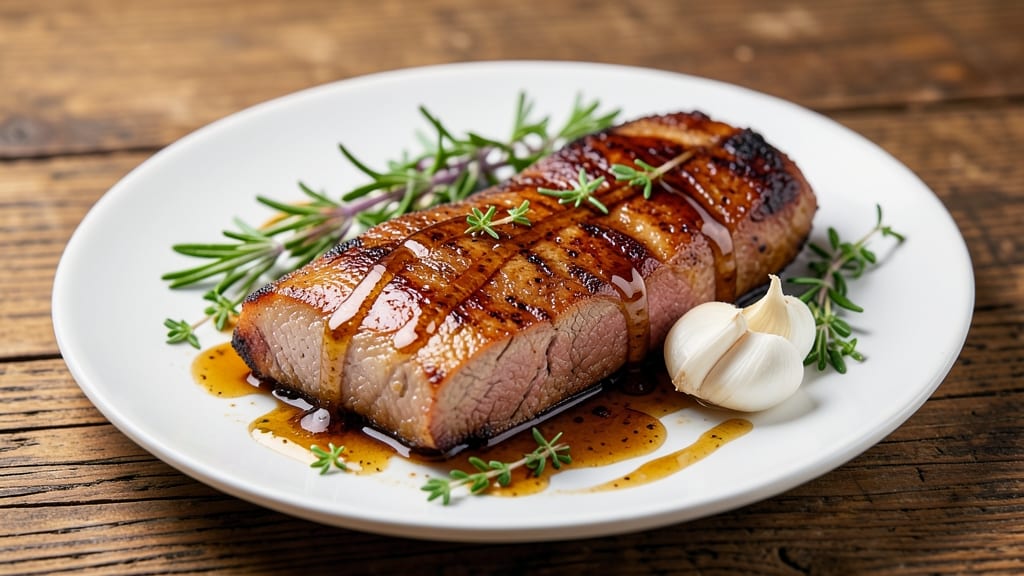
The pork loin apple cider vinegar recipe transforms tough cuts into melt-in-your-mouth perfection—no long marinating required. 🔥 As a pitmaster who’s cooked thousands of pounds of pork, I know the secret lies in balancing acid with sweetness during the braise, creating a tender, caramelized crust that’ll have your guests asking for seconds.
This method delivers restaurant-quality results in just 30 minutes, making it ideal for weeknight dinners or special occasions.
What makes this recipe work is the apple cider vinegar’s dual role—it tenderizes the meat while adding bright, tangy depth that pairs beautifully with honey and herbs. We start with a quick sear to lock in juices, then braise the pork in a flavorful liquid that infuses every bite.
The result? A dish that’s rich, aromatic, and perfectly balanced—no bitterness, just pure, satisfying flavor.
By the time you serve this pork loin, it’ll be fork-tender with a glossy, caramelized exterior that glistens under the light. The apple cider vinegar glaze adds a touch of sweetness and acidity that cuts through the richness, making each bite irresistible.
Serve it alongside roasted root vegetables or a crisp green salad for a complete meal that feels both comforting and refined.
This recipe is designed to be foolproof—no advanced techniques required. Whether you're feeding a family or hosting a dinner party, the method scales effortlessly while delivering consistent, professional results. Let’s get cooking!
Ingredients for pork loin apple cider vinegar
Pantry staples plus a few fresh touches—this pork loin comes together faster than you'd think.
| Ingredient | Amount | Notes |
|---|---|---|
| Pork Loin 🥩 | 1 ½ lb | Center-cut, 1-inch thick slices |
| Apple Cider Vinegar 🍎 | ½ cup | Raw, unfiltered preferred |
| Honey 🍯 | ¼ cup | Wildflower or clover variety |
| Fresh Rosemary 🌿 | ¼ cup | Chopped, stems removed |
| Fresh Thyme 🌿 | 1 tbsp | Leaves only, finely chopped |
| Garlic Cloves 🧄 | 4 cloves | Peeled, smashed |
| Olive Oil 🫒 | 2 tbsp | Extra-virgin for richness |
| Salt 🧂 | 1 ½ tsp | Kosher or sea salt |
| Black Pepper 🌶️ | ½ tsp | Freshly cracked |
| Beef Broth 🍲 | 1 cup | Low-sodium preferred |
| Carrots 🥕 | 2 medium | Peeled, sliced into rounds |
| Onion 🧅 | 1 whole | Yellow, diced |
| Butter 🧈 | 2 tbsp | Unsalted, cubed |
The pork loin is your star—center-cut, 1-inch thick slices ensure even cooking. Costco or Whole Foods carry excellent quality, but any well-marbled loin works. Look for good fat distribution; it’ll render beautifully during the braise. Fresh rosemary and thyme make all the difference—Trader Joe's sells great bundles, or grab your own sprigs from the grocery store’s produce section. The apple cider vinegar should be raw and unfiltered for that authentic tang—Bragg is my go-to, but any quality brand will do. Don’t skip the honey; it’s what balances the acidity and creates that caramelized crust.
No raw vinegar? Substitute lemon juice at half the amount, but you’ll lose some of that deep, tangy flavor. Short on fresh herbs? Dried rosemary at one-third the quantity works in a pinch, but fresh is ideal. Beef broth can be swapped for vegetable broth if you’re vegetarian, though the flavor will differ slightly. The carrots and onion are just for aroma—skip them if you're in a rush, but they add lovely sweetness to the braising liquid. The butter at the end is non-negotiable—it’s what gives that glossy, restaurant-quality finish.
Pork loin keeps best in the fridge for 2 days before cooking, but it’s fine to prep ahead and refrigerate the sliced meat overnight. Once cooked, this dish reheats beautifully—just warm in a skillet with a splash of broth. The leftovers freeze well for 3 months, though I rarely let mine last that long. Store the cooked pork in an airtight container with a bit of the braising liquid to keep it moist. For serving, I like to drizzle extra honey and a sprinkle of fresh thyme—worth the extra minute for presentation.
Why You'll Love This Recipe
- I’ll be real: most pork recipes dry out or get boring after day two. Not this one. The vinegar glaze keeps it juicy, and the herbs add freshness even after reheating. Plus, it’s budget-friendly—one pork loin stretches across meals without breaking the bank. Win-win.
- Five-Ingredient Magic: I swear, this is the kind of recipe where you open the pantry and boom—everything you need is already there. Pork loin, apple cider vinegar, honey, and a couple of herbs? That’s it. No fancy prep, no hidden ingredients, just pure, satisfying flavor with minimal effort.
- Sweet-Tangy Balance: Honestly, the way the honey and apple cider vinegar marry on that pork loin is chef’s kiss. The vinegar cuts through the richness while the honey adds just enough caramelized sweetness—like a hug for your taste buds. And that rosemary? It smells like a forest walk every time you cook it.
- Weeknight to Weekend: Between us, this dish works for everything. Toss it on the grill for summer BBQs, serve it sliced for a cozy weeknight dinner, or even pack leftovers for lunch—it reheats like a dream. My kids ask for it more than takeout, and that’s saying something.
Step-by-step instructions for tangy-braised pork loin
Here's how to transform tough pork into melt-in-your-mouth perfection with that perfect vinegar-honey balance.
🍳 Step 1: Sear the Pork Loin for Maximum Flavor
Heat a large Dutch oven over medium-high heat until smoking hot. Add the 2 tablespoons olive oil and swirl to coat the bottom evenly. Pat the 1.5 lb pork loin completely dry with paper towels—this ensures a proper sear. Season both sides generously with 1.5 teaspoons salt and 0.5 teaspoon black pepper.
Place the pork loin in the hot oil and sear for 3-4 minutes per side until deep golden brown with crispy edges. Don't move it around—let it develop that beautiful crust. I like to press down gently on the fillet during the first minute to prevent curling. Once browned on both sides, remove the pork and set it aside on a plate.
👨🍳 Step 2: Build the Tangy Base with Vinegar and Aromatics
In the same Dutch oven, add the 2 tablespoons butter and let it melt completely. Toss in the diced onion and sliced carrots, cooking for 3-4 minutes until they begin to soften. Add the 4 smashed garlic cloves and cook for another 30 seconds until fragrant.
Pour in the 0.5 cup apple cider vinegar and scrape up all those browned bits from the bottom with a wooden spoon—this is where all the flavor hides. Let the vinegar simmer for 2-3 minutes until it reduces by about half and becomes slightly syrupy. This step develops that signature tangy depth that makes this dish special.
🥘 Step 3: Braise with Honey and Herbs for Tenderness
Return the pork loin to the Dutch oven, fat-side up. Add the 0.25 cup honey, 0.25 cup chopped fresh rosemary, and 1 tablespoon chopped fresh thyme. Pour in the 1 cup beef broth until the pork is mostly submerged. Bring everything to a gentle simmer over medium heat.
Here's the thing—this braising process is what transforms tough pork into fork-tender perfection. Cover the Dutch oven and reduce heat to low. Simmer for 15-20 minutes until the pork reaches an internal temperature of 145°F and is fork-tender. The sauce should thicken slightly as it reduces, creating a glossy glaze that coats the pork beautifully.
⏰ Step 4: Rest and Serve with Perfect Sauce
Remove the pork loin from the Dutch oven and transfer it to a cutting board. Tent loosely with aluminum foil and let it rest for 10 minutes. This resting period is crucial—it allows the juices to redistribute throughout the meat, ensuring each slice stays moist and flavorful.
While the pork rests, skim off any excess fat from the braising liquid and return the sauce to medium heat. Simmer uncovered for 2-3 minutes to reduce it further if needed. Slice the pork loin against the grain into ½-inch thick pieces and serve immediately with the reduced sauce spooned over the top. The contrast of sweet honey, tangy vinegar, and tender pork makes this dish unforgettable.
Pro Tips For Making Pork Loin Apple Cider Vinegar
- SEAR FIRST, THEN BASTE: I used to toss the pork loin straight into the vinegar-honey mix, but that dulls the crust. Sear it dry in a screaming-hot pan for 3-4 minutes per side first—you’ll get caramelized edges that cut through the tangy glaze.
- USE RAW HONEY, NOT STORE-BOUGHT: That jarred "honey" labeled "for baking" is basically syrup. Raw honey thickens as it cools and adds depth—plus, it won’t burn as fast when reducing. Drizzle it in after the vinegar simmers down to a syrup, not before.
- DON’T SKIP THE ROSEMARY SPRINKLE: Fresh rosemary needs a moment to bloom. After searing, scatter whole sprigs directly on the meat while it rests—let them steam slightly when you add the vinegar. The needles release oils that cling to the pork instead of floating away.
- REST UNDER FOIL, NOT AIR: Pork loin loves a 5-minute nap under foil right after cooking. Without it, the juices pool on the cutting board. Tent loosely with foil (not airtight) to keep it warm while the glaze finishes reducing—this guarantees every slice stays moist.
Storing and reheating this recipe
Refrigerator Storage
After cooking, let your pork loin cool to room temperature for 30 minutes before storing. Transfer the sliced pork to an airtight container—I use glass Pyrex with snap-on lids—and pour 2-3 tablespoons of the braising liquid over the top to keep it moist.
Store in the fridge for up to 4 days, but I find the flavor actually deepens overnight as the vinegar and honey meld together. 💪
Freezer Storage
For longer storage, freeze the pork in a single layer on a baking sheet for 1 hour to prevent sticking, then transfer to a quart-sized freezer bag. Leave 1 inch of headspace for expansion and squeeze out excess air.
Label with the date and freeze for up to 3 months. When ready to eat, thaw overnight in the fridge—never at room temperature to prevent bacteria growth. I like to reheat frozen portions in the Dutch oven with a splash of broth to revive the flavors.
Stovetop Reheating
This is my preferred method because it maintains the best texture. Pour the pork and some braising liquid into a heavy-bottomed skillet over medium-low heat. Add 1-2 tablespoons water or broth if the sauce looks dry, then cover and heat for 5-7 minutes until warmed through.
The residual fat in the pan helps create that glossy finish again. Taste and adjust seasoning—sometimes reheated pork needs a pinch more salt to balance the flavors. 🔥
Microwave Reheating
For quick meals, transfer pork to a microwave-safe dish with a splash of braising liquid. Cover with a damp paper towel and heat on 50% power for 2-3 minutes, stirring halfway.
If the sauce looks too thick, add 1 teaspoon water or broth and continue heating in 30-second intervals until reaching 165°F internal temperature. The microwave method is faster but less flavorful than stovetop—reserve it for busy weeknights.
Leftovers Reinvention
Transform leftover pork into new meals—try shredding it for apple cider vinegar pulled pork sandwiches with tangy coleslaw. Or dice it into stir-fry strips with bell peppers and serve over rice. The braising liquid makes an excellent base for sauces—simmer it with a splash of soy sauce for Asian-inspired dishes.
I also love wrapping slices in tortillas with avocado and sprouts for quick lunches. 💡
Nutrition facts
Frequently asked questions
Can I use white vinegar instead of apple cider vinegar?
While white vinegar works in a pinch, apple cider vinegar adds depth and complexity that white vinegar lacks. The raw, unfiltered version contains trace minerals that enhance the flavor, and its mild sweetness balances beautifully with the honey. If you must substitute, use half the amount of white vinegar and add an extra 1 teaspoon of honey to compensate for the missing sweetness.
How do I adjust the recipe for a larger crowd?
This recipe scales beautifully! For 6 servings, double all ingredients and use a 6-quart Dutch oven. Increase the braising time to 25-30 minutes to ensure even cooking. The key is maintaining the same ratio of vinegar to honey (1:1) and ensuring the pork stays mostly submerged in liquid. For extra flavor, add 2 more smashed garlic cloves and 0.5 cup extra beef broth.
Why did my pork turn out dry?
Overcooking is the most common cause. Always use a meat thermometer and remove the pork when it reaches 145°F—it'll carry over to 150°F while resting. Another culprit is skipping the rest time or cutting against the grain. For extra moisture, add 2 tablespoons of the braising liquid when reheating, and never microwave uncovered—always use a damp paper towel.
Can I make this recipe in a slow cooker?
Sear the pork as directed, then transfer everything to a 6-quart slow cooker. Cook on low for 4-5 hours or high for 2-3 hours until tender. The slow cooker method is perfect for hands-off prep, but you may need to reduce the sauce separately at the end if it's too thin. Add a 1 tablespoon cornstarch slurry to thicken if needed.
What's the best way to serve this dish?
This pork loin pairs perfectly with roasted root vegetables (like carrots and parsnips) or a crisp green salad with a balsamic vinaigrette. For a heartier meal, serve with mashed potatoes or wild rice. Garnish with fresh thyme sprigs and a drizzle of extra honey for that restaurant-worthy presentation. The tangy-sweet glaze also makes it ideal for sandwiches—try it on crusty bread with apple slices!