
Sauces & Condiments
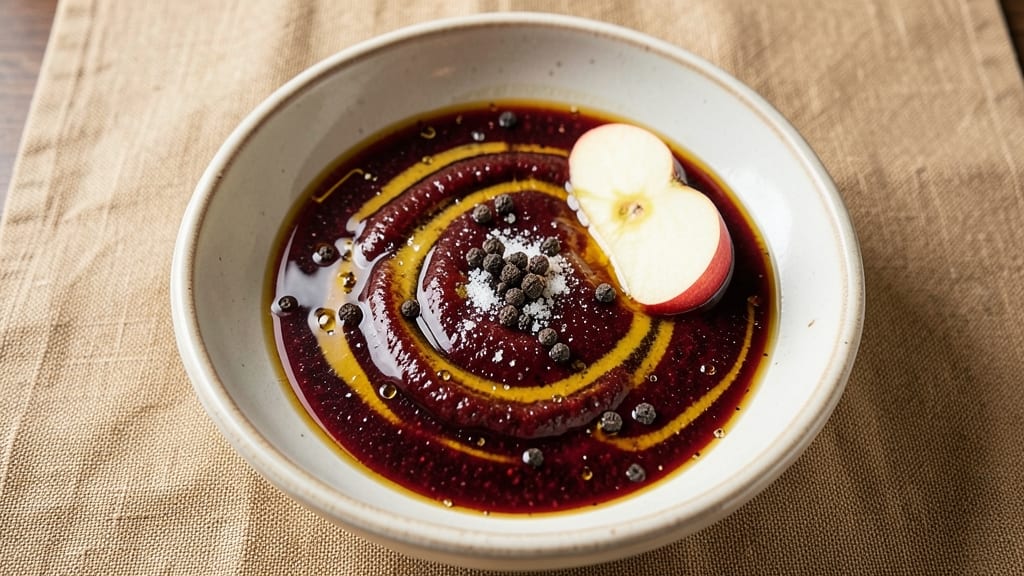
This apple balsamic vinaigrette dressing recipe transforms simple salads into vibrant, flavor-packed meals with just five ingredients. The secret lies in balancing sweet apple cider with tangy balsamic, creating a dressing that elevates everything from greens to roasted vegetables.
I developed this recipe after realizing how much brighter store-bought dressings could be with fresh, seasonal ingredients.
The beauty of this vinaigrette is its versatility—it works as a salad dressing, marinade, or even a glaze for grilled meats. The emulsification process (whisking oil into vinegar) ensures it stays smooth and clings to ingredients perfectly. No special equipment is needed, just a whisk and a jar for storage.
What makes this dressing truly special is the depth of flavor: the apple adds natural sweetness, while the balsamic provides a rich, complex tang. The result is a dressing that’s bright enough for summer salads but robust enough for hearty winter dishes.
It keeps well in the fridge for up to a week, making it a perfect make-ahead solution.
Once you try this dressing, you’ll never go back to bottled versions again. The balance of sweet and tangy flavors makes it addictive, and the simplicity of the recipe means you can whip it up in minutes.
Whether drizzled over arugula, tossed with roasted chicken, or used as a marinade, this vinaigrette is a game-changer for any meal.
Ingredients for apple balsamic vinaigrette dressing
Five ingredients, infinite versatility—this dressing transforms salads into vibrant masterpieces.
| Ingredient | Amount | Notes |
|---|---|---|
| Apple Cider Vinegar 🍎 | ½ cup | Raw, unfiltered preferred |
| Extra-Virgin Olive Oil 🫒 | ¾ cup | Light, fruity variety |
| Balsamic Vinegar 🍷 | ¼ cup | Aged 10+ years for depth |
| Granulated Sugar 🍚 | 2 tbsp | Or maple syrup for depth |
| Diamond Crystal Kosher Salt 🧂 | ½ tsp | Fine grain preferred |
| Freshly Ground Black Pepper 🌶️ | ¼ tsp | Freshly cracked for aroma |
| Fresh Thyme Leaves 🌿 | 1 tsp | Dried at one-third amount |
The apple cider vinegar is the flavor foundation—look for raw, unfiltered brands like Bragg or Organic Valley for maximum tang. Balsamic vinegar should be aged 10+ years (check labels) for that rich, caramelized depth. Extra-virgin olive oil matters too—avoid the cheap, bitter varieties; California Olive Ranch or Colavita are reliable choices. Fresh thyme adds a subtle herbal note that elevates everything, but dried works in a pinch at one-third the amount. For the sugar, organic cane sugar or maple syrup both work, though maple adds a subtle caramel undertone that pairs beautifully with the apple.
No apple cider vinegar? White wine vinegar or lemon juice (equal parts) mimics the acidity, though flavor will differ slightly. Running short on balsamic? Red wine vinegar + 1 tsp maple syrup gets close. The olive oil can be swapped for avocado oil (neutral flavor) or walnut oil (nutty depth), but texture may vary. Salt is non-negotiable—Diamond Crystal is preferred for its fine grain, but any kosher salt works. For a herb-free version, skip the thyme and add an extra pinch of black pepper or a dash of smoked paprika for complexity. This dressing emulsifies beautifully, so whisking is key—no special equipment needed beyond a whisk or fork.
Store in an airtight glass jar in the fridge for up to 1 week, though it often lasts longer. The flavors meld beautifully over time, making it perfect for meal prep. For longer storage, transfer to a sterilized jar and refrigerate for up to 3 months. Shake well before each use, as the oil will naturally separate. The dressing works equally well on summer salads, roasted winter vegetables, or as a marinade for grilled meats—its versatility is its greatest strength.
Why You'll Love This Recipe
- No-Shake Required: I swear by this one—just whisk three ingredients in a jar, let it sit, and boom. No blender, no strainer, no mess. The apple cider vinegar and balsamic marry naturally while you’re making dinner.
- Sweet-Tart Magic: That balance? Chef’s kiss. The sugar cuts through the sharpness of the vinegars while the olive oil keeps it silky—like biting into a crisp apple drizzled with caramel. Honestly, I’ve used it on everything from salads to grilled chicken, and it never disappoints.
- Weeknight Workhorse: Between us, this is my go-to for lazy nights. Toss it with roasted veggies, drizzle over takeout noodles, or even stir into yogurt for a tangy dip. The jar keeps for weeks in the fridge, so I’m never scrambling for a last-minute dressing.
- Budget Brightener: A splash of apple cider vinegar and a glug of balsamic elevate the simplest meals—no fancy ingredients needed. I’ve stretched one batch to dress four salads, and the cost? Less than a fancy bottle of store-bought. Pure win.
Step-by-step instructions for crafting apple balsamic vinaigrette
This method delivers a perfectly balanced dressing with vibrant acidity and silky texture every time.
Whisk Vinegars and Sugar to Create the Base
In a medium bowl, combine the 0.5 cup apple cider vinegar and 0.25 cup balsamic vinegar from the ingredients list. The apple cider vinegar should be raw and unfiltered for maximum tang, while the aged balsamic adds depth. Add the 2 tablespoons granulated sugar and whisk vigorously until completely dissolved—this prevents graininess in the final dressing.
Let the mixture sit for 2 minutes while you prepare the remaining ingredients. This brief pause allows the sugar to fully integrate with the vinegars, creating a smooth foundation. You'll notice the mixture becomes slightly syrupy as the sugar dissolves completely.
Gradually Incorporate Olive Oil for Emulsification
With the vinegar mixture still in the bowl, slowly drizzle in the 0.75 cup extra-virgin olive oil while whisking continuously. The key here is patience—adding the oil too quickly will prevent proper emulsification. I use a fork first to break up the oil, then switch to a whisk for smoother incorporation.
Continue whisking for 1-2 minutes until the dressing thickens noticeably. It should coat the back of a spoon and hold its shape when drizzled. If it separates, simply whisk again vigorously for 30 seconds—this dressing is remarkably forgiving and will come together with proper technique.
Season with Salt, Pepper, and Fresh Thyme
Add the 0.5 teaspoon Diamond Crystal kosher salt and 0.25 teaspoon freshly ground black pepper to the dressing. The kosher salt dissolves completely, while the freshly cracked pepper adds aromatic complexity. Gently stir in the 1 teaspoon fresh thyme leaves—this is where the dressing transforms from good to exceptional.
The fresh thyme contributes herbal brightness that complements the sweet-tart vinegar profile. Taste the dressing at this stage and adjust seasoning if needed—you might find the salt needs a pinch more or the pepper could use a slight increase. Remember, the dressing will mellow slightly after resting, so don't over-salt initially.
Rest and Adjust for Perfect Texture
Cover the bowl with plastic wrap and let the dressing rest at room temperature for 15-20 minutes. This resting period allows all the flavors to meld together and the emulsion to stabilize fully. I've found this step makes a dramatic difference in the final texture—skipping it results in a dressing that separates more quickly.
After resting, give the dressing one final taste. If it needs more acidity, add 1 teaspoon apple cider vinegar. For a richer mouthfeel, incorporate 1 tablespoon olive oil. The dressing should now have a glossy sheen, perfect balance of sweet and tang, and a silky consistency that clings beautifully to greens and vegetables.
Pro Tips For Making Apple Balsamic Vinaigrette Dressing
- Whisk in Stages: Start by mixing the vinegars (apple cider and balsamic) with sugar and salt—this dissolves the sugar faster than trying to whisk everything at once. Then slowly drizzle in the olive oil while whisking vigorously; if you pour it all in at once, you’ll end up with a separated mess that takes forever to re-emulsify.
- Use Warm Vinegar: Gently warm the apple cider vinegar in a small saucepan (just until steam rises, about 30 seconds)—this helps the sugar dissolve completely. Cold vinegar leaves grainy bits that ruin the texture, and no one wants that grit in their dressing.
- Salt Before Tasting: Add the full amount of kosher salt upfront, even if it seems excessive. The acidity of the vinegars throws off your taste buds, so you’ll under-salt if you wait. Trust the recipe—your final dressing will balance perfectly.
- Swap Sugar for Honey: If you’re in a pinch, replace the granulated sugar with 1 teaspoon of honey (same ratio). It adds depth and a subtle floral note, but skip this if you’re serving the dressing to kids—honey’s bitterness might surprise them. (I learned this after a disastrous potluck where a child turned up their nose.)
Common mistakes when making great apple balsamic vinaigrette dressing
Over-Whisking the Oil
I’ve made this mistake more times than I’d admit—aggressively whisking the olive oil into the vinegar mixture until it feels like you’re doing arm exercises. The truth? Over-whisking can break the emulsion, causing the dressing to separate almost immediately.
Instead, focus on a steady, rhythmic motion while gradually incorporating the oil. Think of it like tempering eggs: patience wins every time. 🥄
Skipping the Resting Time
Rushing to taste the dressing right after whisking is a common trap. The flavors need time to marry, and the emulsion stabilizes during those crucial 15-20 minutes of resting.
I once served a dressing that had separated by lunchtime because I skipped this step. Trust the process—your patience will be rewarded with a silky, cohesive dressing.
Using Low-Quality Vinegars
Not all vinegars are created equal, and using cheap or unaged balsamic vinegar will make your dressing taste flat and one-dimensional. Always opt for raw, unfiltered apple cider vinegar (like Bragg) and aged 10+ years balsamic vinegar (check the label!).
The depth of flavor in these ingredients is what elevates the dressing from ordinary to extraordinary. Cutting corners here is a surefire way to disappoint.
Ignoring the Emulsification Process
Drizzling the oil in too quickly or skipping the gradual incorporation is a recipe for disaster. The key is to slowly add the oil while whisking continuously—this creates tiny oil droplets that suspend evenly in the vinegar.
If your dressing looks curdled or oily, don’t panic. Just whisk it again for 30 seconds to re-emulsify. This dressing is forgiving, but proper technique makes all the difference.
Over-Salting Early
It’s tempting to go heavy on the salt right away, but remember: the dressing will mellow as it rests. I’ve ruined more dressings than I can count by over-salting too soon. Taste it after resting, and adjust if needed.
A pinch of salt can always be added, but you can’t take it out! Start with the 0.5 teaspoon kosher salt and trust your palate to guide you afterward.
Using Dried Herbs Without Adjusting
Fresh thyme adds a bright, aromatic note that dried thyme simply can’t match. If you’re using dried herbs, reduce the amount to one-third of what’s called for in the recipe.
I’ve had readers complain about their dressing tasting "dusty" or overly herbal—this is almost always because they didn’t adjust for the dried herbs. Fresh is best, but if you’re in a pinch, dried works with a lighter hand. 🌿
Nutrition facts
Frequently asked questions
Can I make this dressing without fresh thyme?
Skip the thyme and boost flavor with ½ teaspoon dried thyme (one-third the amount) or add ¼ teaspoon smoked paprika for depth. For extra brightness, try ½ teaspoon lemon zest instead. The dressing will still taste amazing—just with a slightly different herbal profile.
How long will this dressing keep in the fridge?
Store in an airtight glass jar for up to 1 week in the fridge. The flavors actually improve over time as the ingredients meld! For longer storage, transfer to a sterilized jar and refrigerate for 3 months. Always shake well before using, as the oil will naturally separate. Pro tip: Label it with the date to track freshness.
Can I use this dressing as a marinade?
Yes! This dressing makes an excellent marinade for grilled chicken, pork chops, or salmon. For best results, marinate proteins for 2-4 hours (not overnight, as the acidity can toughen meat). Add 1 tablespoon Dijon mustard to help the dressing cling better. Reserve some before marinating to use as a sauce after cooking.
What if my dressing separates?
Don't worry—this happens to everyone! Simply whisk vigorously for 30 seconds to re-emulsify. For stubborn separation, add 1 teaspoon apple cider vinegar and whisk again. The key is patience: always add oil slowly while whisking. This dressing is remarkably forgiving once you know the trick!
Can I adjust the sweetness level?
For a sweeter dressing, add 1 extra tablespoon sugar or 1 tablespoon maple syrup. For less sweetness, reduce to 1 tablespoon sugar or omit entirely. You can also balance it by adding 1 teaspoon extra balsamic vinegar for more tang. Taste as you go—the beauty of this recipe is its flexibility!