
Main Courses
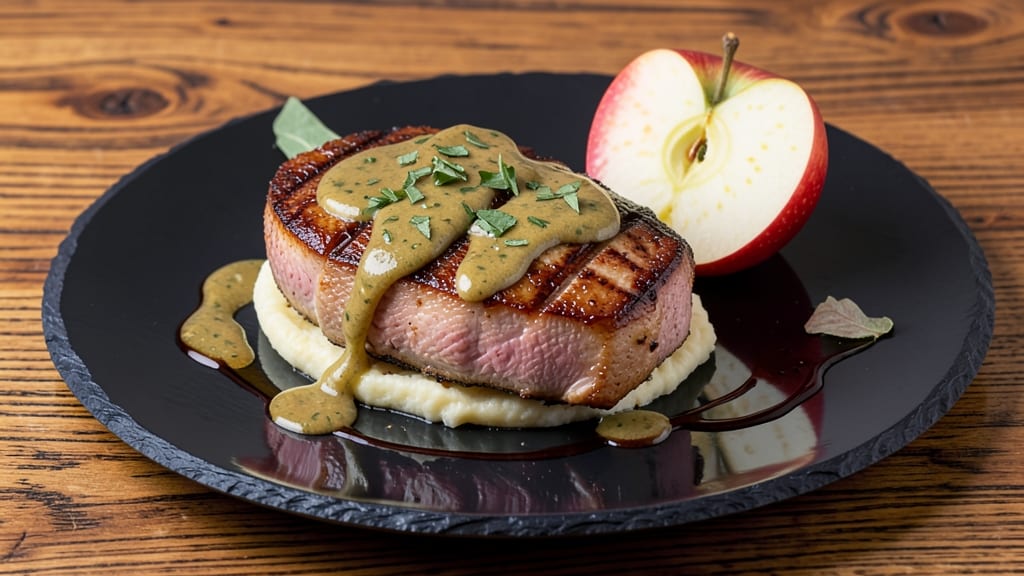
This pork apple sage recipe delivers the perfect harmony of crispy edges and herb-infused tenderness that always brings the table to life. 🔥 After years of perfecting the balance between sweet apples and earthy sage, I've developed a method that transforms simple pork chops into a restaurant-worthy centerpiece.
The secret lies in a quick sear followed by slow braising, which locks in juices while caramelizing the apples into a sticky, flavorful glaze.
What sets this recipe apart is the way the sage infuses the pork with its aromatic depth while the apples add natural sweetness that cuts through the richness. I use fresh sage for its bright flavor—never dried—and thinly sliced apples that caramelize beautifully during the braising process.
This isn't just another pork recipe; it's a celebration of textures and flavors that come together in every bite.
The result is pork with perfectly crispy edges that give way to tender, juicy meat infused with sage's piney notes and apples' subtle sweetness. The caramelized apple glaze adds a glossy finish that makes plating effortless.
This dish pairs beautifully with creamy mashed potatoes or roasted root vegetables, creating a complete meal that feels both comforting and sophisticated.
Whether you're cooking for a weeknight dinner or a special occasion, this recipe delivers consistent, impressive results. The technique is straightforward but yields restaurant-quality pork that will have everyone asking for seconds. Let's get started on creating this perfect balance of flavors and textures.
Ingredients for pork apple sage
Fresh sage and sweet apples transform simple pork chops into a restaurant-worthy centerpiece.
| Ingredient | Amount | Notes |
|---|---|---|
| Bone-In Pork Chops 🥩 | 4 whole | 1-inch thick, center-cut preferred |
| Honeycrisp Apples 🍎 | 2 medium | Thinly sliced, skin on |
| Fresh Sage Leaves 🌿 | ½ cup | Packed, stems removed |
| Unsalted Butter 🧈 | 4 tbsp | Cold, cut into pieces |
| Extra-Virgin Olive Oil 🫒 | 2 tbsp | For searing |
| Apple Cider Vinegar 🍏 | 1 tbsp | For braising liquid |
| Granulated Sugar 🍚 | 1 tbsp | For apple caramelization |
| Diamond Crystal Kosher Salt 🧂 | 1 ½ tsp | For seasoning |
| Freshly Ground Black Pepper 🌶️ | ½ tsp | For seasoning |
| Vegetable Broth 💧 | ½ cup | Low-sodium preferred |
| Garlic Cloves 🧄 | 2 cloves | Minced for braising |
The pork chops are the foundation—center-cut with bone-in for extra flavor. Local butchers often have the best quality, but any grocery store will carry them. Look for chops with good marbling and even thickness. Honeycrisp apples are ideal for their balance of sweetness and tartness, but Fuji or Gala work too. Thinly slicing them ensures even caramelization. Fresh sage is non-negotiable here; dried just won't give the same aromatic punch. Trader Joe's sells pre-packaged fresh sage if you're short on time, but I always grab a bunch and use half for garnish.
No Honeycrisp apples? Any crisp apple variety will work—just adjust sugar to taste. Running out of apple cider vinegar? White wine vinegar or lemon juice makes a decent substitute. The butter should be cold when searing—this creates that perfect crust. If you're watching fat, you can reduce to 2 tbsp butter and add 2 tbsp olive oil, but trust me on the full-fat version. The vegetable broth can be swapped for water in a pinch, but the depth of flavor makes it worth having on hand. For a more intense garlic flavor, toast the minced cloves in olive oil before adding to the braising liquid.
Pork chops keep best in the fridge for 2 days before cooking. Apples should be stored in the crisper drawer for up to 1 week, but slice them just before using for maximum crispness. Fresh sage lasts about 5 days wrapped in damp paper towels. The braised pork reheats beautifully—simply warm in the oven at 350°F for 10 minutes. Portion the glaze separately if you want to use it as a sauce on other dishes. This recipe makes enough for leftovers, so consider doubling the apples and broth if you're feeding a crowd.
Why You'll Love This Recipe
- One-Pan Magic: I swear by this for nights when I’d rather not wash a million dishes. Sear the pork chops in olive oil, toss in apple slices and sage, then let the butter melt into everything—no extra pans, no stress.
- Sweet-Savory Balance: That crispy pork chop with honeycrisp apples caramelizing around it? It’s like autumn in a bite. The sage adds this earthy punch that makes it feel fancy, even though it’s basically just butter and patience.
- Weeknight to Dinner Party: Honestly, this works for both lazy Tuesdays and impressing guests. For weeknights, I keep it simple with roasted potatoes. For company, I add a splash of apple cider and garnish with extra sage—same effort, totally different vibe.
- Leftovers That Don’t Suck: Between us, most pork recipes turn into sad, dry leftovers. Not this one. The apples stay tender, the pork stays juicy, and I’ve reheated slices for sandwiches or salads for days—no one complains.
Step-by-step instructions for perfectly crispy pork with apple sage braise
Master this two-stage technique for restaurant-quality pork chops with caramelized apples and aromatic sage.
🔥 Step 1: Sear the Pork Chops for Maximum Crisp
Pat the 4 whole Bone-In Pork Chops completely dry with paper towels—this is non-negotiable for crispy skin. Season both sides generously with 1.5 tsp Diamond Crystal Kosher Salt and 0.5 tsp Freshly Ground Black Pepper, pressing the seasoning into the meat so it adheres.
Heat a large skillet over medium-high heat until smoking hot. Add 2 tbsp Extra-Virgin Olive Oil and swirl to coat. Working in batches if needed, add the pork chops and sear for 3-4 minutes per side until they develop a deep golden-brown crust. You'll know they're ready when they release easily from the pan—don't rush this step. Transfer the seared chops to a plate and tent with foil to keep warm.
🍳 Step 2: Build the Apple Sage Braising Liquid
In the same skillet, reduce heat to medium and add 2 cloves Garlic Cloves (minced) and 0.5 cup Fresh Sage Leaves. Cook for 1 minute until the garlic becomes fragrant and the sage begins to crisp slightly. Add 1 tbsp Apple Cider Vinegar and 1 tbsp Granulated Sugar, stirring to deglaze the pan and create a glossy fond.
Pour in 0.5 cup Vegetable Broth and scrape up any browned bits from the bottom of the pan—this is where all the flavor hides. Bring to a gentle simmer and let reduce by half (2-3 minutes). Add 2 medium Honeycrisp Apples (thinly sliced) and cook for 3-4 minutes until they begin to soften and release their juices. The apples should be tender but still hold their shape.
🥘 Step 3: Braise for Tender Pork and Caramelized Apples
Return the pork chops to the skillet, spooning the apple-sage mixture over them. Add 4 tbsp Unsalted Butter (cut into pieces) and cover tightly with a lid. Transfer to a 350°F oven for 20-25 minutes, until the pork reaches an internal temperature of 145°F and the apples have caramelized beautifully.
Here's the thing—don't peek! Every time you lift the lid, you lose heat and steam. The butter will melt into a rich sauce that bastes the pork chops, ensuring they stay moist and tender. The apples should be fork-tender with a glossy sheen from the caramelization.
🍽️ Step 4: Rest and Serve with Herb-Infused Sauce
Remove the pork chops from the oven and transfer them to a cutting board. Tent loosely with foil and let rest for 5-10 minutes—this is crucial for redistributing the juices. The internal temperature will rise to 150°F during resting, giving you perfectly tender meat.
Spoon the apple-sage braising liquid over the pork chops before serving. The sauce should coat the back of a spoon with a beautiful balance of sweetness from the apples, herbal notes from the sage, and richness from the butter. Garnish with additional fresh sage leaves for a pop of color and aroma. Serve immediately with crusty bread to soak up every last bit of that luscious sauce.
Pro Tips For Making Pork Apple Sage
- CRISP THE APPLES FIRST: Slice those Honeycrisp apples before searing the pork—toss them in a splash of olive oil and a pinch of salt, then pan-fry until golden and tender. I used to add them raw, and they’d just turn mushy while the pork cooked. This way, they caramelize and hold their shape, giving you that perfect sweet-tart crunch.
- SALT THE PORK LIKE IT’S 1950: Bone-in pork chops need aggressive salting—at least 15 minutes before cooking, with kosher salt all over (even the bone side). I learned this the hard way when my chops came out bland because I rushed it. Trust me, the salt penetrates better when it’s got time to work its magic.
- DON’T OVERCROWDLE THE PAN: Sear the pork in batches if your pan isn’t big enough—crowding steams the meat instead of browning it. I once tried to cook two chops at once, and they ended up gray and sad. A hot, empty pan is your friend here—let that butter sizzle properly.
- USE COLD BUTTER FOR CRUST: Take the butter out of the fridge right before the last minute of cooking—drop cold cubes onto the pork and apples, then tilt the pan to let them melt and crisp. Sounds weird, but it works: the butter pools, browns, and creates a glossy, flavorful crust instead of just dissolving away.
Regional styles of this recipe
Southern BBQ-Style
In the Southeast, we take pork apple sage and give it that signature smoky touch. After searing the chops, I transfer them to a smoker set at 250°F for 1 hour with apple wood chips. The smoke infuses the pork while the braising liquid simmers in the oven.
For extra depth, I add 1 tbsp smoked paprika to the braising mixture. This version feels like a cross between a classic pork chop and a pulled pork sandwich—perfect for feeding a crowd. 🔥
Italian-Inspired
For a Mediterranean twist, I swap the apple cider vinegar for ½ cup dry white wine and add 1 tsp dried oregano to the braising liquid. After searing, I deglaze with the wine and reduce until syrupy before adding the apples and sage.
The result is a dish that tastes like it came straight from a Tuscan trattoria. Serve with a side of polenta to soak up that rich sauce. 🌿
German Bratwurst Adaptation
In my German-inspired version, I use 4 bratwurst sausages instead of pork chops and slice the apples into ¼-inch chunks for quicker cooking. I sear the sausages first, then braise them with the apple-sage mixture in a Dutch oven.
The bratwurst absorbs all the flavors beautifully, and the apples caramelize into a sweet glaze. This is a fantastic weeknight meal that feels special without being fussy. 🌶️
French Duck Confit Influence
For a luxurious twist, I replace the pork chops with 4 duck breasts (skin-on) and increase the braising time to 30 minutes. The duck fat renders beautifully, creating an ultra-rich sauce. I add 1 sprig fresh thyme alongside the sage for an extra layer of aroma.
This version is perfect for special occasions and pairs wonderfully with a crisp Chablis white wine. 🍷
Heritage Pig Farm Version
When I cook with my own Gloucestershire Old Spots pigs, the flavor profile is next-level. The heritage pork has more marbling, so I reduce the braising time to 15 minutes to avoid overcooking. I also add 1 tbsp apple brandy to the braising liquid for a subtle depth.
The result is pork so flavorful, it needs minimal seasoning—just the apples and sage to complement its natural richness. This is what I serve at family gatherings. 💛
Nutrition facts
Frequently asked questions
Can I use boneless pork chops instead of bone-in?
Yes, but bone-in chops stay juicier and more flavorful. If using boneless, reduce the braising time to 15-18 minutes to prevent drying out. The apples and sage will still caramelize beautifully, but the meat will be slightly less tender. For best results, choose chops with visible fat marbling to help keep them moist.
What if I don't have fresh sage?
Dried sage works in a pinch, but use 1 teaspoon (about 1/5 the amount of fresh) and add it directly to the braising liquid. Toast the dried sage in the skillet for 30 seconds before adding other ingredients to wake up its flavor. The aroma won't be as vibrant, but it will still contribute earthy notes. For garnish, use extra fresh herbs like thyme or parsley.
How do I adjust this for a slow cooker?
Sear the pork chops first, then transfer them to your slow cooker with the apple-sage mixture. Cook on LOW for 4-5 hours or HIGH for 2-3 hours. The apples will break down more, creating a thicker sauce. Add 1 tablespoon cornstarch mixed with 2 tablespoons water during the last 30 minutes to thicken if needed. The pork will be extra tender but slightly less crispy.
Can I make this recipe ahead of time?
Cook the pork and apples completely, then cool and refrigerate for up to 3 days. Reheat in a skillet with a splash of broth or water to restore moisture. The flavors actually improve overnight as the pork absorbs more of the caramelized apple-sage sauce. For serving, quickly sear the chops in a hot pan for 1-2 minutes per side to restore crispiness.
What's the best way to store leftovers?
Store in an airtight container with the sauce separated from the pork if you plan to reheat it separately. Pork keeps for 3-4 days in the fridge and freezes beautifully for up to 3 months. To reheat, warm in a skillet over medium-low heat with a splash of water or broth, or bake at 350°F for 10-15 minutes until heated through. Never microwave—it makes the pork rubbery.