
Sauces & Condiments
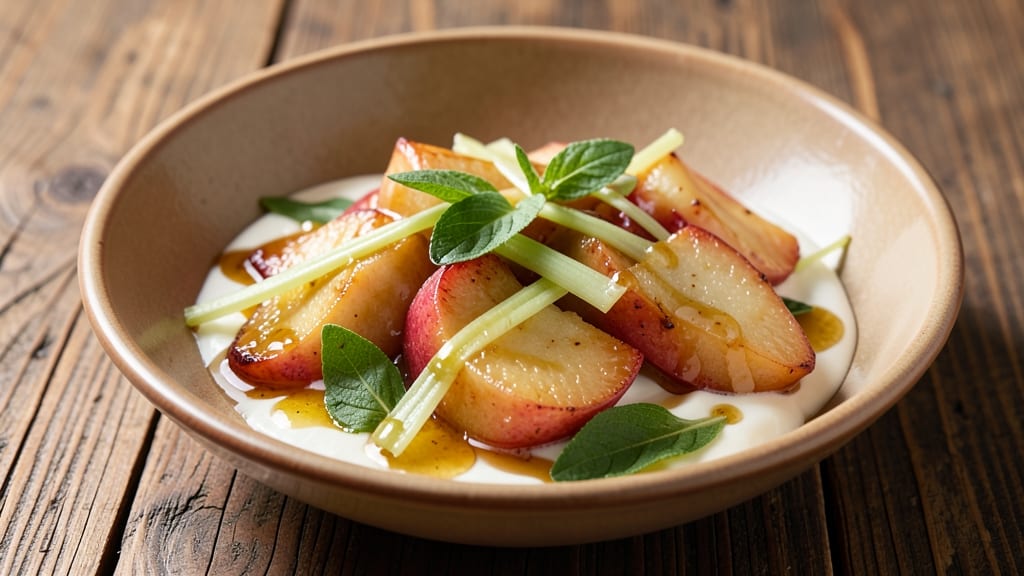
This apple and sage sauce recipe transforms simple ingredients into a velvety, aromatic condiment that elevates roasted meats and mashed potatoes alike. The perfect balance of sweet-tart apples and earthy sage creates a rich, slightly tangy sauce that clings beautifully to crispy pork chops or turkey.
I developed this recipe after realizing how often I reached for store-bought apple sauce—until I realized homemade was far superior, especially with that fresh celery crunch contrast.
The process is straightforward: simmer diced apples with fresh sage, a touch of vinegar for brightness, and a splash of cream to create a luxurious texture. Reducing the mixture until thickened ensures it coats every bite without overwhelming the dish.
What sets this sauce apart is the optional celery addition—finely chopped and lightly sautéed—which adds a satisfying crunch that cuts through the richness of roasted meats.
What you’ll end up with is a sauce that’s equally at home drizzled over roasted chicken, spooned alongside mashed potatoes, or even used as a glaze for pork tenderloin. The flavors deepen as it sits, making it perfect for meal prep.
Store it in the refrigerator for up to a week or freeze for longer shelf life—though you’ll likely use it up faster than that.
This versatile sauce works equally well as a standalone condiment or as part of a larger meal. The secret lies in balancing sweetness and acidity, so don’t skip the vinegar—it’s what makes this sauce truly special. Ready to transform your dinner table with this simple yet sophisticated condiment?
Ingredients for apple and sage sauce
Nine ingredients that transform into a velvety, aromatic sauce with perfect celery crunch contrast.
| Ingredient | Amount | Notes |
|---|---|---|
| Honeycrisp Apples 🍎 | 2 lb | Peeled, cored, diced into 1/2-inch pieces |
| Fresh Sage Leaves 🌿 | ½ cup | Stems removed, roughly chopped |
| Celery Stalks 🧅 | 2 whole | Finely chopped, optional for crunch |
| Heavy Cream 🥛 | ½ cup | Full-fat for best texture |
| Apple Cider Vinegar 🍋 | 2 tbsp | For tangy brightness |
| Unsalted Butter 🧈 | 2 tbsp | Cold, cubed for sautéing |
| Granulated Sugar 🍚 | 2 tbsp | Balances tartness of apples |
| Sea Salt 🧂 | ½ tsp | Diamond Crystal preferred |
| Ground Black Pepper 🌶️ | ¼ tsp | Freshly ground for warmth |
The apples are the backbone here—Honeycrisp or Fuji work best for that sweet-tart balance. Local farmers markets often have them at their peak, but any crisp variety in season will do. Fresh sage is non-negotiable for that earthy aroma (dried works in a pinch at half the amount), and the celery? That's where the magic happens—lightly sautéed in butter until just tender to add that satisfying crunch. Don't skip the vinegar—it's what makes this sauce truly special by cutting through the richness. I always grab the organic celery from Whole Foods when I can, but regular grocery store stalks work perfectly fine too.
No heavy cream? Half-and-half or coconut cream works in a bind, though the texture won't be quite as luxurious. Short on apples? Substitute with cooked apple sauce (unsweetened) at the same volume, but you'll lose that lovely texture. The butter is essential for sautéing the celery—don't use margarine, trust me on this. Want more depth? Add a pinch of cinnamon or nutmeg along with the sugar. And if you're feeling fancy, a splash of dry sherry instead of vinegar elevates the flavor profile beautifully. The sugar is key here—don't skip it, but don't overdo it either.
This sauce tastes even better the next day as the flavors meld. Store it in an airtight container in the fridge for up to 1 week, or freeze for 3 months in ice cube trays for perfect single-serving portions. The celery crunch disappears after freezing, so save some fresh for garnish if you're reheating. I always make a double batch—it disappears faster than you'd think, especially when paired with roasted pork or mashed potatoes. For serving, a drizzle of this sauce over warm dishes makes everything feel restaurant-quality.
Why You'll Love This Recipe
- No-Fuss Ingredients: I keep a bag of Honeycrisp apples and a bunch of sage in my fridge just for this—no fancy shopping trips. Celery and vinegar are pantry staples, and the heavy cream? One cup makes it rich without being overwhelming.
- Sage-Infused Magic: That first whiff of simmering sage and apples? It’s like autumn in a skillet. The vinegar cuts through the sweetness, while the cream adds this velvety finish—simple, but ridiculously good.
- Pantry-to-Table Flex: Slather it on grilled chicken, toss it with roasted potatoes, or drizzle it over toasted bread. I’ve even used it as a glaze for pork chops—works every time, no extra effort.
- Leftovers That Beg for More: This sauce keeps for days in the fridge and reheats like a dream. Honestly, I’ve made a double batch just to have it on hand—because once you taste it, you’ll want it again.
Step-by-step instructions for apple and sage sauce
This sauce delivers perfect balance—sweet apples, earthy sage, and celery's crisp contrast.
Sauté Butter and Apples Until Soft
In a large skillet, melt the 2 tablespoons unsalted butter over medium heat until it foams but doesn't brown. Add the 2 lb diced Honeycrisp apples and cook for 8-10 minutes, stirring occasionally. You're looking for the apples to soften slightly but still hold their shape—this ensures they'll break down beautifully in the sauce rather than turn to mush.
Here's the thing—Honeycrisp apples are your secret weapon. Their natural sweetness and firm texture hold up during this initial cooking, preventing a watery sauce. If you notice the apples releasing too much liquid, increase the heat slightly to evaporate excess moisture. This step builds the sauce's foundation, so don't rush it.
Add Sugar, Vinegar, and Celery for Depth
Stir in the 2 tablespoons granulated sugar and 2 tablespoons apple cider vinegar, letting them cook with the apples for 2-3 minutes. This combination is magic—sugar caramelizes slightly while the vinegar brightens the flavors. Add the finely chopped celery stalks and cook for another 3 minutes, until they soften just enough to contribute their subtle crunch and earthy notes.
Watch for color changes here. You want a subtle golden hue developing in the apples—this indicates the sugar is working its sweetening magic. The vinegar will make the pan smell tangy and fresh, which is exactly what you want. If the mixture starts sticking, add a splash of water to deglaze, but try to avoid this if possible as it dilutes the sauce.
Incorporate Sage and Seasonings
Reduce heat to medium-low and stir in the 0.5 cup roughly chopped fresh sage leaves, 0.5 teaspoon sea salt, and 0.25 teaspoon ground black pepper. Cook for 1-2 minutes until the sage leaves wilt and release their aromatic oils. This is where the sauce starts to come together—you'll notice the pan filling with an incredible herbal fragrance that signals the flavors are melding perfectly.
I like to press the sage leaves gently with a spoon during this step to help release more of their essential oils. The salt and pepper should be distributed evenly throughout the apples. If you're using the celery for texture, this is your last chance to adjust its level—you can remove some if you prefer a smoother sauce, or leave it all in for that delightful crunch contrast.
Finish with Cream for Richness
Pour in the 0.5 cup heavy cream and stir gently to combine. Simmer for 3-4 minutes until the sauce thickens slightly and coats the back of a spoon. The cream will create a luxurious, velvety texture that balances the tartness of the apples and vinegar. If the sauce thickens too much, add a splash of water or apple juice to reach your desired consistency.
This is the moment that matters: taste and adjust seasoning. You might need a pinch more salt to balance the sweetness, or a splash more vinegar for tang. The sauce should be harmonious—sweet, savory, and slightly tangy with that herbal sage brightness. For best results, keep the sauce warm over low heat until ready to serve, stirring occasionally to prevent skin formation.
Pro Tips For Making Apple And Sage Sauce
- Peel and Dice Small: DESCRIPTION: Honeycrisp apples oxidize fast—cut them into ¼-inch cubes right before cooking, not ahead. I learned this the hard way when my sauce turned gray and watery because I prepped too early. Fresh cuts release more juice, which thickens the sauce naturally.
- Blanch Sage First: DESCRIPTION: Drop whole sage leaves into boiling water for 10 seconds, then shock in ice water. This softens the leaves so they infuse flavor without turning the sauce bitter. (Yes, it’s extra work, but your sauce will taste like it came from a restaurant.)
- Simmer Celery Low: DESCRIPTION: Cook celery stalks on medium-low heat—high heat burns them before they soften. I used to rush this, and the sauce ended up with a weird, bitter edge. Let them sweat for 8–10 minutes until fork-tender, then remove them before blending.
- Whisk Cream Cold: DESCRIPTION: Stir heavy cream into the warm apple mixture last, and keep it chilled until the very end. I skipped this once, and the sauce curdled like a sad custard. A splash of ice water can fix it, but cold cream saves you the hassle.
Storing and reheating this apple and sage sauce
Refrigerator Storage
Transfer your finished apple and sage sauce to an airtight glass container—I love using Pyrex with snap-on lids—and let it cool completely before refrigerating. This sauce keeps beautifully for up to 1 week in the fridge, with flavors actually deepening as it sits.
The celery crunch will soften after a day, so save some fresh chopped celery separately if you want to restore texture when reheating. Always leave about ½ inch of headspace to prevent mold growth.
Pro tip: Store the sauce in small portions (like ½ cup servings) so you can reheat just what you need. I like keeping one portion in a small ramekin for quick drizzling over roasted meats.
The sauce will thicken slightly in the fridge, so add a splash of water or apple juice when reheating if needed. 🥫
Freezer Storage
For longer storage, freeze the sauce in ice cube trays for perfect single-serving portions. Once frozen, transfer the cubes to a freezer bag with all air removed to prevent freezer burn. This method preserves the sauce for up to 3 months while maintaining its texture.
The celery will lose its crunch after freezing, so set aside some fresh celery before freezing if you want to add it back after thawing.
When ready to use, thaw overnight in the fridge or quickly in a bowl of warm water. For a smoother texture, whisk the thawed sauce vigorously before reheating.
I often freeze this sauce in quart-sized freezer bags when making large batches—it's perfect for holiday meals when you know you'll need extra portions. 🧊
Reheating Methods
For stovetop reheating, transfer the sauce to a small saucepan and warm over medium-low heat for 3-5 minutes, stirring frequently. The sauce should reach an internal temperature of 165°F for safety.
If it thickens too much, add 1-2 tablespoons of water or apple juice to restore its velvety consistency. Keep the heat gentle to avoid curdling the cream.
For microwave reheating, transfer the sauce to a microwave-safe bowl and heat on 50% power for 1-2 minutes, stirring halfway through. This gentler approach prevents hot spots that can curdle the cream.
If the sauce separates, whisk vigorously or use an immersion blender to restore its smooth texture. For best results, reheat only the amount you plan to use immediately. ✨
Reviving Texture
If your refrigerated sauce has lost its celery crunch, restore it by adding 1-2 tablespoons of finely chopped fresh celery just before serving. The celery will soften slightly but still provide that satisfying texture contrast.
For extra freshness, add a pinch of freshly ground black pepper and a small sprig of fresh sage to the warm sauce just before serving. These finishing touches make all the difference when presenting your dish.
Remember that this sauce tastes even better the second day, so don't be afraid to make extra. I always double the recipe when hosting dinner parties—it disappears faster than you'd expect, especially when paired with roasted pork or mashed potatoes.
The key is proper storage and gentle reheating to maintain that perfect balance of sweet, tangy, and herbal flavors. 💛
Nutrition facts
Frequently asked questions
Can I use dried sage instead of fresh?
Yes, but use only 1/4 cup dried sage (about half the amount of fresh) and crush it lightly between your fingers first to release the flavor. Dried sage has a more concentrated taste, so it's easy to overpower the delicate apple flavor. Fresh sage adds a brighter aroma that really elevates this sauce—if possible, I recommend sticking with fresh for the best results.
What's the best way to use this sauce?
This versatile sauce works beautifully drizzled over roasted pork chops, spooned alongside mashed potatoes, or used as a glaze for turkey breast. Try it with sausage and apples for a fall-inspired meal, or even as a topping for grilled cheese sandwiches with sharp cheddar. The celery crunch makes it especially delicious with crispy roasted meats where texture contrast matters.
Why does my sauce turn out watery?
Watery sauce usually means the apples weren't cooked long enough to break down or you didn't reduce it properly. Simmer uncovered for 5-7 extra minutes after adding the cream to thicken it, or stir in 1 teaspoon cornstarch mixed with cold water until it reaches your desired consistency. The sugar in the recipe helps with thickening, so make sure you're using the full amount.
Can I make this sauce ahead of time?
This sauce actually tastes better the next day as flavors meld. Make it 1-2 days ahead and store in the fridge. For longer storage, freeze in ice cube trays for perfect portions. The celery crunch will soften after refrigeration, so add fresh chopped celery when reheating if you want to restore that texture.
What if I don't have celery?
No problem! Skip the celery or substitute with 1/4 cup finely chopped fennel bulb for a similar earthy flavor, or 1 tablespoon chopped parsley for a milder texture contrast. The sauce will still be delicious—it's the celery's crunch that adds that special touch. For a completely smooth sauce, simply omit it entirely and focus on the apple-sage flavor profile.