
Sauces & Condiments
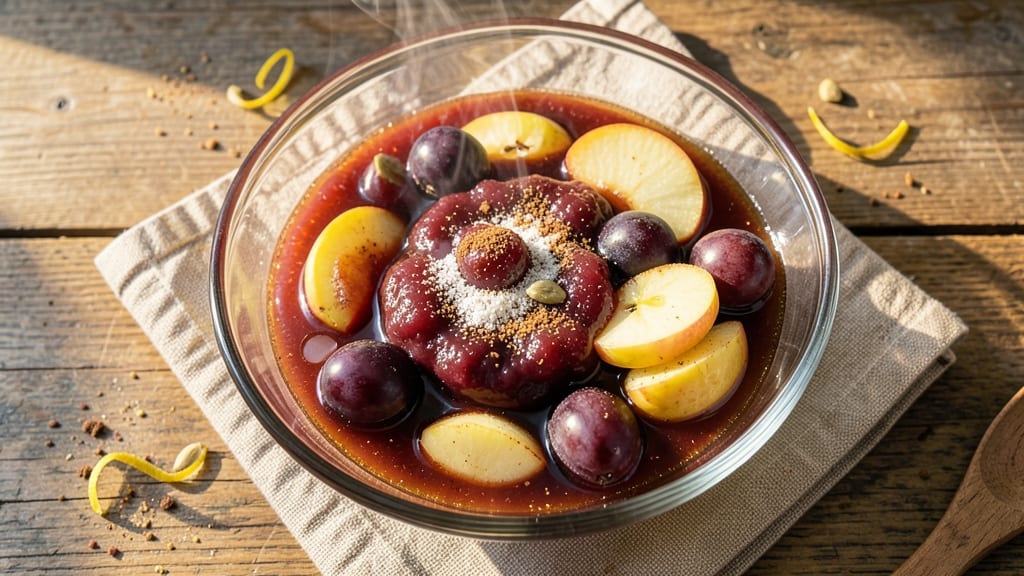
This grape apple sauce recipe transforms humble fruits into a versatile condiment that bridges sweet and savory worlds with effortless elegance.
The secret lies in balancing juicy grapes and crisp apples with just enough sweetness to complement rather than overpower—perfect for drizzling over meats, pairing with cheeses, or even enhancing desserts.
I developed this recipe after realizing how often I reached for store-bought sauces that lacked depth, and the result is a homemade version that’s far more vibrant and customizable.
The process is surprisingly simple: simmer fresh grapes and apples until they break down into a luscious, slightly thickened sauce, then season with a touch of cinnamon or vanilla for warmth.
The celery and pepper crunch mentioned in the title comes from optional fresh herbs or finely chopped celery leaves stirred in at the end—adding a bright, herbal contrast that elevates every spoonful.
What makes this sauce stand out is its adaptability; it’s equally at home as a glaze for pork tenderloin or a tangy topping for vanilla ice cream.
What you’ll end up with is a bright, balanced sauce that’s naturally sweet but not cloying, with a texture somewhere between a chunky compote and a smooth puree. The grapes add a subtle tartness that cuts through richness, while the apples provide structure and body.
This isn’t just another fruit sauce—it’s a flavor multiplier that turns ordinary dishes into something memorable. Ready to make it? Here’s everything you need to create this versatile condiment in under 20 minutes.
Once you’ve made a batch, you’ll want to keep it on hand for all sorts of occasions—whether drizzling over grilled chicken, pairing with sharp cheddar on a charcuterie board, or even mixing into yogurt for a breakfast boost.
The sauce stores beautifully in the fridge for up to a week, so you can make a big batch and enjoy it throughout the week. Let’s get started!
Ingredients for grape apple sauce
Sweet-tart balance starts with these nine simple ingredients—fresh grapes and apples as the base, bright herbs for crunch, and just enough spice to elevate.
| Ingredient | Amount | Notes |
|---|---|---|
| Red Seedless Grapes 🍇 | 1 ½ lbs | Fresh, firm grapes preferred |
| Honeycrisp Apples 🍎 | 4 medium | Peeled, cored, sliced |
| Granulated Sugar 🍚 | ¼ cup | Adjust to taste preference |
| Fresh Lemon Juice 🍋 | 2 tbsp | Brightens overall flavor |
| Ground Cinnamon 🌿 | 1 tsp | Warmth without overpowering |
| Vanilla Extract 🥛 | ½ tsp | Pure, high-quality extract |
| Fresh Celery Leaves 🧅 | ¼ cup | Finely chopped for crunch |
| Fresh Black Pepper 🌶️ | ¼ tsp | Freshly cracked for texture |
| Extra-Virgin Olive Oil 🫒 | 1 tbsp | For finishing drizzle |
The grapes and apples are your flavor anchors. Honeycrisp apples hold their shape beautifully during cooking, but Fuji or Gala work just as well. For grapes, red seedless varieties give the best tartness—avoid green grapes unless you want a grassier note. I always grab organic when possible, especially for apples, since you're eating the peel. Trader Joe's or Whole Foods carry great organic selections, but any grocery store's produce section will do. Look for firm grapes with no soft spots and apples that feel heavy for their size—those are the sweetest.
No Honeycrisp apples? Gala or Braeburn are my go-to swaps—they're widely available and still hold up well. Want more sweetness? Add a splash of apple cider or maple syrup instead of sugar. Fresh celery leaves hard to find? Fresh parsley or basil work beautifully for the herbal crunch. The black pepper might seem odd, but it adds a subtle bite that balances the sweetness—freshly cracked is best, but pre-ground works in a pinch. For extra depth, a pinch of cardamom or allspice can replace the cinnamon if you're feeling adventurous.
This sauce keeps beautifully for 5-7 days in the fridge once cooled, sealed tightly. For longer storage, freeze in ice cube trays—perfect for single-use portions. The texture thickens as it chills, so stir in a splash of water if it gets too stiff. I always make a double batch because it disappears fast—great for gifting too. The olive oil finishing drizzle should be added right before serving to maintain that fresh crunch from the celery leaves.
Why You'll Love This Recipe
- Five-Ingredient Magic: I swear by this combo—just grapes, apples, a splash of lemon, and a pinch of cinnamon. No fancy techniques, no stress, and honestly? It’s the kind of recipe where you can taste the fruit’s natural sweetness without overthinking it.
- Sweet-Tart Balance: That Honeycrisp crunch with the grapes’ juicy burst? Chef’s kiss. The lemon brightens it up just enough to keep it from being cloying, and the cinnamon? It turns this into something cozy, like autumn in a bowl.
- Weeknight & Holiday: Slather it on toast for a quick breakfast or drizzle it over yogurt when you’re running late. (Yes, even on a Tuesday night.) But it’s also my go-to for potlucks—people always ask for the recipe, and I never have to explain how simple it is.
- No-Waste Win: Use up those grapes before they shrivel and those apples before they turn mealy. Between us, this sauce is my secret weapon for stretching fruit into something delicious, and the leftovers? They last a solid week in the fridge—perfect for lazy mornings.
Step-by-step instructions for grape apple sauce
This vibrant sauce balances sweet grapes and crisp apples with a peppery celery finish—easy to make, impossible to resist.
Core and Slice the Apples
Start by peeling the 4 medium Honeycrisp Apples using a vegetable peeler or sharp knife. Core them completely, removing any seeds or fibrous parts. Then, slice them into even ¼-inch thick pieces—consistency ensures even cooking. I like to work over a bowl to catch any juice that might escape during slicing.
Place the sliced apples in a large mixing bowl and immediately toss them with 2 tbsp Fresh Lemon Juice. This prevents browning and brightens their natural sweetness. The acidity also helps soften the apples faster during cooking, creating a smoother final texture. Leave them to sit while you prep the grapes—just 5 minutes is enough for the lemon to work its magic.
Prepare the Grapes and Celery
Rinse the 1.5 lbs Red Seedless Grapes thoroughly under cold water, then pat them completely dry with paper towels. Remove any stems and cut them in half through the equator. This exposes the juicy flesh while keeping the skins intact for texture. Place them in a separate bowl.
Finely chop the 0.25 cup Fresh Celery Leaves using a sharp chef’s knife. You want tiny pieces—almost like confetti—that will add a subtle crunch without overpowering the sweetness. Set them aside for later. Here’s the thing—celery leaves might seem unusual in a sweet sauce, but they bring a fresh, slightly bitter contrast that cuts through the richness beautifully.
Simmer the Fruit Mixture
In a large, heavy-bottomed saucepan, combine the prepared apples and grapes. Add 0.25 cup Granulated Sugar, 1 tsp Ground Cinnamon, and 0.5 tsp Vanilla Extract. Stir gently to distribute everything evenly. The sugar will begin to dissolve immediately, but don’t worry—it’s just getting acquainted with the fruit.
Place the saucepan over medium heat and bring the mixture to a gentle simmer. You’ll see small bubbles form around the edges, but avoid a rolling boil—this can make the apples mushy. Let it cook uncovered for 15-20 minutes, stirring occasionally, until the apples break down and the mixture thickens slightly. You’re aiming for a jammy consistency, not a watery one.
Finish with Pepper and Oil
Once the fruit is tender and the sauce has thickened, remove the pan from heat. Stir in the finely chopped 0.25 cup Fresh Celery Leaves and 0.25 tsp Fresh Black Pepper. The pepper might seem odd, but it adds a surprising depth that balances the sweetness. Let the mixture cool for 5 minutes—this allows the flavors to meld without overpowering the delicate celery crunch.
Just before serving, drizzle in 1 tbsp Extra-Virgin Olive Oil and toss gently. The oil coats each piece of fruit, adding a silky finish and helping the sauce cling to whatever you’re serving it over—think grilled chicken, yogurt parfaits, or even as a glaze for roasted pork. The contrast of the peppery oil with the sweet fruit is what makes this sauce truly special.
Serve Warm or Chilled
Taste and adjust the sweetness if needed—add a pinch more sugar if the fruit’s natural tartness dominates, or a splash of lemon juice if it’s too cloying. Serve the sauce warm as a topping for pancakes or waffles, or let it chill in the refrigerator for 1 hour to develop even more complex flavors. The celery leaves will soften slightly but still provide that delightful textural contrast.
This sauce keeps well in an airtight container in the fridge for up to 5 days, though I doubt it’ll last that long. The combination of grapes and apples is nostalgic yet sophisticated, and the peppery celery twist elevates it from ordinary to extraordinary. Trust me—this isn’t your grandmother’s fruit compote.
Pro Tips For Making Grape Apple Sauce
- Peel Apples First: I learned this the hard way—peeling the Honeycrisp apples before dicing saves you from peeling out chunks of fruit while cooking. The skin’s bitterness can overpower the sweetness, especially if you’re using tart grapes or skipping extra sugar.
- Simmer Low and Slow: This isn’t a race. Medium-low heat for 15–20 minutes lets the flavors meld without turning the grapes into mush. High heat just makes them burst and release too much liquid, leaving you with a watery sauce.
- Strain the Grapes: Skip this, and you’ll end up with seeds and skins in every bite. After cooking, press the grapes through a fine-mesh strainer (or cheesecloth) to keep the sauce smooth—especially if you’re serving it over ice cream or with cheese.
- Balance Sweet and Tart: Taste as you go. If the sauce tastes flat, add a splash of lemon juice (start with 1 tablespoon) or a pinch more cinnamon. The grapes and apples will play nice, but the acidity ties everything together—don’t let it get lost.
Essential equipment for this recipe
Heavy-Bottomed Saucepan
You’ll need a large, heavy-bottomed saucepan—I use my All-Clad Stainless Steel—to prevent scorching while simmering the fruit. The even heat distribution ensures the apples and grapes soften uniformly without burning.
If you don’t have stainless steel, a well-seasoned cast iron skillet works just as well. Avoid thin aluminum pans, as they can create hot spots and lead to uneven cooking. 🔥
Sharp Chef’s Knife
A sharp chef’s knife (I recommend the Wüsthof Ikon) is essential for slicing apples and chopping celery leaves. Dull knives crush the fruit instead of cleanly cutting it, which can make the sauce grainy.
Keep your knife sharp by honing it regularly with a Whetstone or honing steel. For the celery leaves, you’ll want to make tiny, confetti-like pieces—this takes precision, so take your time.
Mixing Bowl
Use a large mixing bowl (preferably glass or stainless steel) to toss the sliced apples with lemon juice before cooking. A stainless steel bowl from brands like OXO works perfectly—it’s durable and easy to clean.
The lemon juice needs to distribute evenly, so a wide, shallow bowl helps prevent clumping. I also like to work over a smaller bowl to catch any juice that escapes during slicing.
Measuring Spoons
Accurate measurements matter, especially for spices like cinnamon and vanilla extract. Invest in a set of stainless steel measuring spoons—I use KitchenAid—to ensure precision. A ¼ teaspoon of black pepper or ½ teaspoon of vanilla extract can make a big difference in flavor balance.
For liquids like lemon juice, a small measuring cup with clear markings helps avoid spills.
Fine-Mesh Strainer
If you prefer a smoother sauce, a fine-mesh strainer (like the OXO Good Grips) lets you strain out any remaining seeds or skin bits after cooking. This step isn’t mandatory, but it creates a silky texture that’s perfect for drizzling over desserts or meats.
For a chunkier texture, skip this step—just stir in the celery leaves at the end. 💫
Air-Tight Storage Container
For storing your sauce, use a glass airtight container with a lid—Pyrex or Le Parfait brands are my go-to. Glass preserves the sauce’s freshness better than plastic and doesn’t absorb odors. Label the container with the date to track freshness.
If freezing, leave 1 inch of headspace to prevent expansion cracks. The sauce thickens as it chills, so store it at room temperature for a day or two to adjust consistency before final storage.
Nutrition facts
Frequently asked questions
Can I substitute frozen grapes for fresh in this recipe?
Frozen grapes work in a pinch, but they'll add extra moisture to your sauce. Thaw them completely first, then drain well to prevent a watery texture. For best results, use 1 lb frozen grapes instead of 1.5 lbs fresh and simmer uncovered for an extra 5 minutes to evaporate excess liquid. The flavor will be slightly less vibrant but still delicious.
How can I make this sauce less sweet?
Reduce the sugar to 1-2 tablespoons instead of ¼ cup, or omit it entirely if your grapes and apples are naturally sweet. For tartness, add 1 extra tablespoon of lemon juice or a pinch of salt to balance flavors. The black pepper and celery leaves also help cut through sweetness naturally.
What are the best ways to use this grape apple sauce?
This versatile sauce shines as a glaze for pork tenderloin or chicken thighs, a topping for vanilla ice cream or yogurt parfaits, or a dip for cheese boards with sharp cheddar or brie. For savory dishes, reduce the sauce on the stovetop until syrupy, then brush onto grilled meats. For desserts, serve warm with a sprinkle of cinnamon.
Why did my sauce turn out too thin?
This usually happens if the fruit wasn't cooked long enough or if too much liquid was released during prep. To fix it, simmer the sauce uncovered for 5-10 more minutes until it thickens. For future batches, use slightly underripe apples (they release less juice) and avoid overcrowding the pan. A splash of cornstarch slurry (1 tsp cornstarch + 1 tbsp water) can also help thicken it quickly.
Can I make this sauce without celery leaves?
If you can't find celery leaves, try fresh parsley, basil, or mint for a similar herbal brightness. For a savory twist, add 1 tsp finely chopped fresh thyme or rosemary. If you prefer no herbs, simply omit them—the sauce will still taste delicious, just with a smoother texture.