
Main Courses
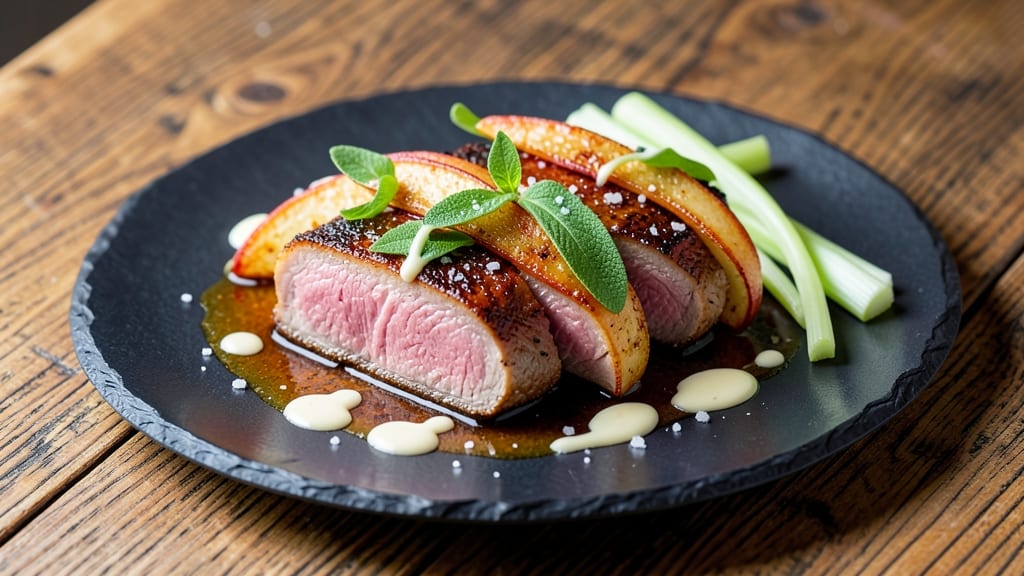
This apple sage pork chop recipe transforms simple weeknight dinner into a restaurant-worthy meal with just a few thoughtful ingredients. The sweet-tart apple complements the earthy sage, while a crisp celery crunch adds texture that keeps every bite exciting.
I developed this technique during a particularly busy season at my restaurant, where we needed a dish that could impress without requiring hours of prep.
The secret lies in balancing flavors through precise cooking: searing the pork chops until golden creates a crisp exterior, while the apple and sage infuse the pan sauce with natural sweetness and aromatic depth. This method delivers tender, juicy pork with a sauce that's rich yet bright—no heavy cream needed.
The celery adds a refreshing crunch that cuts through the richness, making this dish feel both elegant and approachable.
What makes this recipe stand out is how versatile it is. You can swap in different apples—tart Granny Smiths or sweet Honeycrisp—depending on your preference, and adjust the cooking time slightly for thicker or thinner chops.
The pan sauce can be reduced further for a glossy finish or left slightly looser for dipping. It's the kind of dish that feels special without requiring advanced techniques, perfect for both weeknight dinners and weekend gatherings.
Pair with roasted potatoes or a simple green salad to complete the meal. The flavors come together beautifully, proving that even classic cuts of pork can shine with the right seasoning and technique. Let's get cooking—this recipe delivers results that will have everyone asking for seconds.
Ingredients for apple sage pork chop
Thoughtful ingredients elevate this restaurant-style apple sage pork chop to weeknight perfection.
| Ingredient | Amount | Notes |
|---|---|---|
| Bone-In Pork Chops 🥩 | 4 whole | 1-inch thick, center-cut preferred |
| Granny Smith Apples 🍎 | 2 whole | Peeled, cored, sliced into wedges |
| Fresh Sage Leaves 🌿 | ½ cup | Stems removed, loosely packed |
| Celery Stalks 🧅 | 2 whole | Thinly sliced on bias for crunch |
| Unsalted Butter 🧈 | 4 tbsp | Cold, cut into 4 equal pieces |
| Extra-Virgin Olive Oil 🫒 | 2 tbsp | For searing pork chops |
| Diamond Crystal Kosher Salt 🧂 | 1 ½ tsp | Divided for seasoning and sauce |
| Freshly Ground Black Pepper 🌶️ | 1 tsp | Coarsely ground for seasoning |
| All-Purpose Flour 🌾 | 2 tbsp | For dredging pork chops |
| Dry White Wine 🍷 | ¼ cup | Sauvignon Blanc preferred |
| Chicken or Vegetable Stock 💧 | ½ cup | Low-sodium preferred |
| Fresh Thyme Leaves 🌿 | 1 tsp | Chopped, for sauce finishing |
| Lemon Juice 🍋 | 1 tbsp | Freshly squeezed for brightness |
The pork chops are the foundation—bone-in, center-cut delivers optimal tenderness and flavor. Source from a trusted butcher or Whole Foods meat counter for the best marbling. Granny Smith apples add necessary tartness, but Honeycrisp works beautifully for a sweeter profile. Fresh sage should be vibrant green with a fragrant aroma—avoid dried unless absolutely necessary, as it lacks the bright herbal notes. Celery adds that essential crunch; organic stalks from the grocery store's produce section work best for this application. For the butter, Plugrá brand is my go-to for its rich, high-fat content that creates a superior pan sauce.
No Granny Smiths? Fuji or Pink Lady apples provide a similar balance of sweet-tart flavor. Swap dried sage for fresh at a 1:3 ratio, but expect less aroma. If white wine isn't available, substitute apple cider vinegar with an equal amount of chicken stock. The flour is crucial for creating the pan sauce's velvety texture—King Arthur brand yields the best results. For extra depth, toast the flour in the pan for 30 seconds before adding liquid. The celery can be omitted if you prefer a smoother sauce, but I recommend keeping it for that essential texture contrast. When selecting thyme, look for plump, dark green leaves rather than the dried sprigs.
Store fresh sage and thyme wrapped in damp paper towels in the fridge for up to 5 days. Celery keeps well in a sealed container with a damp paper towel for 1 week. The pork chops can be prepped ahead—pat dry, season, and refrigerate uncovered on a wire rack for 24 hours to develop flavor. The pan sauce can be reheated gently on the stove, adding a splash of stock or water to loosen it. This recipe makes 4 generous servings, perfect for a dinner party or elegant weeknight meal. Leftovers reheat beautifully, though the celery will lose some crunch—add fresh celery when reheating to restore texture.
Why You'll Love This Recipe
- Same recipe, different vibes: serve it with crusty bread for a lazy Sunday supper, or plate it with roasted potatoes and a glass of wine for guests. Between us, it’s the dish I reach for when I need something that feels special but isn’t a fuss.
- One-Pan Magic: I swear by this trick—just toss everything in one skillet, and the apples caramelize while the pork chops crisp. No flipping between pans, no extra dishes. That’s 15 minutes of hands-off cooking while you stir a pot of mashed potatoes or toss a salad.
- Crispy-Creamy Contrast: The secret’s in the butter—melting over the pork until it’s golden, then those Granny Smith apples adding a bright, tangy bite. Honestly, the way the sage releases its earthy aroma when the butter hits? It’s like a flavor hug for your taste buds.
- Weeknight to Dinner Party: Same recipe, different vibes: serve it with crusty bread for a lazy Sunday supper, or plate it with roasted potatoes and a glass of wine for guests. Between us, it’s the dish I reach for when I need something that feels special but isn’t a fuss.
Step-by-step instructions for apple sage pork chops
Here's the professional method for achieving restaurant-quality pork chops with a harmonious blend of apple, sage, and celery crunch.
Season and Dredge the Pork Chops
Pat the 4 whole bone-in pork chops dry with paper towels—this ensures maximum browning. In a shallow dish, combine 2 tablespoons all-purpose flour, ½ teaspoon diamond crystal kosher salt, and ½ teaspoon freshly ground black pepper. Press each pork chop into the flour mixture, coating both sides evenly. The dredging creates a golden crust while helping thicken the pan sauce later.
Let the dredged pork chops rest for 5 minutes at room temperature. This brief resting period prevents them from cooking unevenly. While they rest, peel and core the 2 whole granny smith apples, then slice them into ¼-inch wedges. Remove stems from the ½ cup fresh sage leaves and thinly slice the 2 whole celery stalks on a bias cut for maximum crunch. These aromatics will form the flavor base of your sauce.
Sear the Pork Chops to Golden Perfection
Heat a large skillet over medium-high heat until hot. Add 2 tablespoons extra-virgin olive oil and swirl to coat the pan. Working in batches if needed, add the pork chops and cook for 3-4 minutes per side until they develop a deep golden-brown crust. The pork chops should release easily from the pan when ready to flip—this indicates proper searing.
Remove the pork chops from the skillet and set them aside on a warm plate. Reduce heat to medium and add 2 tablespoons cold unsalted butter to the same skillet. Tilt the pan slightly and spoon the melted butter over the pork chops to baste them with their rendered juices. This basting step ensures they stay moist while finishing in the oven.
Build the Herb-Infused Apple Sauce
In the same skillet, add the sliced granny smith apples, fresh sage leaves, and celery stalks. Cook for 4-5 minutes until the apples soften slightly and the celery becomes tender-crisp. Pour in the ¼ cup dry white wine, scraping up any browned bits from the bottom of the pan—this deglazing captures all the flavor you've built.
Add ½ cup chicken or vegetable stock and bring to a gentle simmer. Stir in the remaining ½ teaspoon diamond crystal kosher salt and ½ teaspoon freshly ground black pepper. Let the sauce reduce by half, about 3-4 minutes, until it thickens slightly. Finish with 1 teaspoon chopped fresh thyme leaves and 1 tablespoon freshly squeezed lemon juice for brightness.
Finish the Pork Chops and Combine
Return the pork chops to the skillet and spoon the apple sage sauce over them. Cover and let them simmer gently for 2-3 minutes to absorb the flavors. The internal temperature should reach 145°F—use a meat thermometer to check the thickest part of each chop. If the sauce appears too thick, add 1-2 tablespoons water to reach your desired consistency.
Transfer the pork chops to a serving platter, spooning the apple sage sauce generously over the top. Garnish with additional fresh sage leaves for presentation. Serve immediately with the sauce spooned over each chop—this dish is best enjoyed while the pork is still warm and the celery maintains its crisp texture.
Pro Tips For Making Apple Sage Pork Chop
- SEAR THE CHOPS HARD: Bone-in pork chops need a proper crust—don’t treat them like delicate fillets. Hit them with high heat for 3-4 minutes per side until deep golden brown, even if the center isn’t done. I learned this the hard way when I rushed them and ended up with bland, gray meat. The butter will help, but the sear is what makes the flavor stick.
- CORE THE APPLES THIN: Granny Smiths are tart, but their cores can turn mushy when cooked. Slice them ¼-inch thick and remove the core completely—no need to peel, just keep the slices even. Uneven thickness means some parts will turn to applesauce while others stay crunchy. Trust me, it’s worth the extra 30 seconds.
- DON’T OVERCROWD THE PAN: If you’re cooking the pork chops and apples together, resist the urge to toss everything in at once. Cook the chops first, then add the apples and celery in batches—this keeps the butter sizzling and prevents steaming. I once drowned my pan in liquid because I was impatient, and the apples turned soggy. Your pan will thank you.
- SALT THE CHOPS FIRST: Season the pork chops generously with salt at least 30 minutes before cooking—this guarantees the seasoning penetrates the meat. Skip this, and you’ll end up with a surface-level flavor that disappears once the butter and apples take over. (Yes, even if you’re using unsalted butter, the pork needs its own boost.)
Creative variations of this apple sage pork chop
Apple Cider Glaze
Swap the white wine for ½ cup apple cider (I recommend Mott's or Woodstock Cider) and reduce it with 2 tbsp brown sugar until syrupy. Brush this glaze over the pork chops during the final 2 minutes of cooking for a caramelized finish.
The natural sweetness of the cider enhances the apple flavor while adding a glossy sheen. 🍎
Balsamic Reduction
After deglazing with white wine, add 2 tbsp balsamic vinegar (I prefer Chorba brand) and reduce by half before finishing with thyme. The tangy depth from balsamic cuts through the richness of the pork, creating a sophisticated balance. Drizzle generously over the chops before serving.
Herb Butter Topping
Mix 2 tbsp softened butter with 1 tbsp chopped fresh sage and 1 tsp lemon zest, then roll into a log. Chill for 30 minutes before slicing and placing on top of each pork chop.
The herb butter melts beautifully during the final warm-up, infusing the meat with extra flavor.
Mushroom Addition
Sauté 8 oz sliced mushrooms (cremini or shiitake) with the apples and celery. Their earthy notes complement the sage perfectly. For extra richness, add 1 tbsp olive oil when cooking the mushrooms. This variation adds heartiness that pairs well with roasted potatoes.
Spiced Honey Finish
Stir 1 tbsp honey and ½ tsp ground cinnamon into the finished sauce for a sweet-spiced contrast. The warmth of cinnamon enhances the apple's natural sugars while adding complexity. This works especially well with Honeycrisp apples for a dessert-like finish that still feels savory.
Crispy Pancetta
Cook 4 oz diced pancetta until crispy, then remove and set aside. Use the rendered fat to sear the pork chops, then add the pancetta back during the sauce-building stage.
The salty crunch adds another textural layer that elevates the dish to restaurant-quality. I like to sprinkle extra pancetta over the finished chops for visual appeal. 🥓
Nutrition facts
Frequently asked questions
Can I use boneless pork chops instead of bone-in?
Yes, but boneless chops will cook 20-30% faster—they're thinner and more delicate. For best results, reduce searing time to 2-3 minutes per side and check for doneness at 140°F internal temperature. The flavor will be similar, but bone-in chops develop more depth from their natural fat rendering.
What's the best apple variety for this recipe?
Granny Smiths provide the perfect tartness to balance the pork's richness, but Honeycrisp or Pink Lady apples work beautifully too. Avoid overly sweet varieties like Fuji—they can make the sauce cloying. For extra depth, try a mix of tart and sweet apples (e.g., 1 Granny Smith + 1 Honeycrisp).
How do I fix overcooked pork chops?
If your chops are dry, slice them thinly and serve with extra sauce spooned over the top. For a quick fix, place slices between paper towels and microwave for 10-15 seconds—this rehydrates slightly without making them mushy. Prevention tip: Use a meat thermometer and remove chops at 140°F—they'll rise to 145°F while resting.
Can I make this recipe ahead of time?
Prep all ingredients the night before, including dredging the pork chops and slicing the apples. Store components separately in the fridge, then cook fresh. The sauce can be made up to 1 day ahead—reheat gently with a splash of stock. For best texture, add fresh celery and thyme when reheating.
What wine pairs best with these pork chops?
A crisp Sauvignon Blanc (like New Zealand varieties) complements the apple and sage beautifully. For red wine lovers, try a light Pinot Noir—its acidity cuts through the richness. Avoid heavy tannins that would overpower the delicate flavors. Beer pairings? A Belgian witbier works surprisingly well with the herbal notes.