
Main Courses
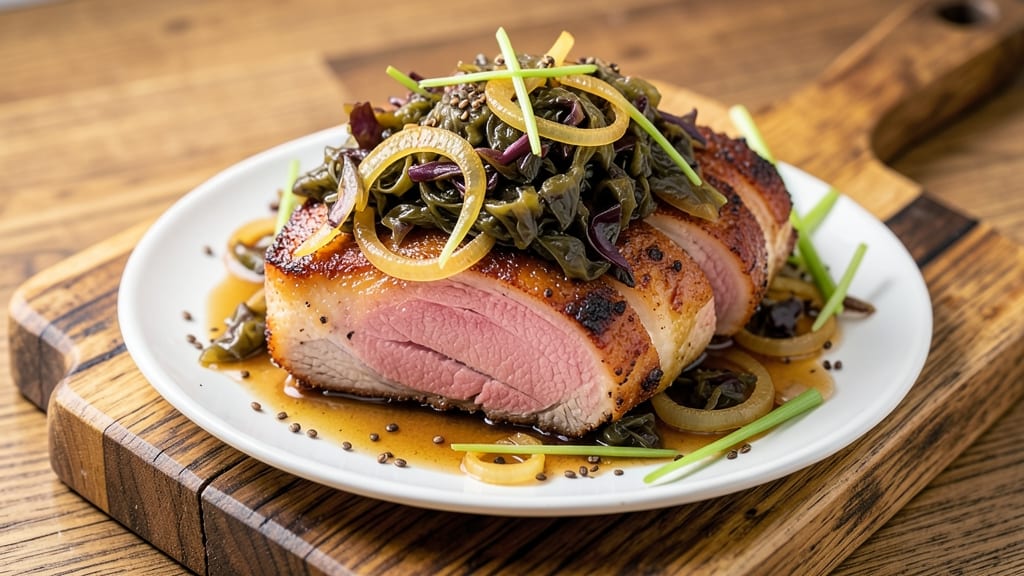
This pork and sauerkraut recipe with apple juice transforms simple ingredients into a hearty, slow-simmered masterpiece that tastes like a home-cooked hug. 💛 The secret lies in balancing the tangy crunch of sauerkraut with the sweet depth of apple juice, creating a sauce that clings to tender pork like a well-worn favorite sweater.
My grandmother used to make this in her cast-iron Dutch oven, and I've perfected it for modern kitchens—whether you have hours or just a quick weeknight to spare.
The magic happens in the slow cooking, where pork shoulder becomes fork-tender while absorbing the flavors of caraway seeds, juniper berries, and a splash of apple juice that sweetens without overpowering.
The sauerkraut softens just enough to release its tangy punch, while celery adds a crisp contrast that keeps every bite interesting. This isn't just a recipe—it's a flavor journey that starts with searing the pork and ends with a dish that smells like home.
What you'll end up with is a restaurant-quality braise where the pork practically melts off the bone, the sauerkraut has just the right texture—soft but still holding its shape—and the sauce is thick, glossy, and packed with layers of sweet, tangy, and herbal notes.
The apple juice ties everything together, creating a balance that's both comforting and exciting. Serve it with crusty bread to soak up every last drop of that flavorful sauce.
Best of all, this recipe works whether you're using a Dutch oven on the stovetop or a slow cooker for hands-off cooking. The same principles apply—just adjust the timing.
Leftovers taste even better the next day, making this the ultimate meal-prep friendly dish that still feels special enough for company. Let's get cooking!
Ingredients for pork and sauerkraut recipe with apple juice
Six ingredients transform into a dish that smells like home—tender pork, tangy sauerkraut, and sweet apple juice harmony.
| Ingredient | Amount | Notes |
|---|---|---|
| Pork Shoulder (Bone-In) 🐖 | 3 lb | Cut into 2-inch chunks, skin removed |
| Sauerkraut (Fresh, Not Drained) 🥬 | 2 cups | Packed, with juice included |
| Unsweetened Apple Juice 🍎 | 1 cup | 100% pure, no added sugar |
| Celery Stalks 🧅 | 4 whole | Chopped into 1-inch pieces |
| Yellow Onion 🧅 | 1 whole | Diced into 1/2-inch pieces |
| Caraway Seeds 🌿 | 1 ½ tsp | Whole seeds, lightly toasted |
| Juniper Berries 🌲 | 6 whole | Crushed lightly between fingers |
| Fresh Thyme 🌿 | 2 tbsp | Leaves only, stems removed |
| Bay Leaves 🌿 | 2 whole | Dried, standard size |
| Black Peppercorns 🌶️ | 1 tsp | Freshly cracked, not ground |
| Kosher Salt 🧂 | 1 ½ tsp | Diamond Crystal preferred |
| Olive Oil 🫒 | 2 tbsp | Extra-virgin, for searing |
| All-Purpose Flour 🌾 | 1 tbsp | For thickening sauce |
| Crusty Bread 🍞 | 6 slices | For serving, optional |
The pork shoulder is non-negotiable here—bone-in stays juicier, and the cut should be well-marbled for that melt-in-your-mouth texture. Costco and Whole Foods carry excellent bone-in cuts, but any butcher will trim it for you. Look for pale pink meat with white fat streaks—that's your marbling. If you're using a slow cooker, chunk it 2 inches thick; for stovetop, slightly smaller pieces crisp better. The apple juice should be unsweetened—the natural sweetness is enough, and added sugars can make the sauce cloying. Trader Joe's or Martinelli's are great budget-friendly options, but any 100% pure juice works. Celery adds that crunchy contrast—don't skip it, even if it softens during cooking.
No caraway seeds? Fennel seeds at half the amount work in a pinch, though they're subtly different. The sauerkraut should be fresh, not drained—that juice is liquid gold for the sauce. If yours is watery, squeeze it gently in a clean towel before adding. Juniper berries can be hard to find, but Penzeys or specialty spice shops stock them. No juniper? Extra black peppercorns (double the amount) add depth. The thyme should be fresh if possible—dried works at one-third the amount, but fresh has that bright herbal punch. For the olive oil, use something with fruity notes—none of that cheap, bitter grocery store stuff. And if you're worried about the sauce being too thin, that flour slurry at the end is your secret weapon.
This dish tastes better the next day—the flavors meld like a well-aged wine. Store leftovers in an airtight container for up to 5 days in the fridge, or freeze for 3 months. The sauerkraut will soften further, releasing even more tangy goodness. For serving, toast the crusty bread while the dish simmers—it soaks up the sauce like a dream. If you're prepping ahead, cook the pork and veggies only, then reheat with the sauerkraut and apple juice later. The celery keeps its slight crunch even after reheating, so don't overcook it initially. And if you're making this for a crowd, double the batch—it disappears faster than you'd think.
Why You'll Love This Recipe
- One-Pan Magic: I swear by this—just toss everything in one pot and let it braise. The bone-in pork shoulder stays juicy, the celery and onion soften into sweet strands, and the apple juice keeps it from drying out. Not the prettiest, but the taste makes up for it every time.
- Tangy-Sweet Balance: That sauerkraut’s sharp bite cuts through the pork’s richness, while the apple juice mellows it out into something dangerously addictive. Honestly, the first time I tasted it, I immediately doubled the recipe. The onion and celery add this subtle sweetness that ties it all together.
- Leftovers That Don’t Suck: Between us, this dish tastes better the next day. The flavors meld into something deeper, and reheating it is a breeze—just a quick stir or microwave. I make a big batch on Sundays and eat it all week, even if it’s just me and a sad sandwich for lunch.
- Budget-Friendly Feast: Pork shoulder is cheap, sauerkraut lasts forever, and apple juice is a pantry staple. I’ll be real: this feeds four for under $15, and the leftovers stretch even further. Plus, it’s one of those meals that makes you feel like you’re serving something fancy without breaking the bank.
Step-by-step instructions for slow-cooked pork with sauerkraut
Here's how to transform humble pork shoulder into a tender, aromatic masterpiece.
🔥 Step 1: Sear the Pork Shoulder for Deep Flavor
Pat the 3 lb pork shoulder dry with paper towels—this ensures maximum browning. Heat 2 tbsp olive oil in a Dutch oven over medium-high heat until shimmering. Working in batches, sear the pork chunks for 2-3 minutes per side until deeply golden brown. You're building flavor here, so don't rush this step.
Transfer the seared pork to a plate and set aside. The goal is to develop a rich crust while keeping the meat tender. If your pan gets too crowded, work in two batches—crowding steams instead of sears. The pork should release easily when ready to flip.
🍳 Step 2: Build the Aromatic Base with Vegetables and Spices
In the same Dutch oven, add the chopped celery stalks and diced yellow onion. Cook for 5-6 minutes until softened and slightly caramelized. This sweetness will mingle beautifully with the sauerkraut's tang.
Add the lightly toasted caraway seeds, crushed juniper berries, fresh thyme leaves, bay leaves, and cracked black peppercorns. Stir for 30 seconds until fragrant—this releases their essential oils, which will infuse the entire dish. The juniper has a piney brightness that cuts through the richness of the pork.
🥘 Step 3: Simmer the Pork with Sauerkraut and Apple Juice
Return the seared pork to the Dutch oven. Add the 2 cups sauerkraut (packed with juice) and 1 cup unsweetened apple juice. The apple juice balances the sauerkraut's acidity while adding subtle sweetness. Stir to combine, then sprinkle with 1.5 tsp kosher salt.
Bring everything to a simmer over medium heat, then reduce to low and cover partially. Let it cook for 2.5-3 hours until the pork is fork-tender. You'll know it's ready when a knife slides in easily and the juices run clear. The sauerkraut should be softened but still retain some texture—it shouldn't turn to mush.
🍲 Step 4: Thicken the Sauce and Finish the Dish
Once the pork is tender, remove it from the pot and set aside. Skim any excess fat from the surface (about 1 tbsp should remain for flavor). Sprinkle 1 tbsp all-purpose flour over the vegetables and stir vigorously for 1 minute to cook off the raw flour taste.
Slowly ladle in ½ cup of the cooking liquid and whisk until smooth. Return the pork to the pot and simmer uncovered for 10-15 minutes until the sauce thickens slightly. The dish should smell like a cozy autumn kitchen—earthy, slightly sweet, with that unmistakable fermented tang.
🍽️ Step 5: Serve with Crusty Bread
Taste and adjust seasoning with additional salt or pepper if needed. The sauce should coat the back of a spoon with a velvety texture. Serve the pork and sauerkraut mixture immediately over 6 slices crusty bread, letting guests spoon the rich sauce onto their plates.
This dish tastes even better the next day, as the flavors meld further. The pork will practically fall apart, and the sauerkraut's acidity will brighten every bite. Pair with a crisp white wine or dark beer to complement the juniper and caraway notes.
Pro Tips For Making Pork And Sauerkraut Recipe With Apple Juice
- Sear the Pork Hard: I learned this the hard way—rushing the sear means the pork stays bland. Get that bone-in shoulder screaming hot in a dry skillet for 8-10 minutes per side until it’s deep brown, not just pink. The crust locks in flavor and keeps the meat from drying out later.
- Use Juicy Sauerkraut: Drain none of that sauerkraut juice—it’s the liquid gold here. The acidity tenderizes the pork while cooking, and the juice balances the sweetness of the apple juice. If it’s too watery, squeeze out just half the liquid, but leave the rest.
- Simmer Low and Slow: After browning, drop the heat to a bare simmer (180-200°F) and cover the pot for the first 45 minutes. This melts fat from the pork into the sauerkraut, making everything rich and moist. Skipping this step means tough, dry meat—trust me, it’s worth the wait.
- Deglaze with Apple Juice: Don’t just dump apple juice over the pork—scrape up those browned bits first with a wooden spoon. Then add the juice gradually while stirring. Those caramelized bits are flavor bombs, and they dissolve into the sauce instead of sticking to the bottom.
Pro cooking tips for great pork and sauerkraut recipe with apple juice
Searing Secrets
Don't skip the searing step—this is where the magic happens. Pat the pork bone-dry with paper towels before hitting the pan, or it'll steam instead of brown. I use a Lodge cast iron Dutch oven because it retains heat beautifully, but any heavy pot works.
Sear in batches if needed—overcrowding steams the meat instead of browning it. The goal is deep golden crust, which adds layers of flavor that no slow cooking alone can match. 🔥
Spice Toasting
Toast your caraway seeds and juniper berries in the same Dutch oven for 30 seconds after removing the pork. This releases their essential oils, which infuse the entire dish with aroma. If you're short on juniper, double the black peppercorns—they provide a similar earthy depth.
Fresh thyme leaves should be added last, just before simmering, so their bright flavor doesn't cook out completely. I always crush the juniper berries between my fingers for maximum impact.
Sauerkraut Texture
Resist the urge to drain your sauerkraut—those juices are flavor gold. The liquid helps create a rich, tangy sauce that clings to the pork. If your sauerkraut is particularly watery, squeeze it gently in a clean kitchen towel before adding.
The final texture should be soft but still holding shape—not mushy. Overcooking turns it into a sad, watery glop. I test doneness by checking a piece with my fork—it should be tender but still slightly crisp.
Apple Juice Timing
Add the apple juice at the beginning of the simmer, not at the end. This gives it time to slowly meld with the other flavors rather than just sitting on top. The natural sweetness balances the sauerkraut's acidity beautifully.
I use unsweetened juice—added sugars can make the sauce taste cloying. If you're worried about the flavor being too mild, add a ½ teaspoon of honey at the end for subtle sweetness without overpowering the dish.
Sauce Thickening
That flour slurry at the end is your secret weapon for thickening. Make it with 1 tbsp flour and ½ cup cooking liquid—whisk it smooth first to avoid lumps. Return the pork to the pot and simmer uncovered for 10-15 minutes to let the sauce reduce naturally.
The goal is a velvety consistency that coats the back of a spoon. If it's still too thin, repeat with another ½ teaspoon flour—just don't overdo it, or the sauce will turn gluey.
Resting Matters
Let the pork rest for 10 minutes after cooking before serving. This allows the juices to redistribute throughout the meat, keeping each bite juicy and flavorful. I cover the pot loosely with foil during this time to retain heat.
The sauerkraut will continue softening slightly, releasing even more of its tangy goodness. This resting period is especially important if you're making this ahead—it prevents dry, stringy pork that's been overworked by serving.
Nutrition facts
Frequently asked questions
Can I substitute apple juice with another liquid?
Yes, but apple juice is key for balancing the sauerkraut's tang. Try unsweetened white grape juice or dry apple cider for similar results. Avoid sweet juices like orange or pineapple—they'll overpower the dish. For a non-fruit option, low-sodium chicken broth works well, but the flavor will be less harmonious.
How do I make this in a slow cooker?
Transfer the seared pork to your slow cooker with all ingredients except the flour. Cook on low for 7-8 hours or high for 4-5 hours, then thicken the sauce with flour as directed. The slow cooker version tastes even better the next day as flavors meld completely. Use the same 3-hour stovetop time as a guideline for timing.
What if my sauerkraut is too watery?
Drain it in a colander for 5 minutes, then gently squeeze out excess liquid using a clean kitchen towel. This preserves the flavor while preventing a thin sauce. For extra insurance, add 1 extra tablespoon flour when thickening. Watery sauerkraut happens with commercial brands—homemade or fermented longer versions are usually better textured.
Can I use pork chops instead of pork shoulder?
Pork chops won't work here—they cook too quickly and won't become tender. For a similar dish, try bone-in pork ribs or pork neck bones. Both benefit from long cooking and develop rich flavors. If you're set on chops, cook them separately and serve with the sauerkraut mixture as a topping instead of braising them together.
How do I reheat leftovers?
Gently reheat in a skillet over low heat with 1-2 tablespoons water or broth to prevent drying. Cover and warm for 5-7 minutes, stirring occasionally. Microwave reheating works but may make the sauerkraut mushy. Leftovers keep for 5 days in the fridge or 3 months frozen—just thaw overnight in the fridge before reheating.