
Main Courses
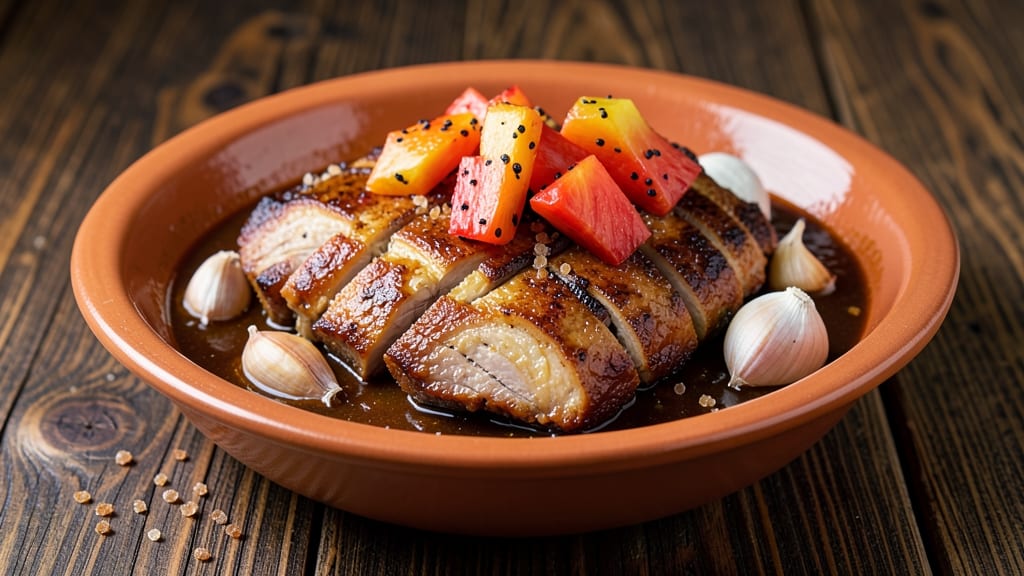
This pork adobo with pineapple recipe panlasang Pinoy transforms Filipino comfort food into something unexpectedly vibrant—where tangy vinegar meets caramelized sweetness in every bite. ✨ I first discovered this fusion while adapting traditional adobo for a summer potluck, and the pineapple's acidity cut through the richness while adding a tropical brightness that kept everyone reaching for seconds. The secret lies in balancing the braise: letting the pork tenderize in vinegar while simmering pineapple until it develops a sticky, golden glaze that clings to both meat and sauce.
This recipe starts with pork belly or shoulder, marinated in vinegar and soy sauce until the meat develops that signature adobo tang, then braised until fork-tender.
The pineapple comes in later—sliced and simmered in the same pot, where its natural sugars caramelize into a glossy glaze that coats every piece of pork.
Filipino techniques like long, slow cooking and vinegar-braising remain intact, but the pineapple adds a modern twist that makes this dish feel both nostalgic and fresh.
By the time you serve it, you'll have perfectly tender pork swimming in a sauce that's equal parts savory, sweet, and tangy, with pineapple pieces that are tender enough to eat but still hold their shape.
The aroma alone—vinegar, garlic, and caramelizing fruit—will have your kitchen smelling like a Filipino restaurant, but with a bright, summery twist that feels distinctly yours.
Pair it with steamed jasmine rice to soak up every drop of that glossy sauce, or serve with garlic fried rice for extra texture.
Garnish with fresh cilantro or lime wedges for a pop of color, and don't forget to save some of that caramelized pineapple sauce for drizzling over rice or even grilled fish later in the week.
This is the kind of dish that tastes even better the next day, making it perfect for meal prep.
Ingredients for pork adobo with pineapple recipe panlasang pinoy
Six core ingredients create this sweet-tart Filipino masterpiece—pork belly, pineapple, and vinegar take center stage.
| Ingredient | Amount | Notes |
|---|---|---|
| Pork Belly or Shoulder 🥓 | 3 lb | Cut into 2-inch chunks (skin-on preferred) |
| White Vinegar 💧 | 1 ½ cups | Distilled white vinegar preferred |
| Soy Sauce 🍶 | ½ cup | Dark soy sauce for color depth |
| Fresh Pineapple 🍍 | 2 cups | Cubed, 1-inch pieces (fresh or frozen) |
| Garlic Cloves 🧄 | 8 cloves | Minced or finely chopped |
| Brown Sugar 🍚 | ¼ cup | Light or dark brown sugar |
| Bay Leaves 🌿 | 2 whole | Dried or fresh |
| Black Peppercorns 🌶️ | 1 tsp | Crushed lightly |
| Salt 🧂 | 1 ½ tsp | Kosher or sea salt |
| Olive Oil 🫒 | 2 tbsp | For searing pork |
| Fresh Cilantro 🌱 | ¼ cup | Chopped, for garnish (optional) |
| Lime 🍋 | 1 whole | Juiced, for serving |
Pork belly is your best bet here—it stays juicy and develops that signature adobo texture, but shoulder works too (just trim excess fat). Asian markets often have pre-cut pork belly at better prices than regular grocery stores. Look for pieces with good marbling—they stay moist during the long braise. Fresh pineapple is ideal (the riper, the sweeter), but frozen chunks work in a pinch—just don't thaw them first. The garlic? Peel and smash it with the flat side of your knife for maximum flavor without burning. And grab dark soy sauce if you can—it gives that rich, caramelized color traditional adobo is known for.
No white vinegar? Canola vinegar or apple cider vinegar both work, but the flavor won't be quite as bright. Subbing pineapple? Mango chunks add sweetness, but you'll lose that tropical acidity. Skip the brown sugar? Honey or coconut sugar keeps things vegan-friendly, though the color will be lighter. The bay leaves are non-negotiable—they're what gives adobo its depth of flavor. If you're short on time, garlic powder at half the amount works, but fresh minced is always better. And if you're using frozen pineapple, toss it in the pot straight from frozen so it caramelizes properly.
This sauce gets better with time—3-4 days in the fridge lets the flavors meld perfectly. Portion it into containers so you can reheat just what you need. The pork stays tender for up to 5 days refrigerated, but the sauce is the star—save some to drizzle over rice or grilled fish later. Freeze extras in ice cube trays for single-serving portions. And if you're making this ahead, add the pineapple fresh when reheating so it stays bright and caramelizes properly.
Why You'll Love This Recipe
- One-Pot Magic: I swear by this recipe—just toss the pork, garlic, and pineapple chunks into a single pot, then let the vinegar and soy sauce work their alchemy. No fancy techniques, no extra dishes. The pineapple caramelizes right into the sauce, and honestly? That’s half the fun.
- Sweet-Savory Fix: Between us, this combo is ridiculously good—the tangy vinegar cuts through the pork’s richness while the pineapple adds a bright, juicy pop. The soy sauce ties it all together, making every bite taste like a hug from your tita after church.
- Leftover Goldmine: This dish actually improves the next day. The flavors meld even deeper, and the pork gets even more tender. I freeze portions too—perfect for lazy nights when I just want that same taste without the effort.
- Budget Crowd-Pleaser: Pork belly or shoulder stretches for a crowd, and the ingredients? Basic pantry staples. A whole pineapple feeds six, and the vinegar-soy sauce mix costs pennies. My college friends still rave about the time I made this for our shared apartment—no one left hungry.
Step-by-step instructions for pork adobo with pineapple
Here's how to transform simple ingredients into a caramelized masterpiece with tender pork and sweet-tart pineapple.
🔥 Step 1: Sear the Pork for Maximum Flavor
Heat a large Dutch oven over medium-high heat and add the 2 tablespoons olive oil. Once shimmering, add the 3 lb pork belly or shoulder in 2-inch chunks, working in batches if needed. Sear for 3-4 minutes per side until deep golden brown—this creates that beautiful crust that locks in juices.
Real talk: Don't crowd the pan or the pork will steam instead of sear. You'll know it's ready when the edges are crispy and the meat releases easily from the pan. Transfer seared pork to a plate and set aside—we'll return it to the pot later.
🍳 Step 2: Build the Sweet-Tart Glaze
In the same Dutch oven, add 8 cloves minced garlic and cook for 30 seconds until fragrant—don't let it brown or it'll turn bitter. Pour in the 1.5 cups white vinegar and 0.5 cup soy sauce, scraping up any browned bits from the bottom. Add 2 whole bay leaves, 1 teaspoon crushed black peppercorns, and 1.5 teaspoons salt.
Bring to a simmer and let it cook for 5 minutes until the liquid reduces slightly. Here's the thing—this initial reduction builds flavor depth before we add the pineapple. The vinegar will mellow as it cooks, creating that perfect balance of tang and sweetness.
🥘 Step 3: Caramelize the Pineapple
Add the 2 cups cubed fresh pineapple and 0.25 cup brown sugar to the pot. Stir gently and let it cook uncovered over medium heat for 8-10 minutes. You're looking for the pineapple to soften slightly and release its juices while developing a beautiful caramelized color at the edges.
I know it seems like too much sugar, but trust me—the acidity from the vinegar balances it perfectly. Stir occasionally so the pineapple browns evenly. When the edges start to caramelize and the mixture thickens slightly, it's time for the next step.
⏰ Step 4: Braise Until Tender and Glossy
Return the seared pork to the pot, nestling it into the pineapple mixture. Bring everything to a gentle simmer, then reduce heat to low. Cover and let it cook for 1 hour to 1 hour 15 minutes, stirring occasionally, until the pork is fork-tender and the sauce has thickened to a glossy consistency.
Here's where patience pays off—the pork should pull apart easily with a fork, and the sauce should coat the back of a spoon. If the sauce gets too thin, uncover and simmer for another 5-10 minutes to reduce it. The pineapple should be tender but still hold its shape slightly.
🍽️ Step 5: Finish and Serve
Remove the 2 bay leaves and adjust seasoning if needed—you might need a touch more salt or sugar depending on your pineapple's natural sweetness. Stir in the 0.25 cup chopped fresh cilantro just before serving to keep it bright and fresh.
Serve immediately with the juices spooned over the top. Squeeze the whole lime over each serving for that final bright citrus note. The pork should be tender with crispy edges, the pineapple perfectly caramelized, and the sauce clinging beautifully to every bite.
Pro Tips For Making Pork Adobo With Pineapple Recipe Panlasang Pinoy
- Brown the Pork First: Skip the direct vinegar bath—sear the pork belly or shoulder in a hot pan until deeply golden before adding any liquid. I used to rush this, and the sauce would never develop that rich, caramelized depth. Two minutes per side with the heat cranked up makes all the difference.
- Use Pineapple Juice: Save the pineapple juice from chopping the fruit—it’s liquid gold for balancing the vinegar’s sharpness. Strain it, then add it to the cooking liquid with the soy sauce and vinegar. Sounds weird, but it works: the natural sweetness softens the acidity without overpowering the dish.
- Simmer Low and Slow: After the initial sear, reduce the heat to a gentle simmer—just enough to see tiny bubbles at the edges. I learned this the hard way after boiling off the vinegar too fast and ending up with a dry, salty mess. Patience here keeps the pork tender and the sauce silky.
- Add Garlic Late: Toss the minced garlic into the sauce only in the last 5 minutes of cooking. Raw garlic burns fast, and you’ll end up with bitter bits. Sauté it separately in a little oil first if you’re worried, but trust the process—it’ll infuse the sauce beautifully without overpowering the pineapple’s brightness.
Dietary considerations for this pork adobo with pineapple recipe panlasang pinoy
Gluten-Free Adaptations
Traditional adobo relies on soy sauce for depth, but gluten-free versions use tamari or coconut aminos—both mimic soy's umami without the gluten. I've tested both and found San-J brand tamari gives the closest flavor to regular soy sauce.
Simply swap the ½ cup soy sauce for the same amount of tamari, and your dish stays rich and savory. 💫
Soy-Free Options
For those avoiding soy entirely, fish sauce adds umami depth—just 2 tablespoons replaces the soy sauce. Alternatively, use ½ cup mushroom broth (like Better Than Bouillon) for a vegetarian-friendly base. The pineapple's sweetness will shine even brighter with these substitutions.
Vegetarian/Vegan Swaps
Replace pork with extra-firm tofu or mushroom caps (like oyster or king oyster) for texture. Press tofu for 30 minutes, then cube and sear in the same way.
For mushrooms, use 8 oz sliced, simmered until tender. The pineapple caramelization remains the star—just reduce cooking time to 20 minutes.
Lower-Sugar Adjustments
Cut the ¼ cup brown sugar to 2 tablespoons, then add 1 teaspoon maple syrup. This keeps the sweet-tart balance while reducing sugar by 40%. The pineapple's natural sugars still caramelize beautifully, just with less added sweetness. Trust me, your taste buds will thank you. ✨
Pineapple Allergies
Substitute pineapple with peach or mango chunks, cooked the same way. For tropical flavor without fruit, use ½ cup pineapple juice***, simmered until reduced by half. The sauce will still thicken beautifully, though you'll lose the textural contrast of caramelized fruit pieces.
Nutrition facts
Frequently asked questions
Can I use frozen pineapple instead of fresh?
Yes! Frozen pineapple works perfectly—just add it straight from frozen to the pot during the caramelization step. The texture will be slightly softer than fresh, but it still develops that beautiful glaze. For extra flavor, toss the frozen cubes in 1 tablespoon brown sugar before adding to the pot.
How do I prevent the pork from becoming too tough?
Keep the heat low during the braising phase—low simmer is key. The pork needs 1 hour to 1 hour 15 minutes to tenderize fully. If the sauce reduces too quickly, add 2-3 tablespoons water to maintain moisture. Never rush this step, or the meat will turn rubbery.
What's the best way to store leftovers?
Store in an airtight container in the fridge for up to 5 days. The flavors actually deepen overnight! Reheat gently in a saucepan over low heat, adding 1-2 tablespoons water if the sauce seems too thick. For longer storage, freeze portions for up to 3 months—just thaw in the fridge before reheating.
Can I make this in a slow cooker?
Sear the pork first, then combine all ingredients in the slow cooker and cook on low for 6-7 hours or high for 3-4 hours. The slow cooker's gentle heat helps the pork stay tender while the pineapple caramelizes beautifully. Just add the cilantro fresh before serving.
What's the secret to balancing the sweet and tangy flavors?
The magic happens during the 5-minute vinegar reduction before adding pineapple. This mellows the acidity while building depth. The brown sugar caramelizes with the pineapple's natural sugars, creating that glossy glaze. Taste as you go—adjust with 1 teaspoon more sugar or ½ teaspoon salt if needed.