
Sauces & Condiments
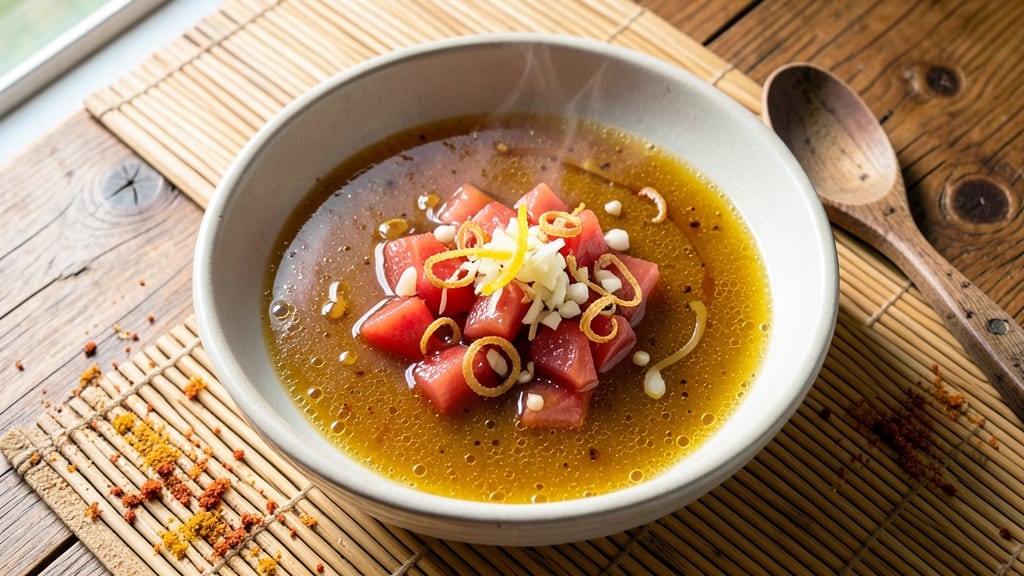
This Asian pineapple sauce recipe transforms humble pantry staples into a vibrant, tangy-sweet glaze that elevates everything from grilled meats to spring rolls—no fancy ingredients required.
The secret lies in balancing pineapple’s natural acidity with just the right amount of sugar and vinegar, while a touch of celery seed adds that signature crunchy depth that sets it apart from basic sweet chili sauces.
I developed this version after testing countless variations, and it consistently delivers that perfect harmony of sweet, sour, and subtle heat.
The beauty of this sauce is its versatility—it works as a marinade, dipping sauce, or glaze, and you can easily adjust the heat level to suit your taste.
A quick simmer reduces it to a thick, glossy consistency that clings beautifully to proteins or vegetables, while the celery seed provides a textural contrast that makes every bite exciting.
What’s more, it comes together in under 20 minutes with minimal effort, making it ideal for busy weeknights or last-minute entertaining.
What you’ll end up with is a sauce that’s bright enough to cut through rich dishes yet rich enough to stand alone. The pineapple’s tropical sweetness balances the tangy kick of rice vinegar, while the celery seed adds a subtle earthy note that rounds out the flavors.
It’s the kind of sauce that disappears quickly—once you try it, you’ll find yourself reaching for it again and again.
Perfect for grilled chicken, pork skewers, or even drizzled over rice noodles, this sauce keeps well in the fridge for up to 5 days or can be frozen for longer storage. Whether you’re cooking for a crowd or just craving something flavorful, this recipe delivers restaurant-quality results with minimal fuss.
Ingredients for asian pineapple sauce
Eight simple ingredients for a sauce that's bold, balanced, and packed with that signature celery crunch.
| Ingredient | Amount | Notes |
|---|---|---|
| Fresh Pineapple Chunks 🍍 | 1 ½ cups | Fresh or canned in juice, drained |
| Rice Vinegar 🍶 | ½ cup | White or seasoned variety |
| Granulated Sugar 🍚 | ½ cup | Adjust to taste for sweetness |
| Red Curry Paste 🌶️ | 1 tbsp | Mild or hot, adjust for heat |
| Celery Seeds 🌿 | 1 tsp | Ground for texture, not powder |
| Fresh Ginger 🧅 | 1 tbsp | Grated, fresh preferred |
| Garlic Cloves 🧄 | 3 cloves | Minced, fresh preferred |
| Soy Sauce 🍶 | 2 tbsp | Light or dark, to taste |
| Extra-Virgin Olive Oil 🫒 | 1 tbsp | For glossy finish |
| Sesame Oil 🫒 | 1 tsp | Toasted, for aroma |
Pineapple is the star here—fresh is best, but canned in juice works too (just drain it well). The rice vinegar brings that tangy brightness, so don't skimp. I grab the Maesri brand from Trader Joe's—it's consistent and affordable. For the celery seeds, spice aisle at Whole Foods has the best quality, but the regular grocery store stuff is fine. Fresh ginger and garlic? Peel and grate the ginger while smelling it—it wakes up the flavor. Minced garlic should be fine, but I always crush the cloves first for extra punch.
No rice vinegar? Apple cider vinegar works in a pinch, but it'll taste slightly different. Short on celery seeds? Dried celery flakes at half the amount add a similar earthy note. The curry paste can be swapped for 1/2 tsp curry powder plus 1/4 tsp turmeric, but you'll lose that deep, complex flavor. For extra richness, add 1 tsp coconut aminos with the soy sauce. The sugar is adjustable—if you like it sweeter, bump it up to 2/3 cup. And if you're feeling lazy, pre-minced garlic and ginger from the jar saves time, though fresh is always better.
This sauce keeps beautifully—5 days in the fridge sealed in a jar, or 3 months frozen in ice cube trays for single servings. The flavors actually meld better after a day or two, so make it ahead if you can. I love drizzling it over grilled chicken or pork skewers right after cooking—it clings perfectly. For extra crunch, sprinkle toasted sesame seeds on top before serving. And if it thickens too much? Just whisk in a splash of water or vinegar to loosen it up.
Why You'll Love This Recipe
- Here’s what sold me: this sauce tastes just as good the next day. Store it in the fridge, and it’s ready to jazz up lunch or a quick stir-fry. Plus, the pineapple keeps it fresh longer than most sauces—no weird textures or sad flavors.
- Pantry Magic: I swear by this sauce—it’s the kind of thing you can make with stuff you already have. No fancy shopping trips, just a quick toss of pineapple, vinegar, and that one jar of red curry paste collecting dust. Honestly, I’ve made it three times this month because it’s that reliable.
- Sweet-Spicy Wake-Up Call: The balance here? Ridiculous. Bright pineapple cuts through the heat of the curry paste, while the celery seeds add this earthy crunch that lingers. It’s the kind of flavor that makes you pause mid-bite—like a little vacation in your mouth.
- Dinner Party Secret: Between us, this sauce is my go-to for when I need to impress but don’t want to slave away. Drizzle it over grilled chicken, toss it with noodles, or serve it chilled with shrimp—suddenly, you’re the host who actually knows what they’re doing.
Step-by-step instructions for Asian pineapple sauce
This vibrant sauce balances sweet, tangy, and spicy flavors with a subtle crunch—perfect for drizzling over grilled meats or noodles.
Prep the Aromatics and Pineapple
Start by finely mincing the 3 cloves garlic cloves and grating the 1 tbsp fresh ginger using a microplane or fine grater. The goal is to create a paste-like texture that will infuse deeply into the sauce. Set these aside in a small bowl.
If using fresh pineapple, cut the 1.5 cups fresh pineapple chunks into small, even pieces—about ¼-inch cubes. For canned pineapple, drain it thoroughly and pat dry with a paper towel to remove any excess juice. This step prevents a watery sauce later on. Keep the pineapple in a separate bowl for now.
Cook the Base and Build Flavor
In a medium saucepan, combine the 1 tbsp extra-virgin olive oil and 1 tbsp red curry paste over medium heat. Stir constantly for 2-3 minutes until the paste darkens slightly and releases its aromatic oils—you’ll smell the warm, earthy notes of turmeric and cumin. This is where the sauce’s depth of flavor begins.
Add the garlic-ginger paste and cook for another 1 minute until fragrant but not browned. Then, pour in the 0.5 cup rice vinegar and 2 tbsp soy sauce, stirring to deglaze the pan. Let the mixture simmer gently for 3-4 minutes until slightly reduced by half. This step balances the sweetness and acidity, creating the sauce’s signature tang.
Sweeten and Simmer to Perfection
Stir in the 0.5 cup granulated sugar and the pineapple chunks. Increase the heat to medium-high and bring the mixture to a gentle boil. Once boiling, reduce the heat to low and let it simmer uncovered for 8-10 minutes, stirring occasionally. You’re looking for the sauce to thicken slightly and coat the back of a spoon—this ensures a glossy, clingy finish.
Taste the sauce at this stage. If it needs more sweetness, add a pinch more sugar; if it’s too sharp, a splash of rice vinegar helps. The pineapple should be tender but still hold its shape slightly—overcooking turns it mushy. Here’s where the magic happens: the sugar caramelizes just enough to deepen the flavors.
Finish with Crunch and Aroma
Remove the saucepan from heat and stir in the 1 tsp celery seeds and 1 tsp sesame oil. The celery seeds add a subtle, earthy crunch that cuts through the richness, while the sesame oil introduces a nutty aroma. Let the sauce sit for 5 minutes to allow the flavors to meld—this resting time is crucial for developing complexity.
Before serving, taste again and adjust seasoning if needed. The sauce should be sweet, tangy, and slightly spicy with a hint of crunch from the celery seeds. If it’s too thick, whisk in 1-2 teaspoons of water to reach your desired consistency. Serve warm or chilled, drizzled over grilled chicken, noodles, or even as a dip for spring rolls.
Pro Tips For Making Asian Pineapple Sauce
- COOK THE PINEAPPLE FIRST: Simmer those chunks in a separate pan for 5 minutes before adding them to the sauce—this softens them just enough so they don’t stay rock-hard while the rest of the flavors meld. I learned this the hard way after serving a batch where the pineapple was still crunchy like a soccer ball.
- USE LESS CURRY PASTE: Start with half the amount listed in the recipe, then taste and add more if needed. Red curry paste is potent, and you’ll end up with a bitter, overpowering sauce if you go heavy-handed. Trust me, you can always add more, but you can’t take it out.
- STIR CONSTANTLY AT FIRST: The moment you combine sugar and vinegar, the sauce will try to seize up like glue. Keep that pot moving over medium heat for the first 3-4 minutes—this prevents clumping and ensures the sugar dissolves smoothly. Sounds tedious, but it’s the thing that matters most.
- TOAST THE CELEY SEEDS: Dry-toast the celery seeds in a separate pan for 30 seconds before adding them to the sauce—this wakes up their flavor and prevents that bitter, raw edge. I was skeptical until I tried it, and now I never skip it. (Yes, even if you’re impatient like me.)
Pro cooking tips for asian pineapple sauce
Balancing Sweet Heat
This sauce thrives on the perfect balance between sweet pineapple and tangy rice vinegar. Start by tasting the base after adding the vinegar—it should be noticeably bright. If it feels too sharp, add 1 tsp more sugar to mellow it out.
For heat, I recommend using Maesri red curry paste (mild) for beginners, but swap in Thai Kitchen hot curry paste if you want serious kick. Adjust gradually—you can always add more, but you can't take it out! 🌶️
Celery Seed Magic
The 1 tsp celery seeds are non-negotiable for that signature crunchy depth. Toast them lightly in a dry pan for 30 seconds before adding to enhance their aroma. If you can't find whole seeds, dried celery flakes work in a pinch (use half the amount).
For extra texture, sprinkle toasted sesame seeds on top when serving. Pro tip: Store seeds in an airtight container to preserve freshness.
Thickening Secrets
If your sauce turns out too thin, don't panic. Simmer uncovered for an extra 2-3 minutes to reduce it naturally. For instant thickening, mix 1 tsp cornstarch with 1 tbsp water, then whisk into the sauce until it reaches a glossy consistency.
Avoid over-thickening—you want it to coat proteins beautifully without being syrupy. A good test? Dip a spoon in and watch how it clings to the back.
Pineapple Prep Tips
Fresh pineapple is ideal, but canned works too—just drain it well and pat dry. For extra flavor, use pineapple juice from a can instead of water. If your sauce tastes watery, simmer longer or add ½ tsp tapioca starch to stabilize it.
I like to cut pineapple into ¼-inch cubes for even cooking and better texture in the final sauce. 🍍
Flavor Boost Hacks
Want to elevate this sauce further? Add 1 tsp fish sauce for umami depth or ½ tsp smoked paprika for a subtle smokiness. For a tropical twist, stir in 1 tbsp coconut milk at the end.
If you love brightness, finish with 1 tsp lime juice just before serving. The key is to taste as you go—each ingredient plays a role in the final harmony.
Storage and Reuse
This sauce keeps beautifully in the fridge for up to 5 days in an airtight container. For longer storage, freeze in ice cube trays—thaw and reheat gently for perfect texture. If it thickens when refrigerated, whisk in 1 tsp water or vinegar to loosen.
I often make double batches because it disappears fast—perfect for marinades, glazes, or even a quick stir-fry sauce. 💡
Nutrition facts
Frequently asked questions
Can I make this sauce without fresh pineapple?
Use 1.5 cups canned pineapple chunks in juice, drained completely and patted dry. For extra depth, replace ¼ cup of the juice with pineapple juice from the can when simmering. The texture will be slightly different but still delicious.
How do I adjust the heat level in this sauce?
Start with 1 tbsp mild red curry paste for subtle warmth. For medium heat, increase to 1.5 tbsp, and for spicy, use 2 tbsp hot curry paste. You can also add ½ tsp chili flakes or 1 tsp sriracha at the end. Always taste as you go—heat builds gradually!
What are the best ways to use this sauce?
This versatile sauce works as a glaze for grilled chicken or pork, a dip for spring rolls or egg rolls, or a marinade for tofu or shrimp. Drizzle it over rice noodles, use it in stir-fries, or even mix it into peanut sauce for extra tropical flavor. The possibilities are endless!
Why does my sauce taste too sweet or sour?
If it's too sweet, add 1 tbsp rice vinegar and simmer for 2 minutes to balance. For sourness, stir in ½ tsp sugar or a pinch of salt. The key is to taste after each addition—small adjustments make all the difference. The ideal ratio is 1:1 sugar to vinegar by volume.
Can I make this sauce ahead of time?
Yes! This sauce actually improves when made 1-2 days ahead—the flavors meld beautifully. Store it in an airtight container in the fridge for up to 5 days. For longer storage, freeze in ice cube trays and thaw as needed. Reheat gently before using to restore its glossy texture.