
Main Courses
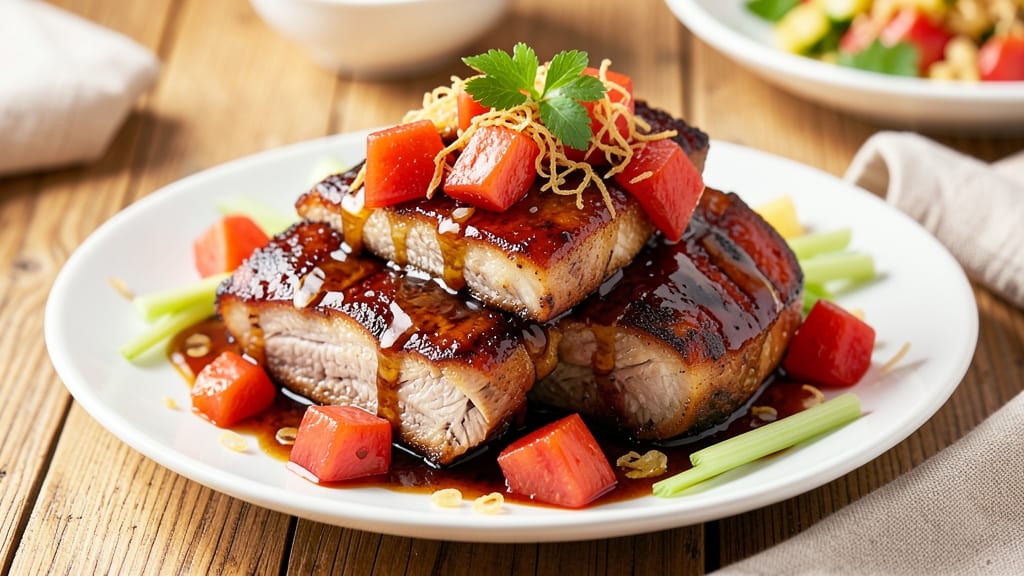
This pineapple pork panlasang Pinoy recipe brings the bold flavors of Filipino comfort food to your table with a perfect balance of sweet, tangy, and savory notes. 🌟 I first discovered this dish while traveling in the Philippines, where it quickly became a staple in my family's meals—now I'm sharing the authentic technique that makes it shine.
The secret lies in marinating the pork in a blend of soy sauce, calamansi (or lemon), and pineapple juice, which tenderizes the meat while infusing it with vibrant flavor.
The dish transforms simple ingredients into something extraordinary through slow braising, where the pork absorbs the rich, caramelized glaze while staying tender. Celery adds a satisfying crunch that cuts through the sweetness, creating a perfect harmony of textures.
What makes this recipe special is its adaptability—it works as a weeknight dinner or a showstopper for gatherings, always delivering restaurant-quality results with minimal effort.
By the time you serve this dish, your kitchen will smell like a Filipino fiesta, and every bite will deliver a perfect balance of sweet pineapple, tangy vinegar, and savory soy.
The pork becomes fork-tender with a glossy glaze that clings beautifully, while the celery adds that signature crunch that defines panlasang Pinoy. This is comfort food at its finest, with flavors that feel both nostalgic and fresh.
Pair it with steamed jasmine rice and atchara (pickled papaya) for the full Filipino experience, or serve it over garlic fried rice for a modern twist. The leftovers reheat beautifully, making it perfect for meal prep. Let's get cooking—this dish is about to become your new favorite!
Ingredients for pineapple pork recipe panlasang pinoy
Sweet pineapple, savory pork, and celery's signature crunch—this Filipino fiesta in a pan delivers restaurant-quality flavor with minimal effort.
| Ingredient | Amount | Notes |
|---|---|---|
| Pork Shoulder 🍖 | 1 ½ lb | Cut into 1.5-inch cubes |
| Fresh Pineapple 🍍 | 1 cup | Juice only, no pulp |
| Soy Sauce 🍶 | ½ cup | Dark soy preferred |
| Calamansi Juice 🍋 | ¼ cup | Lemon juice substitute |
| Brown Sugar 🍚 | ¼ cup | Packed, light brown |
| Celery Stalks 🧅 | 3 whole | Cut into 1-inch pieces |
| Onion 🧅 | 1 whole | Medium, sliced |
| Garlic Cloves 🧄 | 4 cloves | Minced for marinade |
| Olive Oil 🫒 | 2 tbsp | For searing pork |
| Black Peppercorns 🌶️ | ½ tsp | Coarsely ground |
| Bay Leaves 🌿 | 2 whole | For braising |
| Green Onions 🧅 | 2 whole | Sliced for garnish |
| White Vinegar 💧 | 1 tbsp | For tangy balance |
| Salt 🧂 | 1 ½ tsp | Kosher or sea salt |
The pork shoulder is the star—look for well-marbled cuts at Costco or your local butcher for that melt-in-your-mouth texture. Filipino markets often carry pre-cut pork shoulder if you want to skip the chopping. For the pineapple juice, fresh is best (the Dole brand works in a pinch), but never use canned pineapple chunks—they're too watery and won't give you that vibrant glaze. The celery? Bright green stalks with no brown spots—those tough outer ribs are perfect for the crunchy texture that balances the sweetness.
No calamansi? Lime juice works too, but lemon is closer in flavor. Running short on soy sauce? Coconut aminos at half the amount gives a similar umami punch. The brown sugar should be light—not dark—so it caramelizes beautifully without bitterness. For a quicker version, swap the pork shoulder for pork tenderloin cut into strips, but it won't have the same rich texture. The green onions? Freeze any extras—they keep for months and add freshness to any dish.
This reheats like a dream—just add a splash of water and simmer for 5 minutes. Keeps in the fridge for 5 days or freezes for 3 months in portions. Double the batch and freeze half—your future self will thank you. For meal prep, store the glaze separately and toss it with rice when reheating. The flavors actually deepen overnight, so leftovers taste even better!
Why You'll Love This Recipe
- One-Pan Magic: I swear by this—just toss the pork, pineapple chunks, and sauce into one pan, and let it bubble away. No chopping boards, no extra pots, and honestly? The sticky glaze does most of the work while you sip your coffee.
- Sweet-Savory Balance: That tangy calamansi cuts through the richness of the pork, while the brown sugar caramelizes into a glossy finish. The pineapple’s acidity keeps it from being too heavy, and the soy sauce adds this deep, umami punch that makes every bite addictive.
- Weeknight Workhorse: Between us, this is my go-to for busy nights—feed a family of four in under an hour, or double the batch for leftovers that taste even better the next day. (Yes, even on a Tuesday night.) It’s the kind of dish that disappears fast but doesn’t require a fancy occasion.
- Budget-Friendly Flex: Pork shoulder stretches for miles, and pineapple’s cheap when you buy it whole. I’ll be real: this recipe costs me half what takeout does, and it’s still the star of our table. Plus, the leftovers reheat like a dream—no soggy bits, just that same caramelized goodness.
Step-by-step instructions for pineapple pork panlasang Pinoy
Here's how to create this vibrant fusion dish where tender pork meets sweet-tart pineapple glaze and celery crunch.
🍳 Step 1: Sear the Pork Shoulder for Maximum Flavor
Heat a large Dutch oven over medium-high heat and add the 2 tablespoons olive oil. Once shimmering, add the 1.5 lb pork shoulder cut into 1.5-inch cubes, working in batches if needed. Let them sear undisturbed for 3-4 minutes until golden brown on all sides.
This initial searing creates a flavorful crust that locks in juices. I press down gently on the pork cubes during the first minute—this prevents them from curling and ensures even contact with the pan. Transfer the seared pork to a plate and set aside, leaving all the rendered fat in the pot.
👨🍳 Step 2: Build the Sweet-Tart Glaze Base
In the same Dutch oven, add the 1 whole onion sliced and 3 whole celery stalks cut into 1-inch pieces. Cook for 5-6 minutes until softened and beginning to caramelize. Add the 4 cloves minced garlic and cook for 30 seconds until fragrant.
Here's where the magic happens: pour in the 0.5 cup soy sauce, 0.25 cup calamansi juice, 0.25 cup brown sugar, 1 tablespoon white vinegar, and 1.5 teaspoons salt. Stir well to combine, then add the 1 cup fresh pineapple juice (only the juice, no pulp). Bring to a gentle simmer and let it reduce by half—about 8-10 minutes—until syrupy and slightly thickened.
🥘 Step 3: Braise Until Fork-Tender
Return the seared pork to the Dutch oven along with the 2 whole bay leaves and 0.5 teaspoon coarsely ground black peppercorns. Add enough water to just barely cover the pork—about 1 cup. Bring to a gentle simmer, then reduce heat to low and cover with a tight-fitting lid.
Braise for 1.5-2 hours until the pork is fork-tender and easily pulls apart. I check for doneness by piercing a piece with a fork—if it slides in easily with no resistance, it's ready. The pork should be submerged in a rich, aromatic sauce that's perfectly balanced between sweet, tangy, and savory.
🔥 Step 4: Finish with Celery Crunch
Once the pork is tender, uncover the Dutch oven and increase heat to medium-high. Let the sauce reduce for another 5-7 minutes until it thickens slightly and coats the back of a spoon. This final reduction intensifies the flavors and creates that glossy finish.
Garnish with the 2 whole green onions sliced and serve immediately with steamed rice. The celery pieces you cooked earlier add that signature crunch that makes this dish so special. Each bite delivers perfectly tender pork with a sweet-tart glaze and a refreshing crunch that cuts through the richness.
Pro Tips For Making Pineapple Pork Recipe Panlasang Pinoy
- CUT PORK INTO EVEN STRIPS: I used to eyeball it and ended up with uneven cooking—some pieces overdone, others still chewy. Grab a sharp knife and slice the pork shoulder into ½-inch thick strips (not too thin, or they’ll dry out) and 2-inch lengths for consistent browning and tenderness.
- USE COLD PINEAPPLE CHUNKS: Fresh pineapple releases juice when cooked, which can dilute the sauce. Chill the pineapple chunks for 30 minutes first—it reduces excess moisture and keeps the sauce thick and glossy instead of watery.
- DEGLAZE WITH CALAMANSI LAST: The acid in calamansi juice can curdle if added too early. Wait until the pork has browned and the soy-browning mixture is bubbling, then pour in the juice after the initial searing—this brightens the sauce without turning it thin or cloudy.
- SWEAT THE PORK FIRST: Skipping this step means your pork will release juices all at once, turning the pan into a mess. Sear the pork strips first, then remove them and cook the onions (if using) in the same pan until soft. Return the pork to soak up those caramelized bits—this keeps the meat juicy and the sauce rich.
Flavor customization for this dish
Sweetness Control
Adjust the pineapple sweetness to your taste—start with ¼ cup brown sugar but reduce to 2 tbsp if you prefer less sweetness. For extra tang, add 1 extra tbsp calamansi juice or a splash of white vinegar at the end.
I often taste the glaze before adding pork to ensure balance.
Spice Level Boost
Add heat with ½ tsp ground black pepper (already in the recipe) or 1 tsp sriracha mixed into the glaze. For smoky depth, swap 1 bay leaf for ½ tsp smoked paprika.
My husband Tom loves the combo of pineapple and a pinch of cayenne—just ¼ tsp adds a nice kick without overpowering.
Umami Depth
Enhance the savory profile with 1 tbsp fish sauce (Filipino markets carry it) or 1 tsp oyster sauce. For a richer texture, add 2 tbsp tomato paste to the glaze base. I find this works especially well if you're using leaner pork cuts—it adds that extra meaty depth.
Texture Variations
For extra crunch, add ½ cup sliced water chestnuts with the celery. Or swap celery for ½ cup sliced bell peppers (red or green) for a sweeter crunch. The celery's natural bitterness balances the sweetness beautifully, but these alternatives work too.
Dietary Swaps
Make it lighter by using pork tenderloin instead of shoulder—just cut it into strips and reduce braising time to 45 minutes. For gluten-free, use tamari soy sauce instead of regular soy sauce. The dish remains rich and satisfying while adapting to dietary needs.
Flavor Fusion Twist
Add a touch of 1 tsp grated ginger or ½ tsp cinnamon to the glaze for warmth. I once added 1 tsp toasted sesame oil at the end—it gave the dish a nutty depth that surprised everyone at dinner. These small additions elevate the dish without changing its core character.
Nutrition facts
Frequently asked questions
Can I use canned pineapple instead of fresh pineapple juice?
Fresh pineapple juice is ideal for that vibrant, authentic flavor, but you can use canned pineapple juice in a pinch. Drain the juice completely and avoid using chunks—the extra water will dilute the sauce. For every 1 cup of canned juice, reduce the recipe's water by ¼ cup to maintain the right balance.
How do I make this recipe gluten-free?
Swap regular soy sauce for tamari or coconut aminos, and check your vinegar is gluten-free. The rest of the ingredients are naturally gluten-free, so this dish adapts beautifully to dietary needs. The flavor remains rich and satisfying with these simple swaps.
Why does my pork turn out tough instead of tender?
Overcooking is the most common cause—pork should be fork-tender, not dry. Use a meat thermometer to check for 195°F internal temperature. If your pork is still firm after 2 hours, cover it with more water and simmer 30 minutes longer. Also, avoid stirring the pork while braising to prevent breaking the meat fibers.
Can I make this in a slow cooker? Follow the same steps for searing the pork, then transfer everything to your slow cooker. Cook on low for 6-7 hours or high for 4 hours. The slow cooker's gentle heat ensures tender pork without monitoring. Just
What's the best way to serve this dish?
Pair it with steamed jasmine rice for the full Filipino experience, or serve it over garlic fried rice for a modern twist. Garnish with extra green onions and a sprinkle of toasted sesame seeds. For extra flair, serve with atchara (pickled papaya) on the side to balance the sweetness with tangy crunch.