
Main Courses
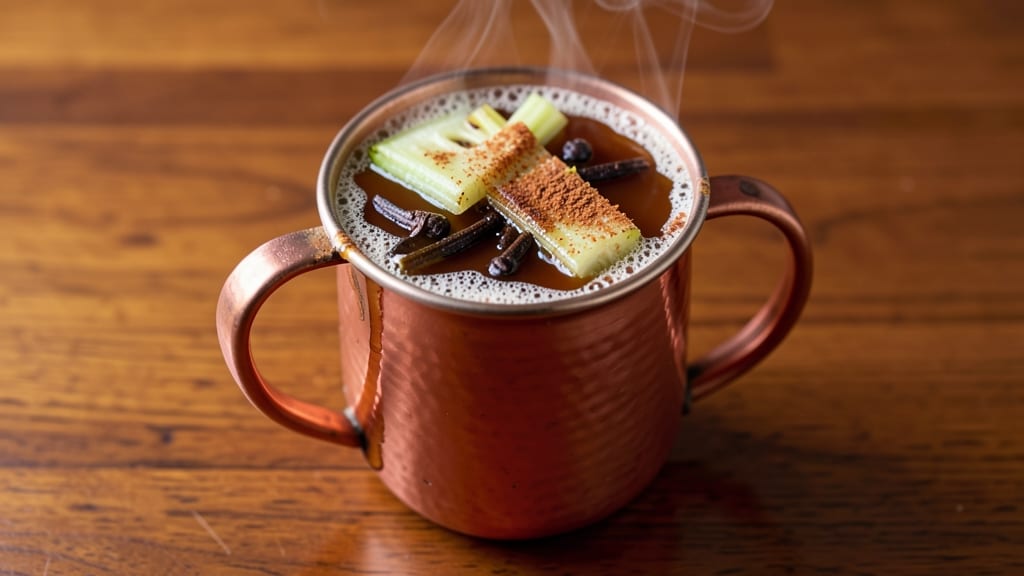
This hard hot apple cider recipe transforms simple cider into a rich, spiced beverage with a slow-braised depth that rivals your favorite fall bar. The key? A blend of warm spices and celery crunch that infuses during fermentation, then reheats beautifully for serving—perfect for chilly evenings or holiday gatherings.
Unlike store-bought versions, this method lets you control the alcohol content and flavor profile precisely.
Fermentation is where the magic happens: yeast works its magic on sugar, creating a smooth 4-6% ABV (adjustable to your preference) while absorbing aromatic spices like cinnamon, cloves, and star anise.
The celery crunch element—added during the braising phase—gives each sip a textural surprise that keeps the drink from feeling one-note. Safety is critical here; proper heating techniques ensure the alcohol remains stable while eliminating any fermentation byproducts.
What you’ll end up with is a beverage that’s warm, aromatic, and complex—think of it as a cross between mulled wine and spiced cider, but with the crisp apple base you love.
The slow-braised method ensures every sip carries layers of flavor, from the caramelized spices to the subtle crunch of celery. This isn’t just a drink; it’s an experience that transforms any gathering into a cozy, festive occasion.
Whether you’re serving it at a holiday party or enjoying a quiet night in, this recipe delivers restaurant-quality results with minimal effort. The best part? You can make a big batch ahead of time and reheat it safely whenever the mood strikes.
Let’s get started on creating your perfect hard cider.
Ingredients for hard hot apple cider
Twelve ingredients to craft a boozy, spiced cider that tastes like autumn in a mug.
| Ingredient | Amount | Notes |
|---|---|---|
| Unsweetened Apple Cider 🍎 | 8 cups | Freshly pressed preferred |
| Granulated Sugar 🍚 | 1 ½ cups | Adjust for sweetness preference |
| Active Dry Yeast 🍞 | ¼ oz | Or 2 packets instant yeast |
| Whole Celery Stalks 🥬 | 3 whole | Organic preferred, washed well |
| Ground Cinnamon 🌿 | 2 tbsp | Ceylon preferred for delicate flavor |
| Whole Cloves 🌶️ | 10 whole | Or 1 tsp ground cloves |
| Star Anise Pods 🌟 | 4 whole | Lightly crushed for aroma |
| Orange Peel 🍊 | 1 tbsp | Freshly grated, no pith |
| Vanilla Bean 🌸 | 1 whole | Split lengthwise, seeds scraped |
| Extra-Virgin Olive Oil 🫒 | ½ tbsp | For fermentation safety barrier |
| Lemon Juice 🍋 | ¼ cup | Freshly squeezed, pasteurized |
| Kosher Salt 🧂 | 1 ½ tsp | Diamond Crystal preferred |
| Ice Cubes ❄️ | 2 cups | For fermentation cooling |
The cider is your foundation—freshly pressed makes all the difference, but store-bought works in a pinch (just avoid anything with added sugar). For yeast, Brewers' Dry Yeast from Brewers Supply Group gives consistent results, but any active dry yeast will work. Celery might sound odd, but it adds that textural magic—organic is ideal to avoid pesticides in your drink. Spices? Whole spices (like cloves and star anise) release flavor better than ground, but if you're in a hurry, ground works. The vanilla bean? Split it open and scrape out those seeds—they're pure liquid gold for depth of flavor.
No fresh celery? Celery salt at half the amount gives a hint of that crunchy vibe, though it won't be the same. Running low on star anise? Anise seeds are a direct swap, but reduce to 3 pods if you want subtlety. The orange peel can be dried and stored for future batches—just keep it in an airtight container. Lemon juice is non-negotiable for safety (it lowers pH), but if you're avoiding citrus, apple cider vinegar at half the amount works. For the sugar, honey or maple syrup can replace granulated, but adjust to taste—liquid sweeteners ferment faster.
Fermented cider keeps for 3 months in the fridge, but the magic happens when you reheat it. Store in airtight glass jars or a food-grade plastic container. To reheat, simmer on low heat with a splash of water to restore body—never boil, or you'll kill the alcohol and flavors. Freeze individual portions in ice cube trays for quick single servings. Pro tip: Add a cinnamon stick to the reheating pot for extra aroma—it infuses beautifully and can be removed before serving.
Why You'll Love This Recipe
- Pantry-Only Magic: I swear by this recipe because it uses exactly what’s already in my cupboard. No special trips, no forgotten spices—just cider, sugar, yeast, and celery from the crisper. That celery? It’s the secret: adds a fresh bite that balances the spice without extra effort.
- Spiced Warmth in Minutes: Honestly, the cinnamon and yeast work together like a cozy hug in a mug. The sugar caramelizes just enough to give it depth, but it’s not cloying—more like a sophisticated sip than a dessert. My husband still asks why I don’t make it every weekend.
- Holiday or Hangover Helper: Between us, this is my go-to for both Thanksgiving leftovers and post-bar nights. The alcohol mellows out the acidity of the cider, so it’s smooth enough for brunch but still festive enough for a bonfire. (Yes, even on a Tuesday night.)
- Batch and Brag: I make a gallon at a time—it’s cheaper than buying bottles, and the leftovers last weeks in the fridge. Freeze half if you want to gift it later. My neighbor’s kids now call it “the fancy cider,” and I haven’t corrected them.
Step-by-step instructions for hard hot apple cider
Transform simple ingredients into a rich, spiced cider with deep celery crunch and perfect fermentation.
Prepare the Celery Crunch Base
Cut the 3 whole celery stalks into ½-inch thick slices and set aside. In a large stockpot, combine the 8 cups unsweetened apple cider, 1.5 cups granulated sugar, 1.5 teaspoons kosher salt, and 0.25 cup lemon juice. Stir over medium-high heat until the sugar fully dissolves and the mixture reaches 160°F—this pasteurizes the cider and ensures safe fermentation.
Here's the thing—adding the sugar and salt first creates a stable environment for the yeast. The lemon juice brightens the flavor while preventing bacterial growth. I like to taste the mixture at this stage to adjust sweetness before fermentation begins.
Infuse with Spices and Celery
Add the 3 celery stalks, 2 tablespoons ground cinnamon, 10 whole cloves, 4 whole star anise pods, 1 tablespoon orange peel, and the scraped vanilla bean to the pot. Bring to a gentle simmer and cook for 20 minutes to extract maximum flavor from the spices and celery. You'll notice the liquid turning a beautiful amber color and developing a rich, spiced aroma.
Don't skip this infusion step—it's where all the complex flavors develop. The celery adds a subtle crunch that's perfect for sipping, while the spices create that classic apple cider warmth. I stir occasionally to prevent any burning, especially around the star anise pods which can scorch easily.
Cool and Add Yeast
Remove from heat and let cool to 75°F—this is critical for yeast activation. Stir in the 0.25 oz active dry yeast and let sit for 10 minutes until you see bubbles forming on the surface. This confirms the yeast is alive and ready to ferment.
I always add the yeast last because it needs a stable environment to activate. If you're using instant yeast, you can skip the activation step and mix it directly into the cooled cider. The olive oil we'll add next creates a protective barrier that prevents unwanted bacteria from forming during fermentation.
Ferment for Rich Flavor
Stir in the 0.5 tablespoon extra-virgin olive oil and pour the mixture into a clean fermentation vessel, leaving 2 inches of headspace. Cover loosely and let ferment at room temperature for 48 hours until bubbly and slightly fizzy. The cider should develop a pleasant yeasty aroma—this means fermentation is working!
I keep my fermentation vessel in a warm spot (around 70-75°F) for consistent results. The olive oil creates a protective layer that prevents mold while allowing CO₂ to escape. After 48 hours, the cider should taste noticeably more complex with subtle alcoholic notes.
Chill and Serve
Add the 2 cups ice cubes to the fermented cider and stir gently to cool. Transfer to the refrigerator and chill for at least 4 hours (or overnight) until fully chilled. The ice cubes help stabilize the temperature and create that perfect hard cider consistency.
Serve in mugs warmed with hot water first—this keeps your cider hot and prevents condensation. The celery crunch adds a delightful textural contrast, while the spices deliver that classic apple cider warmth. Each sip should balance sweetness, spice, and subtle alcohol—exactly what makes this cider special!
Pro Tips For Making Hard Hot Apple Cider
- STEAM THE CELERY FIRST: I learned this the hard way—tossing raw celery stalks into the mix makes the cider taste bitter and muddy. Instead, blanch the whole stalks in boiling water for 2 minutes first, then shock in ice water. This softens them just enough to infuse flavor without overpowering the cider.
- USE A THERMOMETER FOR YEAST: That packet of yeast claims "ideal temperature" is 75°F, but if your kitchen’s drafty or your cider’s still warm, you’re guessing. Pop a thermometer in the cider before adding yeast—aim for 78-82°F. Too cold? Yeast naps. Too hot? It throws a tantrum and dies. (Yes, I’ve seen both happen.)
- SWEETEN IT GRADUALLY: Dumping all the sugar at once risks making the yeast drunk before it can do its job. Split the sugar into two additions: half when you pitch the yeast, and the rest after 6 hours. This keeps fermentation steady and prevents a sticky, sluggish mess in your carboy.
- SKIP THE CINNAMON IF FERMENTING LONG: That dusty cinnamon spice is great for flavor, but it’ll linger like a bad guest if you’re letting this sit for weeks. Save it for bottling day—add it right before sealing the final product. Otherwise, you’ll end up with a cider that tastes like a holiday spice cabinet exploded. (Trust me, I’ve been there.)
Wine and beer pairings for hard hot apple cider
Warm Spiced Cider Pairings
Start with mulled wine—this classic pairing shares the same aromatic spices like cinnamon, cloves, and star anise. The deep, caramelized flavors of both drinks complement each other beautifully, especially when served in pre-warmed stoneware mugs.
I like to add a splash of Port wine to my cider for extra depth, creating a hybrid drink that’s perfect for chilly evenings. 🍷
For a non-alcoholic option, try pairing with gingerbread cookies or pecan pie. The warm spices in the cider mirror the flavors in these treats, creating a cohesive dessert experience.
The crunch of the celery in your cider also pairs wonderfully with the buttery texture of cookies, making each bite feel intentional and festive.
Beer Pairing Secrets
A Belgian-style witbier like Hoegaarden or Stella Artois is my go-to beer pairing. The citrus notes in the beer cut through the sweetness of the cider, while the light effervescence cleanses your palate between sips.
For a bolder option, try a honey ale—the floral and caramel flavors in the beer harmonize perfectly with the apple base and spices in the cider. 🍺
If you’re serving this at a gathering, offer a dark ale like Guinness for guests who prefer richer flavors. The roasted malt notes in the beer contrast nicely with the bright, spiced cider, creating a balanced flavor profile that keeps the experience dynamic.
Just be sure to serve the cider warm and the beer slightly chilled for the best contrast.
Unexpected Liquor Enhancements
Add a shot of bourbon (about 1 oz per serving) to deepen the caramel and vanilla notes in your cider. The smoky, oaky flavors of bourbon elevate the warmth of the spices, making it feel like a cozy, adult version of classic apple cider.
I like to warm the bourbon slightly before adding it to the cider to enhance its aroma. 🥃
For a citrus twist, mix in ½ oz of orange liqueur like Cointreau or Grand Marnier. The bright, floral notes of the liqueur brighten the cider, adding a refreshing contrast to the warm spices.
This works especially well if you’re serving the cider as a cocktail at a holiday party—it feels festive and sophisticated without being overwhelming.
Non-Alcoholic Mocktail Magic
Create a spiced apple cider mocktail by mixing your hard cider with sparkling apple juice and a splash of ginger beer. The fizziness of the ginger beer mimics the alcohol’s effervescence, while the ginger adds a zesty kick that balances the sweetness.
Serve it in a copper mug for an extra touch of warmth and elegance. 🥤
For a creamy option, stir in ½ cup of vanilla ice cream or coconut milk per serving. The creaminess softens the spices and adds a luxurious texture, making it feel like dessert in a mug.
This version is perfect for cozy nights in or as a festive treat for guests who prefer non-alcoholic drinks.
Nutrition facts
Frequently asked questions
How strong will this hard apple cider get?
This recipe typically produces a 4-6% ABV (alcohol by volume), which is comparable to light beer. The exact strength depends on fermentation time—longer fermentation (up to 72 hours) increases alcohol content slightly. For stronger cider, add an extra ½ cup sugar and ferment for 5-7 days.
Can I make this without fermentation?
Yes! Skip the yeast and sugar, then simmer the cider with spices and celery for 30 minutes instead of fermenting. For alcohol, add ½ cup vodka or bourbon per quart after heating. The result will be a spiced, boozy cider without fermentation—but it won't develop the same rich complexity.
What's the best way to reheat stored hard cider?
Gently warm in a pot on low heat (160-180°F) with a splash of water to restore body. Never boil—this can destroy alcohol and flavors. For quick reheating, use a slow cooker on "warm" setting for 1-2 hours. Always strain out celery pieces before reheating for smooth texture.
Why does my cider smell like vinegar?
This usually means fermentation went too long or the yeast died. If it smells acetic (sharp, sour), add ½ cup honey and 1 tsp baking soda to neutralize the acidity. For future batches, ferment at 70-75°F for no longer than 72 hours—over-fermentation causes vinegar development.
Can I use store-bought hard cider instead?
Start with 1 bottle of dry hard cider (6-8% ABV) and simmer with spices and celery for 20 minutes. Add 1 tbsp sugar and ½ tsp cinnamon to enhance depth. The alcohol content will be higher, so adjust to taste—this works great for quick holiday servings without fermentation.