
Sauces & Condiments
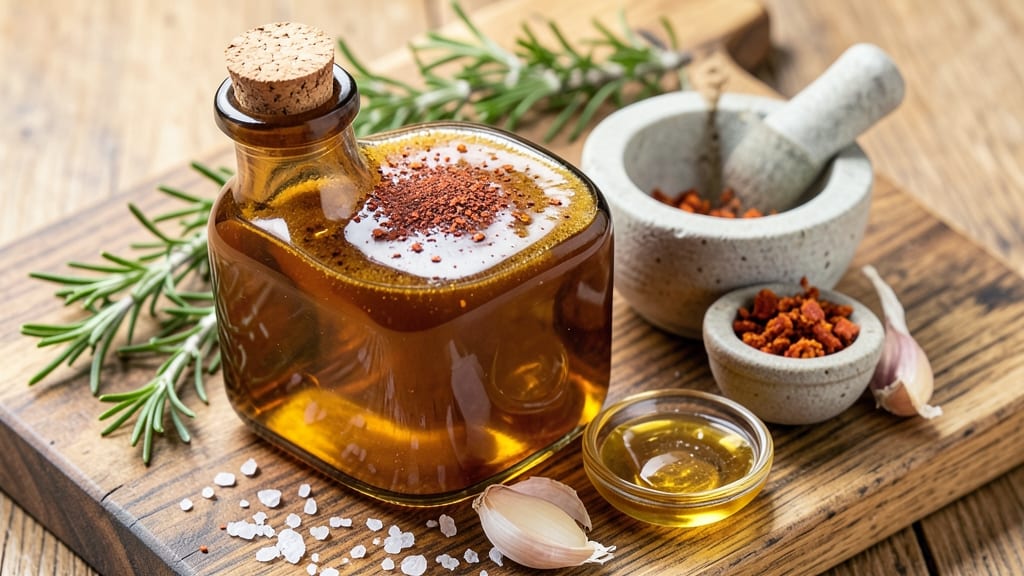
This hot sauce recipe with apple cider vinegar delivers a perfect balance of fiery heat and bright tang that elevates everything from tacos to grilled meats. The vinegar creates a crisp, clean acidity that cuts through capsaicin's intensity, while carefully chosen peppers and spices build layers of flavor without overpowering.
I developed this after tasting commercial hot sauces that were either too sweet or left a harsh afterburn—this version avoids both pitfalls with precise ingredient ratios.
The foundation is a simple blend of apple cider vinegar, cayenne pepper, and smoked paprika, but where this sauce shines is in its customization.
You can adjust the heat level by adding more cayenne or swapping in habanero for tropical fruitiness, while a touch of honey or maple syrup balances the acidity without masking the vinegar's brightness.
The key technique is letting the mixture sit for at least 24 hours before blending, which allows flavors to meld and the heat to develop evenly.
What you'll end up with is a versatile hot sauce that's tangy enough to stand alone as a condiment but complex enough to enhance dishes.
The apple cider vinegar prevents that metallic aftertaste common in many hot sauces, while the spices add depth that makes it perfect for drizzling over wings, mixing into marinades, or even stirring into Bloody Marys.
Unlike store-bought versions, this recipe gives you complete control over the heat level and flavor profile.
With just five core ingredients and 15 minutes of prep time, this hot sauce comes together faster than you'd expect. The best part? It keeps well in the fridge for up to 3 months, so you can make a big batch and enjoy it all season long.
Let's get started on creating your own customizable hot sauce that's better than anything you'll find on store shelves.
Ingredients for hot sauce recipe apple cider vinegar
Five simple ingredients transform into a fiery, tangy hot sauce that beats store-bought every time.
| Ingredient | Amount | Notes |
|---|---|---|
| Apple Cider Vinegar 🍏 | 1 ½ cups | Raw, unfiltered preferred |
| Cayenne Pepper 🌶️ | 1 tbsp | Adjust for desired heat level |
| Smoked Paprika 🌶️ | 1 ½ tbsp | High-quality for smoky depth |
| Garlic Cloves 🧄 | 4 cloves | Freshly minced for bold flavor |
| Honey 🍯 | 1 tbsp | Balances acidity without sweetness |
| Salt 🧂 | 1 ½ tsp | Kosher or sea salt preferred |
| Black Peppercorns 🌶️ | ½ tsp | Freshly cracked for texture |
| Lemon Juice 🍋 | 1 tbsp | Freshly squeezed for brightness |
Apple cider vinegar is the star here—Bragg or Texas Pete are my go-tos because they're raw and unfiltered, which adds complexity. The cayenne can be swapped for habanero or chipotle powder if you want different heat profiles. Penzeys is my go-to for high-quality smoked paprika, but the regular grocery store stuff works too. Fresh garlic is non-negotiable—the flavor difference is night and day. If you're making a big batch, grab a Costco-sized jar of vinegar to save money. The honey should be raw and local if you can find it, but regular grocery store honey works perfectly fine.
No honey? Maple syrup works at a 1:1 ratio, though it adds a slightly different depth. Short on cayenne? Red pepper flakes at half the amount give a milder heat. The lemon juice is optional but adds a bright finish—skip it if you're using vinegar with high acidity. For extra smokiness, add a dash of liquid smoke. If you want to make this spicier over time, just add more cayenne next batch. The black peppercorns are for texture—crush them before adding for a smoother sauce.
This sauce gets better with time—let it sit at least 24 hours before blending for maximum flavor development. Store in a clean glass jar in the fridge for up to 3 months. I always make a double batch because it disappears fast. If you're gifting, use small amber bottles for presentation. The flavors meld beautifully over time, so don't rush it.
Why You'll Love This Recipe
- Five-Ingredient Magic: I swear by this combo—just vinegar, cayenne, smoked paprika, garlic, and honey. No fancy gadgets, no stress. The honey mellows the heat while the garlic and paprika add depth that’s chef’s kiss without the fuss.
- Smoky-Sweet Heat: Between us, this sauce is where the magic happens. The smoked paprika gives it that cozy, almost barbecue-like warmth, while the honey keeps it from being too sharp. One taste and you’ll be drizzling it on everything—eggs, tacos, even grilled cheese.
- Pantry Staple Power: Honestly, if you’ve got vinegar and spices, you’re golden. No last-minute grocery runs, no weird ingredients. It’s my go-to for when I’m prepping meals for the week or need something to liven up takeout. (Yes, even on a Tuesday night.)
- Lasts Like Crazy: Make a big batch—this stuff doesn’t spoil. I’ve had jars sit for months, and it’s still bold and bright. Plus, it’s dirt cheap to make, so you’re not breaking the bank for flavor. Win-win.
Step-by-step instructions for homemade apple cider vinegar hot sauce
This fiery blend comes together in minutes with bold flavors that keep for months.
Combine Vinegar and Spices
In a medium saucepan, pour in the 1.5 cups apple cider vinegar and bring it to a gentle simmer over medium heat. While it heats, add the 1 tbsp cayenne pepper and 1.5 tbsp smoked paprika, stirring constantly to prevent scorching. The spices will infuse their heat and smoky depth into the vinegar as it warms.
I like to use a wooden spoon here—it won't react with the acid like metal might. Watch the mixture closely as it reaches 180°F (about 5-7 minutes of simmering). The vinegar should bubble gently but not boil vigorously, which would evaporate too much liquid and concentrate the heat too intensely.
Add Garlic and Honey
Once the vinegar reaches 180°F and you see the spices fully dissolved with no powdery residue at the bottom, remove the pan from heat. Stir in the 4 cloves freshly minced garlic cloves and 1 tbsp honey, mixing until completely combined. The honey will help balance the acidity while adding a subtle sweetness that rounds out the heat.
Here's the thing—don't skip the honey. It's what transforms this from a harsh vinegar burn to a complex, layered heat. Let the mixture sit off the heat for 5 minutes to allow the garlic to steep and release its aromatic oils fully. You'll notice the kitchen fills with that irresistible garlic-vinegar scent—this is where the magic happens.
Season and Finish with Lemon
Return the pan to low heat and add the 1.5 tsp salt and 0.5 tsp freshly cracked black peppercorns. Stir until the salt dissolves completely. The peppercorns add a welcome textural contrast to the smooth vinegar base, while the salt enhances all the flavors without overpowering them.
Finally, remove from heat and stir in the 1 tbsp freshly squeezed lemon juice. This final addition brightens the entire sauce, cutting through the richness of the honey and adding a refreshing citrus note. Taste the sauce now—it should be tangy, spicy, and complex with layers of smokiness and sweetness. If you want more heat, add a pinch more cayenne; for more balance, add a touch more honey.
Bottle and Rest for Maximum Flavor
Transfer the hot sauce to a clean glass bottle or jar with a tight-sealing lid. I use amber glass to protect the sauce from light, which can degrade some of the delicate flavors over time. Give it a gentle shake to distribute all the ingredients evenly.
Let the sauce rest at room temperature for at least 24 hours before using—this resting period allows all the flavors to meld together perfectly. The longer it sits (up to 1 week), the more complex and balanced the flavors become. After the initial rest, store it in the refrigerator where it'll keep for 3-4 months, developing even deeper flavor with time.
Pro Tips For Making Hot Sauce Recipe Apple Cider Vinegar
- STRAIN THE GARLIC: I learned this the hard way—raw garlic cloves in hot sauce taste like a dental appointment. Mince or finely chop them instead of leaving whole cloves, then strain the sauce through a fine-mesh sieve after simmering. (Yes, it’s extra work, but your mouth will thank you.)
- SIMMER LOW AND SLOW: Cranking the heat to speed things up just burns the vinegar and turns your sauce bitter. Keep it at a bare simmer—tiny bubbles, occasional swirls—no faster than 15-20 minutes. The flavors meld better when they’re patient, not rushed.
- USE RAW HONEY: Cooked honey loses its floral notes and turns syrupy. Stir in raw honey after removing the sauce from heat—just enough to balance the acid. If you add it too early, you’ll end up with a cloying, overcooked sweetness that fights the vinegar.
- TOAST THE SPICES FIRST: Dry-toast the smoked paprika and cayenne in a pan for 30 seconds until fragrant—it deepens their flavor without burning. Then whisk them into the vinegar. This step makes a real difference, especially if you’re using store-bought spices that’ve lost their punch.
Best sauces and condiments for this dish
Classic Pairings
This hot sauce shines drizzled over crispy fried chicken or tender brisket, where its tangy-sweet profile cuts through the richness. I love using it as a marinade for grilled shrimp—just coat them for 30 minutes before grilling for a bold, caramelized finish. 🍗
For vegetarian dishes, try it with roasted eggplant or charred zucchini—the heat and acidity make the earthy flavors pop. A splash in Bloody Marys or spicy margaritas adds depth without overpowering the drink. The apple cider vinegar base actually enhances the cocktail's brightness.
Unexpected Uses
This sauce is a game-changer for homemade pizza—add a drizzle before baking for a tangy kick that pairs perfectly with pepperoni or veggies. I also mix it into homemade mayo (just stir 1 tbsp sauce into ½ cup mayo) for spicy sandwiches. 🍕
For a quick lunch, toss it with cold noodles or rice—the heat and acidity wake up the dish instantly. Even popcorn gets an upgrade when tossed with a little melted butter and a pinch of this sauce. The possibilities are endless once you start experimenting!
Sweet Heat Balance
If you want to reduce the heat, swap the cayenne for ½ tbsp red pepper flakes and add 1 extra tbsp honey. For extra smokiness, include ½ tsp liquid smoke in the initial simmer.
The key is balancing the apple cider vinegar's sharpness with sweetness—adjust the honey to taste. 🍯
For a fruitier twist, add 1 tbsp finely chopped apple or peach to the sauce during the resting period. The fruit softens slightly and infuses the vinegar with natural sweetness. I’ve also seen great results with ½ tsp orange zest for a citrusy brightness.
Storage Secrets
Store your sauce in a clean, airtight glass jar (I prefer amber glass to block light). It’ll keep in the fridge for up to 3-4 months, with flavors actually improving over time. For gifting, use small amber bottles—they look elegant and preserve quality. 📦
If you notice the sauce getting too thick after refrigeration, simply add 1 tsp water and stir. The vinegar base won’t spoil, so you can always make another batch if you run out. Pro tip: Label your jars with the date—this sauce is too good to forget about!
Nutrition facts
Frequently asked questions
Can I make this hot sauce without honey?
Yes, but you'll need to balance the acidity differently. Replace the 1 tbsp honey with 1 tbsp maple syrup or 1 tsp brown sugar dissolved in 1 tsp warm water. For a savory version, add ½ tsp apple cider vinegar extra instead. The honey helps soften the vinegar's sharpness, so without it, your sauce will be more tart and intense.
How do I adjust the heat level?
For milder heat, reduce the cayenne to ½ tbsp and add ½ tbsp more honey. For extra spice, increase cayenne to 1.5 tbsp or swap in ½ tbsp habanero powder (adds fruity heat). Always taste as you go—vinegar-based sauces develop heat gradually during the resting period.
Can I add fresh peppers instead of powdered spices?
For a fresher taste, blend 1-2 jalapeños or ½ habanero (seeds removed for milder heat) with the vinegar before simmering. Strain out solids after 10 minutes of simmering. Fresh peppers add vibrant color and brighter heat, but they'll make your sauce thicker—adjust with 1 tsp water if needed.
Why does my sauce look cloudy after resting?
Cloudiness usually means the spices didn't fully dissolve during simmering. Heat the sauce again gently (low heat) for 2-3 minutes while stirring, then strain through a fine-mesh sieve. For extra clarity, add 1 tsp cornstarch mixed with 1 tbsp water and simmer 1 minute—this acts as a natural thickener and clarifier.
How can I use this sauce in cooking beyond drizzling?
Try marinating proteins—coat chicken or shrimp for 30 minutes before grilling for bold flavor. Mix 1 tbsp sauce into mayo for spicy sandwich spreads, or stir 2 tbsp into Bloody Mary mix for depth. For saucy dishes, reduce ½ cup sauce with 1 tbsp butter over low heat for 3 minutes to create a glossy glaze.