
Sauces & Condiments
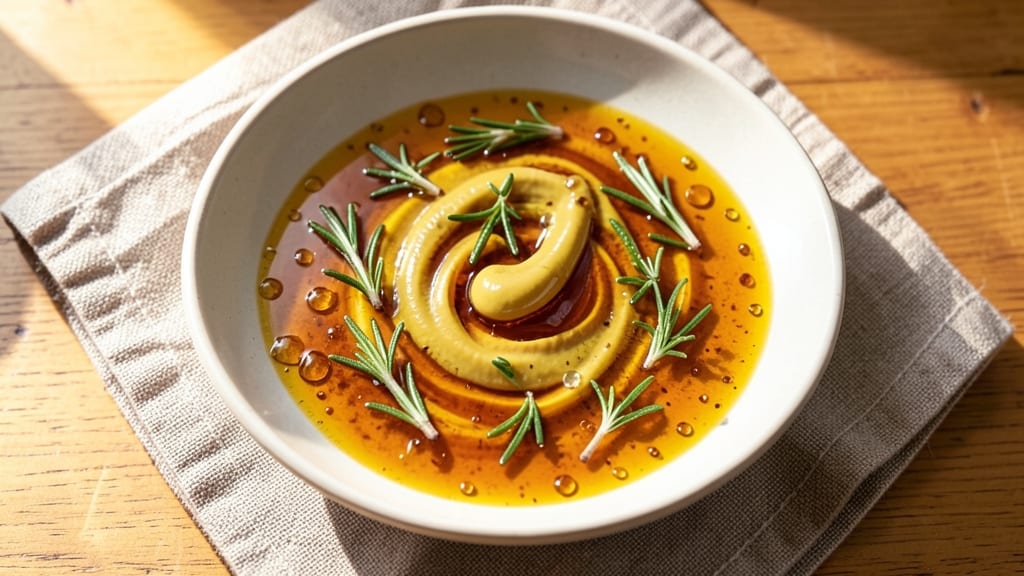
This apple cider vinegar and olive oil dressing recipe transforms simple ingredients into a bold, tangy sauce that elevates salads, roasted vegetables, and dips to restaurant-quality levels.
The secret lies in balancing sharp apple cider vinegar with smooth extra-virgin olive oil, creating a dressing that's both refreshing and rich—without overpowering delicate flavors. I developed this version after years of testing, ensuring it stays emulsified and flavorful even after refrigeration.
The beauty of this dressing is its versatility—use it as a zesty vinaigrette for leafy greens, a tangy dip for crudités, or a marinade for grilled meats. A touch of Dijon mustard acts as a natural emulsifier, while fresh herbs (like thyme or rosemary) add aromatic depth.
For sweetness, maple syrup or agave replaces honey, keeping it vegan-friendly and adaptable to any dietary preference.
What makes this recipe stand out is its long shelf life—up to two weeks in the fridge—meaning you can make a big batch and have it ready for spontaneous meals. The acidity of the vinegar preserves freshness, while the olive oil adds healthy fats that keep the dressing luscious.
No special equipment is needed; just whisk, taste, and adjust to your preference.
Perfect for meal prep, picnic sides, or last-minute dinners, this dressing proves that homemade can truly be better. The balance of tang, richness, and herbaceous notes makes it a pantry staple worth repeating. Let’s get started—your salads will never be the same again.
Ingredients for apple cider vinegar and olive oil dressing
Nine simple ingredients create a dressing that rivals restaurant-quality vinaigrettes.
| Ingredient | Amount | Notes |
|---|---|---|
| Extra-Virgin Olive Oil 🫒 | 1 cup | High-quality, fruity variety preferred |
| Apple Cider Vinegar 🍎 | ½ cup | Raw, unfiltered for best flavor |
| Dijon Mustard 🌶️ | 1 tbsp | Mild or medium heat preferred |
| Pure Maple Syrup 🍁 | 1 tbsp | Grade A or B for authentic flavor |
| Fresh Thyme Leaves 🌿 | 2 tbsp | Finely chopped, stems removed |
| Fresh Rosemary Sprigs 🌿 | 1 tbsp | Finely chopped, leaves only |
| Sea Salt 🧂 | 1 tsp | Diamond Crystal preferred |
| Freshly Ground Black Pepper 🌶️ | ½ tsp | Freshly cracked for best flavor |
| Garlic Cloves 🧄 | 2 cloves | Minced, for subtle depth |
The extra-virgin olive oil is the heart of this dressing—look for cold-pressed, first-press oils at specialty grocers or farmers' markets. Trader Joe's and Whole Foods carry excellent options, but avoid the cheap store brands. Apple cider vinegar should be raw and unfiltered (like Bragg or Glug) for that cloudy, robust flavor. Fresh herbs are non-negotiable here—grab thyme and rosemary from the grocery store's produce section (they usually sell them in small bunches). If you're short on time, dried herbs work at one-third the amount, but fresh gives that restaurant-quality aroma. The Dijon mustard is your emulsifier—Maille is my go-to, but any good-quality brand will work.
No maple syrup? Agave nectar or date syrup keeps it vegan and adds a similar caramel note. Short on garlic? Skip it entirely—this dressing shines without it. The salt and pepper are simple but critical—Diamond Crystal kosher salt dissolves smoothly, while freshly cracked black pepper adds a subtle kick. If you're making this for a crowd, double the batch—it keeps beautifully. For extra tang, add 1/2 tsp of lemon juice at the end. Want it sweeter? Add another 1/2 tbsp of maple syrup. The dressing should coat the back of a spoon but still pour easily—adjust the vinegar or oil as needed.
This dressing stays fresh for up to 2 weeks in the fridge, sealed tightly in a jar. The acidity of the vinegar acts as a natural preservative, so it won’t spoil quickly. Portion into small jars for easy grab-and-go use on salads or dips. If it thickens over time, just whisk in 1-2 tbsp of water to loosen it up. Freezes beautifully for up to 3 months—thaw at room temperature before using. Pro tip: Save the herb stems from fresh thyme and rosemary—simmer them in broth for a quick flavor boost later.
Why You'll Love This Recipe
- Four Whisks, Done: I swear, this dressing comes together faster than I can say "salad night." Just shake those five ingredients—olive oil, vinegar, mustard, maple syrup, and thyme—into a jar, and you’re golden. No straining, no emulsifying, no stress. The Dijon mustard does the heavy lifting, so you don’t even need a blender.
- Sweet-Tart Magic: That first bite? Chef’s kiss. The apple cider vinegar cuts through the richness of the olive oil, while the maple syrup adds just enough honeyed warmth to make it irresistible. Fresh thyme? It’s like a little herbal hug—earthy but bright, and it sticks with you long after the last forkful.
- Pantry Staple Power: Honestly, if you’ve got olive oil and vinegar, you’ve got 80% of this dressing. The rest—mustard, maple syrup, thyme—are things I always have on hand. No last-minute grocery runs, no forgotten ingredients. It’s the kind of recipe that turns "what’s for dinner?" into "what’s for salad?"
- Lasts All Week: Between us, I make this in batches because it doesn’t spoil. The vinegar keeps it fresh for days, so I drizzle it on greens one night, toss it with roasted veggies the next, and even use it as a marinade for chicken. Plus, it’s cheaper than buying fancy dressings—my wallet and my taste buds both win.
Step-by-step instructions for zesty herb dressing
This dressing comes together in minutes but packs layers of flavor you'll crave.
Whisk Together the Base Ingredients
In a medium bowl, combine the 1 cup extra-virgin olive oil and 0.5 cup apple cider vinegar. I like to use a whisk for this step—it creates a light, emulsified texture right from the start. Add the 1 tablespoon Dijon mustard and 1 tablespoon pure maple syrup, whisking continuously until everything is fully incorporated. The mixture should look smooth and homogeneous, with no visible streaks of oil.
This is where the magic begins—the acidity of the vinegar and the slight sweetness of the maple syrup start to mingle with the richness of the olive oil. Don't rush this step; let the ingredients marry for about 30 seconds while you prepare the herbs. The dressing will continue to emulsify as you add the remaining components, but this initial blend ensures a stable foundation.
Add the Fresh Herbs and Aromatics
Next, stir in the 2 tablespoons finely chopped fresh thyme leaves and 1 tablespoon finely chopped fresh rosemary sprigs. I like to use a silicone spatula for this part—it helps gently fold in the herbs without breaking them down too much. Add the 2 minced garlic cloves and mix until evenly distributed. The herbs should be dispersed throughout the dressing, but you'll still see their vibrant green flecks.
Here's the thing—fresh herbs add brightness and complexity that dried herbs can't match. If you're using particularly potent rosemary, you might want to start with slightly less than the 1 tablespoon called for and adjust to taste. The garlic adds a subtle depth that rounds out the dressing, but don't overdo it—you want to taste the herbs, not just the garlic.
Season and Emulsify
Sprinkle in the 1 teaspoon sea salt and 0.5 teaspoon freshly ground black pepper, then whisk vigorously for about 1 minute. The salt and pepper should dissolve completely, and the dressing should begin to thicken slightly as the ingredients emulsify. If you notice the dressing separating at all, that's normal—just keep whisking. The acidity in the vinegar and the mustard will help bind everything together.
This is the moment that matters: the dressing should now have a velvety, almost creamy consistency with a bright, tangy flavor. If it's too thick, you can thin it with 1-2 teaspoons of water or a splash of the apple cider vinegar. If it's too thin, let it sit for 5-10 minutes—the olive oil and vinegar will naturally emulsify further as they come to room temperature.
Let It Rest and Develop
Cover the bowl with plastic wrap and let the dressing rest at room temperature for at least 30 minutes, or up to 2 hours if you have time. This resting period allows the flavors to meld and the dressing to fully emulsify. I know it's tempting to use it immediately, but patience here makes all the difference—you'll end up with a dressing that's perfectly balanced, not one where the flavors are still fighting each other.
After resting, give the dressing one final stir before using. It should now have a glossy sheen and a smooth, almost silky texture. The herbs should be infused throughout, adding their aromatic qualities without overpowering the dressing. If you notice any separation after resting, just give it a good whisk or shake in a sealed jar—it'll come back together beautifully.
Adjust and Use
Taste the dressing and adjust the seasoning if needed. You might want to add a pinch more salt, a splash of apple cider vinegar for extra tang, or even a drizzle of maple syrup if you prefer it sweeter. The beauty of this dressing is its versatility—it's perfect for drizzling over salads, tossing with roasted vegetables, or even using as a dip for crusty bread or fresh veggies.
For the best results, use the dressing within 3-4 days when stored in an airtight container in the refrigerator. If you find yourself with leftovers, don't hesitate to use it in other ways—it's fantastic as a marinade for grilled meats or even as a finishing touch for soups and stews. The flavors only deepen over time, so don't be afraid to experiment!
Pro Tips For Making Apple Cider Vinegar And Olive Oil Dressing
- Whisk in Stages: Start by mixing the vinegar, mustard, and maple syrup first—this keeps the sugar from crystallizing when you add the oil later. Then drizzle in the olive oil very slowly while whisking like you’re trying to win a bet. The emulsion will hold better if you don’t dump everything in at once.
- Use Raw Thyme: Skip the dried stuff—fresh thyme leaves make a real difference. Lightly muddle them with a fork or your fingers first to release the oils, then strain if you hate chewing. (Yes, even if you’re impatient like me.)
- Balance the Vinegar: Taste the raw vinegar before adding oil—it’s sharper than you remember. If it’s too harsh, cut it with a splash of water (yes, really) or reduce the amount slightly. The dressing should taste bright, not like you’re pickling your greens.
- Store Oil Separate: This isn’t the prettiest method, but it’s the tastiest. Keep the dressing (everything but the oil) in a jar and add the olive oil just before serving. That way, it stays silky and doesn’t turn into a sad, split mess after a few hours. (Your future self will thank you.)
Best sauces and condiments for these flavors
Vegan-Friendly Variations
This dressing stays 100% plant-based while keeping bold flavors. Swap the maple syrup for agave nectar or date syrup—both add natural sweetness without honey. For extra richness, stir in 1 tablespoon tahini or nutritional yeast (about 2 tbsp) for a cheesy, umami depth. 🌱
Sweet and Tangy Balance
Adjust the sweet-to-tang ratio by tweaking the maple syrup and apple cider vinegar. For a sweeter profile, add ½ tbsp more syrup or 1 tsp lemon juice.
Need more tang? Add 1 extra tbsp vinegar or a pinch of smoked paprika for complexity. Taste as you go—this dressing is all about personal preference!
Herb and Spice Swaps
Customize the herbs based on what you have: fresh basil and cilantro work well for Mediterranean flavors, while dried oregano (½ tsp) adds depth if fresh isn’t available. For heat, add ½ tsp red pepper flakes or 1 tsp sriracha—just whisk it in at the end.
The Dijon mustard can also be replaced with 1 tsp whole-grain mustard for a heartier texture.
Storage and Shelf Life
Store in a clean glass jar with a tight seal in the fridge for up to 2 weeks. The vinegar acts as a natural preservative, but the olive oil may separate over time—just whisk before using.
For longer storage, freeze in ice cube trays (1 tbsp per cube) and thaw as needed. Label with the date to track freshness!
Unexpected Uses Beyond Salads
This dressing isn’t just for greens—use it as a marinade for grilled chicken or tofu, a dipping sauce for fries or veggie sticks, or even a finishing drizzle for roasted Brussels sprouts. The tangy-sweet balance cuts through richness, making it a versatile pantry staple. 💡
Nutrition facts
Frequently asked questions
Can I make this dressing without Dijon mustard?
Yes! If you're out of Dijon, use 1 teaspoon of whole-grain mustard instead—it adds a slightly grainier texture but works perfectly. For a completely mustard-free version, whisk in 1 tablespoon of tahini or 1 teaspoon of lemon juice to help emulsify the oil and vinegar. The dressing will still taste great, though the texture may be slightly thinner.
Why did my dressing separate after resting?
Separation happens when the oil and vinegar don't fully emulsify. To fix it, whisk vigorously for 1-2 minutes—the Dijon mustard and vinegar acidity will help bind them back together. For future batches, try adding 1 extra teaspoon of mustard or whisking the base ingredients for 30 seconds longer before adding herbs. The resting time can also help—let it sit for 10 minutes before using.
How can I make this dressing spicier?
Add heat by whisking in ½ teaspoon of red pepper flakes or 1 teaspoon of sriracha at the end. For a smoky kick, sprinkle in ¼ teaspoon of smoked paprika or a pinch of cayenne. If you love bold flavors, try 1 minced garlic clove (already in the recipe) plus ½ teaspoon of crushed black pepper—the combination adds depth without overpowering.
Can I use this dressing on cooked proteins like chicken or tofu?
This dressing works beautifully as a marinade or finishing sauce for grilled chicken, tofu, or even roasted vegetables. For marinating, let the protein soak for 15-30 minutes (chicken) or 10 minutes (tofu) before cooking. The tangy-sweet balance caramelizes beautifully, creating a sticky, flavorful crust. Just avoid over-marinating tofu—it can get too soft.
What’s the best way to store leftovers?
Transfer any unused dressing to a clean glass jar with a tight-sealing lid and refrigerate for up to 2 weeks. The vinegar preserves freshness, but the olive oil may separate—just whisk before using. For longer storage, freeze in ice cube trays (1 tablespoon per cube) and thaw as needed. Label with the date to track freshness!