
Main Courses
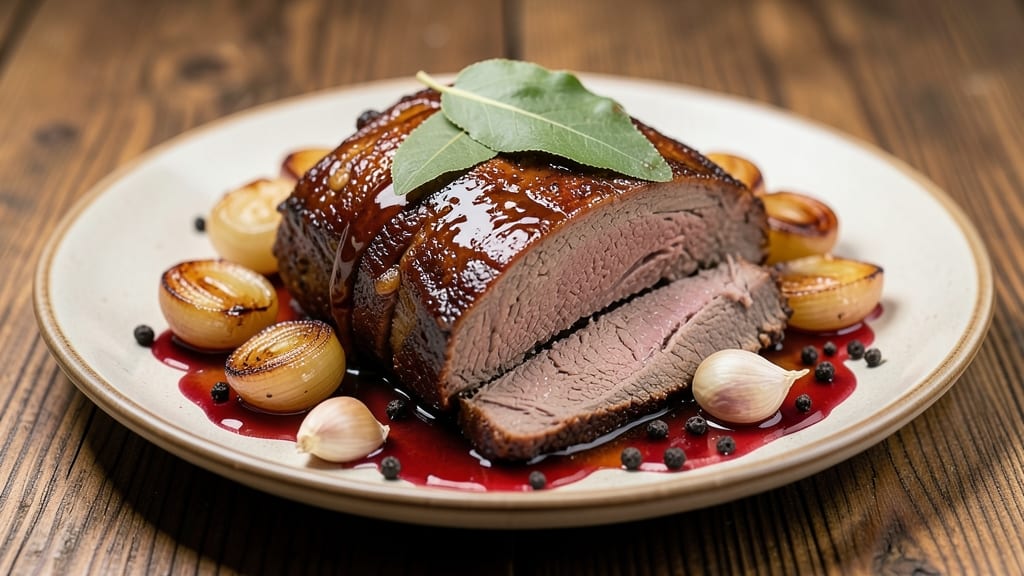
This corned beef cooked in apple juice recipe transforms a classic brisket into something extraordinary—where sweet-tart apple juice tenderizes the meat while infusing it with subtle, bright flavors. 💛 The secret lies in the slow simmer, where apple juice replaces traditional liquids, creating a fork-tender result with just the right balance of richness and acidity.
I first discovered this technique while searching for a way to make corned beef more approachable for modern palates, and it quickly became a family favorite for holidays and special occasions.
The beauty of this method is its simplicity: no complex marinades or hours of prep, just a brisket, apple juice, and a few pantry staples that work together to create restaurant-quality results.
The apple juice doesn't just cook the beef—it transforms it, adding a delicate sweetness that complements the corned beef's natural saltiness without overpowering it. What you'll end up with is meat that practically melts in your mouth, with a sauce that's rich, glossy, and packed with flavor.
By the time you're ready to serve, you'll have perfectly cooked corned beef with a glossy sheen and tender texture that's impossible to resist. The apple juice-infused sauce clings to every bite, creating a harmonious blend of sweet and savory that elevates this dish beyond traditional preparations.
This recipe is foolproof, delivering juicy, flavorful results every time—ideal for St. Patrick's Day, holiday feasts, or any occasion where you want to impress.
Pair it with classic sides like roasted potatoes, coleslaw, or crusty bread to soak up every last drop of that delicious sauce. The combination of textures and flavors makes this a complete meal that feels special yet approachable. Let's get cooking—this corned beef will have everyone asking for seconds.
Ingredients for corned beef cooked in apple juice
Six simple ingredients transform corned beef into melt-in-your-mouth perfection with apple juice's sweet-tart magic.
| Ingredient | Amount | Notes |
|---|---|---|
| Corned Beef Brisket 🥩 | 4 lb | Pre-cured or corned beef brisket |
| Apple Juice 🍎 | 4 cups | Unfiltered, unsweetened preferred |
| Onions 🧅 | 2 whole | Yellow or red, quartered |
| Garlic Cloves 🧄 | 6 cloves | Smashed, not minced |
| Bay Leaves 🌿 | 2 whole | Dried, standard size |
| Black Peppercorns 🌶️ | 1 tbsp | Whole, lightly crushed |
| Mustard Seeds 🌶️ | 1 tsp | Whole, yellow preferred |
| Salt 🧂 | 1 tsp | Kosher or sea salt |
| Brown Sugar 🍚 | 2 tbsp | Light or dark, packed |
| Apple Cider Vinegar 🍎 | 1 tbsp | For tangy depth |
| Olive Oil 🫒 | 2 tbsp | For searing brisket |
| Fresh Parsley 🌿 | ¼ cup | Chopped, for garnish |
The brisket is the star—look for pre-cured corned beef brisket at the grocery store's deli section or butcher counter. Costco or Whole Foods often carry high-quality cuts with good marbling, which keeps the meat juicy. If you're buying a whole brisket, trim excess fat but leave about 1/4-inch for flavor. The apple juice makes all the difference, so grab unfiltered, unsweetened if possible—it's got more depth. I usually buy a 64-ounce carton from Trader Joe's; their organic version works perfectly. Fresh parsley might sound optional, but it brightens up the final dish like nothing else.
No apple cider vinegar? White vinegar or lemon juice works in a pinch—just add an extra teaspoon to compensate. Mustard seeds giving you trouble? Dijon mustard at half the amount gives you that same tangy punch. The brown sugar can be swapped for white, but light or dark molasses adds a whole new layer of flavor. For the onions, red onions add sweetness while yellows give more bite. If you're short on time, pre-cut frozen onions thawed and drained do the trick—just don't skip the garlic. Fresh is non-negotiable here; it's the backbone of the flavor.
This dish tastes even better the next day—plan ahead. The brisket keeps 3-4 days in the fridge, and the sauce freezes beautifully for up to 3 months if you want to make it ahead. I always portion the leftovers into containers with a little extra sauce on top so every bite stays moist. The apple juice-infused sauce? Use it on sandwiches, roasted veggies, or even as a glaze for chicken wings—it's that versatile. Store any leftovers in an airtight container, and trust me, you'll want to use it all up.
Why You'll Love This Recipe
- One-Pot Magic: I swear by this recipe because it’s literally dump-and-go. Toss the corned beef brisket in a pot with onions, garlic, and apple juice—no fancy searing, no constant stirring. The apple juice does all the work, tenderizing the meat while caramelizing the edges. Honestly, I’ve made it while answering emails.
- Sweet-Savory Balance: That first sip of apple juice-infused corned beef? Chef’s kiss. The sweetness cuts through the saltiness, and the bay leaves add this earthy depth that makes it taste like a Sunday dinner. The onions caramelize just enough to stick to the meat—no dry bites here.
- Leftovers That Shine: Between us, this recipe begs for leftovers. Slice the brisket thin for sandwiches the next day, or shred it into tacos—it’s that versatile. I’ve even tossed cold slices into a salad with sharp cheddar and pickles. (Yes, even on a Tuesday night.)
- Budget Stretch: A whole corned beef brisket feeds six for under $20, and the apple juice makes it feel special without breaking the bank. The onions and garlic are pantry staples, so you’re not scrambling for extras. Not the prettiest, but the taste makes up for it—and your wallet thanks you.
Step-by-step instructions for corned beef cooked in apple juice
This method delivers melt-in-your-mouth corned beef with a sweet-tart apple glaze that'll impress anyone.
🔥 Step 1: Sear the Corned Beef for Maximum Flavor
Heat a large Dutch oven over medium-high heat and add the 2 tablespoons olive oil. Place the 4 lb corned beef brisket fat-side down in the pan. Let it sear undisturbed for 8-10 minutes until the fat is golden brown and crispy in spots.
Here's where the magic happens—I press down gently on the brisket during the first minute to prevent it from curling and ensure even contact with the pan. Flip the brisket and sear the other side for another 5-6 minutes until golden brown. This step builds deep flavor that the apple juice will later enhance.
🥘 Step 2: Build the Sweet-Tart Apple Juice Base
Remove the seared brisket and set it aside. In the same Dutch oven, add the 2 whole quartered onions and cook for 5 minutes until softened. Add the 6 smashed garlic cloves, 2 whole bay leaves, 1 tablespoon lightly crushed black peppercorns, and 1 teaspoon mustard seeds, stirring for 30 seconds until fragrant.
Pour in the 4 cups apple juice, scraping up any browned bits from the bottom. Add the 2 tablespoons packed brown sugar and 1 tablespoon apple cider vinegar, then bring to a gentle simmer over medium heat. You're aiming for a flavorful liquid that coats the back of a spoon—this is your sweet-tart braising liquid.
🍳 Step 3: Simmer Until Fork-Tender Perfection
Return the corned beef to the Dutch oven, fat-side up. Add the 1 teaspoon salt and enough water to barely cover the brisket (about 1 cup). Bring to a gentle simmer, then reduce heat to low and cover with a tight-fitting lid.
Simmer for 3-3.5 hours until the meat is fork-tender and pulls apart easily. Here's the thing—your oven might run hot, so start checking at the 3-hour mark. The brisket is done when it reaches 205°F internally and the meat separates with minimal resistance. If it's not quite there, add ½ cup water and continue cooking uncovered for 15-20 minutes.
⏰ Step 4: Rest and Glaze for Showstopping Finish
Remove the brisket from the liquid and transfer it to a cutting board. Tent loosely with foil and let it rest for 15 minutes. While it rests, skim off most of the fat from the braising liquid and return it to the Dutch oven. Simmer uncovered over medium heat for 5-7 minutes until reduced by half and slightly syrupy.
Slice the brisket against the grain into ¼-inch thick pieces. Return the slices to the Dutch oven with the reduced apple juice and toss gently to coat. The glaze should cling beautifully to each slice, creating that perfect sweet-tart balance. Garnish with ¼ cup chopped fresh parsley just before serving.
Pro Tips For Making Corned Beef Cooked In Apple Juice
- Simmer Slow or Skip It: I learned this the hard way—corned beef in apple juice needs low and steady heat. If you rush it, the meat turns out tough and the juice stays cloudy. Aim for 180°F (82°C) or lower, and let it bubble gently for at least 3 hours. (Yes, even if you’re impatient like me.)
- Rinse the Brisket First: That pre-packaged corned beef is packed with salt—way more than you need in this dish. Drain the brine, then rinse the brisket under cold water and pat it very dry. This keeps the apple juice from turning into a salty, murky broth instead of a rich, golden sauce.
- Sear the Meat Before Simmering: Skip the direct apple juice bath at first—brown the brisket in a hot pot with a little oil before adding liquids. The crust locks in flavor and prevents the meat from turning mushy. Just 3-4 minutes per side makes a real difference.
- Use Whole Spices, Not Powder: Bay leaves, crushed garlic cloves, and sliced onions add depth the minced or powdered versions can’t match. Toss them in whole, then remove them before serving—no one wants a bite of bay leaf. (I know, I know, but trust the process.)
Perfect pairings for this dish
Sweet-Tart Sides
Apple juice's bright acidity pairs beautifully with sides that complement its sweetness. I love serving this corned beef with roasted sweet potatoes tossed in olive oil, cinnamon, and a pinch of salt—their natural sweetness mirrors the apple notes.
For contrast, add sautéed red cabbage with apple cider vinegar, a touch of honey, and black pepper—the tangy crunch cuts through the richness. 🍎
Don’t overlook crusty sourdough bread—its chewy texture soaks up the apple-glazed sauce perfectly. Warm it in the oven for 5 minutes at 375°F until golden, then serve with extra sauce for dipping.
For a lighter option, try shredded Brussels sprouts roasted with balsamic glaze and toasted pecans—the nutty crunch balances the dish beautifully.
Beverage Pairings
A crisp dry Riesling from Germany is my go-to wine—its bright acidity and apple-like notes echo the cooking liquid. Look for Dr. Loosen Blue Slate or Château Ste. Michelle for an affordable yet elegant choice. The wine’s mineral finish cleanses your palate between each forkful of rich beef. 🍷
For beer lovers, a Belgian witbier like Stella Artois or Hoegaarden adds effervescence and citrusy notes that refresh the palate. If you prefer something stronger, a honey-brown ale such as Samuel Adams Noble Pils complements the caramelized flavors without overpowering them. Avoid heavy stouts—they’ll clash with the dish’s delicate sweetness.
Unexpected Twists
Turn leftover apple juice into a quick pan sauce by simmering it with butter, a splash of cream, and a pinch of thyme for 3-4 minutes. Drizzle over mashed potatoes or egg noodles—it’s a game-changer for leftovers.
I also love using the reduced sauce as a glaze for roasted carrots or brussels sprouts, adding a sweet-tart crunch to veggies. ✨
For a St. Patrick’s Day brunch, slice the corned beef thin and serve on buttered toast with caramelized onions and a fried egg on top. The apple glaze adds a surprising sweetness that pairs perfectly with the savory elements.
Pro tip: Add a sprinkle of crumbled blue cheese for a tangy contrast that’ll have everyone reaching for seconds.
Nutrition facts
Frequently asked questions
Why does apple juice make corned beef more tender?
The natural acids in apple juice gently break down connective tissues during cooking, while its natural sugars caramelize and create a glossy sauce. The liquid's lower acidity than vinegar or beer means it tenderizes without overpowering the beef's natural flavor. Think of it as a sweet-tart marinade that works its magic during the long simmer.
Can I substitute regular juice for apple juice?
You can try, but avoid citrus juices like orange—they'll overpower the beef. For best results, use white grape juice or pear juice (both have mild sweetness), but expect slightly less depth of flavor. The apple juice's subtle tartness is key to balancing the saltiness of corned beef.
How do I know when the corned beef is fully cooked?
Use a meat thermometer to check the thickest part—it should reach 205°F internally. The meat should also pull apart easily with a fork and have minimal resistance. If it's not quite there after 3 hours, add ½ cup water and cook uncovered for 15-20 minutes. Never rush this step!
What's the best way to reheat leftovers?
Slice the corned beef and reheat in the same Dutch oven with ½ cup fresh apple juice over low heat for 10-12 minutes until warmed through. Avoid microwaving—it makes the meat dry. For extra flavor, add a splash of apple cider vinegar to the reheating liquid. Store leftovers in an airtight container for up to 4 days.
Can I make this recipe in a slow cooker?
Brown the beef first in a skillet, then transfer it to your slow cooker with all ingredients. Cook on low for 8-9 hours or high for 5-6 hours. The slow cooker's gentle heat enhances the apple juice's tenderizing power. Just reduce the cooking liquid by 1 cup at the end to thicken the sauce.