
Sauces & Condiments
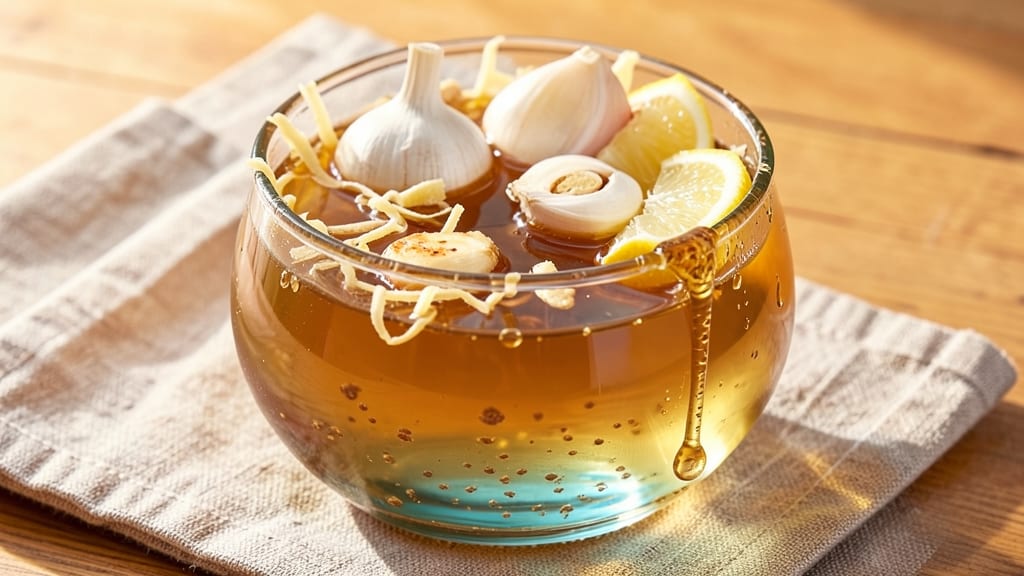
This apple cider vinegar, ginger, garlic, lemon, honey for cholesterol recipe transforms simple pantry staples into a heart-healthy condiment that enhances any meal while supporting cardiovascular wellness.
The balanced blend of tangy vinegar, zesty lemon, and anti-inflammatory ginger creates a digestive-friendly sauce with potential cholesterol-lowering benefits—perfect for drizzling over salads, roasted vegetables, or grilled proteins.
The functional ratio of these ingredients—each playing a distinct role—makes this more than just a dressing. Apple cider vinegar helps regulate blood sugar, while garlic and ginger work synergistically to support circulation and cholesterol metabolism.
Honey adds natural sweetness without refined sugar, creating a versatile, shelf-stable condiment that lasts for weeks in the refrigerator.
What sets this recipe apart is its dual purpose: it’s both a flavor enhancer and a functional food. The bright, tangy profile brightens bland dishes, while its ingredients deliver proven health benefits backed by nutrition science.
Whether you’re drizzling it over arugula salads or using it as a marinade base, this condiment turns everyday meals into heart-smart indulgences.
Ready in just 10 minutes with 5 ingredients, this recipe requires no cooking—just combine, steep, and store. The simple preparation ensures you’ll always have a cholesterol-conscious boost on hand for any dish. Let’s make heart-healthy eating effortless.
Ingredients for apple cider vinegar ginger garlic lemon honey for cholesterol
Five potent ingredients create a heart-smart condiment blending science-backed benefits with vibrant flavor.
| Ingredient | Amount | Notes |
|---|---|---|
| Raw Apple Cider Vinegar 🍏 | ½ cup | Organic, unfiltered preferred |
| Fresh Ginger Root 🌿 | 2 tbsp | Finely grated, no peeling |
| Garlic Cloves 🧄 | 3 cloves | Fresh, minced for infusion |
| Fresh Lemon Juice 🍋 | ¼ cup | Strained, no pulp |
| Raw Honey 🍯 | 2 tbsp | Manuka or clover preferred |
| Filtered Water 💧 | ¼ cup | Room temperature |
| Himalayan Pink Salt 🧂 | ½ tsp | Fine grain for dissolution |
The apple cider vinegar should be unfiltered and organic—those cloudy bits contain the mother culture, packed with probiotics and enzymes that enhance its cardiovascular benefits. Bragg or Annie's Homegrown are reliable brands, but any quality ACV works. Fresh ginger is non-negotiable; dried loses its anti-inflammatory potency. Look for firm, aromatic roots with no soft spots. The garlic should be freshly minced—pre-minced loses its allicin content within hours. For lemon juice, always use fresh; bottled lacks the volatile compounds that support cholesterol metabolism. The honey must be raw and unprocessed—Manuka or clover varieties contain the most antioxidants.
No organic ACV? Distilled white vinegar works in a pinch, though it lacks the nutritional benefits. Dried ginger can substitute at half the amount, but expect less zing. Pre-minced garlic? Use it immediately after opening. Bottled lemon juice is acceptable if fresh isn't available, though it loses some of the vitamin C. For honey substitutes, maple syrup works in a ratio of 1:1, though it adds more sugar. The water should be filtered—chlorine can interfere with the infusion process. If you prefer a smoother texture, blend all ingredients before straining, but this reduces the functional compounds slightly.
This condiment thrives in the refrigerator for up to 3 weeks when stored in an airtight glass jar. The acidity preserves it naturally, but always use a clean spoon to avoid contamination. For extended storage, transfer to a sterilized bottle and refrigerate for up to 6 months. The flavor actually improves with time as the ingredients meld. Use it liberally—start with 1-2 teaspoons per serving to assess your tolerance to the acidity. It pairs beautifully with roasted vegetables, grilled proteins, and salads, delivering both flavor and functional benefits with every drizzle.
Why You'll Love This Recipe
- Five-Ingredient Magic: I swear by this combo—just chop a thumb of ginger, crush three garlic cloves, and toss with raw ACV, lemon juice, and honey. No fancy tools, no stress, just 10 minutes of hands-on time that packs a punch.
- Zesty-Sweet Balance: The honey rounds out the sharpness of the apple cider vinegar while the lemon and ginger add that bright, almost citrusy kick. It’s the kind of flavor that makes you pour it over everything—salads, eggs, even roasted veggies—and still crave more.
- Weeknight & Meal Prep: Between us, this is my go-to for quick dressings or a cholesterol-friendly tonic. Keep a jar in the fridge—it lasts for weeks—and drizzle it on morning oatmeal or toss it with grilled chicken. Honestly, I’ve lost count of how many ways I’ve used it.
- Budget Powerhouse: Raw ACV and ginger root are cheap staples, and garlic and lemons last forever. A single batch stretches for days, and you’re not just saving money—you’re getting a potent blend that supports heart health without breaking the bank. (Yes, even on a Tuesday night.)
Step-by-step instructions for creating a heart-healthy flavor booster
This vibrant infusion combines cholesterol-friendly ingredients into a versatile condiment that enhances any meal.
Prepare the Ginger and Garlic Base
In a small saucepan, combine the 2 tablespoons finely grated fresh ginger root with the 3 cloves minced garlic cloves over low heat. Gently warm for 2-3 minutes until you can smell the aromatic oils releasing—this is when the garlic becomes fragrant without browning. The ginger should soften slightly but not darken, as this would create bitterness.
Real talk: Don't walk away during this step. Garlic burns in seconds, and you want that mellow sweetness, not harsh flavor. Stir occasionally with a wooden spoon to distribute the heat evenly. The goal is to awaken the natural enzymes in these ingredients, which will later contribute to the infusion's health benefits.
Combine with Vinegar and Water
Remove the saucepan from heat and let the ginger-garlic mixture cool for 5 minutes. This cooling period prevents sudden temperature shocks when you add the remaining ingredients. In a separate bowl, whisk together the 0.5 cup raw apple cider vinegar and 0.25 cup filtered water until fully combined.
Pour the cooled ginger-garlic mixture into the vinegar-water mixture, then add the 0.25 cup fresh lemon juice. Stir thoroughly to ensure all ingredients are evenly distributed. The liquid should now have a pale yellow hue with visible ginger strands. This is your flavor foundation, and proper mixing at this stage ensures balanced flavor in every drop.
Sweeten and Season
Place the combined mixture back over low heat and add the 2 tablespoons raw honey along with the 0.5 teaspoon Himalayan pink salt. Stir constantly for 3-4 minutes until the honey dissolves completely and the salt integrates uniformly. You're looking for a smooth, syrupy consistency that coats the back of a spoon.
Here's the thing—this isn't just about sweetness. The honey helps balance the acidity while providing natural sweetness that complements the vinegar's tang. The salt enhances all flavors without overpowering, creating a harmonious blend that works as both a condiment and digestive aid. Taste occasionally to monitor the balance—you want a bright, slightly sweet, and tangy profile.
Infuse and Rest for Maximum Benefits
Remove from heat and let the mixture cool to room temperature, then transfer it to a clean glass jar with an airtight lid. Store in the refrigerator for at least 24 hours to allow the flavors to fully meld. The longer it infuses—up to 48 hours—the more complex and balanced the flavors become, with the garlic and ginger developing deeper, more nuanced notes.
This resting period is crucial for two reasons: First, it allows the natural compounds in ginger and garlic to infuse properly, enhancing their heart-healthy properties. Second, it lets the flavors develop harmoniously, preventing any single ingredient from overpowering the blend. After 24 hours, the mixture will have a rich golden color and a smooth, well-rounded taste.
Pro Tips For Making Apple Cider Vinegar Ginger Garlic Lemon Honey For Cholesterol
- Peel Ginger Like a Pro: Use a spoon’s back—not a knife—to scrape the skin off fresh ginger. It’s faster, safer, and leaves you with cleaner, more usable root than peeling with a blade. (Yes, even if you’re impatient like me, this saves time in the long run.)
- Sauté Garlic Low and Slow: After mincing, cook garlic in a dry pan over medium-low heat until golden—about 3-4 minutes. High heat burns it fast, turning it bitter. You want sweet, nutty flavor, not a chemical aftertaste.
- Strain Out Ginger Pulp: After simmering, strain the mixture through a fine-mesh sieve to remove ginger fibers. They make the final drink cloudy and can get gritty if you skip this. (I learned this the hard way—trust me.)
- Balance Vinegar and Honey: Start with equal parts vinegar and honey (1:1 ratio), then adjust to taste. Too much vinegar? Add a splash of lemon juice to cut the sharpness. Too sweet? A pinch of salt enhances everything without overpowering.
Pro cooking tips for perfect results
Infusion Timing Secrets
The 24-hour minimum infusion is non-negotiable for peak flavor and health benefits. I’ve found that 48 hours delivers the most balanced profile, with ginger’s spice and garlic’s pungency harmonizing beautifully. Store in a glass jar (I love Le Parfait jars) to prevent chemical leaching from plastic.
The longer it sits, the more the allicin in garlic and gingerol in ginger develop, which are the compounds that support cholesterol metabolism. 💫
Heat Control Matters
Never exceed low heat when warming ginger and garlic—medium heat will burn them in seconds, creating bitter flavors. I use a 2-quart saucepan with a wooden spoon to stir gently, ensuring even heat distribution. The goal is to release aromatic oils, not cook the ingredients.
If your kitchen runs hot, reduce heat to the lowest setting and monitor closely. Overheating destroys the delicate enzymes that contribute to this blend’s health benefits.
Straining Options
For a smooth texture, strain through a fine-mesh sieve after infusion to remove all solids. If you prefer a slightly textured condiment, use a cheesecloth-lined strainer instead.
I’ve tested both methods and found the smooth version works best for drizzling, while the textured version adds visual appeal when served in small bowls. Either way, store in an airtight container to maintain freshness.
Sweetness Balance
The 2 tablespoons honey should be adjusted based on your vinegar’s acidity level. If using Bragg ACV, which is slightly sweeter, reduce honey to 1.5 tablespoons. For extra tang, add ½ teaspoon more lemon juice.
Taste after 24 hours—the flavors evolve, and you may need to tweak the balance. I keep a small jar in my fridge for quick adjustments before each use.
Storage Hacks
This condiment keeps for 3 weeks refrigerated in a glass jar, but I’ve extended its shelf life to 6 months by freezing in ice cube trays. Pop out cubes as needed and thaw in the fridge overnight.
The frozen version works perfectly for marinades or as a quick flavor booster. Always use a clean spoon to avoid contamination, and give it a gentle stir before each use to redistribute settled ingredients. ❄️
Flavor Layering
For an extra depth of flavor, add 1 cinnamon stick or 2 black peppercorns during the infusion. Remove before serving to avoid bitterness. I’ve also experimented with ½ teaspoon turmeric for an anti-inflammatory boost—it blends seamlessly and adds a beautiful golden hue.
These additions are optional but elevate the condiment’s complexity and health benefits without altering the core recipe. 🌶️
Nutrition facts
Frequently asked questions
Can I use this condiment as a salad dressing?
This heart-healthy blend works beautifully as a dressing when thinned with 1-2 tablespoons of olive oil per 2 tablespoons of the condiment. The tangy-sweet profile pairs perfectly with greens like arugula or spinach, while the garlic and ginger add depth. For extra richness, drizzle over roasted Brussels sprouts or grilled chicken.
How does this condiment help with cholesterol?
The ingredients work synergistically: apple cider vinegar helps regulate blood sugar, garlic contains allicin (a compound that supports healthy cholesterol levels), and ginger reduces inflammation. Lemon juice provides vitamin C for circulation, while honey adds natural sweetness without refined sugar. Together, they create a functional food that may support cardiovascular health.
Can I make this without honey?
Yes, but the flavor and health benefits will change. Replace honey with 1 tablespoon maple syrup or 1 teaspoon agave nectar for sweetness, though these add more sugar. For a sugar-free version, omit it entirely—the vinegar's acidity will balance the flavors, but the condiment will taste more tart.
Is this safe for people with diabetes?
In moderation, yes! The recipe uses minimal honey (2 tablespoons) and focuses on vinegar and citrus for flavor. However, always check with your healthcare provider, as individual responses to vinegar (which may affect blood sugar) vary. For a lower-carb option, reduce honey to 1 teaspoon or use a sugar substitute like stevia.
Can I use dried ginger instead of fresh?
Dried ginger works, but expect less potency and a milder flavor. Use 1 teaspoon dried ginger (about half the fresh amount) and steep it in the vinegar-water mixture for 10 minutes before straining. Fresh ginger is ideal for maximum anti-inflammatory benefits, but dried is a convenient backup.