
Main Courses
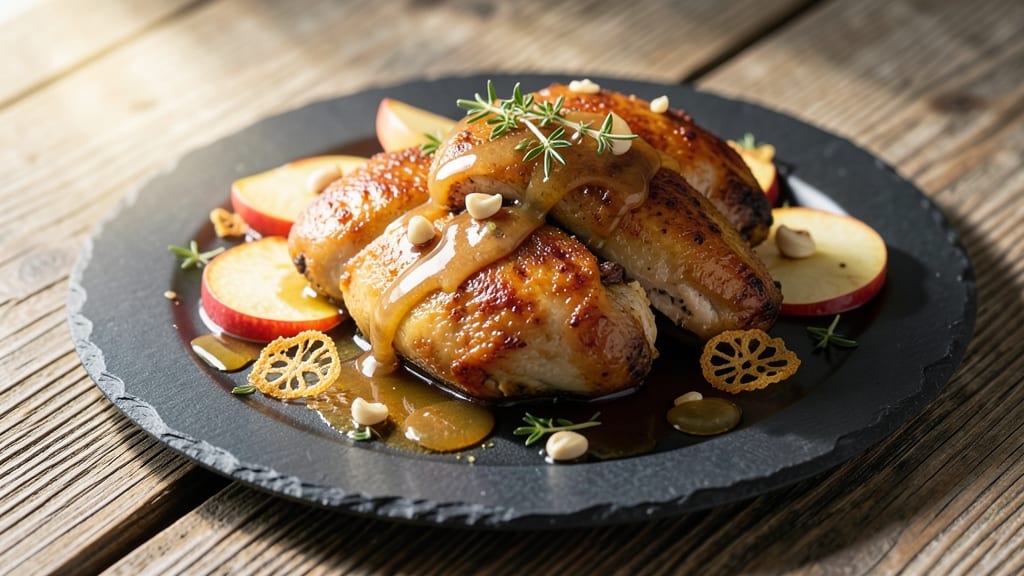
This apple honey chicken recipe transforms simple chicken thighs into a showstopping dish with a caramelized glaze that balances sweet and savory perfectly. 🔥 The secret lies in slow-roasting the chicken until tender, then brushing it with a sticky-sweet apple-honey mixture that develops deep caramelized flavors.
I first developed this recipe during a chilly Georgia autumn, when I wanted a dish that felt both comforting and special—without requiring hours in the kitchen.
The magic happens in the glaze: tart apples and rich honey create a sauce that's sweet enough to satisfy but never cloying, with a subtle tang that cuts through the richness. The chicken stays juicy inside while developing a golden, crackly crust outside, making every bite irresistible.
This recipe is foolproof for weeknight dinners or weekend gatherings, delivering restaurant-quality results with minimal effort.
By the time you serve this dish, your kitchen will smell like a Southern autumn harvest, and your guests will be asking for seconds. The caramelized glaze clings beautifully to the chicken, creating pockets of flavor with every bite.
Pair it with roasted Brussels sprouts or mashed sweet potatoes for a complete meal that feels both elegant and homey.
The best part? This recipe scales effortlessly—double it for a crowd or halve it for a cozy family dinner. The technique is simple, but the results are anything but ordinary. Let's get cooking!
Ingredients for apple honey chicken
Sweet-tart glaze meets juicy chicken thighs—this recipe delivers restaurant-quality flavor with minimal effort.
| Ingredient | Amount | Notes |
|---|---|---|
| Boneless, Skinless Chicken Thighs 🍗 | 1 ½ lb | Cut into even-sized pieces |
| Apples 🍎 | 2 medium | Honeycrisp or Fuji variety |
| Raw Honey 🍯 | ½ cup | Local or clover preferred |
| Unsalted Butter 🧈 | ½ cup | Cold, cubed for browning |
| Apple Cider Vinegar 🍶 | 2 tbsp | For tangy balance |
| Garlic Cloves 🧄 | 4 cloves | Minced for glaze |
| Fresh Ginger 🌿 | 1 tbsp | Grated for depth |
| Salt 🧂 | 1 ½ tsp | Kosher or sea salt |
| Ground Black Pepper 🌶️ | ½ tsp | Freshly cracked |
| Smoked Paprika 🌶️ | ½ tsp | For subtle smokiness |
| Olive Oil 🫒 | 1 tbsp | For roasting pan |
| Fresh Thyme Leaves 🌿 | 1 tsp | Or 0.5 tsp dried |
| Brown Sugar 🍚 | 2 tbsp | Enhances caramelization |
The apples are non-negotiable for that perfect balance of sweet and tart. Honeycrisp or Fuji work best—they hold their shape while cooking and release natural juices that feed the caramelization. Grab a few extra at Whole Foods or your local farmers market in autumn, when they're at peak flavor. If you can't find Honeycrisp, Gala apples are a solid backup. The honey should be raw and local if possible—Trader Joe's often carries great options, or check your grocery store's bulk section. For the chicken, bone-in thighs stay juicier, but boneless works too if you prefer.
No honey on hand? Maple syrup works in a pinch—just reduce the liquid by 1 tbsp to account for its thicker consistency. Short on apples? Substitute 1 cup apple juice, but the texture won't be as rich. The vinegar adds that crucial tang—if you're avoiding it, lemon juice at half the amount does the trick. Fresh ginger loses potency fast, so buy it just before cooking or use powdered ginger at one-quarter the amount. For extra depth, toast the brown sugar in a dry pan for 2-3 minutes before adding it to the glaze—it develops amazing caramel notes.
This glaze gets better with time, so make it a day ahead if possible. Store leftovers in an airtight container in the fridge for up to 5 days, though the flavor peaks within 24 hours. The chicken reheats beautifully—just warm in a skillet with a splash of water for 2-3 minutes until heated through. For meal prep, portion the glaze separately and brush it on just before serving to maintain that caramelized texture. The glaze also freezes well for 3 months—perfect for future quick meals.
Why You'll Love This Recipe
- One-Pan Magic: I swear by this recipe when I’m too tired to scrub pots—just toss the chicken, apples, and honey in a skillet, let it caramelize, and boom. The apples soften into sweet little bursts while the chicken stays juicy, all on one pan. Honestly, my lazy Sundays thank me every time.
- Sweet-Savory Balance: That honey and apple cider vinegar glaze? It’s the kind of flavor that makes you pause mid-bite. The tang cuts through the richness of the butter, and the apples add this unexpected, jammy depth—like a cross between a sticky glaze and a cozy dessert. (Yes, even my picky husband licks the plate.)
- Lunchbox Hero: Between us, this is my go-to for meal prep. The leftovers reheat beautifully—throw them in a thermos for work or pack them cold for lunch. The apples stay tender, the chicken stays moist, and it’s way more exciting than a sad sandwich. My kids actually ask for it.
- Budget-Friendly Feast: Chicken thighs are cheaper than breasts, apples are seasonal and cheap, and honey stretches far. I’ve fed six people for under $15 with this, and it still tastes like a restaurant dish. Plus, the glaze thickens into a sauce that doubles as a dip—no waste, all flavor.
Step-by-step instructions for apple honey chicken
Here's how to create a perfectly balanced sweet-tart glaze that caramelizes beautifully over tender chicken.
🍳 Step 1: Season and Sear the Chicken
Pat the 1.5 lb boneless, skinless chicken thighs dry with paper towels—this ensures a crispy exterior. In a small bowl, mix together 1.5 tsp salt, 0.5 tsp ground black pepper, 0.5 tsp smoked paprika, and 1 tsp fresh thyme leaves. Rub this seasoning evenly over all sides of the chicken pieces.
Heat a large oven-safe skillet over medium-high heat and add 1 tbsp olive oil. Once shimmering, add the chicken in a single layer and let it sear undisturbed for 3-4 minutes until golden brown on one side. Flip carefully and sear the other side for another 3-4 minutes. The chicken should develop a deep golden crust—this is your foundation for flavor.
🍳 Step 2: Build the Glaze Base
Remove the chicken from the skillet and set it aside on a plate. Reduce the heat to medium and add 0.5 cup unsalted butter to the same skillet. Let it melt completely, then add 2 medium apples (peeled and cut into small chunks) and 2 tbsp brown sugar. Cook for 3-4 minutes until the apples begin to soften and release their juices.
Add 4 cloves minced garlic and 1 tbsp grated fresh ginger to the skillet. Cook for another 1 minute until fragrant—this step develops the aromatic base of your glaze. The mixture should smell sweet with a hint of tartness from the apples and spice from the ginger.
🍳 Step 3: Create the Sweet-Tart Sauce
Pour in 0.5 cup raw honey and 2 tbsp apple cider vinegar, stirring constantly to combine. Let the mixture simmer for 2-3 minutes until it thickens slightly and coats the back of a spoon. This is where the magic happens—the honey caramelizes while the vinegar adds a bright tang that balances the sweetness.
Return the chicken to the skillet, spooning the glaze evenly over the top. The heat will help the sauce cling to the chicken. Let everything cook together for 1-2 minutes to allow the flavors to meld. You'll see the glaze start to bubble and caramelize—this is your signal that the sauce is ready.
🔥 Step 4: Finish with Perfect Caramelization
Transfer the skillet to a 400°F preheated oven and bake for 15-18 minutes until the chicken reaches an internal temperature of 165°F and the glaze has caramelized to a deep amber color. The edges should be slightly crisp while the center remains tender—this balance is key for the perfect bite.
For the final touch, broil the chicken for 1-2 minutes to intensify the caramelization. Watch closely to prevent burning—you're aiming for a glossy, sticky glaze that clings beautifully to the chicken. The aroma should be intoxicating, blending sweet apple, honey, and smoky undertones.
🍽️ Step 5: Rest and Serve
Remove the chicken from the oven and let it rest for 5 minutes before serving. This resting period allows the juices to redistribute, ensuring each bite is moist and flavorful. The glaze will continue to thicken slightly as it cools, creating that perfect sweet-tart contrast with every forkful.
Serve the apple honey chicken immediately, drizzling any extra glaze from the pan over the top. The combination of tender chicken and caramelized apple glaze creates a dish that's perfect for weeknight dinners or special occasions. Pair with roasted vegetables or a fresh salad to complete the meal.
Pro Tips For Making Apple Honey Chicken
- SEAR THE THIGHS FIRST: Don’t skip browning—get that pan screaming hot and let the chicken thighs develop a deep golden crust before adding anything else. I used to rush this, and the sauce just sat there instead of clinging to the meat.
- PEEL AND GRATE APPLES: Skip the chunks—peel and finely grate the apples so they dissolve into the sauce instead of turning mushy. (Yes, even if you’re impatient like me.) A box grater works faster than a knife, and the texture changes everything.
- DEGLAZE WITH VINEGAR: Once the chicken’s in the pan, let it cook until browned, then hit it with a splash of apple cider vinegar before adding honey. This loosens the browned bits and keeps the sauce from turning cloyingly sweet.
- LOW AND SLOW FINISH: After adding honey and butter, drop the heat to medium-low and let it simmer uncovered. I learned this the hard way—rushing it makes the sauce grainy, and you want that glossy, balanced sweet-tart glaze. Patience here makes all the difference.
Pro cooking tips for apple honey chicken
Glaze Consistency Secrets
Your glaze's success hinges on achieving the perfect balance between honey's viscosity and apple's natural juices. I always start by reducing the honey mixture over medium heat until it coats the back of a spoon—this takes about 2-3 minutes.
The key is patience: rushing this step leads to a runny glaze that won't caramelize properly. For extra thickness, add 1 tsp cornstarch mixed with 1 tbsp water at the end of simmering. This trick works wonders for creating that restaurant-quality sauce that clings beautifully to the chicken. 🔥
Chicken Doneness Mastery
Use a meat thermometer—I swear by the Thermoworks Smoke model—to check internal temperature at 165°F in the thickest part of the thigh. Chicken thighs are forgiving, but overcooking turns them dry.
If your glaze caramelizes before the chicken reaches temperature, tent it loosely with foil and return to the oven. The residual heat will finish cooking while preventing over-browning. I've ruined many batches by ignoring this step—don't make my mistake!
Apple Selection Matters
Not all apples work equally well in this recipe. Honeycrisp or Fuji apples hold their shape and release just enough juice to feed the caramelization. Avoid mealy varieties like Gala for this dish—they break down too much.
For extra depth, I sometimes add 1 tsp lemon juice to the apples before cooking to prevent browning and enhance their natural sweetness. When chopping, aim for ¼-inch chunks—this size balances texture and flavor release perfectly. 🍎
Butter Browning Technique
The butter in this glaze serves two purposes: it adds richness and creates a golden base for caramelization. Melt 0.5 cup cold butter over medium heat until it foams but doesn't brown. Add your apples and sugar immediately—the residual heat will help develop those caramel notes.
For extra flavor, I like to brown 2 tbsp of the butter separately until nutty before adding it to the glaze. This adds a deep, toasty dimension that elevates the entire dish.
Oven Temperature Control
Your oven's accuracy is crucial here. I always preheat to 400°F for 15 minutes before adding the chicken, using an oven thermometer to verify the temperature. If your oven runs hot, reduce to 375°F to prevent burning the glaze while the chicken cooks.
The final broil step (just 1-2 minutes) intensifies the caramelization without overcooking. I've learned this the hard way—once I left it too long and ended up with charred chicken and a bitter glaze. Keep a close eye on it!
Glaze Rescue Tips
If your glaze turns out too thin, simmer it uncovered for 2-3 additional minutes to reduce. For a thicker texture, add 1 tsp arrowroot powder mixed with 1 tbsp water and stir vigorously. If it's too sweet, balance with ½ tsp apple cider vinegar or a pinch of salt.
For extra depth, finish with a sprinkle of flaky sea salt—this enhances all the flavors without overpowering. The glaze should be sticky but not syrupy, with a beautiful amber color that indicates proper caramelization. 💫
Nutrition facts
Frequently asked questions
Can I use chicken breasts instead of thighs?
Thighs are ideal because they stay juicy while cooking, but you can use breasts if you prefer. The key is to reduce cooking time to 12-15 minutes total (including searing) to avoid drying them out. Since breasts cook faster, remove them when they reach 160°F internally and let them rest for 5 minutes before serving. The glaze will still caramelize beautifully, but thighs give you more forgiving texture.
What if I don't have apple cider vinegar?
No problem! Substitute with lemon juice at half the amount (1 tbsp instead of 2 tbsp) or white wine vinegar for a slightly different but still delicious tang. The vinegar balances the sweetness, so omitting it completely will make the glaze more one-dimensional. If you're avoiding vinegar entirely, add ½ tsp extra salt to enhance flavor.
How do I store leftovers?
Store chicken in an airtight container in the fridge for up to 3 days, and the glaze separately for 5 days. Reheat chicken in a skillet with a splash of water over medium heat for 2-3 minutes—this prevents drying. For the glaze, warm it gently in a saucepan until bubbly, then brush it back onto the chicken before serving. The glaze freezes well for 3 months—just thaw and reheat before using.
Can I make this recipe in a slow cooker?
Brown the chicken first in a skillet, then transfer it to your slow cooker. Combine all glaze ingredients in a bowl, pour over the chicken, and cook on low for 3-4 hours or high for 2 hours. The slow cooking enhances tenderness, and the glaze will thicken naturally. For extra caramelization, finish with 1-2 minutes under the broiler before serving. The texture will be slightly different but equally delicious!
Why did my glaze turn out too sweet?
This usually happens when the vinegar isn't balanced properly or the apples weren't tart enough. Next time, add ½ tsp extra apple cider vinegar or ½ tsp salt to cut the sweetness. For immediate fixes, stir in 1 tsp lemon juice or a pinch of ground ginger to add brightness. Using overly ripe apples or skipping the vinegar entirely are common culprits—always use Honeycrisp or Fuji apples for the best balance.