
Main Courses
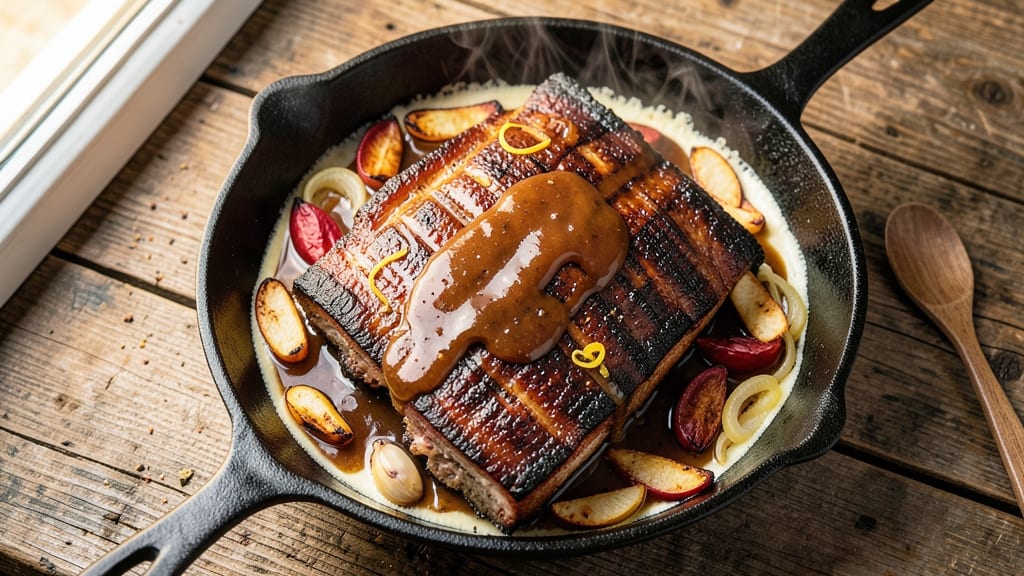
This BBQ ribs recipe with apple juice transforms a backyard staple into something extraordinary—where smoky depth meets unexpected sweetness and crunch. I first discovered the magic of apple juice in ribs while experimenting with fruit-based marinades, and the results were game-changing.
The acidity tenderizes while the natural sugars caramelize beautifully during slow cooking, creating a bark that's both crisp and sticky.
The secret lies in balancing traditional BBQ techniques with this fruity twist. You'll start with a dry rub that builds flavor, then let the ribs smoke low and slow while basting with apple juice mixed into your sauce.
This method ensures tender meat with a caramelized exterior that's impossible to resist. The apple juice also adds subtle fruit notes that pair surprisingly well with the smoky, spicy flavors of classic BBQ.
By the time you pull these ribs from the smoker, you'll have perfectly tender meat that falls off the bone, coated in a glossy sauce with just the right balance of sweet, smoky, and tangy flavors.
The apple juice infusion adds a complexity that elevates this dish beyond ordinary backyard BBQ. The best part? This recipe delivers restaurant-quality results without requiring specialized equipment.
Serve with classic BBQ sides like coleslaw and cornbread, or pair with a crisp apple salad to complement the flavors. The technique is straightforward but yields impressive results—ideal for feeding a crowd or treating yourself to a special meal.
Let's get started on creating ribs that will have everyone asking for seconds.
Ingredients for bbq ribs recipe with apple juice
Six ingredients for the rub, four for the sauce, and one game-changing ingredient—apple juice—that makes these ribs unforgettable.
| Ingredient | Amount | Notes |
|---|---|---|
| Pork Baby Back Ribs 🍖 | 4 lb | Bone-in, meaty ends included |
| Unsalted Butter 🧈 | ½ cup | Cold, cubed for rub |
| Yellow Onion 🧅 | 1 whole | Coarsely chopped for rub |
| Garlic Cloves 🧄 | 6 cloves | Peeled, minced for rub |
| Apple Juice 🍎 | 1 cup | Unsweetened, for basting |
| Apple Cider Vinegar 🍶 | ¼ cup | For tangy balance |
| Brown Sugar 🍚 | ½ cup | Packed, for rub |
| Smoked Paprika 🌶️ | 2 tbsp | For deep smoky flavor |
| Ground Black Pepper 🌶️ | 1 tbsp | Freshly cracked |
| Celery Stalks 🥬 | 2 whole | Chopped for crunchy garnish |
| Fresh Cilantro 🌿 | ¼ cup | Chopped, for garnish |
| Kosher Salt 🧂 | 2 tbsp | Diamond Crystal preferred |
| Yellow Mustard 🍯 | 2 tbsp | For sauce binder |
| Wood Chips 🌳 | 2 cups | Hickory or apple wood |
The ribs are the star, so grab the meatiest baby backs you can find—look for thick slabs with good marbling. Costco or local butchers usually have the best selection, and if you're buying in bulk, freeze half for next time. The apple juice? Unsweetened, no additives—Trader Joe's has a great organic option. For the wood chips, hickory gives classic smokiness, but apple wood adds a subtle fruity note that pairs perfectly with the juice. Don't skip the celery—it's not just for garnish; its crunch cuts through the richness of the ribs.
No apple juice? White grape juice works in a pinch, but it lacks that caramel depth. Running low on brown sugar? Maple syrup or honey at half the amount adds sweetness, though the texture won't be identical. Fresh cilantro wilting? Dried cilantro or parsley at one-third the amount keeps the flavor, minus the freshness. The mustard in the sauce is key—it helps the apple juice cling to the ribs. If you're avoiding it, Dijon or whole-grain mustard are good swaps. And if you're short on time, pre-chop the celery and store it in the fridge for up to 5 days—it keeps its crunch better than most veggies.
These ribs taste even better the next day, so make a double batch if you're feeding a crowd. Store leftovers in the fridge for 4-5 days, wrapped tightly in foil to keep the bark crisp. For longer storage, freeze them for up to 3 months—just thaw in the fridge overnight before reheating. The sauce reduces as it cooks, so if you're making extra, freeze it separately in ice cube trays for easy basting later. And trust me, the celery garnish isn't just for looks—it adds a refreshing crunch that balances the smoky-sweet flavors.
Why You'll Love This Recipe
- Foolproof Timing: I swear by this recipe when I’m short on time—just sear the ribs in butter and onion, then slow-cook with apple juice for hours while I do laundry or binge-watch. The apple juice does all the work, turning tough meat into melt-in-your-mouth perfection without babysitting the oven.
- Sweet-Savory Magic: That apple juice isn’t just a trick—it caramelizes into a glossy, tangy glaze that clings to every rib. The garlic and onion add depth, but it’s the balance of smoky, sweet, and slightly tangy that makes these ribs ridiculously addictive. (Yes, even my picky husband finishes his plate.)
- Weeknight to Party: Same recipe, different vibes. I make these for lazy Tuesdays with coleslaw and cornbread, or I double the batch for game day when friends show up hungry. The ribs reheat beautifully—no one will guess they were made ahead.
- Budget Wins: Baby back ribs aren’t cheap, but this method stretches them further. The apple juice cuts the richness, so a single rack feels lighter and more satisfying. Plus, leftovers? I wrap them in foil and freeze them—perfect for lazy breakfasts or quick lunches when I’m too tired to cook.
Step-by-step instructions for slow-smoked apple juice ribs
Here's how to transform tough ribs into tender, sweet-smoked perfection with that signature apple tang.
Prepare the Ribs and Dry Rub
Remove the ribs from the packaging and pat them dry with paper towels—this is crucial for that crisp bark. In a large bowl, combine the cold, cubed unsalted butter, coarsely chopped yellow onion, minced garlic cloves, packed brown sugar, smoked paprika, ground black pepper, and kosher salt. I like to use my hands to mix this into a crumbly paste.
Spread this mixture evenly over both sides of the ribs, pressing it into the meat so it sticks. The sugar and paprika will create that beautiful caramelized crust while the apple juice will keep them moist. Let the ribs sit at room temperature for 30 minutes—this helps the rub penetrate and the meat cook more evenly.
Set Up the Smoker
Fill your smoker with the 2 cups of wood chips (I prefer hickory for this recipe) and soak them in water for 30 minutes beforehand. This ensures steady smoke without flare-ups. Preheat your smoker to 225°F—this low-and-slow approach is key for tender ribs that fall off the bone.
Once the smoker reaches temperature and you see clean, blue smoke (not white steam), place the ribs bone-side down on the grill grates. The meaty ends should be facing up—this helps them cook faster and gives you more surface area for that crispy bark. Resist the urge to peek or move them during the first 2 hours, as this can disrupt the cooking process.
Smoke and Baste
Smoke the ribs for 4-5 hours, maintaining that 225°F temperature. About halfway through, mix the apple juice and apple cider vinegar in a bowl. This tangy liquid will keep the ribs moist and add that signature flavor we're after.
After 3 hours, brush the ribs with the apple juice mixture every hour. You'll know they're ready when the internal temperature reaches 195-203°F and the meat pulls away from the bones easily. The bark should be dark and sticky—this is the sign of perfectly smoked ribs. If the bark isn't forming, increase the temperature slightly to 250°F for the last hour.
Wrap and Finish
Once the ribs reach the right temperature, wrap them tightly in aluminum foil with the apple juice mixture. This step, called the "Texas crutch," helps them cook through evenly and keeps them moist. Return them to the smoker for another 30-45 minutes until they're fork-tender.
Remove the ribs from the smoker and let them rest for 15 minutes before unwrapping. The juices will redistribute, making each bite incredibly tender. While they rest, mix the yellow mustard with any leftover apple juice mixture to create a quick glaze. Brush this over the ribs just before serving.
Serve with Crunchy Garnishes
Transfer the ribs to a cutting board and slice between the bones. Garnish with chopped celery stalks and fresh cilantro for that refreshing crunch and bright color. The celery adds a nice contrast to the rich, smoky ribs, while the cilantro brightens up the dish.
Serve immediately with extra apple juice for dipping or alongside classic BBQ sides like coleslaw or cornbread. The combination of sweet apple juice, smoky paprika, and tangy vinegar creates a flavor profile that's both comforting and exciting—perfect for any gathering.
Pro Tips For Making Bbq Ribs Recipe With Apple Juice
- Trim the Membrane First: I learned this the hard way—skipping it means chewing through a tough, chewy layer instead of sinking your teeth into tender meat. Slide a butter knife under the thin membrane on the bone side of the ribs, then pull it off with a paper towel for grip. Do this before any cooking, or you’ll regret it later.
- Use Whole Garlic, Not Minced: Sounds weird, but it works: smash 4-5 whole garlic cloves into a paste with the onion instead of pre-mincing. The skins protect the flavor from burning, and the slow cook time lets the aroma seep into the butter and apple juice like a flavor bomb. (Yes, even if you’re impatient like me.)
- Baste with Apple Juice, Not Just Sauce: The ribs need moisture, not just glaze. Every 30 minutes during the last hour of cooking, spoon the apple juice from the pan over the ribs—it keeps them from drying out while adding sweetness that caramelizes. Skip this, and you’ll end up with sticky ribs that aren’t tender.
- Cook Low and Slow—Really: After searing, drop the heat to 275°F (135°C) and resist the urge to crank it up. I used to rush this, and the ribs turned out tough. Baby backs need 2.5–3 hours to break down properly, and the apple juice will reduce into a glossy sauce that clings to the meat instead of pooling at the bottom. (Your future self will thank you.)
Make-ahead tips for leftovers
Prep Ahead Rub
Make the dry rub up to 3 days in advance and store it in an airtight container in the fridge. I like to prep mine on Sunday mornings while Lily watches cartoons—it's the perfect way to start the weekend.
The spices and brown sugar will keep their flavor, and the butter stays fresh. Just mix everything together again right before applying it to the ribs. 🧂
Marinate Ribs Overnight
For extra tenderness, marinate the ribs in the apple juice mixture for 12-24 hours before smoking. I use a large resealable bag or glass container—I swear by Glasslock containers for this.
Place the ribs in the bag, pour in 1 cup apple juice and ¼ cup apple cider vinegar, then refrigerate. This step adds incredible depth of flavor and helps break down the collagen for fork-tender meat. 🍎
Sauce Prep Shortcut
Combine the apple juice and vinegar sauce ingredients in a small container and refrigerate for up to 5 days. I keep mine in a glass mason jar with a tight lid—it's ready to brush on whenever you're ready to smoke.
This saves time on cook day, and you can even freeze the sauce in ice cube trays for later use. Just thaw overnight in the fridge before using. ❄️
Smoker Prep Tips
Soak your wood chips the night before and store them in a sealed container in the fridge. This ensures they're ready to go when you are. I keep mine in a ziplock bag with ½ cup water—they'll be perfectly moist by morning.
Also, preheat your smoker while the ribs are still cold. This helps maintain consistent temperature and gets you cooking faster. 🌳
Leftovers Strategy
Store leftover ribs in the fridge for 4-5 days or freeze for up to 3 months. Wrap them tightly in foil and place in an airtight container. To reheat, warm in a 350°F oven for 15-20 minutes, covered with foil.
For extra crispiness, broil for the last 2 minutes. The celery garnish won't survive freezing, so save that for fresh servings. 🔥
Weekend Prep Timeline
Here's my foolproof schedule: Sunday morning—make the rub and prep the sauce. Sunday afternoon—marinate the ribs. Monday evening—set up the smoker and let it preheat overnight. This way, you're ready to cook on Tuesday morning with minimal stress.
I always set my alarm for 6:00 AM—the early start means I can enjoy the process without rushing. ☕
Nutrition facts
Frequently asked questions about apple juice BBQ ribs
Can I substitute apple juice with something else?
Yes! If you don't have apple juice, try white grape juice or pineapple juice for a similar sweet-tangy flavor. For a deeper BBQ profile, use ½ cup apple juice + ½ cup BBQ sauce. The key is balancing sweetness with acidity—skip the juice entirely only if you're using a very sweet BBQ sauce.
How do I know when the ribs are done?
Use the probe test: The meat should pull away from the bones with gentle pressure, and the internal temperature should reach 195-203°F. The bark should be dark and sticky, not dry. If it's not forming, increase heat to 250°F for the last hour. Never rely on time alone—every smoker cooks differently!
Why did my ribs turn out dry?
This usually happens from overcooking or not basting enough. The apple juice keeps ribs moist, so brush them every hour during smoking. If they're still dry, try wrapping them in foil with extra juice for 30-45 minutes before serving. Also, check your smoker temperature—225°F is ideal for tender results.
Can I grill these ribs instead of smoking?
Use an indirect heat method on your grill, keeping temps at 225-250°F. Place a water pan underneath for moisture, and baste with the apple juice mixture. Grilling works best with a gas grill or charcoal setup—avoid flare-ups by keeping the lid closed. The flavor will be slightly different but still delicious!
What's the best way to serve these ribs?
Slice between the bones and serve with extra apple juice for dipping. Pair with classic sides like creamy coleslaw, cornbread, or a crisp apple salad to complement the flavors. For extra crunch, garnish with chopped celery and cilantro right before serving.