
Sauces & Condiments
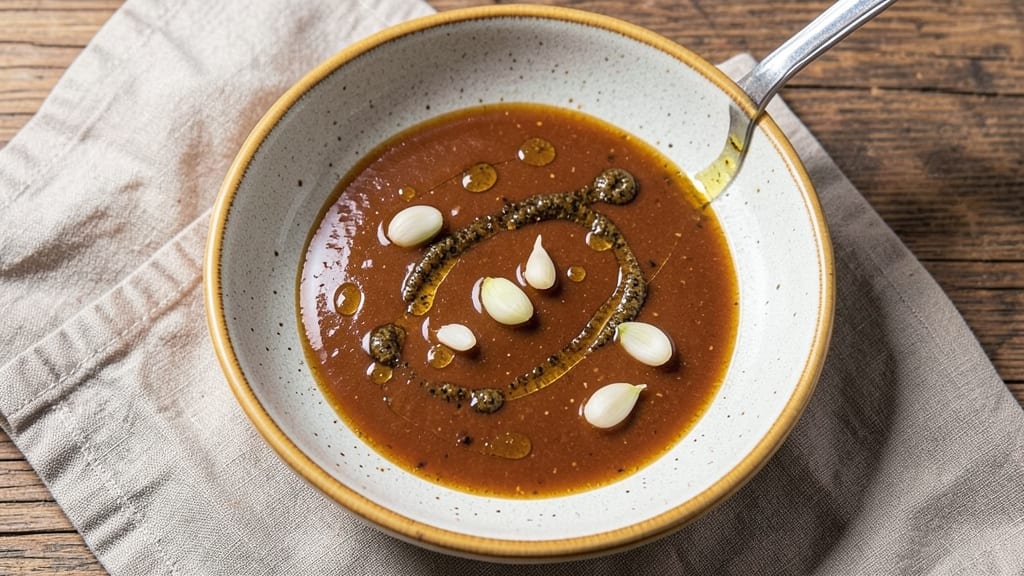
This apple cider vinegar sauce recipe transforms simple pantry staples into a versatile condiment that balances sharp tang with subtle sweetness—perfect for elevating everything from salads to roasted vegetables.
The secret lies in the ratio of vinegar to honey, creating a harmonious blend that's both bright and complex without overpowering other flavors. I developed this recipe after years of experimenting with vinegar-based dressings, and it's become a staple in my kitchen for its adaptability and bold flavor profile.
The beauty of this sauce is its simplicity: just four core ingredients—apple cider vinegar, honey, olive oil, and Dijon mustard—come together to form a dressing that's rich yet light, tangy yet smooth.
The Dijon mustard adds depth and a slight kick, while the honey rounds out the acidity for a finish that's neither too sweet nor too sharp.
What makes this recipe truly special is how it enhances other dishes without stealing the spotlight, making it ideal for drizzling over grilled meats, tossing with greens, or serving as a dipping sauce for fries or pretzels.
What you'll end up with is a sauce that's smooth, glossy, and packed with layers of flavor—ready to transform ordinary meals into something extraordinary. The texture is silky yet slightly thickened, clinging beautifully to whatever it's poured over.
Best of all, it keeps well in the refrigerator for up to two weeks, so you can make a big batch and have it on hand for spontaneous meals or last-minute entertaining.
Use it as a marinade for chicken or pork, a dressing for hearty salads, or a tangy dip for crispy appetizers. The possibilities are endless, but the execution is straightforward—just whisk, taste, and adjust. Here's how to make it perfectly every time.
Ingredients for apple cider vinegar sauce
Four simple ingredients create a versatile sauce that balances tangy sharpness with sweet depth.
| Ingredient | Amount | Notes |
|---|---|---|
| Apple Cider Vinegar 🍏 | ½ cup | Raw, unfiltered preferred |
| Honey 🍯 | ⅓ cup | Light or wildflower variety |
| Extra-Virgin Olive Oil 🫒 | ½ cup | Fruity, peppery variety |
| Dijon Mustard 🌶️ | 1 tbsp | Whole grain preferred |
| Garlic Cloves 🧄 | 2 cloves | Minced for depth of flavor |
| Salt 🧂 | ½ tsp | Diamond Crystal kosher |
| Black Pepper 🌶️ | ¼ tsp | Freshly ground preferred |
| Fresh Lemon Juice 🍋 | 1 tbsp | Freshly squeezed |
The apple cider vinegar is the foundation here—Bragg or Texas Pete are my go-tos for that authentic cider taste. Look for raw, unfiltered varieties in the vinegar aisle, as they retain more flavor complexity. Honey matters too: light or wildflower varieties keep the sauce bright without overpowering, while darker honeys add richness. For the olive oil, California avocado or Italian varieties work beautifully—their fruity notes complement the vinegar perfectly. The Dijon mustard should be whole grain for texture and depth, not the smooth kind. If you're using a jarred mustard, shake it well before measuring.
No apple cider vinegar? White wine vinegar or rice vinegar will work in a pinch, though they'll alter the flavor profile slightly. Substituting honey? Maple syrup or agave nectar are the closest alternatives, but reduce the amount by about 10% since they're sweeter. For the olive oil, avocado oil or walnut oil can stand in, though they'll have different flavor characteristics. If you're avoiding garlic, omit it entirely—the sauce still shines without it. The lemon juice can be swapped for white wine vinegar at half the amount, but it'll be less bright. Always taste as you go and adjust the ratios to suit your preference.
This sauce keeps beautifully in the fridge for up to two weeks when stored in an airtight container. For best texture, give it a quick whisk before each use. If you make a big batch, consider dividing it into smaller containers to make it easier to grab for quick meals. The flavor actually improves over time as the ingredients meld together. For a smoother consistency, blend briefly with an immersion blender. If it thickens too much, simply thin it with a splash of water or extra vinegar. Freeze for up to three months if you won't use it within two weeks.
Why You'll Love This Recipe
- Five-Ingredient Magic: I swear, this sauce comes together while you’re still debating whether to take the leftovers for lunch. Just whisk, wait 10 minutes, and—boom—you’ve got a jar of tangy-sweet richness that tastes like it simmered for hours.
- Garlic-Honey Harmony: That first bite? The vinegar cuts through the honey’s sweetness while the Dijon mustard adds depth, and the raw garlic—oh man—roasted or fresh, it’s the secret weapon. It’s the kind of balance that makes you pause mid-bite, like, “Wait, is this actually in my fridge?”
- Dress-Up Any Plate: Slather it on grilled chicken, drizzle it over roasted veggies, or toss it with pasta—it’s the MVP of lazy dinners and last-minute impressing. Honestly, I’ve even used it as a marinade (yes, even on tofu) and it never lets me down.
- Leftovers That Don’t Suck: This sauce actually improves overnight. The flavors meld, the texture thickens just right, and it keeps for weeks in the fridge. Between us? I make a big batch on Sundays, and by Wednesday, it’s the only thing holding my takeout night together.
Step-by-step instructions for balanced apple cider vinegar sauce
This sauce brings perfect harmony between tangy sharpness and sweet richness—ideal for dipping or drizzling.
Whisk Together Wet Ingredients
In a medium bowl, combine the 0.5 cup apple cider vinegar and 0.33 cup honey. Whisk vigorously for 30 seconds until the honey dissolves completely and the mixture becomes smooth. The vinegar should cut through the honey's sweetness, creating a balanced foundation.
Next, add the 0.5 cup extra-virgin olive oil and continue whisking until fully incorporated. The oil will create a silky texture while adding depth of flavor. I like to use a light, fruity olive oil here—it complements the apple cider vinegar's brightness without overpowering it.
Add Garlic and Mustard for Depth
Stir in the 2 minced garlic cloves and 1 tablespoon Dijon mustard. The garlic will infuse subtle heat and complexity, while the mustard adds a subtle tang that bridges the vinegar and honey. Let the mixture sit for 2 minutes to allow the garlic to mellow slightly—this prevents a harsh bite in the final sauce.
This is where the sauce develops its character. The Dijon mustard also helps emulsify the sauce, ensuring it doesn't separate later. If you're using whole-grain mustard, give it an extra stir to distribute any thicker bits evenly.
Season and Finish with Lemon
Add the 0.5 teaspoon salt and 0.25 teaspoon black pepper to the mixture. Taste and adjust the seasoning—you want a balance where the tang of the vinegar and lemon are noticeable but not overpowering. The salt should enhance all flavors without making the sauce taste salty.
Finally, stir in the 1 tablespoon fresh lemon juice. This brightens the sauce and adds a final layer of acidity that prevents the honey from becoming cloying. The lemon juice should be freshly squeezed—bottled juice lacks the same freshness and can make the sauce taste flat.
Rest and Emulsify
Let the sauce sit at room temperature for 10 minutes. This resting period allows the flavors to meld and the emulsion to stabilize. Stir occasionally—this helps the oil and vinegar mixture come together smoothly. If you notice any separation, whisk vigorously for another 30 seconds.
The sauce should now have a glossy finish and a velvety texture. If it's too thick, thin with 1 teaspoon water at a time until it reaches a drizzling consistency. For extra richness, you can add an additional 1 tablespoon olive oil, but keep the ratio balanced to maintain the sauce's signature tang.
Pro Tips For Making Apple Cider Vinegar Sauce
- Whisk Slowly First: Dump everything in and go full speed on the whisk? Bad idea. Start with a slow, steady motion—this lets the honey and Dijon mustard emulsify with the olive oil before the vinegar hits. I learned this the hard way when my sauce split into two unappetizing layers mid-drizzle.
- Toast Your Garlic: Skip the raw garlic cloves—mince them first, then toss in a dry pan over medium-low heat for 2-3 minutes until fragrant and just turning golden. The heat deepens their flavor without burning, and it saves you from that sharp, raw bite that fights with the vinegar.
- Balance the Vinegar: The sauce will taste harsh if you eyeball the apple cider vinegar. For every ¼ cup of vinegar, add 1 tablespoon of honey before tasting—this is your baseline. Adjust from there, but start here or you’ll be chasing balance with extra mustard or oil.
- Use Cold Honey: Scoop that honey straight from the fridge—it thickens the sauce better and prevents the olive oil from separating. I used to use room-temperature honey and wondered why my sauce always felt thin, even after whisking like crazy. Cold honey is your secret weapon.
Common mistakes when making this dish
Overpowering Vinegar
One common mistake is using too much apple cider vinegar, which can make your sauce harsh and unbalanced. I’ve learned to measure carefully—start with the 0.5 cup called for in the recipe and taste before adding more.
If you need extra tang, add a splash of lemon juice instead, which brightens without overwhelming the sweetness. Remember, the honey and oil are there to mellow the vinegar, not compete with it. 🍏
Under-Emulsified Sauce
Skipping the resting step or not whisking enough can cause oil and vinegar to separate, ruining the silky texture. Always whisk vigorously for at least 30 seconds when combining wet ingredients, then let it sit for 10 minutes before adjusting.
If separation happens, whisk again or add 1 teaspoon water to help re-emulsify. The Dijon mustard also acts as a natural emulsifier—don’t skip it!
Ignoring Honey Quality
Not all honey is created equal, and using the wrong type can throw off your sauce’s balance. Darker honeys (like buckwheat) add richness but can make the sauce taste cloying. Stick with light or wildflower honey, which keeps the flavor bright and complementary.
If your honey is too thick, warm it slightly before mixing to help it blend smoothly with the vinegar. 🍯
Rushing the Garlic
Adding raw garlic directly to the sauce can make it taste bitter or harsh. Always let the minced garlic sit for 2 minutes before whisking it in—this allows the sharp edges to mellow.
If you’re in a hurry, lightly toast the garlic in a dry pan for 30 seconds** before adding it to the sauce. This step makes a huge difference in the final flavor!
Skipping the Taste Test
Many people assume the recipe’s measurements are perfect without tasting as they go. But every pantry has unique ingredients—your vinegar might be stronger, your honey sweeter, or your mustard spicier. Always taste after each step and adjust salt, honey, or vinegar as needed.
A little extra lemon juice can also help balance flavors if the sauce tastes too sweet or sharp. 💡
Using Bottled Lemon Juice
Bottled lemon juice often lacks the freshness and acidity of freshly squeezed, which can make your sauce taste flat. If you’re using bottled juice, add an extra ½ teaspoon to compensate.
For the best results, always use freshly squeezed lemon juice—it brightens the sauce and adds a vibrant finish. Trust me, your taste buds will notice the difference!
Nutrition facts
Frequently asked questions
Can I make this sauce without honey?
Yes, but the flavor will be sharper and less balanced. Try substituting 2 tablespoons maple syrup or agave nectar for every 3 tablespoons honey to maintain sweetness. For a sugar-free version, add 1 extra tablespoon lemon juice to brighten the tang. The sauce will still work, but the honey is key for that signature smoothness.
How long does this sauce keep, and can I freeze it?
This sauce stays fresh in an airtight container in the fridge for up to 2 weeks. For longer storage, freeze it in 1-tablespoon portions for easy use. Thaw overnight in the fridge—never at room temperature—and give it a quick whisk before using. The texture may thicken slightly when frozen, so thin with a splash of water if needed.
What are the best ways to use this sauce?
This versatile sauce works as a drizzling dressing for salads, a marinade for grilled chicken or pork, or a dipping sauce for fries and veggies. It also pairs beautifully with cheeses like goat cheese or blue cheese, or as a glaze for roasted carrots. The tangy-sweet balance makes it perfect for both savory and slightly sweet dishes.
Why does my sauce look separated?
Oil and vinegar naturally separate if not emulsified properly. Whisk vigorously for 30 seconds or use a fork to gently fold the ingredients. For stubborn separation, add 1 teaspoon water or lemon juice and whisk again. The Dijon mustard helps bind the sauce—don’t skip it! If all else fails, blend briefly with an immersion blender for a silky texture.
Can I make this sauce with balsamic vinegar instead?
While possible, balsamic vinegar has a deeper, sweeter flavor that will change the sauce's profile. Use it in a 1:1 ratio, but reduce the honey to 0.25 cup to balance the extra sweetness. The result will be richer and more complex, but less bright than the original. For a true apple cider flavor, stick with the original recipe.