
Sauces & Condiments
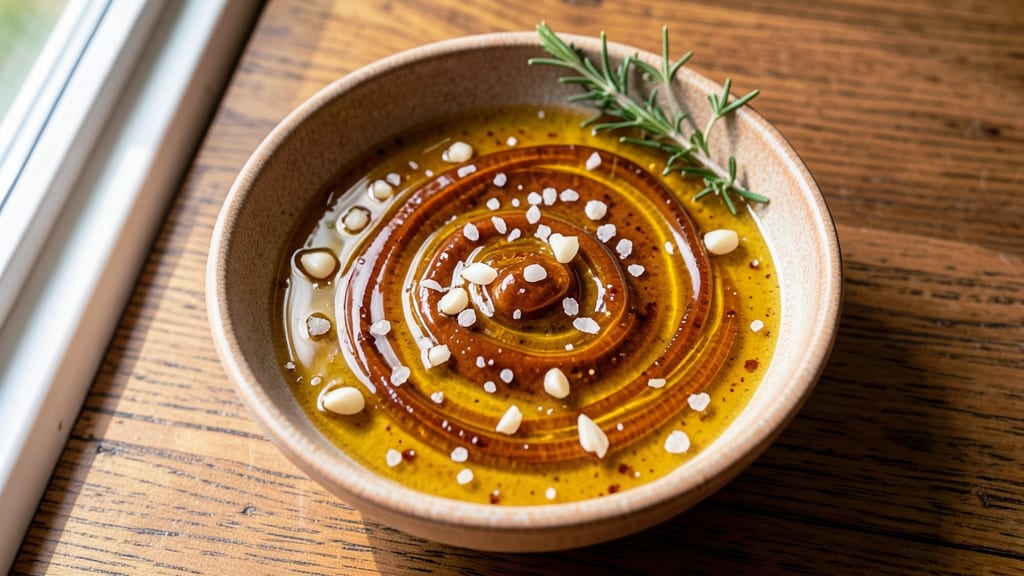
This apple cider vinegar vinaigrette dressing recipe transforms ordinary salads into vibrant, tangy masterpieces with just five simple ingredients. The secret lies in balancing sharp apple cider vinegar with smooth olive oil and a touch of Dijon mustard to create a stable, emulsified dressing that clings beautifully to greens.
I developed this recipe after realizing how often store-bought dressings fell flat—this version delivers restaurant-quality brightness without the artificial aftertaste.
The magic happens when you whisk together ¼ cup apple cider vinegar, ¾ cup olive oil, and 1 tablespoon Dijon mustard—the mustard acts as a natural emulsifier, preventing separation. Add 1 teaspoon honey to soften the acidity and ½ teaspoon salt to enhance all flavors.
This dressing works equally well on mixed greens, roasted vegetables, or as a marinade for grilled chicken, proving its versatility in any kitchen.
What sets this vinaigrette apart is its ability to stay fresh and flavorful for up to 5 days in the refrigerator, making it perfect for meal prep.
The apple cider vinegar adds depth beyond traditional balsamic or red wine vinegar, while the honey balances the tang for a dressing that’s both sophisticated and approachable. Whether you're dressing a simple lunch salad or elevating a dinner plate, this recipe delivers consistent, professional results.
For extra richness, try adding fresh herbs like thyme or rosemary, or a pinch of garlic powder for warmth. The dressing thickens slightly when chilled, so give it a quick stir before using.
This is the kind of versatile, crowd-pleasing sauce that belongs in every cook’s repertoire—simple enough for weeknight meals but impressive enough for guests. Let’s make it.
Ingredients for apple cider vinegar vinaigrette dressing
Five ingredients create a restaurant-quality vinaigrette that elevates any dish with vibrant tang.
| Ingredient | Amount | Notes |
|---|---|---|
| Apple Cider Vinegar 🍏 | ¼ cup | Raw, unfiltered preferred for depth |
| Extra-Virgin Olive Oil 🫒 | ¾ cup | Light or medium variety for balance |
| Dijon Mustard 🍯 | 1 tbsp | High-quality, smooth texture preferred |
| Raw Honey 🍯 | 1 tsp | Local variety for subtle floral notes |
| Diamond Crystal Kosher Salt 🧂 | ½ tsp | Fine grain for even dissolution |
| Fresh Garlic Cloves 🧄 | 1 whole | Optional for extra depth (minced) |
| Fresh Thyme Leaves 🌿 | ¼ tsp | Optional herb addition (chopped) |
Apple cider vinegar is the heart of this dressing—look for raw, unfiltered varieties like Bragg or Texas Pete for deeper flavor complexity. Whole Foods Market or Trader Joe's carry excellent options, though any quality brand works. The Dijon mustard acts as a natural emulsifier, so Maille or Amoy are ideal if you want to splurge. Fresh garlic and thyme, when used, should be vibrant and aromatic—bruised cloves or wilted herbs will compromise the dressing's brightness. For the olive oil, California or Italian varieties with light fruity notes work best to avoid overpowering the vinegar's sharpness.
No Dijon mustard? Whole-grain mustard thinned with 1 tsp water works in a pinch, though the emulsification won't be as stable. Substitute honey with agave nectar or maple syrup for vegan versions, though honey's floral notes are ideal here. Running short on apple cider vinegar? Balsamic vinegar at half the amount creates a sweeter profile, but the tang will be milder. For the olive oil, avocado oil provides a neutral base if you're avoiding olive's grassy notes. The garlic and thyme are truly optional—omit them if you prefer a cleaner flavor profile, but they add wonderful complexity when included.
This vinaigrette thickens slightly when chilled, so stir vigorously before using. Store in an airtight glass jar in the refrigerator for up to 5 days, though it typically lasts 7-10 days if the vinegar's acidity preserves it well. For longer storage, transfer to a sterilized bottle and keep for 3 months in the freezer. The dressing's emulsified nature means it won't separate permanently if stored properly, though a quick whisk restores its silky texture. Portion into small containers for meal prep—just remember to stir before each use.
Why You'll Love This Recipe
- Five-Ingredient Magic: I swear by this combo—just shake, taste, adjust. No fancy tools, no stress. The Dijon mustard and honey do all the work while I’m still deciding what to eat for dinner.
- Tangy-Sweet Balance: That first bite? The apple cider vinegar’s sharp kick softens into honeyed warmth, then the olive oil smooths it all out. It’s the dressing I reach for when I want flavor that sticks—no bland salad here.
- Works Everywhere: Drizzle it on greens, toss with roasted veggies, or even use it as a marinade. Honestly, I’ve put it on scrambled eggs (yes, really) and it still shines. The salt and vinegar cut through anything.
- Lasts All Week: Make a big batch—it keeps for days in the fridge, and the flavors only get better as the vinegar mellows. Between us, I’ve had this dressing three times this month, and I’m not tired of it yet.
Step-by-step instructions for apple cider vinegar vinaigrette
This bright, balanced dressing comes together in minutes with precise technique.
Whisk Vinegar, Honey, and Mustard
In a small bowl, combine the 0.25 cup apple cider vinegar, 1 tsp raw honey, and 1 tbsp Dijon mustard. Whisk vigorously for 30 seconds until the honey dissolves completely and the mixture becomes smooth. The honey should integrate fully—no visible streaks should remain. This initial combination creates the dressing's foundational balance between sweetness and acidity.
I like to use a small whisk or fork for this step to ensure even emulsification. If you notice the honey clinging to the sides, add 1 tsp water and whisk again. The mixture should now have a syrupy consistency that coats the back of a spoon. This stage is critical—the honey's floral notes will mellow the vinegar's sharpness while the mustard adds subtle depth.
Gradually Incorporate Olive Oil
With the whisk still in the bowl, slowly drizzle in the 0.75 cup extra-virgin olive oil while whisking continuously. Start with a thin stream and maintain a steady pace—this gradual addition prevents the dressing from breaking. The oil should emulsify immediately, creating a thick, glossy texture. If the mixture separates at any point, whisk more vigorously for 10-15 seconds to re-emulsify.
This emulsification process is where the dressing's signature texture develops. The oil should blend seamlessly with the vinegar mixture, resulting in a velvety consistency. If you're using a light olive oil, the dressing will have a cleaner finish; medium varieties add subtle fruity notes. Work quickly but deliberately—rushing can cause separation, while lingering too long can over-emulsify the mixture.
Season and Add Aromatics
Add the 0.5 tsp Diamond Crystal kosher salt, 1 minced fresh garlic clove, and 0.25 tsp chopped fresh thyme leaves to the emulsified dressing. Whisk for another 20 seconds until the salt dissolves completely and the garlic and thyme are evenly distributed. Taste the dressing at this stage—it should be tangy with a hint of sweetness, a touch of garlic's sharpness, and thyme's earthy aroma.
The salt enhances all flavors while balancing the acidity, while the garlic and thyme add layers of complexity. If the dressing tastes too sharp, add ½ tsp more honey; if it's too mild, add ¼ tsp more vinegar. The thyme leaves should be finely chopped to prevent texture issues—no visible pieces should remain. This is your final flavor adjustment opportunity before the dressing reaches its peak.
Rest and Adjust Consistency
Cover the bowl with plastic wrap and let the dressing rest for 5 minutes at room temperature. This resting period allows the flavors to meld and the emulsion to stabilize. After resting, taste the dressing again—you may notice the flavors have deepened and harmonized. If the dressing has thickened too much, thin it with 1-2 tsp water or additional olive oil until it reaches a pourable consistency that coats the back of a spoon.
The dressing should now have a balanced profile: bright from the vinegar, mellowed by honey, with olive oil's richness and aromatic herbs. If you prefer a smoother texture, strain the dressing through a fine-mesh sieve to remove any thyme stems or garlic bits. This step ensures a silky finish perfect for drizzling over salads, roasted vegetables, or grilled proteins.
Pro Tips For Making Apple Cider Vinegar Vinaigrette Dressing
- Whisk in stages: Start by mixing the vinegar, mustard, honey, and salt—then slowly drizzle in the olive oil while whisking. This keeps the dressing smooth and prevents a greasy split (yes, it happens more than you’d think).
- Use raw honey, not cooked: Cooked honey loses its delicate sweetness and can turn the dressing cloying. Grab that unprocessed jar from the fridge—its texture and flavor make a real difference in balancing the tang.
- Measure vinegar first: Pour the apple cider vinegar into the bowl before anything else. It’s acidic enough to thin out the mustard and honey, so adding it last means you’ll end up with a gloppy mess.
- Salt the mustard: Sprinkle the kosher salt directly into the Dijon mustard while mixing—it dissolves better than if you add it later. (And trust me, you’ll taste the difference.)
Creative variations of apple cider vinegar vinaigrette dressing
Herbal Infusions
Swap thyme for other fresh herbs to create distinct flavor profiles. Try ½ tsp chopped rosemary for an earthy, piney note that pairs beautifully with roasted meats.
For a citrusy twist, add 1 tsp finely grated lemon zest along with the thyme—this brightens the dressing while complementing the apple cider vinegar’s tang. I love using flat-leaf parsley for a fresh, slightly peppery finish that works well with seafood dishes. 🌿
Spiced Variations
Warm up your vinaigrette with spices that harmonize with apple cider’s depth. Add ¼ tsp ground cinnamon and pinch of cayenne pepper for a subtle autumnal kick that’s perfect for fall salads.
For a smoky depth, include ½ tsp smoked paprika—this works surprisingly well with grilled vegetables or pulled pork. I also enjoy a touch of fresh ginger (⅛ tsp grated) for a zesty, slightly spicy contrast that elevates Asian-inspired dishes. 🌶️
Sweet-Tart Balance
Adjust the honey-to-vinegar ratio to create different flavor intensities. For a sweeter dressing, increase honey to 1.5 tsp while keeping vinegar at ¼ cup. To intensify the tang, reduce honey to ½ tsp and add ¼ tsp lemon juice for extra brightness.
I’ve found that maple syrup (1 tsp) works beautifully for a vegan version—it adds a caramel-like richness that pairs well with hearty greens like kale or spinach. 🍯
Global Twists
Transform this dressing into international flavors with simple swaps. For a Mediterranean vibe, replace apple cider vinegar with ½ cup balsamic vinegar and add ½ tsp dried oregano.
A Japanese-inspired version uses rice vinegar (¼ cup), 1 tsp sesame oil instead of olive oil, and a pinch of red pepper flakes.
I also love a Mexican-inspired take with lime juice (2 tbsp), ½ tsp cumin, and a dash of hot sauce—perfect for tacos or grilled corn. 🌍
Texture Enhancers
Elevate your dressing with unexpected textures that add dimension. Stir in 1 tbsp toasted walnuts or pecans (finely chopped) for a nutty crunch that contrasts the smooth emulsion. For a creamy element, fold in 1 tbsp crumbled goat cheese or feta—this works wonderfully with grain salads or roasted vegetables.
I also enjoy adding 1 tsp poppy seeds for a delicate, floral note that pairs beautifully with fruit salads or grilled chicken. 🌰
Seasonal Adaptations
Adjust the dressing to complement seasonal produce. In summer, add fresh basil or mint (2 tbsp chopped) for a refreshing, herbaceous note that brightens tomato-based salads. For winter, include ½ tsp grated nutmeg and 1 tsp cranberry sauce (reduced) to create a festive, holiday-ready dressing perfect for holiday meals.
I also love a peppery mustard seed (½ tsp) addition in fall—it adds a subtle crunch and warmth that pairs beautifully with root vegetables. ❄️
Nutrition facts
Frequently asked questions
Why does my vinaigrette separate after a few hours?
Separation happens when oil and vinegar aren't properly emulsified. The Dijon mustard acts as a natural stabilizer, but if you whisk too quickly or use too much oil at once, the emulsion breaks. To fix it, whisk vigorously for 20-30 seconds—the dressing should re-emulsify. For future batches, add ingredients gradually and whisk continuously while incorporating the oil.
Can I make this dressing without Dijon mustard?
Yes! Use 1 tbsp whole-grain mustard thinned with 1 tsp water as a substitute. For a mustard-free version, add 1 tsp honey plus 1 tsp water to help stabilize the emulsion. The dressing won't be as stable, but it'll still taste delicious—just stir well before using and store it in the fridge.
How long will this dressing keep in the fridge?
This vinaigrette stays fresh for 5-7 days when stored in an airtight glass jar in the refrigerator. The apple cider vinegar's acidity acts as a natural preservative. If you notice any mold or off smells after a week, it's best to discard it. For longer storage, freeze portions in ice cube trays and transfer to a freezer bag for up to 3 months.
What's the best way to use this dressing beyond salads?
This versatile vinaigrette works as a marinade for grilled chicken or fish, a drizzle for roasted vegetables, or even a dip for crudités. Try using it to deglaze pans after cooking meat—its tangy flavor adds depth to sauces. For extra richness, reduce the dressing by half on the stovetop to create a glossy glaze for seared proteins.
Can I make this dressing spicier?
Add ¼ tsp cayenne pepper or ½ tsp hot sauce for heat. For a smoky kick, include ½ tsp smoked paprika.