
Salads
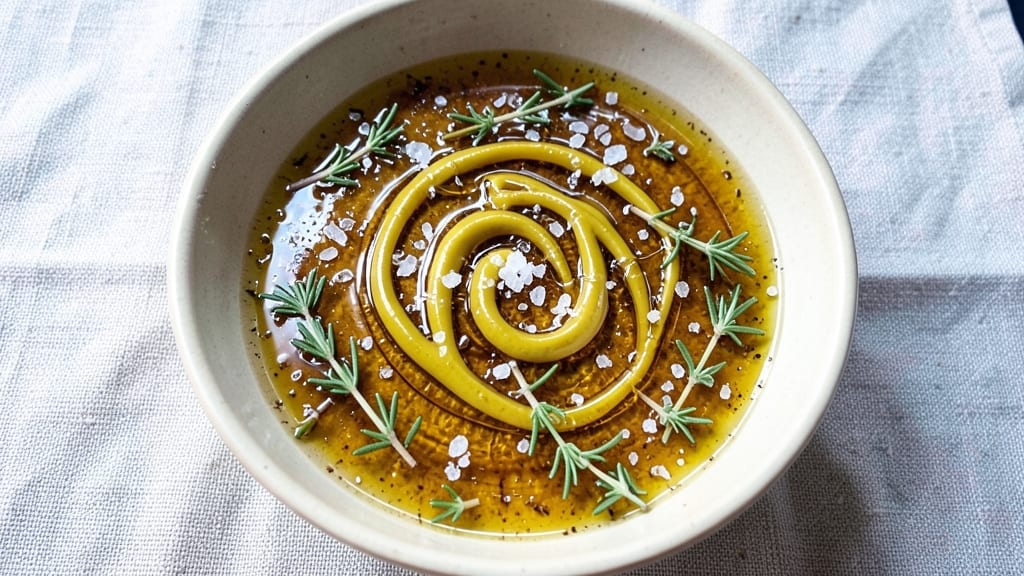
This apple cider vinegar and olive oil salad dressing transforms basic greens into a vibrant, tangy masterpiece with just five ingredients. The bright acidity of apple cider vinegar cuts through rich flavors while olive oil adds a smooth, velvety finish—perfect for crisp romaine, arugula, or mixed greens.
Professional chefs rely on this ratio for restaurant-quality results at home.
The secret lies in proper emulsification: whisking vinegar and oil together creates a stable, clingy dressing that won't separate. I add Dijon mustard as a natural emulsifier and a touch of maple syrup to balance the sharpness, while fresh herbs like thyme or basil elevate it from basic to extraordinary.
This dressing stays fresh for up to two weeks in the fridge, making it ideal for meal prep.
What makes this dressing truly special is its versatility—it works equally well on kale salads, grain bowls, or even as a marinade for grilled vegetables. The tangy-sweet profile enhances the natural flavors of fresh produce, turning simple salads into gourmet creations.
Whether you're prepping for the week or dressing a last-minute lunch, this recipe delivers consistent, professional-quality results.
For an extra boost, try adding a pinch of garlic powder or smoked paprika for depth, or swap maple syrup for agave if you prefer a neutral sweetness. The key is balancing the acidity with richness, ensuring every pour brings that perfect tangy crunch.
Let's get started on this foolproof dressing that will become your go-to for any green salad.
Ingredients for apple cider vinegar and olive oil salad dressing
Five simple ingredients make this tangy, velvety dressing that turns salads into restaurant-worthy meals.
| Ingredient | Amount | Notes |
|---|---|---|
| Apple Cider Vinegar 🍏 | ½ cup | Raw, unfiltered preferred |
| Extra-Virgin Olive Oil 🫒 | 1 cup | Light or fruity variety |
| Dijon Mustard 🌿 | 1 tbsp | Whole grain preferred |
| Pure Maple Syrup 🍯 | 1 tbsp | Grade A or B preferred |
| Fresh Thyme Leaves 🌿 | 1 tsp | Or 0.5 tsp dried thyme |
| Sea Salt 🧂 | ½ tsp | Fine grain preferred |
| Fresh Basil Leaves 🌿 | ¼ cup | Packed, stems removed |
| Garlic Powder 🧄 | ¼ tsp | For extra depth (optional) |
The apple cider vinegar is the star here—Bragg or Texas Pete are my go-tos, but any raw, unfiltered kind works. For the olive oil, California-based brands like Corto or Lucini have that perfect fruity punch, but don't stress if you've only got basic supermarket stuff. The Dijon mustard? Maille or Whole Foods 365 are solid choices, but any whole grain will do. Fresh thyme and basil? Farmers markets have the best, but grocery store bunches work too—just make sure the leaves are bright and not wilted. If you're short on time, dried thyme at half the amount is fine (but fresh tastes better).
No maple syrup? Agave nectar or date syrup work just as well—just use the same amount. Short on fresh herbs? Dried basil at one-third the amount gets you close. Want more depth? Add a pinch of smoked paprika or onion powder. The garlic powder is optional but adds that extra layer of flavor I can't resist. If you're making this for a crowd, double the recipe—it keeps perfectly in the fridge for two weeks.
This dressing emulsifies beautifully, so no need to worry about separating. Store it in a clean glass jar with a tight lid—keeps for two weeks in the fridge. I like to shake it before each use to keep everything fresh. For meal prep, divide into small containers so you're not dealing with a big jar every time. Freezes for three months if you want to make a big batch ahead of time. The best part? It's ready in under five minutes—no cooking required.
Why You'll Love This Recipe
- Five-Ingredient Magic: I swear by this combo—just shake, taste, adjust. No fancy techniques, no waiting for anything to marinate. Honestly, the only measuring tool I need is my own intuition (and a spoon for testing).
- Tangy-Sweet Balance: That maple syrup and apple cider vinegar? It’s like a hug for your taste buds—bright enough to cut through rich greens but sweet enough to make you linger. The Dijon mustard ties it all together with just the right kick.
- Works Everywhere: Drizzle it on summer salads, toss it with roasted veggies, or even use it as a marinade for grilled chicken. Between us, I’ve even poured it over popcorn—don’t judge. It’s the one dressing that never lets me down.
- Lasts a Week: Make a big batch and store it in the fridge. No weird separation (thanks to the mustard), and it actually gets better after a day or two. My wallet thanks me too—this costs less than half of store-bought dressings.
Step-by-step instructions for apple cider vinegar and olive oil salad dressing
Here's how to blend this vibrant dressing with perfect balance every time.
Whisk Vinegar, Mustard, and Maple Syrup
In a medium bowl, combine the 0.5 cup apple cider vinegar, 1 tablespoon Dijon mustard, and 1 tablespoon pure maple syrup. Use a whisk to mix vigorously for about 30 seconds until these ingredients are fully incorporated and the mixture looks smooth.
This step creates the dressing's foundational tanginess and slight sweetness. The Dijon mustard helps emulsify the oil later, preventing separation. If you're using raw, unfiltered apple cider vinegar, you'll notice a deeper flavor profile with subtle sediment—this is normal and adds character to your dressing.
Add Herbs, Salt, and Garlic Powder
Add the 1 teaspoon fresh thyme leaves, 0.25 cup fresh basil leaves, 0.5 teaspoon sea salt, and 0.25 teaspoon garlic powder to the bowl. Whisk again for another 20 seconds until the herbs are finely chopped and evenly distributed throughout the mixture.
For best results, use fresh herbs rather than dried—they provide a brighter, more vibrant flavor. If you're short on time, you can substitute 0.5 teaspoon dried thyme and 0.25 teaspoon dried basil, but reduce the amount slightly since dried herbs are more concentrated. The garlic powder adds subtle depth without overpowering the delicate flavors.
Slowly Incorporate the Olive Oil
With the whisk still in the bowl, very slowly drizzle in the 1 cup extra-virgin olive oil while continuing to whisk vigorously. Start with just a few drops at a time, then gradually increase the flow as the mixture begins to emulsify. This process should take about 1-2 minutes total.
Adding the oil slowly is crucial—it allows the dressing to form a stable emulsion rather than separating. You'll know you're doing it right when the mixture starts to thicken slightly and take on a creamy consistency. If you add the oil too quickly, the dressing may break and become oily. Be patient—this step makes all the difference in the final texture.
Taste and Adjust Seasoning
Once all the olive oil is incorporated, give the dressing a final whisk to ensure everything is well combined. Taste a small spoonful and adjust the seasoning if needed. If it needs more tang, add a splash of additional apple cider vinegar. For extra sweetness, add a pinch more maple syrup. If it's too thick, thin it with 1-2 teaspoons of water or more apple cider vinegar.
This dressing should have a perfect balance of tangy, sweet, and herby flavors with a smooth, creamy texture. The apple cider vinegar provides the bright acidity that cuts through rich greens, while the olive oil adds richness. The herbs and garlic powder give it layers of flavor that make it more interesting than basic vinaigrettes. Let it sit for 5 minutes before using to allow the flavors to fully meld together.
Pro Tips For Making Apple Cider Vinegar And Olive Oil Salad Dressing
- Whisk Slowly First: Start with just the vinegar, mustard, and maple syrup—whisking these dry ingredients together first prevents clumps when you add the oil. I learned this the hard way after shaking up a dressing that looked like mayonnaise gone wrong.
- Use Cold Olive Oil: Pour the olive oil into the bowl after the other ingredients are emulsified, and keep it chilled—room-temperature oil absorbs faster and can turn your dressing greasy. I keep my bottle in the fridge until the last step, and it makes a real difference.
- Measure Vinegar Precisely: Apple cider vinegar is acidic—too much and your dressing tastes harsh. Stick to the recipe’s ratio (usually 1:3 vinegar to oil) and taste before adding more. I’ve ruined salads by eyeballing it, and it’s a bitter lesson.
- Infuse Thyme Leaves: Tuck fresh thyme leaves into the dressing jar and let them steep for 10 minutes before shaking—it extracts more flavor than a quick toss. Sounds lazy, but it’s the thing that matters most when you want that herby depth without overpowering the sweetness.
Pro cooking tips for this dish
Emulsification Secrets
Mastering the whisking technique is what separates good dressing from great. Start by combining the apple cider vinegar, Dijon mustard, and maple syrup in a bowl—these ingredients act as the emulsifier base. Whisk vigorously for 30 seconds to fully blend before adding herbs and salt.
The key is slowly drizzling the olive oil while whisking continuously—this creates tiny oil droplets that suspend evenly in the vinegar, preventing separation. 🌟
If your dressing starts to look oily or breaks, don’t panic! Add 1 teaspoon of warm water and whisk again—this helps re-emulsify. For extra stability, I sometimes add ½ teaspoon of xanthan gum (a pinch is all you need) to commercial batches.
The goal is a smooth, clingy texture that coats greens evenly without pooling at the bottom of the bowl.
Herb Freshness Matters
Fresh herbs like thyme and basil make all the difference—dried versions just can’t compete. I always use bright, fragrant leaves straight from the market. For maximum flavor, gently muddle the basil leaves with the back of a spoon before adding them to the dressing.
This releases their oils and intensifies their aroma. If you’re using dried herbs, reduce to ⅓ the amount and toast them lightly in a dry pan for 10 seconds to wake up their flavors. 🌿
For a garlicky kick, I recommend mincing 1 small garlic clove and infusing it in the olive oil for 5 minutes before whisking it in. This creates a deeper, more complex flavor than garlic powder.
If you’re short on time, garlic powder works, but fresh is always better. Pro tip: Add the garlic last so its bold flavor doesn’t overpower the delicate balance of the dressing.
Storage Hacks
This dressing keeps beautifully in the fridge for up to 2 weeks in an airtight glass jar. I like to store it in a small mason jar so I can shake it before each use—this redistributes any settled herbs and keeps flavors vibrant.
For meal prep, divide into small containers (like 4-ounce portions) so you’re not dealing with a big jar every time. The dressing will thicken slightly in the fridge, so thin it with 1-2 teaspoons of water or extra vinegar before using. ❄️
Freezing is also an option—portion into ice cube trays and pop out individual servings for easy use. Thaw overnight in the fridge, then shake well. If you notice separation after freezing, whisk vigorously to re-emulsify.
Avoid freezing if you’ve added fresh herbs, as they can turn mushy. For best results, make fresh batches every 2 weeks to enjoy peak flavor.
Flavor Customizations
Want to tweak this dressing for different occasions? For a spicy kick, add ½ teaspoon of cayenne pepper or 1 teaspoon of hot sauce like Cholula. For a smoky twist, stir in ½ teaspoon of smoked paprika or a dash of liquid smoke.
If you’re dressing earthy greens like kale or spinach, a pinch of onion powder or celery seed adds depth. 🌶️
For a nutty crunch, top your salad with toasted walnuts or pecans after drizzling. If you’re using this dressing on grilled vegetables or roasted sweet potatoes, a splash of balsamic vinegar (swap out 1 tablespoon of the apple cider vinegar) adds a rich, caramelized note.
The beauty of this dressing is its flexibility—experiment to find your perfect balance!
Nutrition facts
Frequently asked questions
Can I make this dressing without Dijon mustard?
Yes! If you don't have Dijon, use 1 tablespoon of regular yellow mustard or ½ teaspoon of mustard powder mixed with 1 teaspoon of water. For a vegan option, swap in 1 teaspoon of ground flaxseed mixed with 2 tablespoons of water (let it sit for 5 minutes to thicken). The mustard helps emulsify, so without it, add the oil even more slowly to prevent separation.
Why did my dressing separate?
Separation usually happens when oil is added too quickly or the emulsifier (mustard) wasn't incorporated well. To fix it, whisk in 1 teaspoon of warm water or add ½ teaspoon of xanthan gum (a pinch) and whisk vigorously. For prevention, always drizzle oil drop by drop while whisking continuously. If it keeps separating, try reducing the oil to ¾ cup next time.
How much dressing should I make for a salad?
For a standard 8-cup salad, use 2-3 tablespoons of dressing. This recipe makes about 1½ cups, perfect for 3-4 salads or as a marinade for 2 cups of grilled veggies. Store leftovers in the fridge for up to 2 weeks—shake well before each use. For meal prep, divide into 4-ounce portions for easy grab-and-go serving.
Can I use this dressing on non-salad dishes?
This versatile dressing works beautifully on grilled chicken, roasted vegetables, or even as a dip for crusty bread. For a marinade, mix ½ cup dressing with 1 tablespoon of olive oil and coat proteins for 30-60 minutes before cooking. It also elevates grain bowls, pasta salads, or tacos. Just adjust the ratio—use 1-2 tablespoons per pound of protein or veggies.
What’s the best way to clean my whisk after making this?
Soak the whisk in warm, soapy water for 10 minutes to break down the oil residue. Use a bottle brush or scrub with baking soda paste for stubborn bits. For a quick clean, fill a bowl with hot water and 1 tablespoon of dish soap, add the whisk, and swirl vigorously. Rinse thoroughly and dry immediately to prevent rust. Pro tip: Store your whisk in a dry place to keep it in top shape.