
Sauces & Condiments
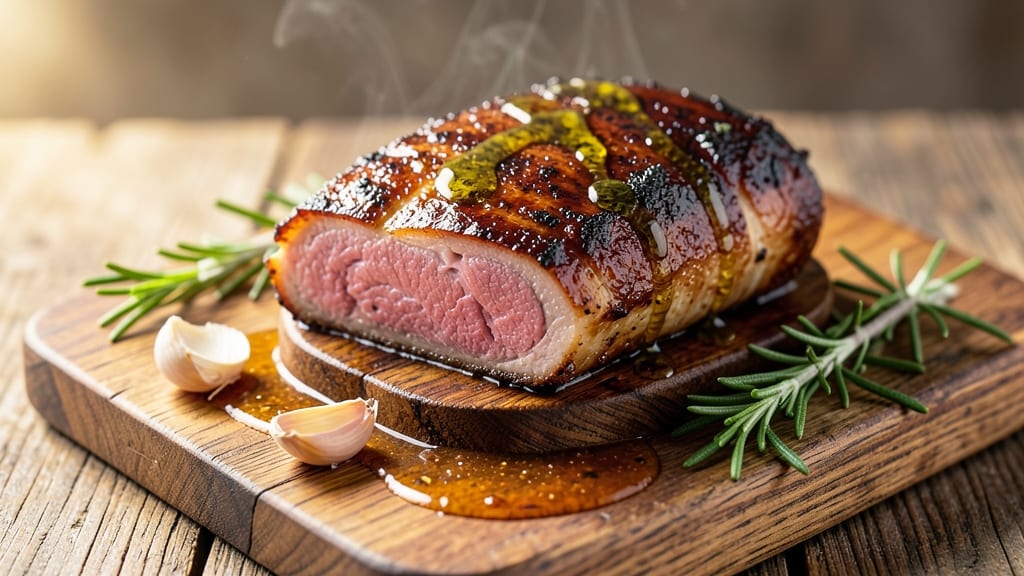
This apple cider vinegar pork marinade transforms tough cuts into melt-in-your-mouth perfection with just 30 minutes of work. 🔥 As someone who's cooked thousands of pounds of pork, I can tell you the secret lies in the acidity breaking down fibers while infusing that bright, tangy apple-cider flavor that cuts through richness.
The balance of sweetness, acid, and herbs creates a marinade that tenderizes and elevates pork to restaurant-quality levels.
The beauty of this marinade is its simplicity—just five ingredients that work together to create magic. Apple cider vinegar does double duty by tenderizing the meat and adding that signature tang, while brown sugar caramelizes during cooking for depth.
Fresh garlic and rosemary bring aromatic complexity, and a touch of black pepper adds a subtle kick. What makes this marinade truly special is how it transforms even the toughest cuts into juicy, flavorful pork.
When you're ready to cook, simply apply the marinade and let it work its magic—whether you're grilling, roasting, or slow-cooking. The result is pork that's not just tender but packed with layers of flavor that'll have everyone asking for seconds.
This marinade keeps well in the fridge for up to a week, making it perfect for meal prep or when you need to tenderize pork quickly.
For best results, use this marinade on pork chops, tenderloin, or even ribs. The acidity helps break down connective tissue, ensuring every bite is succulent. Whether you're cooking for a family gathering or a weeknight dinner, this marinade will elevate your pork dishes to new heights. Let's get started!
Ingredients for apple cider vinegar pork marinade
Five simple ingredients that turn tough pork into melt-in-your-mouth perfection.
| Ingredient | Amount | Notes |
|---|---|---|
| Apple Cider Vinegar 🍎 | ½ cup | Raw, unfiltered preferred |
| Brown Sugar 🍚 | ¼ cup | Light or dark variety |
| Fresh Garlic Cloves 🧄 | 4 cloves | Minced for even distribution |
| Fresh Rosemary 🌿 | ¼ cup | Chopped, stems removed |
| Ground Black Pepper 🌶️ | 1 tsp | Freshly ground preferred |
| Olive Oil 🫒 | ¼ cup | Extra-virgin for richness |
The apple cider vinegar is the MVP here—Bragg or Texas Pete are my go-tos, but any raw, unfiltered kind works. That tangy acidity is what breaks down the meat fibers, so don't skimp. Brown sugar might seem basic, but it caramelizes beautifully during cooking, adding depth. Trader Joe's has a great organic option if you want to splurge. Fresh rosemary? Grab a bunch from the grocery store's produce section—it's cheaper than pre-cut and lasts longer. The key is using freshly chopped herbs, not dried. If you're prepping ahead, store the rosemary in a damp paper towel in the fridge.
No apple cider vinegar? White vinegar or lemon juice works in a pinch, but the flavor won't be quite the same. Short on brown sugar? Maple syrup or honey adds sweetness, though it'll change the caramelization slightly. Rosemary too strong? Thyme or oregano at half the amount softens the flavor. The olive oil is non-negotiable—it helps the marinade cling to the meat. If you're watching calories, reduce it to 2 tablespoons, but don't skip it entirely. For extra tenderness, let the marinade sit at room temperature for 10 minutes before applying—it works better when warm.
This marinade keeps for 1 week in the fridge, sealed tight in a jar. Double the batch if you're prepping for a crowd—it's perfect for meal prep. If you've got leftovers, freeze them in ice cube trays for single-use portions. When reheating, warm gently on the stove or microwave for 20 seconds. The best part? It gets better after sitting for a few hours, as the flavors meld together. Store it in a glass jar with a tight lid to preserve the freshness.
Why You'll Love This Recipe
- Five-Ingredient Magic: I swear by this combo—no fancy techniques, just tossing raw pork with vinegar, garlic, and rosemary until the kitchen smells like autumn. The brown sugar caramelizes in the oven, cutting through the tang like a sweet hug.
- Tangy-Sweet Crunch: That apple cider vinegar isn’t just for salad dressing—it tenderizes the meat while giving it a bright, almost caramelized bite. Add a crack of black pepper, and suddenly your pork has layers (yes, even my picky husband notices).
- Weeknight to Potluck: Marinate ribs for 4 hours, then roast while you watch a movie—same marinade works for tenderloin or chops. Pack leftovers for lunch? They’ll disappear faster than you can say "second helping."
- Budget Meal Multiplier: A single batch stretches to four meals: shredded tacos, sandwiches, or stir-fry fixings. The rosemary and garlic make it feel fancy, but the vinegar keeps costs low. My wallet and my taste buds thank me.
Step-by-step instructions for apple cider vinegar pork marinade
This marinade works magic in minutes—transforming tough pork into melt-in-your-mouth perfection.
👨🍳 Step 1: Chop and Measure All Ingredients
Start by finely mincing the 4 cloves fresh garlic cloves using a garlic press or sharp knife. I like to press mine right into the bowl so the flavors infuse immediately. Next, chop the 0.25 cup fresh rosemary into small pieces, removing any tough stems first—they won't soften in the marinade.
Measure out the 0.5 cup apple cider vinegar and 0.25 cup brown sugar into a mixing bowl. The vinegar's acidity will tenderize the pork while the sugar adds depth and caramelizes slightly during cooking. Don't skip measuring these precisely—too much vinegar can make the pork mushy, and too little sugar means less flavor development.
🍳 Step 2: Whisk Everything Together
Add the minced garlic and chopped rosemary to the bowl with the vinegar and sugar. Pour in the 0.25 cup olive oil and sprinkle in the 1 tsp ground black pepper. Using a whisk, stir vigorously for about 30 seconds until everything is fully combined and the sugar begins to dissolve slightly.
Here's the thing—this marinade works best when all ingredients are evenly distributed. The rosemary needs to be chopped fine enough to release its flavor without making the pork taste like you're chewing on twigs. If you notice any large rosemary pieces, give them an extra chop with your knife before whisking again.
⏰ Step 3: Marinate the Pork Properly
Place your pork (chops, tenderloin, or shoulder) in a resealable plastic bag or shallow dish. Pour the marinade over the pork, making sure every surface is coated. For best results, marinate for at least 30 minutes at room temperature or up to 4 hours in the refrigerator. I've found that 2 hours gives the perfect balance of tenderization without over-acidifying the meat.
Don't skip the room-temperature step if you're marinating for less than an hour. Cold meat absorbs marinade slower, so letting it sit out for 30 minutes first ensures even penetration. If you're using a plastic bag, seal it tightly and massage the marinade into the pork to help it distribute evenly—this is especially important for thicker cuts.
🔥 Step 4: Cook Immediately After Marinating
Remove the pork from the marinade (reserve the leftover marinade for basting) and cook it immediately. The acid in the vinegar starts breaking down the meat fibers the moment it touches the pork, so don't let the meat sit too long after marinating or it'll become mushy. For pork chops, I recommend searing in a hot skillet with olive oil over medium-high heat for 3-4 minutes per side until golden brown.
If you're grilling, bring the pork to room temperature first (another 30 minutes) and grill over medium heat for 4-5 minutes per side for medium doneness. The marinade will give off a wonderful aroma as it cooks—this is your signal that the flavors are melding perfectly. For roasted pork, bake at 375°F for 20-25 minutes until the internal temperature reaches 145°F.
🍽️ Step 5: Rest and Serve
Let the cooked pork rest for 5-10 minutes before slicing. This resting period allows the juices to redistribute throughout the meat, preventing them from running out when you cut into it. During this time, you can heat up any reserved marinade in a small saucepan over low heat for 2-3 minutes to use as a basting sauce.
Slice against the grain for maximum tenderness, and serve immediately. The pork should be fork-tender with a beautiful caramelized crust from the marinade's sugar. The apple cider vinegar adds that signature tangy zing that cuts through the richness of the pork beautifully. Pair with roasted vegetables or a fresh apple salad to complement the flavors.
Pro Tips For Making Apple Cider Vinegar Pork Marinade
- Mince That Garlic: Don’t just chop those garlic cloves—smash them first with the flat side of your knife, then finely mince. I used to slice them thinly, but this releases more flavor and blends smoother into the marinade, especially when you’re dealing with pork that needs every bit of punch.
- Balance the Vinegar: Apple cider vinegar is strong—if your marinade tastes like you’re pickling pork, add 1-2 tablespoons of water or broth to mellow it out. I learned this the hard way when I skipped this step and ended up with a marinade that could’ve doubled as a salad dressing.
- Marinate Cold, Not Room Temp: Stick the pork in the fridge for at least 4 hours, ideally overnight, in the vinegar-browning sugar mix. I was impatient once and marinated at room temp for 2 hours—it got mushy and the flavors didn’t penetrate. Cold preserves texture and lets the acid work its magic.
- Toast the Rosemary First: Sprinkle the fresh rosemary sprigs on a dry pan and toast them for 30 seconds until fragrant—just until you smell that piney aroma. Then chop and add to the marinade. This makes the herb’s flavor pop without overpowering the sweet-sour balance, and it’s a 30-second upgrade that makes a real difference.
Wine and beer pairings for these flavors
Red Wine Pairings
For this apple cider vinegar pork marinade, I always reach for a dry red wine with bright acidity to mirror the tangy vinegar notes.
A Pinot Noir from Oregon—like the one from Domaine Serene—is my go-to because its red fruit flavors and earthy undertones complement the rosemary and garlic beautifully. The wine's acidity cuts through the pork's richness while enhancing the caramelized sugar notes from the marinade. 🍷
White Wine Options
If you prefer white wine, a crisp Sauvignon Blanc from New Zealand—such as Kim Crawford's Sauvignon Blanc—works wonderfully. The citrus and herbal notes in the wine echo the apple cider vinegar and rosemary in the marinade, creating a harmonious balance.
Serve it slightly chilled to let the wine's brightness shine alongside the pork's savory depth.
Beer Pairings
For beer lovers, a Belgian Witbier like Hoegaarden or Stella Artois adds a refreshing contrast. The coriander and citrus notes in these beers complement the apple cider vinegar, while the effervescence cleanses your palate between bites.
If you're serving this pork at a backyard BBQ, a light lager like Peroni or Heineken is a crowd-pleaser—its crispness balances the marinade's richness without overpowering it.
Cider Pairings
Since apple cider vinegar is the star of this marinade, why not pair it with an apple cider? A dry hard cider like Strongbow Original or Woodchuck Hard Cider enhances the apple notes while adding a touch of sweetness that rounds out the dish.
For a non-alcoholic option, a sparkling apple cider like Martinelli's works beautifully—its bubbles and apple flavor make it a perfect match for the marinade's signature tang.
Regional Beer Specialties
If you're cooking in the Southeast, like I am, try pairing this pork with a Southern-style craft beer. A honey brown ale from Atlanta's Southern Provisions or a wheat beer from Charleston's Blackbeard Brewing adds a local twist.
The malt sweetness in these beers complements the caramelized sugar in the marinade, while the beer's effervescence keeps the palate fresh. It’s a match made in BBQ heaven! 🍺
Nutrition facts
Frequently asked questions
Can I use this marinade on other meats besides pork?
This marinade works beautifully on chicken and beef too! For chicken, marinate for 1-2 hours (the acidity works faster on thinner cuts). For beef, try it on flank steak or sirloin—marinate for 4-6 hours to tenderize tougher cuts. The apple cider vinegar and rosemary pair especially well with beef's richness.
How do I know when my pork is fully marinated?
Look for visual cues: the pork should be evenly coated with the marinade, and the surface should look slightly glossy. For best results, marinate pork chops for 30 minutes to 1 hour at room temperature, or 2-4 hours in the fridge. If using thicker cuts like pork shoulder, extend to 6-8 hours for deeper flavor penetration.
What if I don't have apple cider vinegar?
White vinegar or lemon juice work in a pinch, but the flavor won't be identical. Use the same amount (0.5 cup) of white vinegar, or replace with 0.25 cup lemon juice + 0.25 cup water. For deeper flavor, add 1 tsp extra brown sugar to compensate for the lost apple notes.
Can I reuse leftover marinade?
Yes! The leftover marinade makes a fantastic basting sauce. After removing the pork, simmer the marinade in a small saucepan over low heat for 3-5 minutes to reduce slightly, then brush over the meat during the last 5 minutes of cooking. Never reuse marinade that's touched raw meat without boiling it first.
Why does my pork turn out mushy after marinating?
Over-marinating is the most common cause. The acid in vinegar breaks down meat fibers—never marinate pork longer than 8 hours (4 hours max for thin cuts). Also ensure your pork is room temperature before marinating, and don't let it sit in the fridge longer than recommended. For extra tenderness, pat dry before cooking.