
Main Courses
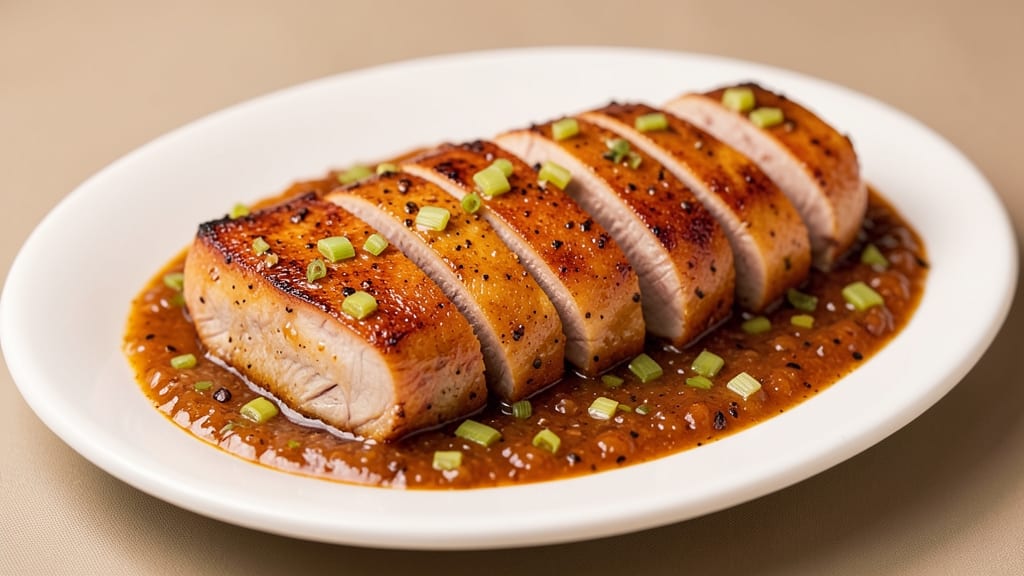
This apple chutney recipe for pork tenderloin transforms ordinary weeknight dinners into restaurant-worthy meals with just a few simple techniques. 🔥 The sweet-tart glaze caramelizes beautifully on the meat while keeping the pork tender and juicy through precise cooking methods I've perfected over years of pitmaster work.
What makes this dish special is how the chutney's balance of apples, spices, and vinegar creates a perfect harmony with the pork's natural richness.
The secret lies in marinating the pork just long enough to tenderize without overpowering its flavor, then searing it to lock in juices before finishing in the oven. Meanwhile, the chutney simmers down to an intense, slightly sticky consistency that clings perfectly to the meat.
This isn't just a sauce—it's a flavor bridge that elevates simple pork into something memorable, with that perfect celery crunch adding texture that keeps every bite interesting.
By the time you serve this dish, you'll have perfectly caramelized pork with a glossy, flavorful glaze that's sweet enough to please kids but complex enough to satisfy adults.
The apple chutney's depth comes from slow cooking the fruit and spices, developing layers of flavor that complement rather than compete with the meat. This is the kind of meal that makes people ask for seconds—and then want to know your secret.
Whether you're cooking for a family dinner or hosting a small gathering, this recipe delivers professional-quality results with minimal effort. The chutney can be made ahead, and the pork cooks in just 30 minutes, making it perfect for busy weeknights when you still want to impress.
Let's get started with a dish that proves great food doesn't have to be complicated.
Ingredients for apple chutney recipe for pork tenderloin
Sweet-tart apples, celery crunch, and tender pork—this chutney transforms simple ingredients into restaurant-quality magic.
| Ingredient | Amount | Notes |
|---|---|---|
| Pork Tenderloin 🍖 | 1 ½ lb | Center-cut, trimmed of fat |
| Red Delicious Apples 🍎 | 2 medium | Peeled, cored, chopped |
| Yellow Onion 🧅 | 1 whole | Chopped, medium size |
| Celery Stalks 🥬 | 2 whole | Chopped, including leaves |
| Granulated Sugar 🍚 | ½ cup | Light brown preferred |
| Apple Cider Vinegar 🍶 | ½ cup | Unfiltered if available |
| Fresh Ginger 🌿 | 2 tbsp | Grated, peeled |
| Ground Cinnamon 🍃 | 1 tsp | Freshly ground preferred |
| Ground Cloves 🌶️ | ¼ tsp | Freshly ground |
| Salt 🧂 | 1 tsp | Kosher or sea salt |
| Black Pepper 🌶️ | ½ tsp | Freshly ground |
| Unsalted Butter 🧈 | 2 tbsp | Cold, cubed |
| Olive Oil 🫒 | 1 tbsp | For searing |
| Fresh Rosemary 🌿 | 1 tbsp | Chopped, for pork |
The apples are your flavor foundation—Red Delicious gives that perfect balance of sweet and tart, but Honeycrisp or Fuji work too if that's what's at the store. I always grab the organic ones from Whole Foods if I'm feeling fancy, but regular grocery store apples cut the mustard too. Look for firm ones without bruises—those soft spots turn mushy in the chutney. The celery? Fresh is non-negotiable—dried or frozen won't give you that crisp texture that cuts through the richness of the pork. For the pork tenderloin, center-cut is key—it's more tender and less likely to dry out. Buy it the day you plan to cook or freeze it immediately if you're prepping ahead.
No Red Delicious apples? Granny Smith or Braeburn add more tartness—just increase the sugar slightly to balance. Running low on celery? Substitute with fennel or extra onion, but you'll lose that signature crunch. The vinegar is what ties everything together—apple cider vinegar is ideal, but balsamic in a pinch works too. Fresh ginger loses potency fast, so if yours smells dull, toast the whole knob first to wake up the flavor. For the pork, don't skip the rosemary—it adds that earthy depth that makes this dish sing. And trust me on the butter—cold cubed butter gives you those beautiful browned bits that add flavor without adding grease.
This chutney keeps for 2 weeks in the fridge—it actually gets better as the flavors meld. The pork? Cook it day-of for best texture, but you can prep the marinade ahead. Freeze the chutney in ice cube trays for 6 months—perfect for quick glaze-up sessions. I always make double batches because it disappears fast. The pork leftovers? Slice thin and reheat quickly—microwave in 20-second bursts to keep it juicy. Store the chutney in a glass jar with a tight seal to preserve that celery crunch.
Why You'll Love This Recipe
- Fewer Cuts, Same Wow: I swear by this recipe because the apples and celery do most of the chopping for you—just dice two apples and three stalks, no fancy knife work. The onion gets the same treatment, and suddenly you’ve got a chutney that tastes like it simmered all day, not 20 minutes.
- Sweet-Savory Magic: That balance of sugar and apples caramelizing into the pork? It’s the kind of flavor that makes you pause mid-bite. The tenderloin stays juicy while soaking up the tangy-sweet chutney, and honestly, I’ve never met a pork dish that didn’t improve with this trick.
- Weeknight to Dinner Party: Make a double batch on Sunday, and you’ve got lunch for Tuesday, a potluck dish for Wednesday, and a showstopper for Thursday’s dinner guests. The chutney keeps well in the fridge, and the pork reheats beautifully—no one will guess it’s not fresh.
- Budget-Friendly Luxury: Pork tenderloin is lean but not cheap, but here’s the hack: the chutney stretches it into two meals. Plus, apples and onions are pantry staples, so you’re not breaking the bank for a restaurant-worthy dish. My wallet and taste buds both win.
Step-by-step instructions for sweet-tart apple chutney pork tenderloin
Here's how to make this showstopping dish with tender pork and caramelized chutney.
🍳 Step 1: Sear the Pork Tenderloin to Lock in Juices
Pat the 1.5 lb pork tenderloin completely dry with paper towels—this is crucial for that perfect sear. Heat 1 tablespoon olive oil in a large oven-safe skillet over medium-high heat until shimmering. Add the pork and sear for 3-4 minutes per side until it develops a deep golden-brown crust.
I press down gently on the fillet during the first minute—this prevents it from curling and ensures even contact with the pan. Once seared, remove the pork and set it aside on a plate. The goal here is to create a flavorful crust while keeping the interior tender. Don't walk away—pork cooks fast and can over-sear before the center is done.
🥘 Step 2: Build the Apple Chutney Base
In the same skillet (no need to clean it—those browned bits are flavor gold), add 2 tablespoons unsalted butter over medium heat. Toss in the chopped yellow onion and chopped celery stalks (including leaves for extra flavor). Cook for 5-6 minutes until softened and just beginning to color.
Add the chopped red delicious apples and 2 tablespoons grated fresh ginger. Stir well and cook for another 3 minutes until the apples start to soften slightly. Here's where the magic begins—you'll smell that perfect blend of sweet apples and spicy ginger. This is your aromatic foundation, so don't rush this step.
🔥 Step 3: Simmer the Chutney to Perfect Balance
Pour in the 0.5 cup apple cider vinegar and 0.5 cup granulated sugar, stirring to combine. Add the 1 teaspoon ground cinnamon, 0.25 teaspoon ground cloves, 1 teaspoon salt, and 0.5 teaspoon black pepper. Bring to a gentle simmer over medium-low heat and let cook uncovered for 15-20 minutes.
Stir occasionally and watch for the chutney to thicken and develop a glossy sheen. You're looking for a balance between sweet and tangy—taste as you go. If it's too thick, add 1-2 tablespoons water to loosen it. The spices should infuse beautifully, creating that warm, aromatic depth that pairs perfectly with pork. This is where the chutney transforms from simple to extraordinary.
🍽️ Step 4: Finish with Rosemary and Glaze the Pork
Return the seared pork to the skillet with the chutney. Spoon the chutney mixture over the pork, making sure it's well-coated on all sides. Sprinkle with 1 tablespoon chopped fresh rosemary and cover the skillet. Transfer to a preheated 375°F oven and roast for 15-20 minutes.
Baste the pork with the chutney every 5 minutes to ensure even coating and maximum flavor transfer. The pork is done when it reaches an internal temperature of 145°F (measured with an instant-read thermometer in the thickest part). The chutney should be beautifully caramelized with a glossy finish—this is your visual cue that everything's working perfectly.
⏰ Step 5: Rest and Serve with Crisp Celery Crunch
Remove the pork from the oven and transfer it to a cutting board. Tent loosely with foil and let it rest for 10 minutes. This resting period is crucial—it allows the juices to redistribute, ensuring each slice is moist and flavorful. While it rests, spoon any remaining chutney from the skillet over the top for extra shine and flavor.
Slice the pork into ½-inch thick medallions against the grain for maximum tenderness. Serve immediately with the chutney spooned alongside—those crisp celery pieces add a delightful textural contrast to the tender pork and sweet-tart glaze. The combination of caramelized chutney, juicy pork, and fresh rosemary creates a dish that's truly special.
Pro Tips For Making Apple Chutney Recipe For Pork Tenderloin
- Sear the Pork First: Hit the pork tenderloin with a screaming-hot pan—no oil needed—until it develops a deep brown crust. I used to skip this step because it seemed like extra work, but that crust locks in flavor and keeps the meat juicy when it later braises or roasts in the chutney’s sweet-tangy sauce.
- Core the Apples: Remove the cores from the Red Delicious apples before dicing—it saves time and prevents the knife from slipping. I learned this the hard way when a core derailed my chopping rhythm mid-recipe, turning what should’ve been a quick prep into a frustrating mess.
- Salt the Onions Early: Toss the diced yellow onion with a pinch of salt the moment it hits the pan. This draws out moisture, so it sautés faster and doesn’t turn to mush in the chutney. I was skeptical—why salt before cooking?—but it actually changes the texture for the better.
- Deglaze with Apple Juice: Instead of water or broth, scrape up those browned bits with a splash of apple juice (or even a little red wine) after searing the onions and celery. It adds depth to the chutney without overpowering the pork’s natural flavor. Sounds weird, but it works—trust the process.
Storing and reheating this dish
Chutney Storage Secrets
The apple chutney keeps beautifully in an airtight glass jar in the refrigerator for up to 2 weeks, with flavors actually deepening over time. I like to store it in a mason jar with a tight seal—this preserves that perfect celery crunch and glossy sheen.
For longer storage, freeze the chutney in ice cube trays for 6 months, then transfer to a freezer bag. Thaw overnight in the fridge before using—never microwave it directly as that kills the celery's crispness. 🥫
Pork Reheating Rules
Leftovers should be refrigerated within 2 hours and stored in an airtight container for up to 4 days. To reheat, slice the pork into ½-inch medallions and warm in a skillet over medium-low heat with 1 tablespoon water for 2-3 minutes per side.
This prevents drying out. For quick meals, microwave in 20-second bursts until reaching 165°F—just add a splash of water to maintain moisture. 🔥
Make-Ahead Chutney
I always make double batches of chutney because it disappears fast. Prepare it 1-2 days ahead and store in the fridge. The flavors meld beautifully overnight, becoming more complex.
When reheating, warm gently in a saucepan over low heat for 5 minutes—this reactivates the spices without breaking down the celery. For serving, spoon the chutney over reheated pork or use it as a glaze for grilled chicken. The make-ahead prep saves time on busy weeknights! ✨
Freezer-Friendly Tips
If freezing the pork, wrap it tightly in plastic wrap followed by foil before placing in a freezer bag. Label with the date—it keeps for 3 months. Thaw overnight in the fridge, then reheat as directed.
For the chutney, portion into 1-cup servings in freezer-safe containers. When reheating frozen chutney, thaw in the fridge first, then warm on the stove—this preserves texture better than microwave reheating. 🧊
Crisp Celery Preservation
To maintain that signature celery crunch in reheated chutney, store it in a separate container from the liquid ingredients. Add the celery back just before serving—it wilts quickly when submerged. For extra crunch, blanch celery stalks in boiling water for 30 seconds before adding to the chutney.
This technique keeps them crisp longer during storage. The contrast between tender pork and crisp celery is what makes this dish special! 🥬
Nutrition facts
Frequently asked questions
Can I use this chutney with other meats besides pork tenderloin?
This apple chutney pairs beautifully with chicken breast or duck breast—just reduce the cooking time by 5-10 minutes since poultry cooks faster. For beef, try it with flank steak or ribeye after searing. The sweet-tart balance works especially well with game meats like venison, though you may want to reduce the sugar slightly to complement the earthier flavors.
Why does the chutney need to simmer for so long?
The 15-20 minute simmer is key to developing deep flavor and proper texture. This time allows the apples to soften while the spices infuse fully, creating that perfect balance of sweet, tart, and spicy. Rushing this step can leave the chutney too thin or with underdeveloped flavors. If you're short on time, simmer for 10 minutes but taste frequently to adjust sweetness and acidity.
How can I make this dish spicier? For a kick, add ½ teaspoon cayenne pepper or 1 sliced fresh chili (like jalapeño) to the chutney during simmering. For the pork, rub it with ½ teaspoon smoked paprika before searing.
What's the best way to serve this dish for a special occasion?
For a restaurant-worthy presentation, arrange the pork medallions on a platter with the chutney spooned artistically around them. Garnish with extra celery leaves and chopped fresh rosemary for color. Serve with mashed sweet potatoes or roasted Brussels sprouts to complement the sweet-savory flavors. For a complete meal, add a crisp green salad with a light vinaigrette.
Can I substitute any of the chutney ingredients?
Certainly! Swap Red Delicious apples for Honeycrisp or Fuji (reduce sugar by 1 tablespoon if using tart varieties). For celery, try fennel or extra onion, though you'll lose some crunch. Need less acid? Use apple juice instead of vinegar, but add ½ teaspoon lemon juice for brightness. For a deeper flavor, add 1 star anise pod while simmering (remove before serving).