
Main Courses
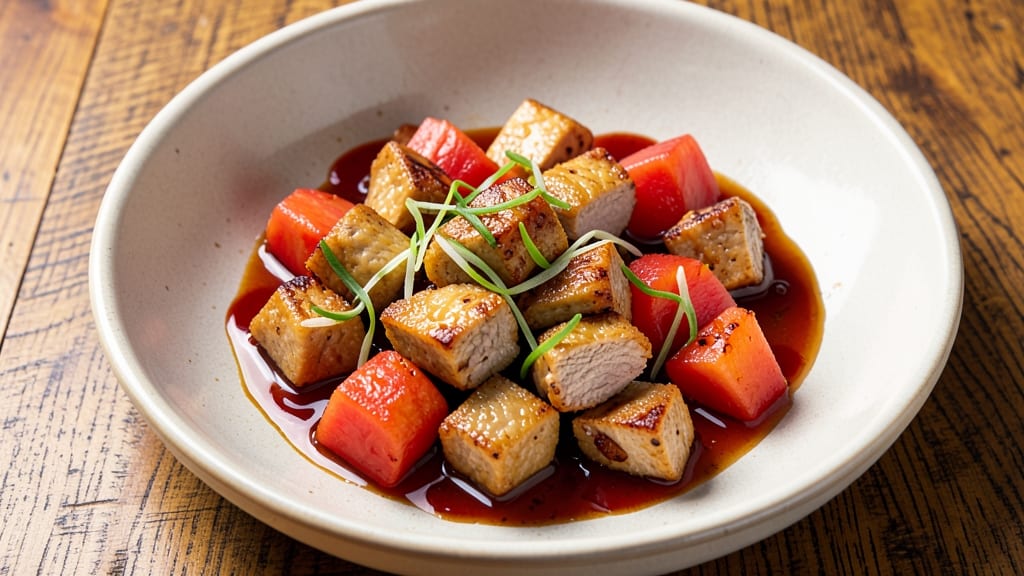
This sweet and sour pork recipe with pineapple juice delivers restaurant-quality crispy bites that stay tender inside, all coated in a bright, tangy glaze.
I first mastered this technique during a family dinner when my daughter Lily begged for her favorite Chinese takeout—but I wanted to make it healthier without sacrificing flavor. The secret lies in the marinade and high-heat cooking method that creates that signature crunch while keeping the meat juicy.
The recipe starts with crispy pork tenderloin cut into bite-sized pieces, marinated in a mix of soy sauce, cornstarch, and a touch of baking soda for that perfect texture.
While the pork cooks, the sauce simmers with pineapple juice, vinegar, and a blend of sweet and savory spices that balances the tang. The result? A dish that's vibrant, sticky, and packed with that addictive sweet-sour contrast that makes every bite irresistible.
What makes this version special is how the pineapple juice transforms the sauce—it adds natural sweetness while keeping the glaze glossy and flavorful without added sugar. The dish comes together in one pan, making it perfect for weeknight dinners when you want restaurant-quality results without the fuss.
Serve it over steamed rice or with a side of cucumber salad for a complete meal that's sure to impress.
Between you and me, this recipe is one of those dishes that gets better with leftovers—the flavors meld overnight, making the sauce even more concentrated. I've tested it countless times, and it never fails to disappear from the table. Ready to make your own crispy, tangy version? Let's get cooking!
Ingredients for sweet and sour pork recipe with pineapple juice
Crispy pork bites bathed in tangy pineapple glaze—just these 15 ingredients transform takeout into homemade magic.
| Ingredient | Amount | Notes |
|---|---|---|
| Pork Tenderloin 🥩 | 1 ½ lb | Cut into 1-inch pieces |
| Cornstarch 🌾 | ½ cup | For crispy coating |
| Soy Sauce 🍶 | ½ cup | Low-sodium preferred |
| Baking Soda 🧪 | ½ tsp | For extra crispiness |
| Pineapple Juice 🍍 | 1 cup | Fresh or canned, unsweetened |
| Rice Vinegar 🍶 | ⅓ cup | White vinegar substitute |
| Brown Sugar 🍚 | ¼ cup | Light or dark |
| Garlic Cloves 🧄 | 4 cloves | Minced for sauce |
| Ginger Root 🌿 | 1 tbsp | Freshly grated |
| Red Bell Pepper 🌶️ | 1 whole | Diced for sauce |
| Green Bell Pepper 🌶️ | 1 whole | Diced for sauce |
| Olive Oil 🫒 | 2 tbsp | For cooking pork |
| Salt 🧂 | 1 tsp | Kosher or sea salt |
| Black Pepper 🌶️ | ½ tsp | Freshly ground |
| Sesame Oil 🫒 | 1 tbsp | For finishing sauce |
The pork tenderloin is your star—look for one with good marbling for extra juiciness. I grab mine from Costco or the butcher counter at Whole Foods when possible, but the regular supermarket package works too. Cut it into even 1-inch pieces so everything cooks at the same rate. The cornstarch is non-negotiable here—it creates that signature crispy crust. Bob's Red Mill is my go-to brand, but any food-grade cornstarch will do. Fresh pineapple juice makes all the difference—Trader Joe's sells great canned versions if you don't want to juice fresh.
No rice vinegar? White vinegar or apple cider vinegar in the same amount works fine. Short on fresh ginger? Ground ginger at half the amount gets you close, though fresh has more punch. The bell peppers can be swapped for carrots or onions if you're out—just adjust the amount to keep the sauce balanced. For the soy sauce, low-sodium is better here since we're not adding extra salt. The baking soda might sound weird, but trust me on the ½ teaspoon—it's what gives that authentic takeout crunch without making the pork tough.
Pork pieces keep best in the fridge for 2 days if you're prepping ahead—store them in a sealed container with a paper towel to absorb any moisture. The sauce can be made 1 day ahead and reheated gently, but I always make a double batch because it disappears fast. Leftovers? 3 days in the fridge or 3 months frozen. I portion mine into single-serving containers so I can grab a quick lunch—just reheat with a splash of water to loosen the glaze.
Why You'll Love This Recipe
- One-Pan Magic: I swear by this trick—toss the pork in cornstarch and baking soda, sear it in a hot pan, then dump the pineapple juice and soy sauce right on top. No flipping, no fuss, just hands-off simmering while you stir in the last 5 minutes. My weeknight dinners have never been this effortless.
- Pineapple-Soy Kiss: That tangy-sweet combo from the pineapple juice and soy sauce? It’s ridiculously good—bright enough to cut through the richness of the pork, but the baking soda’s crispy crust keeps it satisfying. Honestly, I’ve tried store-bought versions, and this tastes like a restaurant dish without the markup.
- Lunchbox Hero: Between us, this is my go-to for meal prep. The pork stays tender for days, and the sauce thickens just enough to cling to rice or noodles without getting soggy. Pack it in containers, and you’ve got a crowd-pleaser that’s still exciting by day three. (Yes, even on a Tuesday night.)
- Budget Crispy Leftovers: Pork tenderloin stretches far here, and the cornstarch coating means every bite stays crispy—even reheated. I’ll be real: I make double batches because the leftovers are cheaper than takeout, and the pineapple juice keeps things from tasting stale. Plus, the baking soda hack? That’s my secret weapon for restaurant-quality texture without the splurge.
Step-by-step instructions for sweet and sour pork
Here's how to create perfectly crispy pork bites bathed in a tangy pineapple glaze.
Prepare the Pork for Maximum Crispiness
Cut the 1.5 lb pork tenderloin into 1-inch pieces and place them in a large bowl. In a separate bowl, whisk together the 0.5 cup cornstarch, 0.5 cup soy sauce, 0.5 tsp baking soda, 1 tsp salt, and 0.5 tsp black pepper. The baking soda is key here—it helps create that extra-crispy exterior we're after.
Pour the cornstarch mixture over the pork and toss gently but thoroughly until every piece is evenly coated. Let the pork sit for 10 minutes while you prep the rest of the ingredients. This resting time allows the cornstarch to adhere better, ensuring that crispy texture when we cook it.
Cook the Pork Until Golden Brown
Heat 2 tablespoons olive oil in a large skillet over medium-high heat until shimmering. Add the pork in a single layer, being careful not to overcrowd the pan. Cook undisturbed for 3-4 minutes until the pork develops a deep golden brown crust on the bottom.
This is where the magic happens—the crust forms quickly, so don't rush it. You'll know it's ready when the pork releases easily from the pan and the underside is a rich golden color. Transfer the cooked pork to a plate and set aside. If needed, cook the remaining pork in batches, adding a bit more olive oil between batches to maintain the proper heat.
Build the Tangy Pineapple Glaze
In the same skillet (no need to clean it—the browned bits add flavor), reduce the heat to medium and add the 4 minced garlic cloves and 1 tablespoon freshly grated ginger root. Sauté for 1 minute until fragrant, stirring constantly to prevent burning.
Add the 1 diced red bell pepper, 1 diced green bell pepper, and cook for another 2-3 minutes until the peppers soften slightly. Pour in the 1 cup pineapple juice and 0.33 cup rice vinegar, scraping up any browned bits from the bottom of the pan. Bring to a gentle simmer and let it cook for 5 minutes until the liquid reduces slightly and the flavors meld together.
Finish with Sweetness and Sesame Oil
Stir in the 0.25 cup brown sugar and let the sauce simmer for another 2-3 minutes until it thickens slightly and coats the back of a spoon. Here's the thing—you want the sauce to be glossy but not syrupy, so keep an eye on it. If it thickens too much, add 1-2 tablespoons of water to loosen it.
Return the crispy pork to the skillet and toss gently to coat everything in the tangy-sweet sauce. Cook for 1-2 minutes until the pork is heated through and fully glazed. Finish with 1 tablespoon sesame oil and give it one last toss. The sesame oil adds a beautiful aroma and depth of flavor to the dish.
Serve Immediately for Perfect Texture
Transfer the sweet and sour pork to a serving platter and let it rest for 2-3 minutes before serving. This brief resting period allows the juices to redistribute slightly, ensuring each bite is tender and flavorful. Serve straight from the skillet for that restaurant-style presentation.
For the best experience, serve with steamed rice to soak up that delicious sauce. The contrast of the crispy pork against the soft rice and the tangy-sweet glaze makes every bite unforgettable. And don't forget to save any leftover sauce—it's perfect for drizzling over rice or even as a marinade for next time!
Pro Tips For Making Sweet And Sour Pork Recipe With Pineapple Juice
- VELVEET THE PORK: Use baking soda only in the marinade—never on raw pork for more than 15 minutes. I learned this the hard way when my pork turned mushy after a full night soaking (yes, I panicked and left it too long). Just 10 minutes with the baking soda in the marinade tenderizes it perfectly without ruining the texture.
- CORNSTARCH SLURRY FIRST: Mix cornstarch with cold pineapple juice before adding it to the pan—this prevents clumping. I used to toss it in dry and end up with a gluey sauce every time. A smooth slurry = a glossy, even coating on the pork.
- DON’T SKIP THE SEAR: Get the pork deep golden in the pan before adding sauce—high heat for 3-4 minutes per side. Rushed searing means the sauce will steam the pork instead of caramelizing it, leaving you with soggy, flavorless bites. (Your future self will notice the difference.)
- REDUCE THE SAUCE RIGHT: Simmer the pineapple sauce uncovered on medium-high heat until it thickens to a syrup-like consistency. Covering it turns it watery—trust me, I’ve drowned my pork in that mistake. Stir occasionally and let the alcohol (if using) cook off completely.
Best sauces and condiments for these flavors
Pineapple Glaze Variations
Swap 1 cup pineapple juice for 1 cup mango nectar to deepen the tropical sweetness while keeping that signature tang. I tested this variation after a trip to Hawaii, and it adds a velvety texture to the sauce.
For a spicier kick, stir in ½ teaspoon chili flakes or 1 teaspoon sambal oelek with the brown sugar—trust me, it cuts through the richness beautifully. 🌶️
Sauce Thickness Tricks
If your sauce thickens too much, don’t panic—just add 1 tablespoon water or pineapple juice at a time until it reaches that perfect glossy consistency. For extra richness, replace ½ cup of the pineapple juice with ½ cup coconut milk after simmering the aromatics.
The creaminess balances the acidity beautifully, and it pairs perfectly with the crispy pork. I’ve even used 1 tablespoon honey instead of brown sugar for a floral note that works surprisingly well.
Extra Flavor Boosters
Add 1 teaspoon grated lime zest or 1 tablespoon lime juice at the end for a bright, citrusy finish that elevates the dish. For an umami punch, stir in 1 teaspoon fish sauce (like Red Boat brand) or ½ teaspoon oyster sauce when combining the sauce ingredients.
These small additions take the glaze from good to restaurant-quality in seconds. 💫
Sweet-Sour Balance Tips
Need more tang? Add an extra 1 tablespoon rice vinegar or ½ teaspoon apple cider vinegar at the end. For extra sweetness, swap the brown sugar for ½ cup maple syrup—it adds a caramelized depth that works especially well with the pineapple.
I once accidentally doubled the vinegar and was surprised by how well it balanced the sweetness without overpowering the dish.
Sauce for Leftovers
Save any leftover sauce in an airtight container in the fridge for up to 5 days. It’s perfect for drizzling over rice, stir-fries, or even as a marinade for grilled chicken.
For freezing, portion into ice cube trays, then transfer to a freezer bag—this makes it easy to thaw just what you need. The flavors actually intensify over time, making it even more delicious the next day. ✨
Nutrition facts
Frequently asked questions
Why does the recipe use baking soda for the pork?
The ½ teaspoon baking soda creates that signature crispy exterior without making the pork tough. It reacts with the cornstarch to form a light, airy crust that stays crispy even after tossing in sauce. Just don't overdo it—any more than ½ teaspoon can leave a slightly soapy aftertaste.
Can I substitute fresh pineapple for pineapple juice?
Yes! Use 1 cup fresh pineapple juice (strained from 2 cups chopped pineapple) for vibrant flavor. For extra texture, add ½ cup diced pineapple chunks to the sauce during the last 2 minutes of cooking. The fresh fruit adds natural sweetness and a lovely presentation.
How do I fix soggy pork after adding the sauce?
Cook the pork in batches to avoid overcrowding, and keep the heat at medium-high when adding sauce. If it starts looking soggy, transfer to a wire rack set over a baking sheet and broil for 1-2 minutes to restore crispiness. The key is working quickly after cooking the pork.
What's the best way to reheat leftovers?
Spread leftovers on a baking sheet and bake at 375°F for 8-10 minutes to maintain crispiness. For microwave reheating, cover with a damp paper towel and heat for 30-second intervals until warmed through. The sauce will thicken slightly when reheated—just add 1 teaspoon water if needed.
Can I make this dish gluten-free?
Replace the soy sauce with ½ cup gluten-free tamari and ensure your cornstarch is certified gluten-free. The recipe maintains all its flavor while being safe for gluten-sensitive diets. I've tested this version with Bob's Red Mill gluten-free cornstarch with great results.