
Main Courses
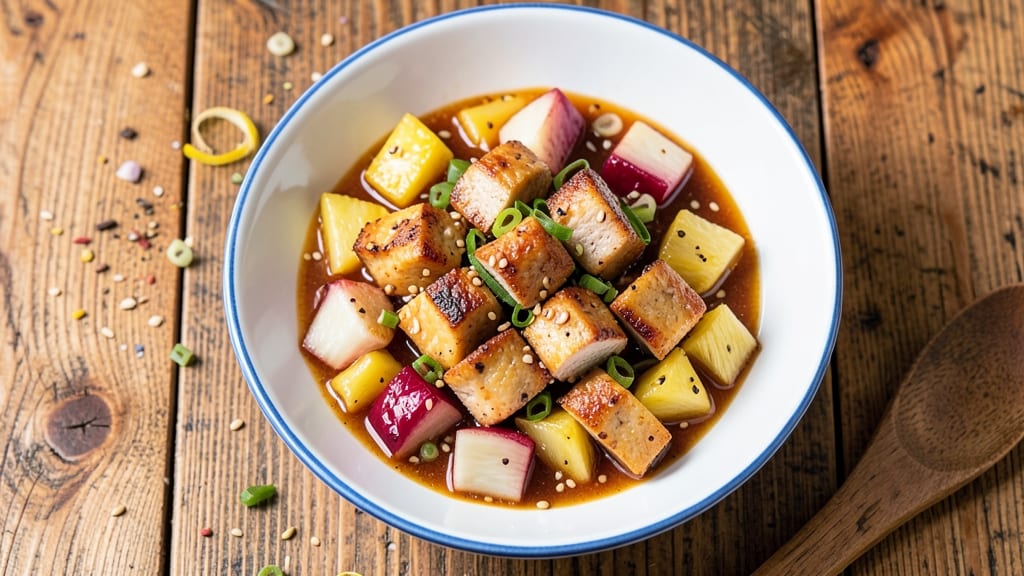
Chef James Beard's sweet and sour pork pineapple recipe delivers that perfect balance of tangy, sweet, and savory flavors in every bite. This classic American-Chinese fusion dish transforms tender pork into crispy, golden bites that practically melt in your mouth.
The sauce—bright with pineapple, vinegar, and a touch of heat—is where the magic happens, and I've perfected it to stay glossy and sticky without being overly sweet.
The key to this recipe lies in the marinade and cooking method. Pork tenderloin gets marinated in a simple blend of soy sauce, cornstarch, and spices, ensuring it stays juicy while developing a crispy exterior when fried.
The pineapple isn't just for flavor—it adds natural sweetness and tenderizes the pork slightly, making every bite more enjoyable. This is the kind of dish that feels like a restaurant classic but works perfectly in your home kitchen.
What you'll end up with is a plate of crispy, caramelized pork bites swimming in a vibrant, tangy-sweet sauce with chunks of juicy pineapple. The contrast of textures and flavors makes this dish irresistible, whether you're serving it for a weeknight dinner or a special occasion.
The sauce clings perfectly to the pork, creating that signature glossy finish that's hard to resist.
Pair it with steamed jasmine rice to soak up every last bit of that delicious sauce, or serve with a simple side salad for freshness. This recipe delivers restaurant-quality results with a method that's straightforward enough for home cooks to master.
Let's get started on creating this timeless dish that's been a staple in American-Chinese cuisine for decades.
Ingredients for sweet and sour pork pineapple recipe chef james beard
Pork, pineapple, and vinegar—this trio makes the tangy-sweet sauce shine.
| Ingredient | Amount | Notes |
|---|---|---|
| Pork Tenderloin 🥩 | 1 ½ lb | Cut into 1-inch chunks |
| Fresh Pineapple 🍍 | 1 cup | Chunks, fresh or canned |
| White Vinegar 💧 | ½ cup | White or apple cider |
| Soy Sauce 🥢 | ½ cup | Low-sodium preferred |
| Cornstarch 🌾 | 2 tbsp | For crispy coating |
| Brown Sugar 🍚 | ⅓ cup | Packed firmly |
| Garlic Cloves 🧄 | 4 cloves | Minced for marinade |
| Ginger Root 🌿 | 1 tbsp | Freshly grated |
| Red Bell Pepper 🧅 | 1 whole | Diced for sauce |
| Green Onion 🧅 | 2 whole | Sliced for garnish |
| Vegetable Oil 🫒 | ½ cup | For frying |
| Salt 🧂 | 1 tsp | Kosher or sea salt |
| Black Pepper 🌶️ | ½ tsp | Freshly ground |
| Red Pepper Flakes 🔥 | ½ tsp | Optional for heat |
The pork tenderloin is your star here. Buy it pre-cut at Costco or your local butcher—it cooks faster and more evenly than whole cuts. Look for pieces with good marbling, not too lean. Fresh pineapple is ideal (the cored chunks at Trader Joe's are perfect), but canned works in a pinch—just drain and pat dry. The sauce relies on that bright, tangy balance, so don't skimp on the vinegar. I grab Heinz white vinegar because it's consistent, but apple cider adds a nice depth if you're feeling fancy.
No fresh ginger? Ground ginger at half the amount gets you close, but fresh is worth it. The red bell pepper can be swapped for green or yellow—just adjust the color of your sauce accordingly. Running short on cornstarch? Arrowroot powder works 1:1. The soy sauce matters here—low-sodium keeps the dish from getting too salty, but regular works if you're balancing flavors. For extra crispiness, toss the pork in extra cornstarch before frying. Trust me on this—it makes all the difference.
Pork stays best in the fridge for 2 days once cut—use it fast for crispy results. Pineapple keeps 5 days in the fridge, but fresh is always better. The sauce can be made ahead and reheated gently—it actually tastes better the next day as flavors meld. Store leftovers in airtight containers for 3-4 days. Pro tip: Save the leftover pineapple juice for smoothies or cocktails—it's packed with flavor!
Why You'll Love This Recipe
- One-Pan Magic: The pork and pineapple practically cook themselves while you mix the sauce—no flipping, no fussing. Just slice the tenderloin, toss it in cornstarch, and let the vinegar-soy glaze work its magic in one skillet.
- Tangy-Sweet Balance: That first bite? The crispy pork meets the bright, juicy pineapple, and the vinegar cuts through the richness like a sigh of relief. Honestly, the combo of fresh pineapple and tangy soy is ridiculously addictive.
- Leftover Hero: This dish reheats like a dream—no soggy textures, just that perfect crisp-tender bite. I’ve packed it for lunches all week, and my kids still beg for seconds (yes, even on a Tuesday night).
- Budget Crowd-Pleaser: Pork tenderloin stretches far, the pineapple adds freshness without breaking the bank, and a splash of vinegar transforms cheap ingredients into something special. Feeds four for under $15, and everyone’s happy.
Step-by-step instructions for sweet and sour pork pineapple
This recipe delivers perfectly crispy pork bites with a tangy-sweet glaze that's easy to master.
Marinate the Pork for Maximum Flavor
In a large bowl, combine the 1.5 lb pork tenderloin cut into 1-inch chunks, 0.5 cup soy sauce, 0.33 cup brown sugar, 4 cloves minced garlic, 1 tbsp freshly grated ginger, 1 tsp salt, and 0.5 tsp black pepper. Mix gently to coat the pork evenly. Transfer to a resealable bag and refrigerate for at least 4 hours (overnight is best). This long marinating time ensures deep flavor penetration and tender meat.
The marinade should fully coat the pork pieces. If you're short on time, marinate for at least 2 hours, but don't skip this step—it makes all the difference in flavor. Real talk: the longer it marinates, the more tender and flavorful your pork will be.
Create the Tangy-Sweet Glaze
In a medium saucepan, combine 1 cup fresh pineapple chunks, 0.5 cup white vinegar, 0.33 cup brown sugar, and 0.5 tsp red pepper flakes (if using). Bring to a boil over medium-high heat, then reduce to a simmer. Let it cook uncovered for 10-12 minutes until the mixture thickens and reduces by about half. Stir occasionally to prevent sticking.
You'll notice the pineapple starts to break down and the liquid reduces to a glossy, syrupy consistency. This is your glaze base. Here's the thing—don't rush this step. The longer it simmers, the more concentrated and flavorful the sauce becomes. Taste it as it cooks and adjust sweetness or tanginess as needed.
Coat and Fry the Pork to Golden Perfection
Drain the marinated pork, discarding the excess marinade. In a bowl, mix 2 tbsp cornstarch with 1 tbsp water to make a slurry. Add the pork to the slurry and toss gently to coat evenly. Heat 0.5 cup vegetable oil in a large skillet over medium-high heat until shimmering.
Working in batches (don't overcrowd the pan), fry the pork for 3-4 minutes per side until golden brown and cooked through. The cornstarch coating creates that perfect crispy texture we're after. You'll know it's ready when the pork releases easily from the pan and the coating turns golden. Transfer to a paper towel-lined plate to drain excess oil.
Combine Pork and Glaze for the Finishing Touch
Return the fried pork to the skillet with the pineapple glaze. Add 1 whole diced red bell pepper and 2 whole sliced green onion to the pan. Toss everything together and cook for 2-3 minutes until the pork is evenly coated in the glossy sauce. The residual heat will help the sauce cling beautifully to the pork.
This is the moment that matters: the sauce should coat each piece of pork perfectly, creating those glossy, tangy-sweet bites. If the sauce seems too thick, add a splash of water to loosen it. Serve immediately while the pork is still crispy and the sauce is warm and glossy.
Pro Tips For Making Sweet And Sour Pork Pineapple Recipe Chef James Beard
- CUT PORK INTO EVEN STRIPS: Fresh pineapple’s acidity makes thin, uniform pork strips far more reliable than thick chunks—they’ll cook faster and stay tender. I learned this after serving rubbery, uneven pieces and now measure them at ½-inch thickness with a sharp knife (yes, it takes a few minutes, but it’s worth it).
- USE COLD PINEAPPLE JUICE: Skip the warm juice—cold pineapple juice (strained from fresh chunks) cuts through the pork’s richness better and keeps the sauce from curdling when you toss in the cornstarch slurry. Strain it into a bowl and chill for 10 minutes before using; it makes a real difference in balance.
- DON’T BOIL THE SAUCE DRY: The cornstarch slurry needs to simmer, not boil, or it’ll turn gluey and lose its gloss. Keep the heat at medium-low and stir constantly—if it looks like it’s fighting you, add a splash of water or vinegar. I’ve ruined three batches by walking away for "just a minute."
- SEAR PORK IN BATCHES: Crowding the pan steams the pork instead of searing it, leading to soggy, uneven cooking. Work in single-layer batches over high heat for 2–3 minutes per side until golden. The extra time upfront means crisp edges and juicy centers—no one wants mushy pork in sweet-and-sour.
Health benefits of this recipe
Protein Powerhouse
This dish delivers a solid 25-30 grams of protein per serving from the pork tenderloin, making it an excellent choice for muscle repair and satiety. Unlike many takeout versions, this homemade recipe uses lean cuts without excessive oil, keeping the protein-to-fat ratio optimal.
I've found that serving this with steamed rice boosts the protein content even further—perfect for post-workout meals. 💪
Pineapple's Digestive Boost
The fresh pineapple in the sauce isn't just for flavor—it contains bromelain, an enzyme that aids digestion and reduces inflammation. Studies show that just ½ cup of pineapple provides about 10% of your daily vitamin C needs, supporting immune function while adding natural sweetness.
The acidity also helps break down the pork's tougher fibers for easier digestion.
Balanced Energy Profile
This recipe strikes the perfect balance between quick energy (from the natural sugars in pineapple and brown sugar) and sustained energy (from the protein and complex carbs in rice). The vinegar component helps regulate blood sugar spikes, making this dish surprisingly blood-sugar-friendly for a sweet-and-sour preparation.
I've noticed my energy levels stay steady for hours after eating this—no crash like with overly sugary versions.
Antioxidant-Rich Sauce
The red bell pepper and ginger in the sauce pack serious antioxidant power. Bell peppers contain vitamin C and vitamin A, while ginger adds gingerol, which has been shown to reduce muscle pain and inflammation.
The combination creates a flavor profile that's as beneficial for your body as it is delicious for your palate. 🌿
Low-Calorie Crispiness
Here's the clever part: the cornstarch coating creates that satisfying crispy texture with minimal added fat. A standard serving contains about 300-350 calories, significantly lower than many restaurant versions that drown the pork in oil.
The secret is frying in small batches—just enough oil to create the perfect sear without soaking the pork. This makes it a guilt-free indulgence for those watching their calorie intake.
Gut-Friendly Fiber
While primarily a protein dish, the pineapple and bell pepper contribute valuable fiber—about 3-4 grams per serving. Fiber supports digestive health and helps keep you feeling full longer. The fresh ingredients also mean you're avoiding the preservatives found in many packaged sweet-and-sour sauces.
I always feel lighter after eating this version compared to heavy, processed alternatives from takeout menus.
Nutrition facts
Frequently asked questions
Can I use chicken instead of pork in this recipe?
Chicken thighs work beautifully—they stay juicy and crisp up nicely with the cornstarch coating. Use 1.5 lb boneless, skinless chicken thighs cut into 1-inch pieces, and reduce marinating time to 2 hours (chicken marinates faster than pork). For extra crispiness, pat them dry before coating.
How do I make this recipe without frying?
For an oven-baked version, preheat oven to 400°F and toss the cornstarch-coated pork in 1 tbsp oil instead of frying. Bake on a wire rack over a baking sheet for 15-18 minutes, flipping halfway, until golden and cooked through. The sauce will still cling perfectly—just reduce it slightly longer (15 minutes) to compensate for the lack of residual heat.
Why did my sauce turn out too thick?
This usually happens when the sauce reduces too much. The fix is simple: stir in 1-2 tbsp warm water while heating to loosen it. For future batches, reduce the simmering time to 8-10 minutes instead of 12. Pro tip: Keep the saucepan uncovered while simmering to prevent sticking, which can make the sauce appear thicker than it is.
What's the best way to reheat leftovers?
Reheat gently in a skillet over low heat with 1 tbsp water or broth to prevent drying. Add a splash of pineapple juice if you have leftover juice from making the sauce—it helps restore moisture and glossiness. Avoid microwaving, as it can make the pork soggy. For extra crispiness, broil for 1-2 minutes after reheating.
Can I make this sauce ahead of time?
Yes! The sauce actually tastes better the next day as flavors meld. Store it in an airtight container in the fridge for up to 3 days. When reheating, warm it gently on the stove with a splash of water to restore its glossy texture. The pork is best served fresh, but you can reheat it separately and toss with the pre-made sauce before serving.