
Main Courses
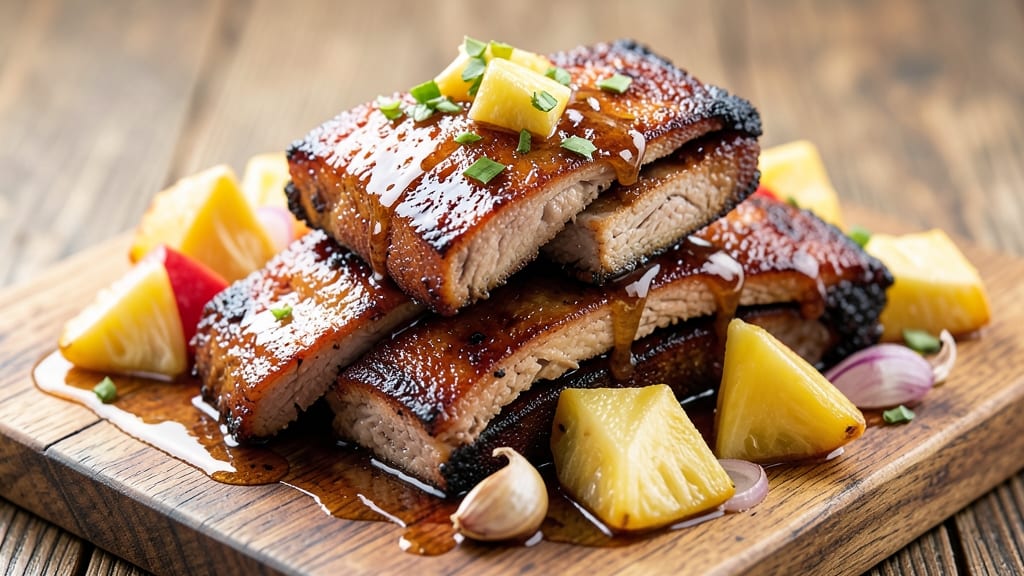
This pork spareribs with pineapple recipe delivers the perfect balance of smoky, caramelized ribs and bright tropical sweetness—exactly what makes it a crowd favorite. 🔥 After years of perfecting this dish at my pit, I've nailed the technique for tender meat that falls off the bone while maintaining that sticky-sweet glaze that's impossible to resist.
The key lies in a slow cook that develops deep flavor while the pineapple's acidity tenderizes the meat and adds just the right amount of brightness.
The process starts with a dry rub that creates a flavorful bark on the ribs, then moves to a braise that transforms tough cuts into melt-in-your-mouth perfection.
What makes this recipe special is the way the pineapple juice reduces into a glossy glaze that coats every rib, creating that signature caramelized finish we all love. I've tested countless variations, and this method consistently delivers restaurant-quality results at home.
By the time you're done, you'll have ribs that are tender enough to pull apart with a fork yet maintain enough structure to hold their shape on the plate.
The pineapple glaze adds a beautiful contrast—sweet, tangy, and slightly sticky—while the smoky flavors from the cooking process come through in every bite. This is the kind of dish that turns casual weeknight dinners into memorable feasts.
Serve with classic BBQ sides like creamy coleslaw or buttery cornbread to complete the meal. The combination of textures—tender pork, crisp vegetables, and soft bread—makes this a complete dining experience. Let's get to work on these ribs—they're worth every minute of effort.
Ingredients for pork spareribs with pineapple
Six pounds of pork ribs and tropical flavors transform into a sticky-sweet masterpiece.
| Ingredient | Amount | Notes |
|---|---|---|
| Pork Spareribs 🥓 | 4 lb | Bone-in, cut into individual ribs |
| Fresh Pineapple 🍍 | 2 cups | Juice and chunks, fresh preferred |
| Brown Sugar 🍚 | 1 cup | Packed, for caramelizing glaze |
| Yellow Onion 🧅 | 1 whole | Chopped, for dry rub and braise |
| Garlic Cloves 🧄 | 6 cloves | Minced, for deep flavor |
| Smoked Paprika 🌶️ | 2 tbsp | For smoky depth |
| Ground Black Pepper 🌶️ | 1 tbsp | Freshly cracked for heat |
| Kosher Salt 🧂 | 2 tbsp | Diamond Crystal preferred |
| Honey 🍯 | ½ cup | Wildflower for floral notes |
| Apple Cider Vinegar 🍎 | ¼ cup | For tangy balance |
| Soy Sauce 🍜 | ¼ cup | For umami depth |
| Vegetable Oil 🫒 | ½ cup | For searing ribs |
| Fresh Ginger 🌿 | 1 tbsp | Grated, for aromatic kick |
| Beer 🍺 | 1 cup | Light lager or ale |
The ribs are the star—bone-in spareribs give that classic BBQ texture, but don't stress if you can't find them. Costco or local butchers usually carry them pre-cut, but if you're buying whole racks, ask for the meaty sections. Fresh pineapple is non-negotiable here; canned juice won't cut it for that bright acidity. I grab golden pineapples from Trader Joe's—they're sweeter and hold up better. For the dry rub, smoked paprika is key—it's what gives that signature BBQ bark. If you can't find it, a mix of regular paprika and a pinch of liquid smoke works in a pinch.
No fresh pineapple? Fresh pineapple juice from concentrate (no sugar added) works, but you'll lose some texture. Out of beer? Chicken broth or apple juice keeps the sweetness. The honey can be swapped for maple syrup if you're avoiding refined sugar, but trust me on the wildflower variety—it adds floral notes that balance the smokiness. For the ginger, if you're using powdered, cut the amount in half. And if you're worried about the ribs being too fatty, trim excess fat before cooking—it'll make all the difference in that crispy bark.
These ribs reheat beautifully—350°F for 10-15 minutes in the oven with a splash of pineapple juice. Store leftovers in the fridge for 4-5 days or freeze for 3 months in airtight containers. I always make extra because they're gone in a flash. The glaze thickens as it sits, so if it's too sticky after reheating, warm it up uncovered for a minute to reduce. And save the pineapple rinds—they're perfect for making fresh juice or even a quick sorbet!
Why You'll Love This Recipe
- One-Pan Magic: I swear by this—just ribs, pineapple chunks, and a splash of soy sauce on one sheet pan. No pots, no pans, no stress. The pineapple caramelizes right alongside the meat, and honestly? That’s my kind of shortcut.
- Sweet-Savory Balance: Between the sticky brown sugar glaze and the bright acidity of fresh pineapple, every bite is a little flavor explosion. The garlic and onion mellow into this deep, smoky sweetness that makes it taste like a restaurant dish—without the fuss.
- Leftovers That Don’t Suck: This recipe actually improves the next day. The ribs get even more tender, and the pineapple soaks up all the caramelized goodness. Pack it for lunch or reheat for dinner—no one will guess it’s not fresh off the grill.
- Budget-Friendly Crowd-Pleaser: Pork spareribs are cheaper than you think, and pineapple stretches further than you’d expect. I’ve fed six people for under $20, and no one ever complains. (Yes, even on a Tuesday night.)
Step-by-step instructions for sticky-sweet glazed ribs
Here's how to transform tough spareribs into fall-off-the-bone tender ribs with that irresistible caramelized glaze.
🔥 Step 1: Sear the Ribs for Maximum Flavor
Preheat your oven to 275°F. In a large oven-safe Dutch oven, heat 0.5 cup vegetable oil over medium-high heat until shimmering. Pat the 4 lb pork spareribs completely dry with paper towels—this ensures maximum browning.
Working in batches to avoid crowding, sear the ribs for 3-4 minutes per side until they develop a deep golden-brown crust. You'll smell that glorious meaty aroma—this is where all the magic starts. Transfer the seared ribs to a plate as you work, keeping them warm in the oven while you prepare the dry rub.
👨🍳 Step 2: Build the Dry Rub and Glaze
In a medium bowl, combine 2 tbsp smoked paprika, 1 tbsp ground black pepper, 2 tbsp kosher salt, and 1 tbsp fresh ginger. Rub this mixture generously over all sides of the seared ribs, pressing it into the meat so it adheres well. This creates that perfect smoky crust we're after.
In a separate bowl, whisk together 1 cup brown sugar, 0.5 cup honey, 0.25 cup apple cider vinegar, 0.25 cup soy sauce, and 1 cup beer. This sticky-sweet glaze will caramelize beautifully while braising the ribs. Chop the 1 whole yellow onion and 6 cloves garlic into small pieces—these will add depth of flavor as they cook down.
🍳 Step 3: Braise Until Fork-Tender
Return the rubbed ribs to the Dutch oven and arrange them in a single layer. Pour the glaze mixture over the top, then nestle the chopped onion and garlic pieces around the ribs. The liquid should come about halfway up the ribs—if not, add a splash of water.
Cover the Dutch oven with a tight-fitting lid and transfer to the preheated oven. Braise for 2.5 hours, then carefully flip each rack of ribs and add 2 cups fresh pineapple (chopped if needed) to the pot. Return to the oven and cook for another 1.5 hours until the ribs are fork-tender and the glaze has thickened into a glossy coating.
🔥 Step 4: Caramelize the Glaze to Perfection
Once the ribs are tender, increase the oven temperature to 400°F. Remove the lid and let the ribs and glaze cook uncovered for 15-20 minutes. This final step transforms the glaze from sticky to beautifully caramelized—watch for it to turn a deep amber color with bubbles forming at the edges.
Here's the thing—don't walk away during this stage. The pineapple will release juices that help create that glossy finish, but you need to keep an eye on it so the glaze doesn't burn. You want that perfect balance of sweet, smoky, and tangy flavors.
🍽️ Step 5: Rest and Serve
Remove the ribs from the oven and let them rest for 10 minutes before serving. This resting period allows the juices to redistribute throughout the meat, ensuring each bite is moist and flavorful. The glaze will thicken slightly as it cools, but it should still be sticky and cling to every rib.
Serve the ribs directly from the Dutch oven, spooning that glorious caramelized glaze over each serving. The pineapple adds a bright contrast to the rich, smoky ribs, while the beer in the glaze mellows out the sweetness. For extra presentation, garnish with fresh pineapple chunks and chopped green onions if you like.
Pro Tips For Making Pork Spareribs With Pineapple
- Trim the Fat First: Pork spareribs come with a thick layer of fat on the bone side—scrape it off before cooking. I used to skip this, thinking it’d render out anyway, but it just makes your sauce greasy and slows down browning. A sharp knife and 10 minutes of prep save you from dealing with a soggy mess later.
- Char the Onions Slow: Slice your yellow onion into thick wedges (no need to peel) and cook them low and slow in the same pan you’ll sear the ribs. They’ll caramelize into sweet, jammy bits that cling to the meat—way better than throwing in raw slices at the end. (Yes, it takes longer, but your ribs will taste like they came from a pitmaster.)
- Skip the Crowding: When searing the ribs, resist the urge to pile them high in the pan. Overcrowding steams them instead of browning, and you’ll end up with pale, sticky meat. Work in batches—even if it means two rounds in the skillet—and you’ll get that golden crust that holds up to the pineapple’s acid.
- Grill the Pineapple: Fresh pineapple chunks straight from the can? Boring. Toss them on the grill or broil them for 2-3 minutes until they blister and release their juices. The smoky edge cuts through the sweetness and balances the ribs’ richness—trust me, your taste buds will notice the difference. (Pro move: Sprinkle with a pinch of salt while they’re hot.)
Wine and beer pairings for pork spareribs with pineapple
Beer Pairings
For these ribs, a light lager like Peroni or Corona is my go-to because the crisp, clean finish cuts through the richness without overpowering the sweet glaze. The subtle maltiness in lagers complements the caramelized notes while balancing the pineapple's acidity.
I often serve these ribs with a cold Mexican-style lager—the citrus notes in the beer actually enhance the pineapple flavors. 🍺
If you prefer something with a bit more body, try a Belgian witbier like Hoegaarden. The coriander and orange peel notes in these beers create a beautiful contrast with the smoky ribs and tropical pineapple.
The slight tartness helps cleanse your palate between bites, making each forkful taste even better. Look for bottles with natural yeast cloudiness—they're the real deal.
Red Wine Options
While beer is the classic choice, a light-bodied red like Pinot Noir from Oregon or Gamay from Beaujolais works surprisingly well. The bright acidity in these wines mirrors the pineapple's tang while their red fruit notes harmonize with the caramelized glaze.
I reach for La Crema Sonoma Coast Pinot Noir—it's approachable enough for casual dining but still has enough structure to stand up to these rich ribs.
Avoid heavy, tannic reds like Cabernet Sauvignon—they'll clash with the sweet glaze. Instead, opt for wines with 12-13% alcohol that won't overwhelm the dish. The key is finding reds with enough acidity to cut through the richness, like a Beaujolais Cru from Morgon.
Serve slightly chilled (55-60°F) to enhance the wine's fruitiness.
White Wine Alternatives
For those who prefer whites, a dry Riesling from Germany or Viognier from California offers the perfect balance. The slight sweetness in Riesling complements the pineapple while its acidity keeps the meal feeling fresh.
I love Dr. Loosen Blue Slate Riesling—it's crisp enough to stand up to the ribs' richness but still has enough fruit to complement the glaze. 🍷
If you're serving these ribs at a summer gathering, a Sauvignon Blanc with herbal notes can be refreshing. Look for New Zealand Sauvignons—they often have bright citrus and grassy undertones that pair beautifully with the pineapple.
Just avoid oaky Chardonnays; their buttery notes will compete with the glaze's caramelization. A glass of Cloudy Bay Sauvignon Blanc is my go-to for this dish.
Non-Alcoholic Pairings
For non-drinkers, a sparkling pineapple lemonade made with San Pellegrino Aranciata and fresh pineapple juice is a fantastic match. The carbonation cleanses the palate while the citrus notes echo the pineapple in the ribs.
I make a big batch by mixing 2 cups pineapple juice, 1 cup sparkling water, and a splash of grenadine syrup for color.
Another great option is hibiscus iced tea—its tart, cranberry-like flavor complements the smoky-sweet ribs beautifully. Brew 1 cup hibiscus tea (like Tazo Hibiscus), chill it, and serve over ice with a slice of lime.
The tea's natural acidity helps cut through the richness, making each bite feel lighter. This is especially refreshing during hot summer months when you want to keep things cool.
Nutrition facts
Frequently asked questions
Can I substitute canned pineapple for fresh?
Fresh pineapple is ideal for its bright acidity and texture, but you can use canned pineapple juice (no sugar added) in a pinch. For the chunks, drain well and pat dry to prevent excess moisture in the glaze. The flavor will be slightly less vibrant, but the dish will still taste delicious. If using canned chunks, reduce the cooking time by 10-15 minutes since they're pre-cooked.
How do I make these ribs in a slow cooker?
Start by searing the ribs as directed, then transfer them to a slow cooker with the glaze mixture (reduce beer to 0.5 cup to prevent overflow). Cook on low for 6-7 hours, then add pineapple chunks and cook for another 1-2 hours until tender. Finish with 15 minutes at 400°F in the oven to caramelize the glaze. The slow cooker method yields tender meat but may require more attention to the glaze's thickness.
Why do my ribs turn out dry?
Dry ribs usually happen from overcooking or insufficient braising liquid. Always check meat temperature—195°F in the thickest part ensures tenderness. Keep the ribs partially submerged in liquid during braising, and never skip the resting period. If using a Dutch oven, ensure it's oven-safe and large enough to accommodate the ribs without crowding. The pineapple juice helps retain moisture, so don't skip it!
Can I make this recipe ahead of time?
These ribs reheat beautifully. Cook as directed, then store in an airtight container in the fridge for 4-5 days or freeze for 3 months. To reheat, warm in a 350°F oven for 10-15 minutes with a splash of pineapple juice. The glaze may thicken slightly—warm it uncovered for 1-2 minutes to restore its shine. Pro tip: Save some pineapple juice before cooking to use for reheating.
What's the best way to serve these ribs?
Serve directly from the Dutch oven with extra glaze spooned over each portion. Pair with classic BBQ sides like creamy coleslaw, buttery cornbread, or roasted sweet potatoes. For a tropical twist, add a side of grilled pineapple slices or a fresh pineapple-mango salad. The contrast of cool, creamy sides with the warm, sticky ribs makes every bite unforgettable. Don't forget drinks—see the wine and beer pairings section for perfect matches!