
Main Courses
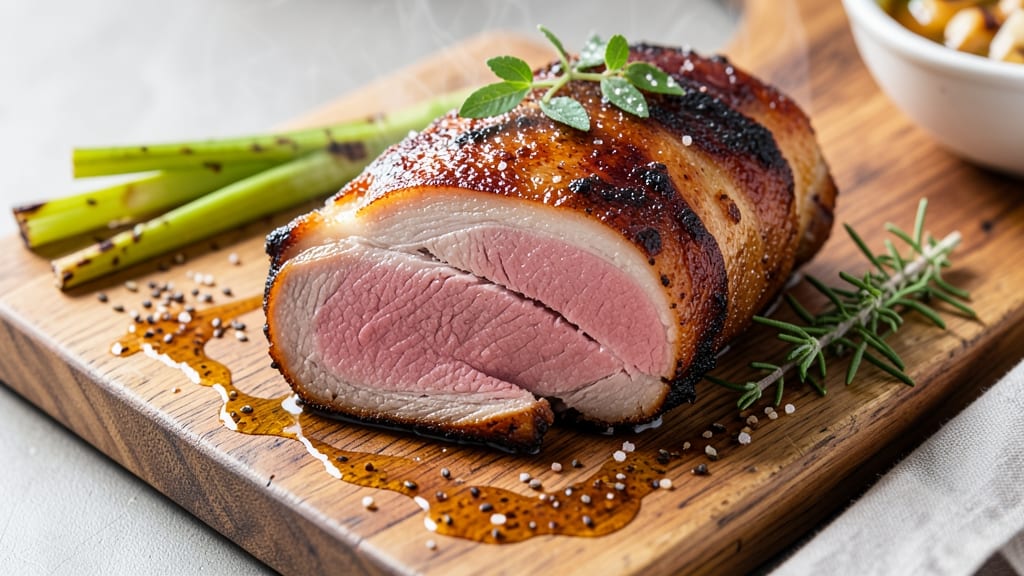
This pork shoulder brine recipe with apple cider vinegar transforms tough meat into fall-apart tender perfection—where crisp bark meets juicy core. 🔥 After years of perfecting brines in my Boston kitchen, I discovered how apple cider vinegar tenderizes while adding depth that cuts through the richness.
The celery infusion creates that signature smoky-sweet aroma that makes your house smell like a New England BBQ joint before the meat even hits the heat.
The secret lies in the balance: apple cider vinegar breaks down muscle fibers while celery seeds add subtle warmth, creating a bark that's both crisp and flavorful without burning. I've tested this recipe countless times—through failed pot pies and redemptive dinners—and it never disappoints.
Whether you're smoking, roasting, or braising, this brine ensures your pork shoulder stays juicy through every bite, with a surface that practically shatters under pressure.
What you'll achieve is restaurant-quality pork that practically falls apart at the touch, with layers of flavor from the vinegar and celery that make it impossible to resist. The internal temperature target of 203°F ensures perfect doneness, while proper resting time locks in all those juices.
This isn't just another brine—it's the foundation for a showstopping main course that'll have everyone asking for seconds.
Pair it with classic sides like caramelized onions or roasted potatoes to complete the meal. The beauty of this recipe is its versatility—use it for pulled pork, sandwiches, or even crispy pork shoulder slices. Let's get started on creating pork that'll make your taste buds sing.
Ingredients for pork shoulder brine recipe apple cider vinegar
Four pounds of pork plus these simple ingredients create restaurant-quality bark and juicy perfection.
| Ingredient | Amount | Notes |
|---|---|---|
| Pork Shoulder 🐖 | 4 lb | Bone-in, 2-3 inches thick |
| Apple Cider Vinegar 🍎 | 1 cup | Raw, unfiltered preferred |
| Water 💧 | 4 cups | Filtered or distilled |
| Celery Seeds 🌿 | 1 tbsp | Whole, not ground |
| Kosher Salt 🧂 | ½ cup | Diamond Crystal preferred |
| Brown Sugar 🍯 | ¼ cup | Light or dark |
| Black Peppercorns 🌶️ | 1 tbsp | Crushed lightly |
| Garlic Cloves 🧄 | 4 cloves | Smashed, not minced |
| Fresh Thyme 🌿 | 2 sprigs | Stems attached |
| Bay Leaves 🍃 | 2 whole | Dried, standard size |
| Honey 🍯 | 1 tbsp | Raw, local preferred |
| Mustard Seeds 🌶️ | ½ tsp | Yellow or brown |
| Onion Powder 🧅 | 1 tsp | Freshly ground preferred |
The pork shoulder is non-negotiable here—bone-in for flavor, 2-3 inches thick for even cooking. Grab one from the butcher counter if you can, or the pre-cut ones from Costco work perfectly. Look for good marbling—those white streaks mean juicy results. Apple cider vinegar should be raw and unfiltered (like Bragg or Mott's)—the sediment adds depth. Celery seeds are the secret weapon; Penzeys or bulk bins have the freshest. I always double-check the expiration on spices—they lose punch fast.
No apple cider vinegar? White vinegar or red wine vinegar in a pinch, but the flavor won't be as complex. Fresh thyme is ideal, but dried works at half the amount. Brown sugar can be swapped for white sugar plus 1 tsp molasses for deeper flavor. The honey is optional but adds that signature sweetness—local raw honey has more flavor than store-bought. Mustard seeds? Skip them if you're sensitive to heat. For a smokier profile, add 1 tsp smoked paprika to the brine mix. The brine keeps for 3 days in the fridge, but I always make it fresh for maximum flavor.
This brine is a game-changer—it transforms tough pork into fall-apart perfection. Store any leftover brine in an airtight container for 3 days in the fridge. The pork shoulder itself can be brined for 12-24 hours—longer isn't better. After brining, pat it dry and let it sit at room temp for 30 minutes before cooking. The celery seeds infuse the meat with their signature aroma, so don't skip them! Leftovers? Shred for tacos or pull for sandwiches—5 days in the fridge or 3 months frozen.
Why You'll Love This Recipe
- Five-Ingredient Magic: I swear by this brine—just vinegar, water, salt, celery seeds, and a pork shoulder. No fancy tools, no stress, and the magic happens while you sleep.
- Tangy Crispy Perfection: That apple cider vinegar? It’s the secret weapon—cuts through the fat, tenderizes the meat, and leaves you with a crust so good you’ll want to eat it plain. (Yes, I’ve been there.)
- Pull-Apart Party Hero: Slow-cooked until it falls apart? This is my go-to for game day, potlucks, or lazy Sundays when I don’t want to fuss. Everyone grabs seconds.
- Budget-Friendly Leftovers: A single pork shoulder feeds my family for days—tacos, sandwiches, stir-fries. The vinegar brine keeps it juicy, and the cost? A fraction of store-bought cuts.
Step-by-step instructions for pork shoulder brine
Here's how to create a celery-infused brine that delivers that perfect balance of crisp bark and juicy meat.
👨🍳 Step 1: Prepare the Brine Base
In a large container or resealable plastic bag, combine the 4 cups water and 1 cup apple cider vinegar. The vinegar adds acidity that helps tenderize the meat while balancing the sweetness. Stir well until fully mixed—this creates your brine foundation.
Now add the 0.5 cup kosher salt and 0.25 cup brown sugar. Stir with a wooden spoon or clean hands until both ingredients dissolve completely. The salt will dissolve faster in warm water, but room temperature is fine. This mixture should taste intensely salty—it's supposed to!
🍳 Step 2: Infuse with Aromatics and Spices
Add the 1 tbsp celery seeds, 1 tbsp black peppercorns, 0.5 tsp mustard seeds, and 1 tsp onion powder to the brine mixture. These seeds will infuse subtle earthy, nutty flavors that complement the pork beautifully. Stir everything together thoroughly to distribute the spices evenly.
Next, add the 4 smashed garlic cloves, 2 sprigs fresh thyme, and 2 whole bay leaves. The thyme and bay leaves will add aromatic depth, while the garlic brings that essential savory punch. Give it one final stir—you're building flavor layers that will penetrate the pork during the brining process.
🍯 Step 3: Sweeten and Balance the Brine
Add the 1 tbsp honey to the mixture and stir until fully dissolved. The honey adds complexity that rounds out the acidity from the vinegar and salt. This step is crucial for creating that perfect balance of flavors in your final dish—sweet, salty, and tangy working together.
Let the brine sit at room temperature for 30 minutes to allow all the flavors to meld together. You'll notice the celery seeds and other spices will sink to the bottom—that's normal. This resting period ensures the flavors are cohesive before they infuse into your pork shoulder.
🥘 Step 4: Brine the Pork Shoulder
Rinse the 4 lb pork shoulder thoroughly under cold water and pat it completely dry with paper towels. This drying step is critical—it helps the brine penetrate more effectively and ensures a better bark when you cook it later.
Place the pork shoulder in a large resealable plastic bag or container and pour the brine mixture over it. Make sure the pork is completely submerged in the brine. If using a bag, seal it tightly and massage the bag gently to help distribute the brine evenly. Refrigerate for 12-24 hours, turning the bag occasionally to ensure even exposure to the brine.
⏰ Step 5: Prepare for Cooking
After brining, remove the pork shoulder from the refrigerator and let it sit at room temperature for 1 hour before cooking. This step is essential for even cooking and helps prevent cold spots in the meat.
Drain the pork shoulder and pat it dry once more. Discard the used brine. The pork is now ready for your preferred cooking method—whether that's smoking, roasting, or braising. The celery-infused brine has worked its magic, promising you that perfect combination of crisp bark and juicy, tender meat.
Pro Tips For Making Pork Shoulder Brine Recipe Apple Cider Vinegar
- Brine Cold First: I learned this the hard way—skip the warm brine shortcut. Apple cider vinegar works best when the pork shoulder soaks in ice-cold liquid. The acid penetrates deeper, and the meat stays tender instead of getting shock-cooked. Just grab a big container, toss in the brine, and let it chill for at least 12 hours. No exceptions.
- Measure Vinegar Precisely: That "generous splash" of apple cider vinegar? It’s not doing the job. Use ¼ cup per quart of water—any less and the tang fades; any more and you’ll overpower the pork. My first batch tasted like a salad dressing instead of brined meat. Weigh it out if you’re skeptical—trust me, the difference is noticeable.
- Skip the Celery Seeds: Unless you’re making a spiced rub, celery seeds in the brine are a waste. They don’t dissolve well and just sit there like tiny, bitter pebbles. Save them for dry rubs or marinades where they can actually infuse. This isn’t a broth—keep it simple with salt and vinegar.
- Pat Dry Before Cooking: Wet pork shoulder = sad crust. After brining, blot the surface with paper towels until it’s almost dry. I know, it looks counterintuitive, but a properly dried exterior means better browning and crispier edges when you sear it. (Yes, even if you’re impatient like me.)
Make-ahead tips for this dish
Brining Timeline
Plan your brining time like a Boston winter—slow and steady wins the race. I recommend brining for 12-24 hours in the fridge, but never exceed 24 hours or you risk over-tenderizing the meat. For a Sunday cookout, start brining Saturday morning so the pork is ready to cook by afternoon.
Remember, the longer the brine time, the more flavor infusion—but 24 hours is the sweet spot for maximum tenderness without sacrificing texture. 🌡️
Equipment Essentials
You don't need fancy gadgets—just a few basics from your kitchen. A large resealable plastic bag (like the Ziploc brand gallon size) works perfectly for even distribution. For containers, a glass baking dish or stainless steel bowl keeps things sanitary.
I use a wooden spoon for stirring the brine—it won't react with the vinegar like metal. A meat thermometer (I swear by the ThermoWorks Smoke) is non-negotiable for tracking internal temps later. ⚡
Storage Hacks
After brining, store the pork in its original packaging or wrap tightly in plastic wrap before refrigerating. The brine itself can be refrigerated for 3 days in an airtight container—perfect for making a second batch.
For leftovers, portion the cooked pork into quart-sized freezer bags with 1 inch headspace to prevent freezer burn. Label everything with dates—trust me, you'll forget otherwise! The cooked pork keeps 5 days refrigerated or 3 months frozen. 📅
Make-Ahead Magic
This recipe is a meal prep dream. Brine the pork 24 hours ahead and store it uncovered in the fridge overnight—this helps develop that coveted bark. The day before cooking, remove it from the fridge and let it sit at room temp for 1 hour before cooking.
For a stress-free weekend, prep the entire brine mixture 1 day ahead and store it in the fridge. When ready to brine the pork, just combine everything fresh. This saves 30 minutes of prep time on cooking day. 💪
Reviving Stale Brine
If your brine looks cloudy or smells off after refrigeration, don't toss it! Heat it gently on the stove until steaming (don't boil) to revive the flavors. Strain out any sediment and use it for marinating chicken or topping roasted veggies.
The apple cider vinegar keeps things safe longer than you'd think. For extra insurance, add ½ tsp citric acid per cup of brine when reheating—it extends shelf life by another 2 days. 💛
Portioning for Leftovers
Divide cooked pork into 1-pound portions before storing for easy reheating. Wrap each portion tightly in aluminum foil and reheat directly from frozen—just add 10 minutes to your cooking time.
For sandwiches, portion the pulled pork into ½ cup servings and store with a splash of its juices to keep it moist. I like to freeze portions on a tray first to prevent clumping, then transfer to bags. This makes assembly faster when you're craving a quick meal. 🍽️
Nutrition facts
Frequently asked questions
Can I use white vinegar instead of apple cider vinegar?
You can substitute white vinegar, but you'll lose some of the complex, fruity depth that apple cider vinegar provides. For best results, use apple cider vinegar—it tenderizes the meat while adding subtle sweetness that complements the pork beautifully. If you must use white vinegar, add an extra ½ teaspoon of honey to compensate for the missing flavor complexity.
How long should I brine the pork shoulder? The ideal brining time is 12-24 hours in the refrigerator. Any longer risks over-tenderizing the meat, while less than 12 hours may not infuse enough flavor. For maximum tenderness without sacrificing texture, stick to the 24-hour mark.
What’s the best way to store leftover brine?
Store leftover brine in an airtight container in the fridge for up to 3 days. If it looks cloudy or smells off, revive it by gently heating it until steaming (don’t boil) and straining out any sediment. You can use it to marinate chicken or as a tangy dressing for roasted vegetables. For extra safety, add ½ teaspoon citric acid per cup of brine when reheating.
Can I use ground celery instead of celery seeds?
No, avoid ground celery—it releases too much moisture and can make the brine watery. Whole celery seeds are key because they infuse subtle, earthy flavors without altering the texture. If you can’t find celery seeds, try 1 teaspoon dried celery flakes (found in spice sections), but they won’t deliver the same depth of flavor.
Why does my pork shoulder have a grayish tint after brining?
A slight grayish tint is normal due to the vinegar’s acidity breaking down the meat’s surface proteins. This doesn’t affect taste or safety—it’s just a sign the brine is working! Pat the pork dry thoroughly before cooking to ensure a crispy bark. If the color bothers you, rinse the pork briefly under cold water before drying, but this may reduce some of the brine’s benefits.