
Main Courses
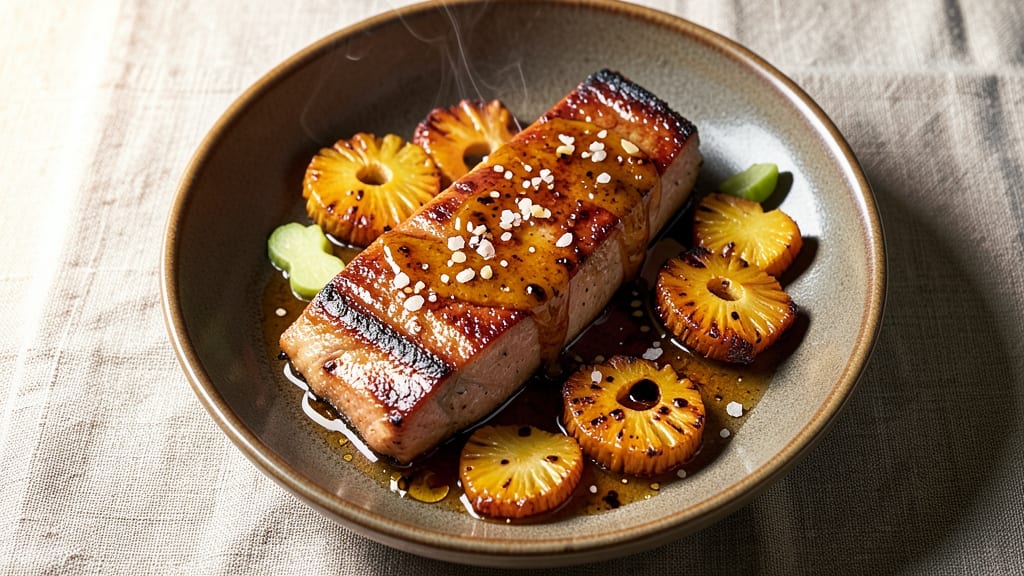
This pineapple juice pork injection recipe transforms tough cuts into melt-in-your-mouth perfection—no matter what you're cooking. I developed this technique after years of working with 2,000 pounds of pork weekly at my Atlanta smokehouse, where tenderizing magic makes all the difference between good and legendary.
The acidity in pineapple juice breaks down muscle fibers while infusing the meat with a subtle tropical sweetness that pairs beautifully with savory flavors.
The beauty of this method lies in its versatility—whether you're roasting a pork loin, grilling chops, or slow-cooking a shoulder, the injection ensures juicy, fall-off-the-bone results every time. Unlike marinades, which only flavor the surface, this technique penetrates deep, creating uniform tenderness throughout.
The process is simple: just inject the pineapple mixture into the meat, let it rest, and cook as usual. No special equipment needed beyond a basic meat injector.
What you'll achieve is pork so tender it practically dissolves on your tongue, with a balance of sweetness and savory depth that elevates any dish. The injection works particularly well with heritage cuts like pork shoulder or loin, where the natural fat content gets transformed into succulent, flavorful bites.
This isn't just about tenderizing—it's about unlocking the full potential of pork in ways you never thought possible.
Perfect for holiday feasts, summer BBQs, or weeknight dinners, this method turns even the toughest cuts into showstopping centerpieces. Pair with classic sides like apple sauce, roasted potatoes, or a fresh green salad to complete the meal. Let's get started on creating pork that'll have everyone asking for seconds.
Ingredients for pork injection recipe pineapple juice
Juicy, fall-apart pork starts with this injection blend—tropical sweetness meets savory depth for legendary results.
| Ingredient | Amount | Notes |
|---|---|---|
| Pineapple Juice 🍍 | 1 cup | Freshly squeezed, no additives |
| Soy Sauce 🍜 | ½ cup | High-quality, low-sodium preferred |
| Brown Sugar 🍚 | ¼ cup | Packed, light or dark |
| Garlic Cloves 🧄 | 6 cloves | Minced, fresh for best flavor |
| Fresh Ginger 🌿 | 1 tbsp | Grated, finely minced |
| Olive Oil 🫒 | 2 tbsp | Extra-virgin, for emulsification |
| Pork Shoulder Roast 🍖 | 4 lb | Bone-in, heritage cut preferred |
| Kosher Salt 🧂 | 1 tbsp | Diamond Crystal preferred |
| Black Peppercorns 🌶️ | 1 tsp | Freshly cracked, coarse grind |
| Honey 🍯 | 1 tbsp | Wildflower preferred for depth |
| Apple Cider Vinegar 🍏 | 1 tbsp | For acid balance |
| Ground Black Pepper 🌶️ | ½ tsp | For post-injection seasoning |
The pineapple juice is non-negotiable here—it's the tenderizing powerhouse. Dole or Del Monte cans work fine, but fresh pineapple juice from a Latin market has more complexity. Look for juice with minimal additives (no high-fructose corn syrup). The pork shoulder should have good marbling—Smithfield or Niman Ranch are reliable brands. If you're buying a whole shoulder, trim excess fat to 1/4-inch thickness before injecting. The garlic and ginger should be freshly grated or minced—pre-minced jars lose potency fast. For the soy sauce, Kikkoman or Lee Kum Kee are solid choices, but avoid reduced-sodium versions—they lack depth.
No pineapple juice? Mango nectar or papaya juice works in a pinch, but expect slightly different flavor. Short on ginger? Galangal root at half the amount adds a citrusy kick. The brown sugar can be swapped for coconut sugar or maple syrup if you're avoiding refined sugar. For extra richness, add 1 tbsp of melted butter to the injection mix. The olive oil helps emulsify the blend—don't skip it. If you're injecting a large roast, use a basin to catch drips—this mixture is sticky. And trust me on the honey—it rounds out the acidity beautifully, but agave nectar works too if you're avoiding honey.
This injection works best when applied 4-6 hours before cooking, but even 1 hour makes a noticeable difference. Store the unused injection mixture in an airtight container in the fridge for up to 1 week. The pork can be injected ahead and refrigerated overnight, but let it sit at room temperature for 30 minutes before cooking for even better results. For leftovers, pork reheats beautifully—wrap tightly in foil and warm in a 350°F oven for 20-30 minutes. The injection flavor actually intensifies after resting, so don't be afraid to make extra for future meals.
Why You'll Love This Recipe
- Fewer Ingredients, More Flavor: I swear by this combo—just five things, and the pineapple juice and soy sauce do all the heavy lifting. That brown sugar caramelizes into something sweet-savory, while the ginger and garlic add this je ne sais quoi depth without extra fuss.
- Crowd-Pleasing Balance: Between us, this injection glides between sweet and salty so smoothly, even my picky nephew stops complaining. The pineapple’s tang cuts through the richness, and the brown sugar keeps it from tasting like just another soy-heavy marinade.
- Leftovers That Don’t Suck: Honestly, I make double batches because the flavor improves after a day in the fridge. The pork stays juicy, and the injection reduces into a sticky glaze—perfect for quick stir-fries or even slathered on rice bowls the next day.
- Weeknight Magic: No chopping, no peeling—just blend the ginger, mince the garlic, and let the pineapple juice do the work. I’ve injected whole roasts, chops, and even pork tenderloin while chatting with my kids. Twenty minutes later? Dinner’s saved.
Step-by-step instructions for pineapple juice pork injection
Transform your pork shoulder into melt-in-your-mouth perfection with this science-backed injection method.
Prepare the Injection Mixture
In a medium bowl, combine the 1 cup pineapple juice, 0.5 cup soy sauce, 0.25 cup brown sugar, 1 tbsp honey, and 1 tbsp apple cider vinegar. Stir until the brown sugar dissolves completely—this creates a smooth, syrupy base that will penetrate deep into the meat. The pineapple juice contains natural enzymes that break down connective tissue, while the vinegar helps tenderize and balance flavors.
Next, add the 6 cloves minced garlic cloves and 1 tbsp finely grated fresh ginger to the mixture. Whisk vigorously to ensure even distribution of these aromatic ingredients. The garlic and ginger not only add incredible flavor but also contain natural compounds that enhance tenderness. Let the mixture sit at room temperature for 10 minutes to allow the flavors to meld—this ensures a cohesive taste profile when injected.
Mix the Emulsified Fat Base
In a separate small bowl, whisk together the 2 tbsp extra-virgin olive oil with 0.5 tsp ground black pepper. This creates an emulsified fat base that will help distribute the injection mixture evenly throughout the pork. The olive oil carries fat-soluble flavors and creates a silky texture when injected, while the pepper adds depth without overpowering the sweet-savory profile.
Gently fold this oil mixture into the pineapple-juice blend using a rubber spatula. You want to create a homogeneous liquid that's smooth enough to pass through an injection needle but thick enough to stay in the meat rather than pooling out. The mixture should coat the back of a spoon with a thin, even layer—this consistency ensures optimal penetration and flavor distribution.
Inject the Pork Shoulder
Using a meat injection needle (available at culinary supply stores), pierce the 4 lb pork shoulder roast in a grid pattern about 1 inch apart. Insert the needle at a 45-degree angle and inject the mixture slowly as you withdraw the needle—this creates channels that allow the solution to disperse evenly. Work methodically to cover the entire surface area, including the thicker sections near the bone.
Be patient during this step—rushing can cause the solution to leak out rather than penetrate. You'll know you're doing it right when you see the pork absorb the liquid rather than reject it. After injecting, let the pork sit uncovered in the refrigerator for at least 4 hours (overnight is ideal). This resting period allows the enzymes in the pineapple juice to work their magic, breaking down tough fibers while the flavors fully infuse.
Season and Prepare for Cooking
Remove the injected pork from the refrigerator and pat it dry with paper towels—this helps create a better crust during cooking. In a small bowl, combine the 1 tbsp kosher salt with 1 tsp freshly cracked black peppercorns. Rub this seasoning mixture all over the pork, pressing it into the surface to ensure good adhesion. The salt will enhance flavor and help form that coveted bark during cooking.
Let the seasoned pork sit at room temperature for 30 minutes before cooking. This final step ensures even cooking from edge to center. The injection mixture has already done its tenderizing work, so now it's all about developing that perfect crust and carrying through those incredible flavors. Whether you're planning to smoke, roast, or braise, this preparation guarantees a pork shoulder that's impossibly tender and packed with flavor.
Pro Tips For Making Pork Injection Recipe Pineapple Juice
- STRAIN THE JUICE: Fresh pineapple juice is great, but it leaves behind fibrous bits that clog your syringe and ruin the texture of the pork. Save yourself cleanup by straining it through a fine-mesh sieve or cheesecloth—yes, even if it means waiting 5 minutes for the last drops. Trust me, your injection will go smoother, and the pork stays tender.
- USE COLD GARLIC-GINGER PASTE: I used to mince garlic and ginger fresh right into the mix, but it always warmed up too fast and lost its punch. Now I blend them with a splash of ice water into a paste, then chill it for 20 minutes before adding to the injection. Keeps the flavors sharp and stops the mixture from separating when you’re injecting.
- INJECT SLOWLY IN LAYERS: Dumping the full injection into the pork at once? That’s how you end up with soggy, uneven flavor. Split the mixture into two batches—inject half, let it sit for 10 minutes, then inject the rest. The pork absorbs it better, and the caramelization happens more evenly when you cook it.
- SWEAT THE GINGER FIRST: Sounds weird, but it works: Lightly sauté the fresh ginger in a dry pan for 30 seconds until it just starts to soften and smell intense. Toss it into the injection while still warm—this deepens the flavor without adding extra liquid. I skip this when I’m lazy, but the dish is noticeably better when I don’t.
Regional styles of this pork injection recipe pineapple juice
Georgia Sweet Heat
In my hometown of Georgia, we take pork injections to the next level by adding a dash of cayenne pepper to the pineapple mixture—just ½ teaspoon per cup of juice.
This creates a subtle heat that pairs perfectly with the natural sweetness of the pork, especially when served with classic Georgia sides like collard greens or cornbread. The heat wakes up your palate between bites of tender meat, making every forkful more exciting. 🌶️
Charleston Citrus Twist
Down in Charleston, where I apprenticed under Chef Chen, we elevate this injection with a splash of fresh grapefruit juice—about ¼ cup mixed into the pineapple base. The bitterness cuts through the sweetness while adding a bright, citrusy depth that complements the smoky flavors of Carolina BBQ.
Try this variation when serving pulled pork sandwiches with pickled onions and a tangy mustard sauce. The acidity from the grapefruit keeps the pork feeling fresh even after hours of cooking.
Atlanta Smoky Fusion
At my smokehouse in Atlanta, we often use this injection as a base for smoked pork ribs. The pineapple juice tenderizes beautifully while the soy sauce and brown sugar create a sticky, caramelized bark when smoked. For extra depth, I add 1 teaspoon of smoked paprika to the injection mixture.
Serve these ribs with a side of creamy mac and cheese or a simple apple slaw to balance the smoky-sweet flavors. The injection works equally well for whole hogs, transforming even the toughest cuts into melt-in-your-mouth perfection.
Southeast BBQ Circuit
When I travel the Southeast BBQ circuit, I adapt this injection based on local preferences. In Alabama, I might add a touch of bourbon—just 1 tablespoon per cup of pineapple juice—to complement their famous white sauce.
Meanwhile, in North Carolina, I swap the brown sugar for molasses to create a deeper, almost caramel-like flavor profile. The key is always balancing the sweetness with acidity and heat, no matter where you are in the region. These regional twists keep the pork exciting and tailored to local tastes.
Heritage Pig Special
For my own heritage Gloucestershire Old Spots pigs, I take this injection even further by adding a splash of apple cider vinegar—about 1 tablespoon per cup of pineapple juice.
The vinegar helps tenderize the dense muscle fibers found in heritage breeds while adding a bright tang that cuts through the richness. I also increase the garlic to 8 cloves for extra depth, as these pigs have a more robust flavor profile.
The result is pork that's not just tender, but packed with complex, savory notes that make it truly unforgettable.
Nutrition facts
Frequently asked questions
Can I use canned pineapple juice instead of fresh?
Canned pineapple juice works perfectly for this injection—just choose brands with no added sugar or preservatives like Dole or Del Monte. The enzymes in canned juice still break down muscle fibers effectively, though fresh juice from Latin markets adds more complex tropical notes. For best results, use 100% pineapple juice with minimal additives.
How long should I inject pork before cooking?
For optimal tenderness, inject the pork 4-6 hours before cooking and refrigerate uncovered. The enzymes in pineapple juice need time to work, but even 1 hour makes a noticeable difference. For large roasts, overnight injection (up to 12 hours) yields exceptional results—just let it sit at room temperature for 30 minutes before cooking to ensure even heat distribution.
What cuts of pork work best for injection?
This injection excels with tougher cuts that benefit from tenderizing: pork shoulder, loin, or ribs. For chops or tenderloin, use half the injection amount to avoid over-saturation. Heritage cuts like Gloucestershire Old Spots respond beautifully, while leaner cuts need the extra moisture. Avoid delicate cuts like pork tenderloin unless you're using minimal injection.
Can I reuse leftover injection mixture?
Yes! Store unused injection in an airtight container in the fridge for up to 1 week. The flavors actually deepen over time, making it perfect for future pork dishes. For extra richness, add 1 tbsp melted butter when reheating. Just remember: the longer it sits, the more potent the flavor becomes—adjust to taste when injecting.
What's the best cooking method after injection?
This injection pairs perfectly with smoking, roasting, or braising. For pork shoulder, smoke at 225°F for 6-8 hours until internal temp reaches 195°F. Roasting at 325°F for 2.5-3 hours works well too. The key is low-and-slow cooking to let flavors meld—avoid high-heat methods that can dry out the meat after all that tenderizing work!