
Main Courses
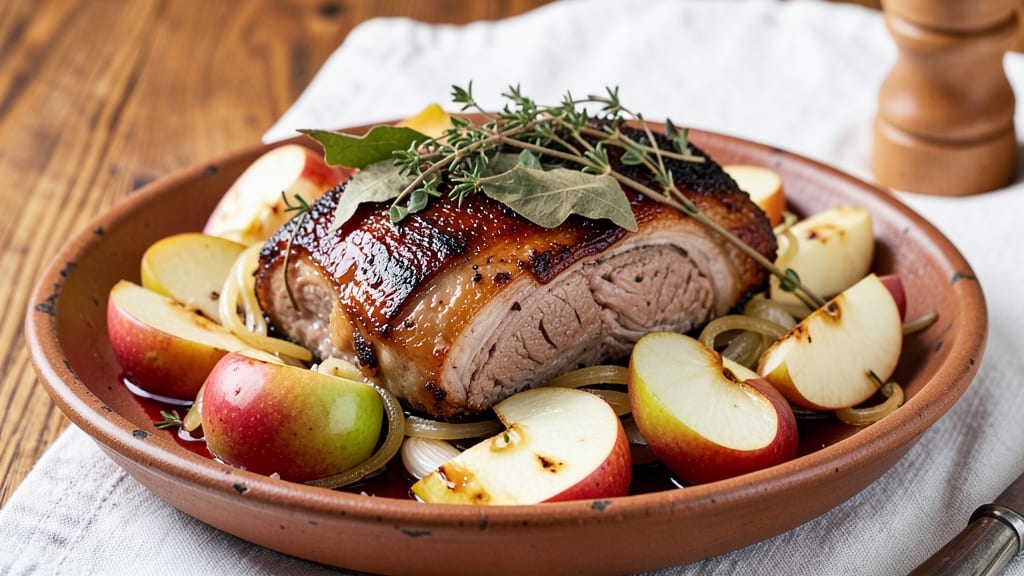
This pork, apples, and onions recipe transforms humble ingredients into a dish that balances tender meat with sweet-tart fruit and caramelized onions—a perfect blend of comfort and sophistication. 💛 Growing up in Georgia, I learned that pork shoulder's rich flavor pairs beautifully with apples and onions when slow-braised, creating a dish that's equal parts hearty and elegant.
The secret lies in the braising process, where the pork becomes fork-tender while absorbing the natural sweetness of the apples and the deep, savory notes of the onions.
The recipe begins with a simple prep: chopping onions and apples into even pieces, then searing them until golden before adding the pork. This step develops the foundational flavors that will deepen during the long, slow cook.
The result is a dish where the pork is meltingly tender, the apples retain just enough bite, and the onions caramelize into a glossy, sweet glaze. It's the kind of meal that feels special without requiring hours of active cooking—just patience and attention to detail.
What sets this dish apart is its versatility. Serve it with crusty bread to soak up the rich juices or alongside mashed potatoes for a classic comfort-food pairing. The flavors are robust enough to stand alone but balanced enough to complement other dishes.
Whether you're feeding a family or hosting a dinner party, this recipe delivers restaurant-quality results with minimal effort.
For those who love pork, this method ensures every bite is packed with flavor and texture—no dry, tough meat here. The apples add a subtle sweetness that cuts through the richness of the pork, while the onions provide depth and complexity.
It's a dish that reminds me of my early days in Charleston, where simple ingredients were elevated through technique and patience. Let's get cooking!
Ingredients for pork apple and onion
The perfect balance of sweet, savory, and tender—just twelve ingredients for a dish that tastes like a restaurant classic.
| Ingredient | Amount | Notes |
|---|---|---|
| Pork Shoulder 🥓 | 2 lb | Bone-in for best flavor |
| Yellow Onions 🧅 | 3 whole | Yellow or red, peeled |
| Honeycrisp Apples 🍎 | 4 whole | Peeled, cored, sliced |
| Garlic Cloves 🧄 | 6 cloves | Minced for depth of flavor |
| Dried Thyme 🌿 | 1 tbsp | Or 1 tbsp fresh thyme |
| Bay Leaves 🍃 | 2 whole | Remove before serving |
| Black Peppercorns 🌶️ | 1 tsp | Freshly cracked preferred |
| Kosher Salt 🧂 | 1 ½ tsp | Diamond Crystal preferred |
| Apple Cider Vinegar 🍎 | ½ cup | For tangy brightness |
| Olive Oil 🫒 | 2 tbsp | Extra-virgin for richness |
| Fresh Rosemary 🌿 | ¼ cup | Chopped, stems removed |
| Beef Broth 💧 | 1 ½ cups | Low-sodium preferred |
The pork shoulder is the backbone of this dish. Look for bone-in cuts at your butcher—they stay juicier and add depth of flavor. Costco or Whole Foods usually have great options, but any grocery store with a meat counter will work. If you can't find bone-in, a well-marbled boneless shoulder will do. The apples should be firm but not rock-hard—Honeycrisp or Fuji are ideal, but Granny Smith adds a sharper bite. For onions, yellow or red both work, but avoid sweet onions like Vidalia—they'll overpower the dish. Prep all your veggies before starting; even chopping takes half the time if you're organized. The key is even slices for consistent cooking.
No Honeycrisp apples? Gala or Braeburn are great substitutes—they hold up well during braising. Short on thyme? Dried oregano at half the amount works in a pinch, but fresh thyme is worth hunting down at a farmers market. The beef broth can be swapped for vegetable broth if you're vegetarian, though the flavor will be slightly lighter. For extra richness, add 1 tbsp of apple cider vinegar if you're feeling fancy. The rosemary is non-negotiable here—it adds that earthy aroma that makes this dish sing. If you're using dried rosemary, double the amount and toast it lightly in a dry pan first for deeper flavor. The garlic can be pre-minced from a jar, but fresh is always better if you've got the time.
This dish tastes even better the next day—plan ahead. Store leftovers in an airtight container with a splash of broth to keep everything moist. Keeps 4-5 days in the fridge or 3 months frozen. For serving, I like to reheat portions in a skillet with a little extra broth to crisp up the onions. The pork should be fork-tender, but if it's still slightly firm, just add 10 more minutes of simmering. This makes generous portions, so double the recipe if you're feeding a crowd—it reheats beautifully. The onions and apples can be prepped ahead and stored in the fridge for 2 days before cooking.
Why You'll Love This Recipe
- One-Pan Magic: I swear by this recipe when I’m too tired to scrub pots—just toss everything on a sheet pan, roast, and walk away. The onions caramelize right alongside the pork, so you get that sweet, sticky goodness without extra effort.
- Sweet-Savory Balance: That first bite of crispy pork with the Honeycrisp apples adding a bright, almost candy-like crunch? It’s like fall in your mouth. The thyme ties it all together without overpowering—just enough to make it feel special.
- Weeknight to Weekend: Between us, this is my go-to for busy nights, but it also shines at Sunday dinners. Double the batch, serve it with crusty bread, and suddenly you’ve got a meal that feels fancy but costs next to nothing.
- Leftovers That Don’t Suck: Honestly, I always make extra because the flavor gets even better the next day. Cold slices on sandwiches? Yes. Reheated with a splash of apple cider? Even better. And since pork shoulder is budget-friendly, you’re not wasting money on takeout.
Step-by-step instructions for slow-braised pork with apples and onions
This method transforms tough pork shoulder into melt-in-your-mouth tenderness with caramelized apples and onions.
🔥 Step 1: Sear the Pork Shoulder for Deep Flavor
Pat the 2 lb pork shoulder completely dry with paper towels—this ensures maximum browning. Heat a heavy Dutch oven over medium-high heat until hot, then add the 2 tbsp olive oil. Place the pork in the pot, fat-side down, and sear undisturbed for 8-10 minutes until deeply browned on one side. Flip and sear the other side for another 8-10 minutes.
Here's the thing—don't rush this step. The Maillard reaction happening here creates layers of flavor that no other technique can match. You'll know it's ready when the pork releases easily from the pan and has a rich, caramelized crust. Remove the pork and set it aside on a plate.
👨🍳 Step 2: Build the Flavor Base with Onions and Apples
In the same Dutch oven, add the 3 whole yellow onions cut into ½-inch slices and the 4 whole honeycrisp apples cut into ½-inch chunks. Cook over medium heat for 10-12 minutes, stirring occasionally, until the onions soften and begin to caramelize at the edges. Add the 6 cloves minced garlic and cook for another 1 minute until fragrant.
This is where the sweetness develops. You'll see the apples release their juices and start to soften while the onions turn golden. Don't walk away—burnt onions ruin everything. If the mixture looks dry, add 2 tablespoons of the beef broth to deglaze and create a light sauce.
🥘 Step 3: Create the Braising Liquid and Season
Add the 0.5 cup apple cider vinegar, scraping up any browned bits from the bottom of the pot. This adds tangy brightness that cuts through the richness of the pork. Stir in the 1 tbsp dried thyme, 2 whole bay leaves, 1 tsp black peppercorns, and 1.5 tsp kosher salt. Pour in the 1.5 cups beef broth and bring to a gentle simmer over medium-low heat.
Here's the critical part: return the pork shoulder to the pot, fat-side up. The rendered fat will baste the meat as it braises. Add the 0.25 cup chopped fresh rosemary on top of the pork—this herb will infuse the meat with aromatic notes as it cooks. The liquid should come about halfway up the sides of the pork.
⏰ Step 4: Braise Until Fork-Tender Perfection
Cover the Dutch oven with a tight-fitting lid and transfer to a 300°F oven. Braise for 3-3.5 hours, turning the pork every 45 minutes to ensure even cooking. The pork is done when it reaches an internal temperature of 203°F and a fork slides in like butter with no resistance.
Don't peek at the pork during cooking—every time you lift the lid, you lose heat and moisture. The apples and onions will caramelize beautifully, creating a sweet-savory sauce that clings to every bite. If the liquid reduces too much before the pork is done, add ¼ cup water to maintain moisture.
🍽️ Step 5: Rest and Serve with Caramelized Sauce
Remove the pork from the pot and transfer it to a cutting board. Tent loosely with foil and let it rest for 15-20 minutes. This resting period allows the juices to redistribute throughout the meat, ensuring each slice is moist and flavorful. Remove and discard the bay leaves before serving.
Skimming the fat from the braising liquid and reducing the sauce on the stovetop for 5-7 minutes will create a thick, glossy glaze that ties everything together. Slice the pork against the grain into ¼-inch thick slices and serve with the caramelized apples, onions, and reduced sauce spooned over the top. Each bite delivers perfect harmony of tender pork, sweet apples, and savory onions.
Pro Tips For Making Pork Apple And Onion
- Sear the Pork Shoulder First: I learned this the hard way—skipping the sear means flavorless braising liquid. Pat the pork dry, crank your pan to medium-high, and let it develop a deep brown crust before adding anything. That crust locks in moisture and builds the base for the sweet-savory sauce.
- Slice Apples Thinly, Not Chunky: Honeycrisp apples turn mushy when they’re big. Cut them into ¼-inch slices so they soften evenly without falling apart. If you’re lazy, a mandoline makes this faster—but use it safely, or just take the extra two minutes with a sharp knife.
- Don’t Overcrowd the Pan: I used to dump all the onions and apples in at once, and they’d steam instead of caramelize. Work in batches: cook half the onions until golden, then pull them out before adding the rest. The same goes for the apples—give them space to crisp, not stew.
- Check Internal Temp, Not Time: Pork shoulder is forgiving, but guessing leads to dry meat. Use a meat thermometer and pull it at 195–200°F—it’ll be tender enough to shred with a fork. If you’re braising, aim for 160°F for juicier results, but don’t skip the rest time under foil.
Serving suggestions for leftovers
Crusty Bread Pairing
Nothing complements this dish like a warm, crusty baguette or sourdough to soak up the rich caramelized sauce. I love using a French-style baguette from my local bakery—its crisp exterior and soft interior are perfect for mopping up every last bit of flavor.
For extra indulgence, brush the bread with garlic-infused olive oil and sprinkle with flaky sea salt before baking at 350°F for 10 minutes. 🥖
Creamy Mashed Potatoes
Creamy Yukon Gold mashed potatoes elevate this dish to comfort-food perfection. Use 2 lbs potatoes, boiled until tender, then mashed with ½ cup unsalted butter, ½ cup warm whole milk, and ½ tsp salt.
For an extra touch, fold in ¼ cup sour cream and 2 tbsp chives. Serve alongside the pork to balance the sweetness with velvety smoothness. The contrast of textures makes every bite unforgettable.
Simple Green Salad
A bright arugula salad with a honey-Dijon vinaigrette cuts through the richness of the pork. Toss 4 cups baby arugula with 2 tbsp extra-virgin olive oil, 1 tbsp apple cider vinegar, 1 tsp Dijon mustard, 1 tsp honey, and a pinch of salt.
Top with ¼ cup toasted walnuts and 2 tbsp crumbled goat cheese for a touch of creaminess. The peppery greens and tangy dressing refresh the palate between bites. ✨
Apple Cider Glaze
For a showstopping finish, drizzle the dish with a homemade apple cider glaze. Simmer ½ cup apple cider, 1 tbsp brown sugar, and 1 tsp fresh thyme in a small saucepan until reduced by half.
The glaze adds a glossy sheen and enhances the sweet-tart flavors of the apples. I like to drizzle it over the sliced pork just before serving for an elegant touch.
Roasted Brussels Sprouts
If you want a side with a little more bite, try crispy roasted Brussels sprouts. Toss 1 lb halved Brussels sprouts with 2 tbsp olive oil, ½ tsp smoked paprika, and ¼ tsp salt.
Roast at 425°F for 20-25 minutes until caramelized. The smoky, crispy texture pairs beautifully with the tender pork and sweet apples, adding depth to the meal.
Warm Dinner Rolls
For a cozy, family-style meal, serve the pork with warm dinner rolls brushed with butter. I prefer homemade rolls with a soft, pillowy interior, but store-bought Potato Rolls from the grocery store work in a pinch.
The soft texture and buttery flavor make them perfect for soaking up the delicious braising liquid. 💛
Nutrition facts
Frequently asked questions
Can I use pork chops instead of pork shoulder for this recipe?
Pork chops won't work for this braised dish—they're too lean and cook much faster. For similar results, try pork loin roast (cut into chunks) or pork butt. Both have enough fat and connective tissue to benefit from slow cooking. If you're set on chops, grill or pan-sear them separately and serve alongside the braised apples and onions as a two-part meal.
What if I don't have Honeycrisp apples?
No problem! Use Fuji, Gala, or Braeburn apples—they hold up well during braising. For extra tartness, try Granny Smith (they'll stay firmer). Avoid overly soft varieties like McIntosh. Peel and core them all the same size (½-inch chunks) for even cooking. The key is firmness—you want them to soften but not turn to mush.
How do I know when the pork is fully cooked?
Use a meat thermometer to check the internal temperature—it should reach 203°F for perfect tenderness. The pork will pull away from the bone easily and feel like butter when pierced. If you don't have a thermometer, cut into the thickest part: the juices should run clear, and the meat should shred effortlessly with a fork. Never guess—this is the #1 reason pork turns out dry!
Can I make this recipe in a slow cooker?
Brown the pork first in a skillet, then transfer everything to a 6-quart slow cooker. Cook on low for 8 hours or high for 5-6 hours. The pork will be just as tender, though the apples may soften more. Add ¼ cup apple juice if the liquid gets too thin. The slow cooker method is perfect for hands-off cooking—just check occasionally to ensure the pork doesn't overcook.
What's the best way to reheat leftovers?
Reheat in a skillet over medium-low heat with a splash of beef broth to keep everything moist. For best results, warm the sauce first, then add the pork and apples. If using the oven, cover with foil and reheat at 300°F for 20-30 minutes. Avoid microwaving—it makes the pork dry. Leftovers taste even better the next day when the flavors meld further!