
Main Courses
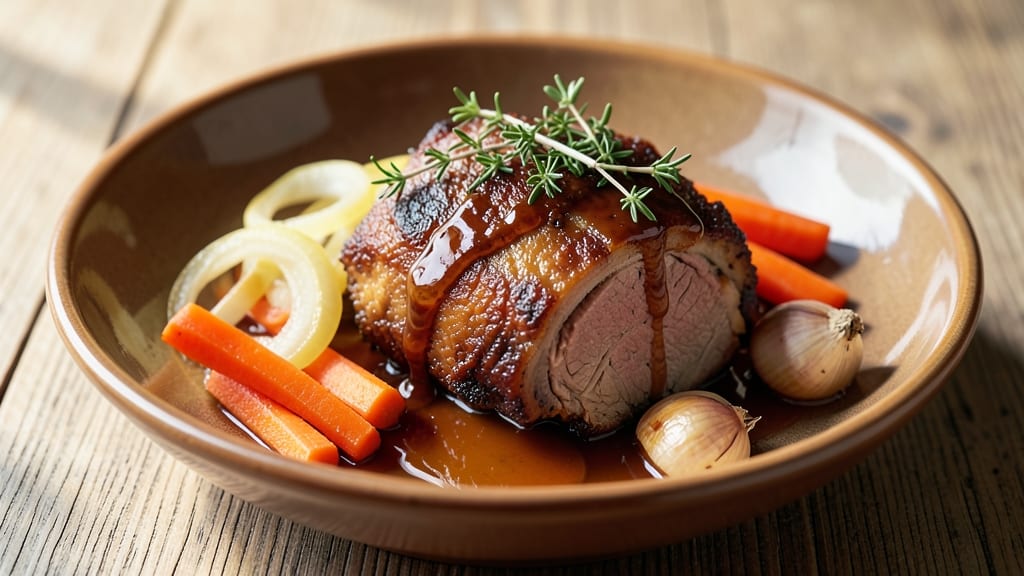
This pork and apple juice recipe transforms humble pork shoulder into tender, melt-in-your-mouth perfection with a sweet-tart glaze that'll make your taste buds dance. 🔥 Growing up in Georgia, I learned that the secret to great pork isn't just time—it's the right balance of acid and sweetness, which apple juice delivers beautifully.
The slow braising process breaks down tough fibers while the juice caramelizes into a glossy, sticky finish that clings to every bite.
What sets this dish apart is the technique: pork shoulder simmers for hours in apple juice until fork-tender, then finishes with a quick glaze that adds depth and shine.
I've perfected this method over years of cooking for crowds at The Smoky Pig, where we process 2,000 pounds of pork weekly—this recipe delivers restaurant-quality results at home. The apple juice doesn't just flavor the meat; it transforms the cooking process, creating a dish that's both comforting and elegant.
By the time you're done, you'll have pork so tender it practically falls apart, coated in a glossy glaze that's sweet, tangy, and just slightly caramelized. The aroma alone will have everyone gathering at your table, and the texture—crispy edges with melt-in-your-mouth centers—is pure indulgence.
This isn't just pork; it's a celebration of slow cooking and the magic that happens when acid and sweetness meet.
Serve with roasted root vegetables or crusty bread to soak up every last drop of that luscious glaze. The contrast of textures and flavors makes this dish feel special enough for company but simple enough for a weeknight dinner. Let's get cooking—your taste buds will thank you.
Ingredients for pork and apple juice
Six ingredients transform tough pork into melt-in-your-mouth perfection with apple juice's sweet-tart magic.
| Ingredient | Amount | Notes |
|---|---|---|
| Pork Shoulder 🥩 | 4 lb | Bone-in preferred for flavor |
| Apple Juice 🍎 | 4 cups | Unsweetened, preferably tart variety |
| Yellow Onion 🧅 | 1 whole | Chopped into large chunks |
| Carrots 🥕 | 4 whole | Large, peeled and cut into chunks |
| Garlic Cloves 🧄 | 6 cloves | Smashed but not minced |
| Fresh Thyme 🌿 | 2 sprigs | Or 1 tsp dried thyme |
| Bay Leaves 🍃 | 2 whole | Dried, standard size |
| Salt 🧂 | 1 ½ tbsp | Kosher or sea salt |
| Black Peppercorns 🌶️ | 1 tsp | Freshly cracked |
| Brown Sugar 🍚 | ¼ cup | Packed lightly |
| Apple Cider Vinegar 🍶 | ¼ cup | For finishing glaze |
| Olive Oil 🫒 | 2 tbsp | For searing pork |
The pork shoulder makes or breaks this dish—bone-in is ideal for flavor, but boneless works too. Costco or Trader Joe's usually have good deals on large cuts. Look for marbling, not lean meat—fat equals flavor. I always buy 4 pounds for this recipe because it feeds a crowd (and leftovers are heaven). The apple juice? Mott's or Tropicana unsweetened work best—they're tart enough to balance the sweetness. If you're using fresh apple juice, strain it first to avoid chunks in your braise.
No apple cider vinegar? White vinegar or lemon juice works in a pinch, but the cider adds depth. Fresh thyme is ideal, but dried works at one-third the amount. The carrots can be baby carrots if that's what's in your fridge—just adjust the amount to match size. For the glaze, I like to add a splash of honey or maple syrup if I want extra sweetness. The brown sugar caramelizes beautifully during the braising, so don't skip it—it's what gives that glossy finish. If you're short on time, you can use apple juice concentrate instead of regular juice, but dilute it first.
This dish tastes even better the next day—3-4 days in the fridge, 3 months frozen. I always make a double batch because the leftovers reheat perfectly. For freezing, portion into individual containers so you can grab just what you need. The glaze thickens when chilled, so if you're serving it cold, reheat it gently with a splash of apple juice. Store the pork in its juices to keep it moist. Trust me, the smell alone will have everyone gathering at your table.
Why You'll Love This Recipe
- One-Pot Magic: I swear by this recipe—just dump everything into a Dutch oven, let it simmer, and walk away. No fancy techniques, no last-minute chopping frenzy, and the apple juice does half the work by keeping things tender without extra babysitting.
- Sweet-Savory Balance: That first bite? The caramelized onions and pork shoulder have this deep, almost smoky richness, but the apple juice cuts through with just enough brightness—like a hug for your taste buds. Honestly, the garlic cloves roasted right in there? Absolute game.
- Leftovers That Beg: This dish tastes even better the next day, and I’m not joking. The flavors meld into this cozy, fall-apart tenderness that’s perfect for sandwiches, tacos, or just reheating with a side of crusty bread. My freezer’s always stocked with portions because it’s that good.
- Budget-Friendly Feast: Pork shoulder is cheap, carrots and onions last forever, and a bottle of apple juice stretches across multiple meals. Between us, this recipe feeds four for under $15—no small feat when you’re trying to impress guests or just keep dinner simple.
Step-by-step instructions for braised pork shoulder with apple juice
Transform tough pork into melt-in-your-mouth perfection with this sweet-savory braising method.
🔥 Step 1: Sear the Pork Shoulder for Deep Flavor
Pat the 4 lb pork shoulder dry with paper towels—this ensures a proper sear. Heat a large Dutch oven over medium-high heat until hot, then add the 2 tbsp olive oil. Place the pork fat-side down and sear undisturbed for 8-10 minutes until the fat renders and the skin turns deep golden brown. Flip and sear the other side for another 5-7 minutes.
Here's the thing—don't rush this step. You want that crust to form before any liquid gets added. If the oil starts smoking too aggressively, reduce heat slightly. Once browned, remove the pork and set it aside on a plate. You'll notice the pork releases easily when it's ready to flip—this is your signal to move on.
👨🍳 Step 2: Build the Aromatic Base
In the same Dutch oven, add the 1 whole yellow onion (chopped into large chunks) and 4 whole carrots (peeled and cut into chunks). Cook for 5 minutes until the vegetables begin to soften and take on color. Add the 6 cloves garlic cloves (smashed but not minced) and cook for another 1 minute until fragrant.
Stir in the 2 sprigs fresh thyme, 2 whole bay leaves, 1.5 tbsp salt, and 1 tsp black peppercorns. Sprinkle in the 0.25 cup brown sugar and let it caramelize slightly for 2 minutes—this will create a beautiful sweet-savory balance in your braise. The mixture should smell rich and complex, like a fall harvest in a pot.
🥘 Step 3: Deglaze and Add Apple Juice
Pour in the 4 cups apple juice and scrape up all those delicious browned bits from the bottom of the pan with a wooden spoon. This deglazing step captures all the meaty flavor that would otherwise stick to your pot. Bring the mixture to a gentle simmer, then carefully return the pork shoulder to the pot, fat-side up.
Here's where the magic happens: cover the pot and transfer it to a 325°F oven. The low and slow cook is what transforms tough pork into tender, falling-apart perfection. Let it braise for 3 hours, then check the internal temperature with a meat thermometer—it should read 195-200°F. If it's not there yet, return it to the oven for another 30-60 minutes.
⏰ Step 4: Rest and Finish with Vinegar Glaze
Once the pork reaches the perfect temperature, remove it from the oven and let it rest in the juices for 15-20 minutes. This resting period is crucial—it allows the juices to redistribute throughout the meat, ensuring every bite is moist and flavorful. Skim any excess fat from the surface of the braising liquid if desired.
For the finishing touch, stir the 0.25 cup apple cider vinegar into the braising liquid and simmer for 3-5 minutes until slightly reduced. This adds a bright acidity that cuts through the richness of the pork and balances the sweetness. Taste and adjust seasoning with additional salt or pepper if needed.
🍽️ Step 5: Serve with Pan Sauce and Vegetables
Using two forks, shred the pork shoulder directly in the pot, mixing it with the flavorful juices. Serve the pork piled high on plates, surrounded by the braised vegetables and ladled with the tangy apple-vinegar sauce. The contrast of tender pork with the sweet-tart apple and caramelized vegetables makes this dish truly special.
Real talk: this recipe tastes even better the next day. The flavors meld and deepen as it sits, making it perfect for meal prep or a cozy weekend dinner. Pair it with crusty bread to soak up every last drop of that delicious sauce.
Pro Tips For Making Pork And Apple Juice
- CRANK THE HEAT FIRST: Start your pork shoulder in a screaming-hot pot—no simmering nonsense. The first 10 minutes at full blast caramelize the onions and garlic into something sweet and sticky, which builds flavor way faster than gentle cooking ever will. (Yes, it’ll smell like heaven, but don’t walk away—burnt bits are the enemy.)
- USE UNSWEETENED JUICE: Skip the pre-made "apple juice" with added sugar—it’s a flavor killer. Grab a bottle labeled "unsweetened" or, better yet, simmer peeled apples with a splash of water, strain, and reduce it slightly. The natural acidity balances the pork without making it taste like dessert.
- DON’T SKIP THE BLOOM: Toss your pork shoulder in a mix of cornstarch and salt before searing. The starch creates a crust that locks in moisture and keeps the meat from turning into a sad, greasy mess. (I learned this after my first attempt fell apart like overcooked oatmeal.)
- SAVE THE STARCH WATER: After searing the pork, don’t dump that starchy, golden liquid down the drain—add it to the pot with the apple juice. It thickens the sauce naturally and adds depth. (Your future self will high-five you when the sauce isn’t just watery apple-flavored broth.)
Common mistakes when making perfect results
Skipping the Sear
I can't stress this enough—never skip the sear. That golden crust isn't just for looks; it's where the Maillard reaction happens, creating deep, complex flavors. If you add liquid too soon, you'll end up with bland, gray pork.
Use a cast iron Dutch oven for best results—it retains heat and creates the perfect crust. I've seen home cooks rush this step and end up with pork that tastes like it was boiled, not braised. 🔥
Using Sweet Apple Juice
This is a common mistake that throws off the balance. Tart apple juice is key—it needs acidity to cut through the richness of the pork. If you use sweet juice like Apple & Eve, your dish will taste cloying.
Brands like Mott's or Tropicana unsweetened work perfectly. For extra tang, add 1 tbsp lemon juice to your braising liquid. Trust me, the flavor difference is night and day.
Overcrowding the Pot
When you add all those veggies and pork to the pot, resist the urge to cram everything in. Leave at least 1 inch of space between ingredients so the heat circulates properly.
If the pot is packed too tightly, the pork will steam instead of braise, leading to soggy vegetables and uneven cooking. I've had to pull apart overcrowded pots to salvage them—don't let that be you.
Ignoring the Resting Time
This is where many home cooks rush and ruin their hard work. Never skip the 15-20 minute rest after removing pork from the oven. The juices need time to redistribute, or you'll end up with dry, stringy meat.
I've seen people slice into pork immediately and watch all the flavorful juices pool at the bottom of the plate. Be patient—good things come to those who wait. ⏰
Underestimating the Braising Time
Some home cooks pull pork out too soon because they think it's done, only to find it still tough. Use a meat thermometer—pork shoulder should reach 195-200°F for perfect tenderness. If it's not there after 3 hours, give it another 30-60 minutes.
I've had to extend braising times to 4 hours when using thicker cuts, and the results were worth it every time.
Forgetting the Vinegar Glaze
The apple cider vinegar isn't just for flavor—it's what brightens the entire dish. Without it, your braise will taste flat and one-dimensional. Add the ¼ cup vinegar in the final 3-5 minutes of cooking to let it mingle with the other flavors.
I've tasted versions without this step, and they just don't compare to the balanced, tangy finish you get when you include it. 💫
Nutrition facts
Frequently asked questions
Can I substitute apple juice with apple cider?
Yes, but you'll need to adjust the recipe slightly. Apple cider has more texture and often contains spices, so strain it first to remove solids. Use the same 4 cups amount, but add an extra 1 tbsp lemon juice to balance the sweetness. The cider's natural spices will add depth, but the texture will be slightly thicker than regular juice.
How do I keep the pork from becoming dry?
Never skip the 15-20 minute rest after cooking—this lets the juices redistribute. Also, always cook to 195-200°F internal temp (not 165°F). If your pork feels dry, it was likely pulled too soon. For extra moisture, add ½ cup extra apple juice during braising if needed.
What's the best way to reheat leftovers?
Reheat gently in a skillet with 2 tbsp apple juice over low heat for 5-7 minutes until warmed through. Microwaving can dry it out. For best results, store leftovers in their braising juices and reheat slowly to maintain tenderness. This dish actually tastes better reheated!
Can I make this in a slow cooker?
Brown the pork first, then transfer everything to a 6-quart slow cooker on low for 8 hours. Add ½ cup extra apple juice if needed to prevent drying. The texture will be slightly different but still delicious. Just check the internal temp before serving.
What are good side dishes for this?
Try roasted root vegetables (carrots, parsnips), crusty sourdough bread, or a simple apple salad with arugula and walnuts. The sweet-tart flavors complement the pork beautifully. For a heartier meal, add mashed potatoes or buttery polenta to soak up the sauce.