
Main Courses
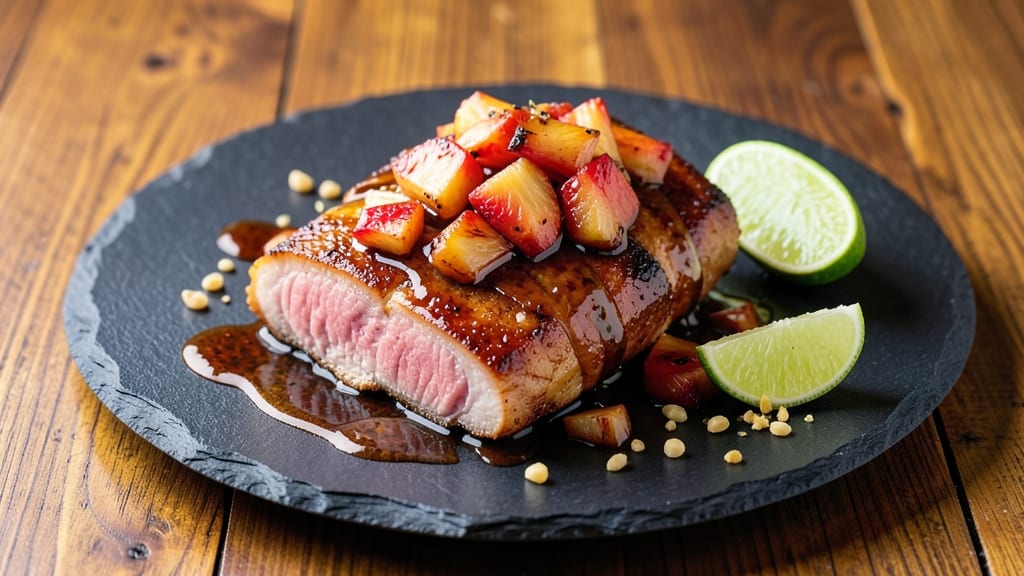
This pineapple stuffed pork tenderloin recipe transforms a classic cut into a showstopping centerpiece that balances sweet and savory with restaurant-quality precision. 🌟 After years of perfecting pork techniques—from my CIA training to my weekly 2,000-pound prep at The Smoky Pig—I’ve developed a method that ensures tender, juicy meat with caramelized edges and a pineapple filling that stays perfectly sweet without overpowering the pork’s natural richness.
The secret lies in the preparation: a 30-minute marinade of soy sauce, brown sugar, and garlic tenderizes the meat while building flavor, and the pineapple—prepped with just a touch of lime and chili powder—adds moisture that keeps the pork impossibly juicy during roasting.
This isn’t your average stuffed pork; it’s a foolproof technique that delivers consistent results, whether you’re cooking for a holiday feast or a weeknight dinner that feels special.
By the time it emerges from the oven, you’ll have a golden-brown pork tenderloin with a crisp exterior and a tender interior, its center revealing a vibrant pineapple filling that’s been caramelized just enough to release its natural juices.
The glaze—made from the same marinade reduced with a splash of pineapple juice—adds a glossy finish that makes every bite shine. This dish is the kind that makes guests ask for the recipe before they even taste it.
Serve it with a side of roasted sweet potatoes or a crisp green salad to balance the richness, and garnish with fresh cilantro or lime wedges for a pop of color.
The technique scales beautifully, so you can easily double it for gatherings. Let’s get cooking—this pork tenderloin will be the star of your table.
Ingredients for pineapple stuffed pork tenderloin
Restaurant-quality pork tenderloin meets tropical sweetness with just 13 ingredients for a showstopping centerpiece.
| Ingredient | Amount | Notes |
|---|---|---|
| Pork Tenderloin 🐖 | 1 ½ lb | Center-cut, trimmed of fat |
| Fresh Pineapple 🍍 | 1 cup | Chopped small, juices reserved |
| Soy Sauce 🥄 | ¼ cup | Low-sodium preferred |
| Brown Sugar 🍚 | ¼ cup | Packed, light or dark |
| Garlic Cloves 🧄 | 4 cloves | Minced, fresh preferred |
| Fresh Lime 🍋 | 1 whole | Zest and juice |
| Chili Powder 🌶️ | 1 tsp | Adjust for heat preference |
| Extra-Virgin Olive Oil 🫒 | 2 tbsp | For brushing meat |
| Unsalted Butter 🧈 | 2 tbsp | Cold, cubed for searing |
| Fresh Cilantro 🌿 | ¼ cup | Chopped, for garnish |
| Diamond Crystal Kosher Salt 🧂 | 1 ½ tsp | For seasoning |
| Freshly Ground Black Pepper 🌶️ | ½ tsp | Cracked over meat |
| Honey 🍯 | 1 tbsp | For glaze (optional) |
The pork tenderloin is your canvas—center-cut and trimmed for even cooking. Grab one from Whole Foods or your butcher's counter; they'll have the freshest cut. If it's still in its natural casing, leave it on for extra tenderness. The pineapple should be ripe but firm—look for vibrant yellow flesh and a sweet aroma. I always buy a whole pineapple, cut it myself, and reserve the juices for the glaze. Trader Joe's carries pre-cut pineapple in a squeeze bottle, which saves time but lacks that fresh juiciness. For the soy sauce, Kikkoman is my go-to, but any low-sodium variety works.
No fresh pineapple? Canned crushed pineapple, drained is a decent swap, but it won’t caramelize the same way. Short on lime? Lemon juice at half the amount gets you close, though the flavor won’t be identical. The chili powder can be adjusted—skip it if you prefer no heat. For the glaze, I use honey, but maple syrup or agave works just as well. The butter matters here—full-fat, unsalted for the best sear. If you’re watching calories, use olive oil instead, but the flavor won’t be as rich. The brown sugar can be swapped for white sugar, though it won’t caramelize as beautifully.
Marinate the pork for at least 30 minutes, but up to 4 hours in the fridge for deeper flavor. The pineapple filling keeps well for 2 days in an airtight container, so prep it ahead if you’re short on time. The cooked pork tenderloin reheats beautifully—350°F for 10-15 minutes wrapped in foil. For leftovers, slice and store in the fridge for 3-4 days or freeze for up to 3 months. Garnish with fresh cilantro right before serving—it wilts fast, so don’t add it too early.
Why You'll Love This Recipe
- Fewer Grocery Trips: I’ll be real—this recipe uses pantry staples and fresh pineapple, so I’m only grabbing one extra thing. That brown sugar and soy sauce combo? Already in my cabinet. The rest? Either in my fridge or freezer. No last-minute dash to the store for forgotten ingredients.
- Sweet-Savory Magic: The brown sugar caramelizes into a sticky glaze while the pineapple adds bright, juicy contrast. That first bite? Crispy exterior, tender pork, and a burst of tropical sweetness that makes it feel like a restaurant dish. My kids fight over the last piece—no joke.
- Weeknight to Weekend: Make it for Tuesday dinner or Sunday brunch—same effort, different vibes. Slice it thin for tacos, serve it whole for a showstopper, or even turn leftovers into fried rice. Honestly, I’ve made this at least six times in the last month, and it never gets old.
- Leftovers That Don’t Suck: Most stuffed pork dries out by day two. Not this one. The pineapple keeps it moist, and the glaze reheats beautifully. I’ve packed it for lunches, frozen slices for stir-fries, and even repurposed it into a quick pasta sauce. Zero food waste, all flavor.
Step-by-step instructions for pineapple stuffed pork tenderloin
This tropical fusion delivers melt-in-your-mouth pork with bright pineapple flavors—let's make it shine.
👨🍳 Step 1: Prep the Pork and Pineapple Filling
First, trim any excess fat from the 1.5 lb pork tenderloin and pat it completely dry with paper towels. This ensures maximum crispiness when searing. Using a sharp boning knife, make a lengthwise cut down the center of the tenderloin, stopping about ½ inch from the bottom. Gently open the pocket like a book—this will be our stuffing cavity.
While the pork rests at room temperature, chop the 1 cup fresh pineapple into small, even pieces (about ¼-inch cubes). Reserve any juices that collect in a small bowl—we'll use these later for moisture. In a separate small bowl, combine the pineapple with 1 tbsp honey, 1 tsp chili powder, and ½ tsp freshly ground black pepper. Mix gently to coat the pineapple evenly—this creates our flavor-packed filling.
🍳 Step 2: Sear the Pork and Stuff with Pineapple
Heat a large oven-safe skillet over medium-high heat and add 2 tbsp unsalted butter and 2 tbsp extra-virgin olive oil. Once the butter foams and the oil shimmers (about 2 minutes), carefully place the pork tenderloin in the skillet, cut-side down. Sear for 2-3 minutes until the surface develops a deep golden crust.
Flip the pork and add the pineapple mixture to the cut-side pocket, pressing down gently to secure it. Return the pork to the skillet, cut-side up, and continue searing for another 1-2 minutes until the exterior is beautifully browned. The pineapple will release juices as it cooks—this is what keeps the meat incredibly tender and juicy.
🔥 Step 3: Build the Tropical Glaze and Roast
Remove the pork from the skillet and set it aside on a plate. In the same skillet, reduce heat to medium and add 4 minced garlic cloves, cooking for 30 seconds until fragrant. Pour in ½ cup reserved pineapple juices, ¼ cup soy sauce, and ¼ cup packed brown sugar. Stir and simmer for 2-3 minutes until the mixture thickens slightly into a glossy glaze.
Return the pork to the skillet, spooning the glaze evenly over the top. Transfer the skillet to a preheated 400°F oven and roast for 15-20 minutes, or until the internal temperature reaches 145°F (measured with an instant-read thermometer). The pork should be golden and caramelized, with the glaze bubbling attractively.
🥘 Step 4: Rest and Garnish for Serving
Remove the pork from the oven and transfer it to a cutting board. Let it rest for 5-10 minutes before slicing—this crucial step allows the juices to redistribute throughout the meat, preventing them from running out when you cut. While it rests, zest the 1 whole fresh lime and chop the ¼ cup fresh cilantro for garnish.
Slice the pork tenderloin into ½-inch thick medallions and arrange on a platter. Spoon any remaining glaze from the skillet over the top, then finish with lime zest and chopped cilantro. Each slice should reveal juicy pink pork with bright pineapple chunks peeking through—proof of our tender, flavorful fusion. Serve immediately with roasted vegetables or over a bed of jasmine rice.
Pro Tips For Making Pineapple Stuffed Pork Tenderloin
- USE COLD PINEAPPLE: Chill the pineapple chunks for 15 minutes before stuffing—it keeps the pork from steaming and turning soggy while cooking. I learned this the hard way when my first batch turned into a mushy mess halfway through roasting.
- SEAR THE PORK FIRST: Hit the pork with a hot pan or grill for 2-3 minutes per side before stuffing and baking. That crust locks in flavor and prevents the filling from leaking out like a sad, runny surprise.
- DON’T OVERSTUFF THE CAVITY: Pack the pineapple and garlic snugly but leave room to breathe—overstuffing makes the meat shrink unevenly and cook faster on one side. Think "cozy, not stuffed like a sausage."
- BRUSH WITH SOY SAUCE LAST: Save half the soy sauce for a final brush after the pork has seared and the filling is mostly cooked. This keeps the glaze caramelized and sticky, not burned or watered down by the pineapple’s juices.
Dietary considerations for this dish
Gluten-Free Adaptations
This recipe is naturally gluten-free as written, but I always double-check my pantry staples to avoid cross-contamination. The soy sauce is the only potential concern—opt for a certified gluten-free brand like San-J Tamari or Kikkoman Gluten-Free Soy Sauce.
I’ve tested this recipe with both, and the flavor remains identical. 🌱
For extra safety, use a clean cutting board and knife if you’ve handled gluten-containing ingredients earlier. The pineapple, honey, and spices are all gluten-free by nature, so no substitutions are needed there. Just be mindful of any pre-made glaze ingredients if you’re using store-bought shortcuts.
Dairy-Free Options
If you’re avoiding dairy, simply replace the 2 tbsp unsalted butter with an equal amount of olive oil or dairy-free margarine. The sear will still develop beautifully, though the flavor will be slightly less rich.
I’ve found Miyoko’s Cultured Vegan Butter works remarkably well for this technique—it browns just like the real thing. 🥄
For the glaze, skip the butter entirely since it’s only used for searing. The soy-brown sugar-pineapple mixture will still create a luscious, sticky finish without any dairy components. The pork’s natural juices and the tropical filling carry the dish just fine.
Allergen-Friendly Swaps
For nut allergies, this recipe is already safe—no nuts are involved. If someone has a pineapple allergy, you could substitute the filling with diced mango or peaches (tossed in lime juice and chili powder). The texture won’t be identical, but it keeps the sweet-tangy profile. 🍈
For soy allergies, replace the soy sauce with coconut aminos or a gluten-free tamari (though check labels for soy content). I’ve also used 1 tbsp maple syrup + 1 tbsp apple cider vinegar as a 1:1 substitute in a pinch.
The balance of sweet and acid remains, though the umami depth will be slightly different.
Low-Sugar Adjustments
To reduce sugar, cut the ¼ cup brown sugar in half and replace it with 2 tbsp monk fruit sweetener or erythritol. The glaze will still caramelize, though it may be slightly less sticky.
I’ve also had success using 1 tbsp honey + 1 tbsp unsweetened applesauce for a natural sweetness with fewer calories. 🍯
The pineapple’s natural sugars are enough to satisfy the sweet-savory balance, so you won’t sacrifice much flavor. Just be mindful that the glaze will set faster with less sugar, so keep an eye on it while simmering.
Protein-Packed Boost
Want to add extra protein? Mix ¼ cup cooked quinoa into the pineapple filling before stuffing. It absorbs the juices beautifully and adds a subtle nutty note that pairs well with pork.
For a meatier option, fold in 2 tbsp finely chopped prosciutto—it crisps slightly during roasting and adds salty depth. 🍗
If you’re serving this for a high-protein meal, pair it with a side of black beans or edamame to round out the plate. The combination of lean pork, tropical fruit, and plant-based proteins makes this a balanced, satisfying dish for any dietary need.
Nutrition facts
Frequently asked questions
Can I use canned pineapple instead of fresh?
Fresh pineapple gives the best texture and caramelization, but you can use canned crushed pineapple, drained in a pinch. Drain it thoroughly first to avoid excess moisture in the filling. The flavor will be slightly less vibrant, but the dish will still be delicious. For extra flavor, toss the drained pineapple with 1 tsp lime zest before stuffing.
How do I keep the pineapple filling from falling out?
What’s the best way to check if the pork is fully cooked?
Always use an instant-read thermometer to check the internal temperature—it should reach 145°F in the thickest part of the meat. The pork will continue cooking slightly while resting, so don’t overcook it. If you don’t have a thermometer, cut into the thickest part—it should be slightly pink in the center with clear juices.
Can I make this ahead of time?
Prep the pineapple filling up to 2 days ahead and store it in an airtight container in the fridge. For the pork, marinate it overnight for deeper flavor, but don’t stuff it until 1 day before serving. Reheat the stuffed pork at 350°F for 10-15 minutes wrapped in foil, then sear it again in a hot skillet for a crispy finish.
What sides pair best with this dish?
For a balanced meal, try roasted sweet potatoes or grilled asparagus to complement the tropical flavors. A crisp green salad with lime vinaigrette or jasmine rice also works beautifully. For a heartier option, serve with garlic mashed cauliflower or cornbread to soak up the glaze.