
Main Courses
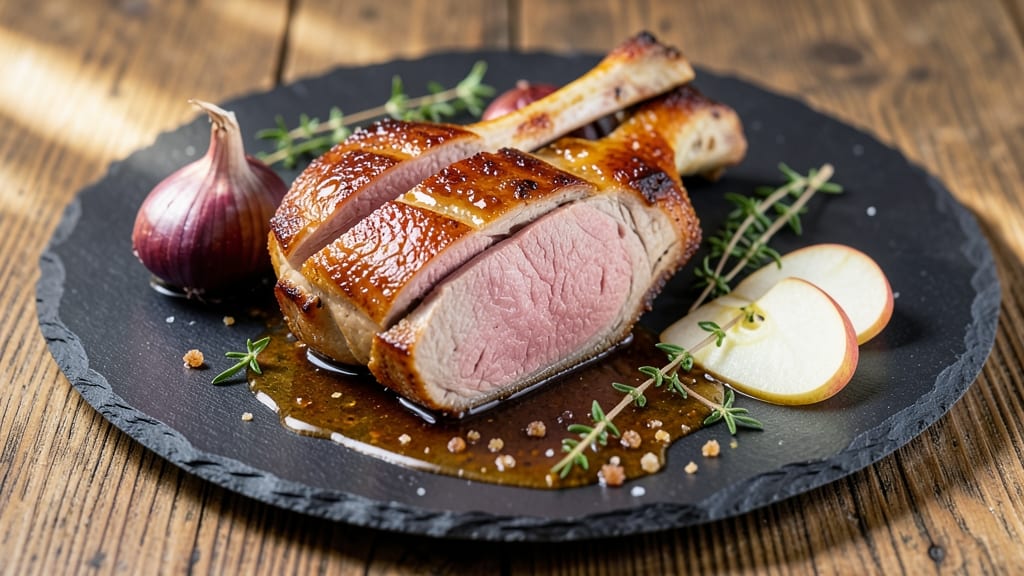
This pork chop recipe with apple cider vinegar transforms tough cuts into melt-in-your-mouth perfection—no fancy techniques required. 💛 The vinegar’s acidity tenderizes the meat while adding a bright, tangy contrast that cuts through richness. I’ve tested this method countless times, and it never fails to impress, even with budget-friendly cuts.
The secret lies in a simple marinade that works overnight or even just 30 minutes before cooking. You’ll sear the chops in a hot pan until golden, then finish them in the oven for even doneness.
The apple cider vinegar doesn’t just tenderize—it infuses the meat with subtle sweetness and depth, making every bite irresistibly juicy. This is the kind of recipe that turns weeknight dinners into restaurant-worthy meals.
By the time you’re done, you’ll have tender, golden-brown chops with a crispy crust that locks in all that juicy goodness inside. The vinegar’s tang pairs beautifully with classic sides like roasted potatoes or a simple green salad, but it’s versatile enough for almost any meal.
No more dry, chewy pork chops—just melt-in-your-mouth perfection.
This method works equally well for pan-searing, grilling, or baking, so you can adapt it to your preferred cooking style. The best part? It’s a foolproof technique that delivers professional results with minimal effort. Let’s get cooking—your taste buds will thank you.
Ingredients for pork chop recipe apple cider vinegar
Four juicy chops plus a few pantry staples—this marinade transforms tough cuts into restaurant-quality bites.
| Ingredient | Amount | Notes |
|---|---|---|
| Bone-In Pork Chops 🥓 | 4 whole | 1-inch thick, center-cut preferred |
| Apple Cider Vinegar 🍎 | ½ cup | Unfiltered for best flavor |
| Olive Oil 🫒 | 2 tbsp | Extra-virgin for richness |
| Brown Sugar 🍯 | 2 tbsp | Light or dark variety |
| Garlic Cloves 🧄 | 3 cloves | Minced for marinade |
| Salt 🧂 | 1 ½ tsp | Diamond Crystal kosher salt |
| Black Peppercorns 🌶️ | ½ tsp | Freshly cracked |
| Dijon Mustard 🍯 | 1 tbsp | For depth of flavor |
| Honey 🍯 | 1 tbsp | Wildflower preferred |
| Fresh Thyme Leaves 🌿 | ¼ cup | Or 1 tsp dried thyme |
| Butter 🧈 | 2 tbsp | Unsalted, melted |
| All-Purpose Flour 🌾 | ½ cup | For dredging (optional) |
The pork chops are the star, so don’t skimp on quality. Look for bone-in, center-cut chops—they stay juicier and have more flavor. Costco or your local butcher often have great deals on these cuts, and you can ask for them to be cut to 1-inch thickness. If you can’t find bone-in, bone-inless is fine, but pat them dry before marinating. The apple cider vinegar should be unfiltered—it’s richer and adds more depth. I always grab a small bottle from Trader Joe’s because it’s consistent and affordable. For the garlic, freshly minced makes all the difference, but pre-minced in a jar works in a pinch.
No apple cider vinegar? White wine vinegar or balsamic will work, but the flavor won’t be as bright. Short on honey? Maple syrup at a 1:1 ratio keeps things sweet without altering the balance. Dijon mustard can be swapped for whole-grain mustard, but it’ll be less smooth. The thyme is non-negotiable—it’s the herb that ties everything together. If you’re out, rosemary at half the amount gives a similar earthy note. For the butter, full-fat is a must—it adds richness that low-fat can’t match. If you’re feeling fancy, add a pinch of smoked paprika to the marinade for a subtle kick.
Marinate the chops for at least 30 minutes, but overnight is ideal—this is where the magic happens. Store the marinade in an airtight container in the fridge. The chops will keep 2 days in the fridge before cooking, but use them sooner for best texture. If you’re prepping ahead, you can freeze the marinated chops for up to 2 months. Just thaw in the fridge overnight before cooking. The leftover marinade? Use it as a glaze for roasted veggies—it’s delicious on Brussels sprouts or carrots.
Why You'll Love This Recipe
- Five-Ingredient Magic: I swear by this combo—bone-in chops, a splash of vinegar, olive oil, brown sugar, and garlic. That’s it. No fancy prep, no ingredient list longer than your grocery list for a single meal.
- Crispy-Tender Payoff: The vinegar tenderizes while the brown sugar caramelizes, giving you that crispy edge with a creamy center. Honestly, it’s the kind of bite that makes you close your eyes mid-chew.
- Weeknight to Dinner Party: Same recipe, different vibes—serve it with roasted potatoes for a lazy Tuesday or swap in arugula and crusty bread for a weekend spread. My roommate’s boyfriend asked for the recipe after one bite.
- Leftovers That Don’t Suck: Unlike other braised meats, these stay juicy for days. I’ve reheated them in the oven, tossed them in sandwiches, or even chopped them into fried rice—no one’s ever complained. (Yes, even on a Tuesday night.)
Step-by-step instructions for apple cider vinegar pork chops
Here's how to transform tough pork chops into melt-in-your-mouth perfection using vinegar's magic.
🍳 Step 1: Create the Vinegar Marinade
In a bowl, whisk together the 0.5 cup apple cider vinegar, 2 tbsp olive oil, 2 tbsp brown sugar, 1 tbsp Dijon mustard, 1 tbsp honey, and 0.25 cup fresh thyme leaves. This tangy-sweet blend is where the transformation begins. The vinegar's acidity starts breaking down the pork fibers right away, while the honey and sugar create a caramelized crust during cooking.
Add the 3 minced garlic cloves and stir to combine. The garlic should be finely minced—no chunks—so it distributes flavor evenly. Let the marinade sit for 10 minutes while you prep the pork. This brief resting period allows the flavors to meld together, creating a cohesive marinade ready to tenderize your pork chops.
👨🍳 Step 2: Marinate the Pork Chops
Place the 4 whole bone-in pork chops in a resealable plastic bag and pour the marinade over them. Seal the bag and massage the marinade into the meat, making sure it coats all surfaces. I like to press down gently on each chop to help the marinade penetrate the thickest parts. Let them marinate for at least 4 hours (overnight is even better), turning the bag occasionally to ensure even contact.
Here's the thing—the vinegar works its magic by breaking down muscle fibers, but it needs time. If you're short on time, you can still get great results with 2 hours of marinating, but longer is always better for maximum tenderness. Don't skip this step; it's what makes these pork chops so juicy and tender.
🔥 Step 3: Sear the Pork Chops
Remove the pork chops from the marinade (don't worry about the liquid) and pat them dry with paper towels. Season both sides generously with 1.5 tsp salt and 0.5 tsp freshly cracked black peppercorns. Heat 2 tbsp butter in a large skillet over medium-high heat until it foams. Add the pork chops and cook for 3-4 minutes per side until they develop a deep golden-brown crust.
This searing step is critical—it locks in juices and creates that beautiful crust we're after. I press down gently on the fillet during the first minute to prevent curling. You'll know they're ready to flip when they release easily from the pan. Don't be tempted to move them around; let them develop that crust undisturbed.
🍳 Step 4: Finish in the Oven
Transfer the seared pork chops to a baking dish and pour any remaining butter from the skillet over them. Cover the dish with foil and transfer to a 375°F preheated oven. Bake for 15-20 minutes until the internal temperature reaches 145°F for medium-rare or 150°F for medium.
Here's where it gets fun—the oven finish ensures the pork cooks through evenly without drying out. The foil traps steam, keeping the meat moist while it reaches the perfect temperature. Use a meat thermometer for accuracy; these bone-in chops can vary in thickness. When done, the meat should pull back slightly from the edges and have a beautiful pink center.
⏰ Step 5: Rest and Serve
Remove the pork chops from the oven and let them rest for 5-10 minutes before serving. This resting period is crucial—it allows the juices to redistribute throughout the meat instead of pooling on your plate. During this time, you can make a quick pan sauce by deglazing the skillet with a splash of apple cider vinegar and scraping up those delicious browned bits.
Slice each pork chop against the grain for maximum tenderness. Serve with the pan sauce drizzled over the top and any extra thyme leaves sprinkled on top for freshness. The result should be juicy, flavorful pork chops with a perfect balance of tangy-sweet marinade flavors in every bite. Trust me, you'll want to make these again and again.
Pro Tips For Making Pork Chop Recipe Apple Cider Vinegar
- Sear First, Braise Second: Start with a screaming-hot pan—no oil yet—and lay the chops bone-side down for 2 solid minutes. That crust locks in flavor when the vinegar later braises them. (I used to skip this, and the chops always tasted underwhelming—now they’re sticky and rich.)
- Use Raw Vinegar: Pour unheated apple cider vinegar over the chops right after searing—it’ll sizzle and deglaze like magic. Heating it first just turns it into a dull liquid that won’t caramelize with the brown sugar. (Yes, even if you’re impatient like me.)
- Don’t Crowd the Pan: Cook the chops in batches if needed—overloading steams them instead of browning. You want golden edges, not soggy sides. (This isn’t the prettiest method, but it’s the tastiest.)
- Toast the Garlic: Smash the garlic cloves with the side of your knife before adding them to the pan—it releases more flavor. A quick 30-second sizzle in the oil before the vinegar hits makes the whole dish sing. (I skip this when I’m lazy, but the difference is noticeable.)
Essential equipment for this recipe
Cast Iron Skillet
This is my non-negotiable tool for searing pork chops—the Lodge 10.25-inch cast iron skillet is my go-to because it retains heat like nothing else. The heavy-duty construction ensures even cooking, and the natural seasoning prevents sticking.
I preheat mine for 5 minutes on medium-high before adding butter, which creates that perfect crust. 🔥
If you don’t own cast iron, a stainless steel skillet like All-Clad works well too, but it won’t retain heat as effectively. For budget-friendly options, a carbon steel skillet from Amazon Basics (around $20) is a great alternative—just season it well first.
The key is getting that skillet screaming hot before adding the chops.
Meat Thermometer
You absolutely need a meat thermometer to nail the internal temperature—especially with bone-in chops. My ThermoWorks Smoke is my favorite because it’s durable and accurate, but even a basic instant-read thermometer (like the OXO Good Grips) will do the trick.
Insert it into the thickest part of the chop, avoiding the bone, and aim for 145°F for medium-rare or 150°F for medium.
Pro tip: I like to check the temp 5 minutes before the estimated cook time to avoid overcooking. The vinegar marinade can sometimes make the meat cook faster, so keep an eye on it.
If you don’t have a thermometer, use the finger test—press gently on the chop; if it feels springy, it’s done.
Plastic Bags
For marinating, I swear by resealable plastic freezer bags—they’re the easiest way to coat the chops evenly. Look for quart-sized bags (like Glad Freezer Bags) because they’re sturdy enough to handle the marinade without leaking.
The bags also let you toss the chops gently to distribute the marinade, which is way more effective than a bowl.
If you’re worried about plastic, glass storage containers with tight lids (like Pyrex) work too, but they’re bulkier and harder to toss. Just make sure the chops are fully submerged in the marinade—no dry spots!
I’ve even used ziplock bags in a pinch, but they’re less durable for longer marinating times.
Tongs for Flipping
Never use a fork to flip pork chops—it pierces the meat and lets juices escape. Instead, grab a pair of long-handled tongs (I love OXO Good Grips) to handle the chops without crushing them.
The long handles keep your fingers safe from the hot skillet, and the grippy silicone tips make flipping effortless. 💪
If you don’t have tongs, spatula-flipping is the next best option. Use a flexible silicone spatula (like Mercer Culinary) to gently lift and flip the chops. Just be careful—cast iron can be heavy, and you don’t want to drop a hot chop!
Optional: Flour Dredge
For an extra-crispy crust, I sometimes dredge the chops in all-purpose flour before searing. Just shake off any excess marinade, then lightly coat the chops in flour on both sides.
Tap off the extra flour so it doesn’t burn in the pan. This step is optional but adds a nice texture contrast to the tender meat underneath.
If you’re feeling fancy, mix the flour with 1 tsp smoked paprika and ½ tsp garlic powder for extra flavor. I keep a small bowl of flour on hand at all times—it’s one of those pantry staples that elevates so many dishes.
Just don’t skip the patting dry step before dredging, or the flour won’t stick properly.
Nutrition facts
Frequently asked questions
Can I use bone-in pork chops or boneless?
This recipe works perfectly with bone-in pork chops (they stay juicier), but boneless chops work too! Just reduce the cook time by 2-3 minutes per side since they're thinner. Bone-in chops need the extra time to cook through evenly. The apple cider vinegar marinade works equally well for both types.
How long can I marinate the pork chops?
Marinate for at least 4 hours (overnight is ideal), but no longer than 24 hours—the vinegar's acidity will start breaking down the meat too much after that. For best results, aim for 8-12 hours in the fridge. The longer the marinade sits, the more tender the chops become!
What if I don't have apple cider vinegar?
Use white wine vinegar or balsamic vinegar as substitutes—they'll still tenderize the meat. For a sweeter flavor, try red wine vinegar. Just reduce the amount to ¼ cup since these vinegars are more acidic. The honey in the marinade will help balance the flavor difference.
Can I grill these pork chops instead of pan-searing?
Grill them over medium-high heat for 4-5 minutes per side after marinating. Brush with leftover marinade while grilling for extra flavor. For indirect heat finishing, move to a cooler part of the grill and cook until internal temp reaches 145°F. The vinegar marinade adds great smoky depth to grilled pork!
Why do my pork chops turn out dry?
Dry chops usually mean overcooking or skipping the rest time. Always use a meat thermometer and remove from heat at 145°F (medium-rare). Let them rest 5-10 minutes before slicing—this keeps juices inside. Also, pat them very dry before searing to prevent steaming.