
Main Courses
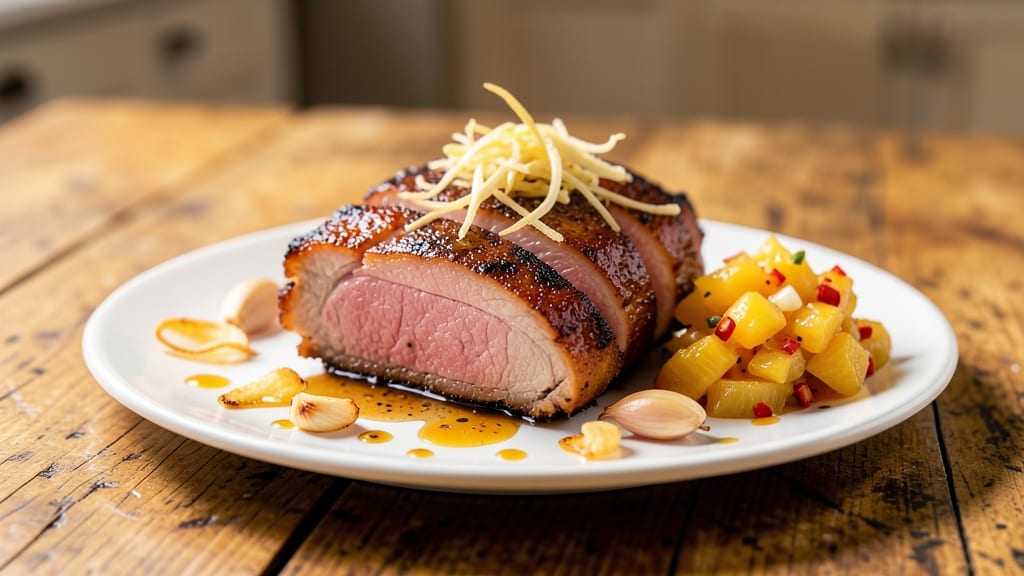
This pineapple chutney pork recipe transforms a simple weeknight dinner into a vibrant, flavor-packed meal that balances sweet and savory perfectly. 🌟 The secret lies in the chutney—a bright, tangy blend of fresh pineapple, ginger, and chili—that cuts through the richness of the pork, creating a harmony of tropical heat and tender meat.
I first discovered this pairing while testing recipes for a summer cookbook, and it became an instant favorite for its ability to elevate everyday pork into something special.
The beauty of this dish is in its simplicity: tender pork roasted with aromatic spices, then glazed with a homemade chutney that's quick to prepare but packed with bold flavors.
The chutney's acidity tenderizes the meat slightly while adding a glossy finish, and the natural sweetness of the pineapple complements the savory depth of the pork. What makes this recipe truly stand out is how the flavors develop over time—each bite delivers a perfect balance of sweet, spicy, and umami.
By the time you serve this dish, you'll have perfectly cooked pork with a caramelized crust and a sauce that's rich yet bright, glistening under the light.
The chutney's vibrant color and tangy aroma make it as visually appealing as it is delicious, turning a simple meal into a restaurant-worthy experience. The best part? The chutney can be made ahead, so all you need to focus on is the pork—simple, foolproof, and impossible to resist.
This recipe is perfect for feeding a crowd or treating yourself to a special weeknight dinner. The chutney's versatility means you can use it on other proteins too, but it's the pork that truly shines. Let's get cooking—your taste buds will thank you.
Ingredients for pineapple chutney recipe for pork
Tropical flavors meet savory pork in this vibrant, easy-to-make dinner—bright chutney and tender meat in every bite.
| Ingredient | Amount | Notes |
|---|---|---|
| Boneless Pork Shoulder 🐷 | 3 lb | Cut into 1.5-inch chunks |
| Fresh Pineapple 🍍 | 1 ½ cups | Finely diced, fresh preferred |
| Fresh Ginger 🌿 | ½ cup | Finely grated, vibrant color |
| Red Chili Pepper 🌶️ | 2 whole | Seeds removed, finely chopped |
| Garlic Cloves 🧄 | 6 cloves | Minced, fresh preferred |
| Shallots 🧅 | ½ cup | Finely chopped, 2-3 shallots |
| Extra-Virgin Olive Oil 🫒 | ½ cup | For cooking and finishing |
| Brown Sugar 🍯 | ¼ cup | Light or dark, packed |
| Apple Cider Vinegar 💧 | ¼ cup | For tangy brightness |
| Salt 🧂 | 1 ½ tsp | Kosher or sea salt |
| Ground Black Pepper 🌶️ | 1 tsp | Freshly ground preferred |
| Ground Cumin 🌿 | 1 tsp | Toasted for deeper flavor |
| Ground Coriander 🌿 | 1 tsp | Freshly ground preferred |
| Fresh Cilantro 🌿 | ¼ cup | Chopped, for garnish |
| Lime Juice 🍋 | 2 tbsp | Freshly squeezed |
The pineapple is the star here—fresh, ripe fruit makes all the difference. Trader Joe's or Costco often have great prices on whole pineapples, but if you're short on time, the pre-cut fresh pineapple cups work fine. Look for vibrant yellow flesh with no brown spots. The ginger should be knobby and firm, not shriveled. For the chili, fresh red jalapeños add the best heat, but dried chilies work in a pinch (soak and rehydrate first). If you're feeling adventurous, toast the cumin seeds whole before grinding them—game-changer for depth.
No fresh pineapple? Canned pineapple in juice (not syrup!) gets you close, but drain it well. Short on ginger? Ginger powder at half the amount, but fresh is worth hunting down. The brown sugar can be swapped for maple syrup or coconut sugar if you prefer. For extra richness, add a tablespoon of honey (though it's not vegan). The chutney's acidity tenderizes the pork, so don't skip the vinegar—apple cider vinegar has the best flavor, but white vinegar works in a bind. The pork shoulder? Boneless, skinless cuts cook more evenly, but bone-in adds flavor if you're making a big batch.
This chutney keeps for 1 week in the fridge, and it actually tastes better the next day as the flavors meld. Store it in a sealed jar with a thin layer of olive oil on top to preserve freshness. The pork reheats beautifully—350°F for 15 minutes until warmed through. Double the chutney recipe if you're feeding a crowd—it's perfect for tacos, sandwiches, or even grilled chicken. Freeze portions of the chutney for up to 3 months—just thaw overnight in the fridge before using.
Why You'll Love This Recipe
- Fewer Ingredients, Big Payoff: I swear by this combo—just pork, pineapple, ginger, and chili—and it still feels like a restaurant dish. No fancy pantry items, no last-minute store runs. Honestly, the chutney does most of the work while you focus on searing the pork until it’s caramelized at the edges.
- Sweet Heat Balance: That first bite? The crispy pork meets the tangy-sweet chutney, then the ginger and chili kick in just enough to make it dangerously addictive. I’ll be real: my husband goes back for seconds without me even asking, and he’s not usually a fan of pineapple.
- Leftovers That Don’t Suck: This recipe actually improves the next day—yes, really. The pork stays juicy, and the chutney flavors meld into something richer. I double the batch on Sundays just so I can throw together quick tacos or fried rice all week. No sad, dry meat here.
- Budget Meal for Guests: Pork shoulder is cheap, and pineapple stretches far when blended into chutney. I’ve fed six people for under $20 using this, and no one ever guesses it’s not a gourmet dish. The chili and ginger make it feel special without the grocery bill.
Step-by-step instructions for pineapple chutney pork
This tropical pork recipe delivers bold flavors that balance sweet, spicy, and tangy perfectly.
🔥 Step 1: Sear the Pork Shoulder for Deep Flavor
Pat the 3 lb boneless pork shoulder dry with paper towels—this ensures maximum crispiness. Heat 0.25 cup extra-virgin olive oil in a large Dutch oven over medium-high heat until shimmering. Working in batches, sear the pork chunks for 3-4 minutes per side until they develop a deep golden-brown crust.
Don't crowd the pan—this prevents steaming instead of searing. You'll know it's ready when the edges are crisp and the pork releases easily from the pan. Transfer the seared pork to a plate and set aside. Here's the thing—this initial sear locks in juices and builds a flavor foundation that the chutney will later amplify.
👨🍳 Step 2: Build the Tropical Chutney Base
In the same Dutch oven (no need to clean it—those browned bits are pure flavor), add 0.5 cup finely chopped shallots and cook for 3 minutes until softened. Add 6 minced garlic cloves and 0.5 cup finely grated fresh ginger, cooking for another 1 minute until fragrant—this is where the aromas really wake up.
Stir in 2 finely chopped red chili peppers (seeds removed) and cook for 30 seconds until they soften slightly. Here's where it gets good—add 1.5 cups finely diced fresh pineapple and let it caramelize for 4-5 minutes until the edges turn golden. This step develops the chutney's natural sweetness while maintaining texture.
🍳 Step 3: Simmer the Spiced Chutney
Pour in 0.25 cup apple cider vinegar and 0.25 cup packed brown sugar, stirring to combine. Add 1.5 tsp salt, 1 tsp ground cumin, 1 tsp ground coriander, and 1 tsp ground black pepper, mixing well. Return the seared pork to the pot, then pour in 1 cup water (just enough to barely cover the pork). Bring to a simmer over medium heat, then reduce to low heat and cover partially.
Simmer gently for 1 hour 30 minutes, stirring occasionally, until the pork is fork-tender and the sauce has thickened. You'll see the pork pulling away from the bone slightly and the chutney developing a glossy, jam-like consistency. The pork should reach an internal temperature of 195-200°F—this is the sweet spot for tender, pull-apart texture.
🥘 Step 4: Finish with Bright Citrus and Fresh Herbs
Remove the pork from the pot and transfer it to a cutting board. Strain the chutney through a fine-mesh sieve into a clean saucepan, pressing on the solids to extract maximum flavor. Return the strained chutney to medium heat and add 2 tbsp freshly squeezed lime juice, stirring constantly for 2-3 minutes until the sauce thickens slightly and the acidity brightens.
The chutney should coat the back of a spoon with a glossy sheen and have a perfect balance of sweet, spicy, and tangy flavors. Taste and adjust seasoning if needed—you might want to add a pinch more salt or a splash more lime juice. This is where the magic happens: the acidity cuts through the pork's richness while the tropical flavors shine.
🍽️ Step 5: Rest and Serve with Confidence
Let the pork rest for 15 minutes before slicing—this allows the juices to redistribute throughout the meat. Shred the pork using two forks, discarding any large fat pieces. Serve the pork piled high on plates, generously spooning the pineapple chutney over the top. Garnish with 0.25 cup chopped fresh cilantro for a pop of freshness and color.
Each bite delivers tender, juicy pork with a vibrant chutney that balances sweet pineapple, spicy chili, and bright citrus. The contrast of textures—tender pork, slightly sticky chutney, and fresh herbs—makes this dish truly special. I promise, this combination will become your new favorite way to enjoy pork shoulder.
Pro Tips For Making Pineapple Chutney Recipe For Pork
- CHAR THE PINEAPPLE FIRST: I used to just toss in raw pineapple chunks and wonder why the chutney tasted dull. Fresh pineapple needs a quick char—cut it into ½-inch pieces, toss with a pinch of salt, and sear in a dry pan over high heat for 2-3 minutes until caramelized. This brings out the natural sweetness and balances the acidity when it cooks with the pork.
- SALT THE PORK TWICE: Don’t just season the pork once. Start with a heavy dry rub (1 tsp salt per pound) before searing, then add another ½ tsp salt per pound after braising. The first layer seasons the surface, the second ensures it penetrates while cooking. (Yes, even if you’re impatient like me—this isn’t the step you can skip.)
- MINCE THE GINGER FINE: I learned this the hard way—chunky ginger just sits in the chutney like little rocks. Use a microplane or the smallest grating setting on a box grater to get it into a paste. This way, it blends smoothly with the pineapple and garlic, adding heat without texture surprises.
- LOW AND SLOW FOR TENDERNESS: Pork shoulder needs time—don’t rush it. After searing, reduce heat to 275°F (135°C) and cook covered for 2.5–3 hours, checking occasionally. The chutney’s acidity will tenderize it further, but you’ll end up with shreds, not chewy chunks. (Your future self will thank you for not cutting corners here.)
Regional styles of this recipe
Caribbean Spiced Style
Inspired by Jamaican jerk traditions, this variation swaps the brown sugar for ½ cup coconut sugar and adds 1 tbsp jerk seasoning (I love Badia Jerk Seasoning) to the chutney base.
Toast ½ cup unsweetened coconut flakes in a dry pan until golden, then stir them into the finished chutney for texture. Serve the pork with grilled plantains on the side—this tropical twist makes it feel like a beachside feast. 🌴
Thai-Inspired Sweet Heat
For a Thai-inspired version, reduce the ginger to ¼ cup and add 1 tbsp fish sauce, 1 tbsp soy sauce, and 1 tsp palm sugar to the chutney. Finish with 1 tbsp fresh Thai basil instead of cilantro.
Serve the pork with jasmine rice and quick-pickled cucumbers to balance the richness. The fish sauce adds umami depth that pairs beautifully with the pineapple's sweetness.
Southern U.S. BBQ Twist
This Southern adaptation replaces the apple cider vinegar with ¼ cup molasses and adds 1 tsp smoked paprika and ½ tsp cayenne to the chutney. Cook the pork low and slow in a smoker at 225°F for 4 hours before finishing with the chutney.
Serve with cornbread and collard greens for a comfort-food classic with a tropical kick. The molasses gives it that familiar BBQ sweetness we love.
Portland-Inspired Fusion
My Portland twist keeps the original recipe but adds ½ cup diced fresh mango to the chutney and finishes with 1 tbsp lime zest. Serve the pork on sourdough toast with avocado slices and microgreens for a brunch-worthy dish.
The mango adds another layer of tropical fruitiness that locals here adore. Perfect for a weekend brunch with friends—just like I'd serve at my kitchen table. 🌿
Spicy Mango-Chutney Glaze
For a glaze-style chutney, blend the cooked chutney ingredients with ½ cup mango purée (I use Mangos & Cream brand) and 1 tbsp honey until smooth. Brush this glaze over the pork in the last 15 minutes of cooking for a sticky, caramelized finish.
Garnish with crushed peanuts for crunch. This version works beautifully with grilled pork chops or pork tenderloin.
Nutrition facts
Frequently asked questions
Can I use canned pineapple instead of fresh in the chutney?
Yes, but with one key adjustment! Use canned pineapple in juice (not syrup) and drain it thoroughly to avoid excess moisture. For best results, add 1 extra tablespoon of lime juice to compensate for the lack of fresh acidity. The texture will be slightly softer, but the flavor will still shine.
How can I make this recipe spicier or milder?
For extra heat, add ½ tsp cayenne pepper or 1 extra chili pepper (seeds in). To mellow it, reduce the chili to 1 pepper and omit the cayenne. You can also remove the seeds from the chili peppers entirely. Taste the chutney before serving—adjust with more lime juice or sugar as needed.
Can I prepare the chutney ahead of time?
This chutney actually tastes better the next day as the flavors meld. Make it 1-2 days ahead and store it in an airtight container in the fridge. Reheat gently before serving with the pork. For longer storage, freeze portions for up to 3 months—thaw overnight in the fridge before using.
What other proteins work well with this chutney?
This versatile chutney pairs beautifully with chicken thighs, grilled shrimp, or even tofu for a vegetarian option. For chicken, reduce cooking time to 30-40 minutes until tender. The chutney's acidity works wonders on grilled meats—try it with pork chops or fish like mahi-mahi for a quick weeknight meal.
Why did my pork turn out dry?
This usually happens when the pork isn't rested properly or is overcooked. Always let the pork rest for 15 minutes after cooking to redistribute juices. Use a meat thermometer to check for 195-200°F internal temp—don't rely on time alone. If using a slower cooker, reduce the liquid slightly and cook for 6-7 hours on low.