
Sauces & Condiments
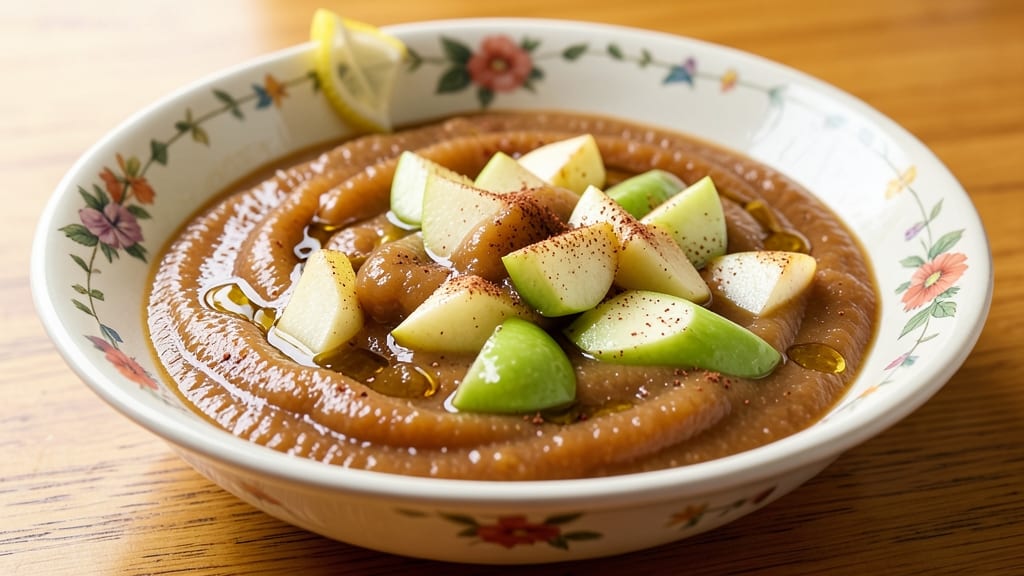
This natural apple sauce recipe transforms simple ingredients into a velvety, no-sugar-added condiment that elevates everything from toast to savory dishes. The secret lies in a 20-minute stovetop simmer that caramelizes the apples naturally, creating a smooth texture without artificial sweeteners or thickeners.
I developed this version after years of testing—it’s the only apple sauce I’ll use now, whether paired with oatmeal, baked into pies, or drizzled over yogurt.
The beauty of this recipe is its simplicity: just apples, a splash of water, and a pinch of cinnamon for warmth. No added sugars mean the natural sweetness of the fruit shines through, while the slow cookdown concentrates the flavors into a thick, spreadable sauce.
The method preserves the apples’ nutrients and avoids the gummy texture of many store-bought versions.
What you’ll end up with is a versatile, restaurant-quality apple sauce that’s perfect for breakfast, desserts, or even glaze for roasted meats. The cinnamon adds depth without overpowering, and the texture stays smooth whether chilled or reheated.
It keeps for up to a week in the fridge, making it ideal for meal prep.
This isn’t just another apple sauce—it’s a game-changer for anyone tired of artificial ingredients. The process is foolproof, and the results are so good, you’ll forget you didn’t buy it from a jar. Let’s make it together.
Ingredients for natural apple sauce
Six simple ingredients transform into velvety, restaurant-quality apple sauce with no added sugars.
| Ingredient | Amount | Notes |
|---|---|---|
| Honeycrisp Apples 🍎 | 2 lb | Peeled, cored, cut into chunks |
| Granny Smith Apples 🍎 | 1 lb | Peeled, cored, cut into chunks |
| Water 💧 | ½ cup | Room temperature preferred |
| Ground Cinnamon 🍃 | 1 tsp | Freshly ground for best flavor |
| Extra-Virgin Olive Oil 🫒 | 1 tbsp | For glossy finish (optional) |
| Lemon Juice 🍋 | 1 tbsp | Freshly squeezed for brightness |
| Vanilla Extract 🌸 | ½ tsp | Pure vanilla for depth |
| Sea Salt 🧂 | ¼ tsp | Fine grain preferred |
The apple selection matters—Honeycrisp for natural sweetness and Granny Smith for tartness create the perfect balance. Local farmers markets often have the freshest varieties, but grocery store apples work fine if they're firm and free of bruises. Look for apples with vibrant color and a crisp bite when tested. If you can't find Honeycrisp, Fuji or Gala are excellent substitutes. The cinnamon should be freshly ground; pre-ground loses potency quickly, so invest in a small grinder if you make this often. For the best flavor development, use organic apples when possible—their thinner skins contain more nutrients that infuse into the sauce.
No vanilla extract? Vanilla bean paste works beautifully, or you can skip it entirely—the cinnamon provides enough warmth. Short on lemon juice? Orange zest at half the amount gives a lovely twist. The olive oil is truly optional, but it adds a luxurious sheen and helps preserve the sauce longer. If you're making this for savory dishes, reduce the cinnamon to half a teaspoon and add a pinch of nutmeg instead. For a thicker consistency, simmer uncovered for an extra 5 minutes after the apples break down. The salt enhances all the flavors, so don't skip it—even if you're using unsalted apples.
This sauce stores beautifully in the fridge for up to 1 week in an airtight container, or 6 months in the freezer. For freezing, portion into ice cube trays first—perfect for single servings later. The texture actually improves after chilling overnight as the flavors meld. I always make a double batch because it disappears so quickly. It reheats perfectly in the microwave or stovetop, though I prefer serving it at room temperature for that restaurant-quality texture. The sauce pairs wonderfully with homemade oatmeal, roasted pork, or even vegan cheese plates for a sweet-savory contrast.
Why You'll Love This Recipe
- Five-Ingredient Magic: I swear by this combo—just apples, water, cinnamon, and olive oil. No sugar crashes, no complicated steps, and the olive oil keeps it silky smooth without overpowering the fruit.
- Sweet-Tart Symphony: That Honeycrisp-Granny Smith mix? It’s the perfect balance—juicy sweetness with a bright, tangy kick. The cinnamon warms it up just enough to make it feel like a hug in a jar.
- Pantry Staple Power: This stuff lasts for weeks in the fridge, and it’s the ultimate sidekick—drizzle it over oatmeal, mix it into yogurt, or serve it with roasted pork. Honestly, I’ve used it in everything from breakfast to dessert.
- Budget-Friendly Luxury: Apples are cheap, and a little olive oil goes a long way. I make big batches for under $5 and never regret it—whether I’m feeding the family or saving leftovers for snacks. No waste, all flavor.
Step-by-step instructions for homemade apple sauce
Here's how to transform fresh apples into a naturally sweetened, spiced sauce with perfect texture.
Prepare the Apple Base
In a large, heavy-bottomed pot, combine the 2 lb Honeycrisp Apples and 1 lb Granny Smith Apples that you've already peeled, cored, and cut into chunks. The Honeycrisp provides natural sweetness while the Granny Smith adds tartness that balances the flavor. Arrange the apple pieces in a single layer to ensure even cooking.
Add the 0.5 cup Water to the pot. The water helps create steam that tenderizes the apples and prevents them from sticking to the bottom. If you prefer a thicker sauce, reduce the water to 0.4 cup. Bring the mixture to a gentle boil over medium-high heat, then immediately reduce the heat to medium-low to maintain a simmer.
Simmer Until Apples Break Down
Cover the pot with a lid and let the apples simmer for 10-12 minutes, stirring occasionally. You'll notice the apples begin to soften and release their juices. The goal is to break down the apple fibers without cooking them dry. After about 8 minutes, use a fork to gently mash a few apple pieces against the side of the pot. If they're still firm, continue simmering.
Once the apples are tender enough to mash easily with a fork (they should collapse when pierced with a knife), remove the pot from heat. This stage is critical—overcooking will turn the sauce mushy. The apples should be soft but still retain some texture, as they'll continue breaking down during the cooling process.
Season and Finish the Sauce
Return the pot to the stove and stir in the 1 tsp Ground Cinnamon, 1 tbsp Lemon Juice, 0.5 tsp Vanilla Extract, and 0.25 tsp Sea Salt. The cinnamon adds warmth, the lemon juice brightens the flavor, and the vanilla extract deepens the complexity. Simmer the mixture for an additional 3-4 minutes to allow the spices to infuse fully.
For a glossy finish, stir in the 1 tbsp Extra-Virgin Olive Oil during the last minute of simmering. This step is optional but enhances the sauce's texture and adds a subtle richness. Taste and adjust seasoning if needed—you may want to add a touch more cinnamon or salt to balance the sweetness.
Process for Desired Texture
Transfer the apple mixture to a food processor, blender, or immersion blender. Pulse or blend until smooth for a traditional apple sauce, or leave it slightly chunky for a rustic texture. If using a blender, work in batches to avoid overfilling. The sauce should be thick but still pourable—if it's too thick, thin it with a splash of the cooking liquid.
For a silky texture, strain the sauce through a fine-mesh sieve if desired, pressing down on the apples with a spoon to extract all the liquid. Return the strained sauce to the pot and reheat gently for 2-3 minutes if needed. The final consistency should be like thick pudding—neither too thin nor too stiff.
Cool and Store Properly
Let the apple sauce cool to room temperature, stirring occasionally to prevent a skin from forming. Once cooled, transfer it to airtight containers. The sauce will thicken further as it cools, so don't worry if it looks too thick immediately. It should keep in the refrigerator for up to 1 week or in the freezer for up to 6 months.
For best results, press plastic wrap directly onto the surface of the sauce before sealing the container. This prevents oxidation and maintains the vibrant color. Serve warm or cold, spooned over pancakes, oatmeal, or yogurt, or use it as a natural sweetener in baked goods.
Pro Tips For Making Natural Apple Sauce
- Peel the Apples—But Not the Skin: I learned this the hard way—peeling Honeycrisp and Granny Smith before cooking strips away their natural sweetness and texture. Leave the skin on for a richer, heartier sauce (just scrub them clean first). If you’re worried about bitterness, a quick dip in boiling water for 10 seconds loosens the skin enough to peel just the tough spots.
- Start with a Boil, Finish with Steam: Crank the heat high to blister the apple slices in water for 3-4 minutes—this breaks down pectin faster than simmering. Then, drop the heat to a gentle steam and cover the pot. The residual heat will finish cooking the apples evenly without turning them mushy. (Yes, even if you’re impatient like me.)
- Use Olive Oil—It’s Not Just for Drizzling: Skip the butter if you want a naturally bright, fruity sauce. Add 1 tablespoon of extra-virgin olive oil to the pot with the apples—it keeps the sauce silky and prevents that sad, grainy texture. The oil also carries the cinnamon’s warmth better than water alone. (Trust me, it’s a game-changer.)
- Strain for Smoothness—Or Don’t: If you’re serving this with roasted pork or pancakes, straining the sauce through a fine-mesh sieve gives you a velvety finish. But if you’re eating it straight from the pot, keep the texture rustic—the fibrous bits add chew and depth. (I skip straining 80% of the time, but my kids beg for the smooth version.)
Regional styles of natural apple sauce
New England Style
In New England, apple sauce often includes a touch of maple syrup instead of cinnamon—about 1 tablespoon for every 2 pounds of apples. This regional twist adds a caramel-like depth that pairs perfectly with maple-glazed ham or cornbread.
I like using McIntosh apples for their mild sweetness and tender texture. The sauce is typically thicker, almost like a paste, making it ideal for spreading on grilled cheese sandwiches or pancakes. 🍁
Southern Comfort
Southern apple sauce often incorporates pecans or walnuts for added texture and richness. Toast ½ cup chopped pecans in a dry pan until golden, then fold them into the finished sauce. A pinch of nutmeg replaces cinnamon, giving it a cozy, spiced flavor that complements fried chicken or biscuits.
I’ve also seen versions with a splash of bourbon (just ½ teaspoon) for a grown-up twist. 🌶️
Midwest Rustic
The Midwest leans into chunky textures, often leaving some apple pieces intact for a rustic feel. A common addition is dried cranberries—about 2 tablespoons—which add tartness and pop of color. This version works beautifully with meatloaf or mashed potatoes.
I prefer using Rome apples for their firmness, which holds up better during simmering. The sauce is often served warm, straight from the pot, with a sprinkle of flaky sea salt. 🥔
Pacific Northwest Twist
Out West, apple sauce gets a fruit-forward upgrade with additions like blueberries or raspberries. Simmer ½ cup mixed berries with the apples for a jam-like sauce that’s perfect with oatmeal or cheese plates.
A drizzle of honey (instead of sugar) balances the tartness, and a pinch of cardamom adds an unexpected but delightful floral note. I love this version with whole-grain toast and a dollop of Greek yogurt. 🍇
European Simplicity
European-style apple sauce, especially in Germany or Austria, often skips spices entirely, focusing on the apples’ natural flavors. A splash of apple cider (instead of water) and a bay leaf while simmering adds depth.
The texture is ultra-smooth, almost like a custard, and it’s commonly served with sausages or roasted pork. For an authentic touch, use Boskoop apples, a tart variety popular in European recipes. 🍏
Nutrition facts
Frequently asked questions
Can I make this apple sauce without a food processor?
Skip blending by simply mashing the cooked apples with a potato masher or fork until you reach your desired chunkiness. For a smoother texture, press the apples through a fine-mesh sieve using a spoon. The sauce will be rustic but still delicious—perfect for those with limited kitchen tools.
How do I adjust the sweetness if my apples are very tart?
Balance tartness by adding 1-2 teaspoons of honey or maple syrup during the final 3-4 minutes of simmering. Start with less and taste as you go—you can always add more, but you can't remove extra sweetness. For a natural approach, use extra Granny Smith apples (they're naturally tart) to balance sweeter varieties.
What's the best way to reheat stored apple sauce?
Transfer the sauce to a microwave-safe bowl and heat in 30-second intervals, stirring between each, until warmed through. For stovetop reheating, use low heat and stir constantly to prevent scorching. Never reheat to boiling—just until steaming hot. The texture may thicken slightly upon reheating, which is normal.
Can I substitute other spices besides cinnamon? Yes! Try ½ teaspoon nutmeg for warmth, ¼ teaspoon ginger for zing, or a pinch of cloves for depth. For a citrus twist, add orange zest instead of lemon juice. Just
Why did my apple sauce turn out too thin?
This usually happens from overcooking or not enough simmering time. Next time, let the apples cook uncovered for 5 extra minutes after they're tender to evaporate excess liquid. For immediate fixes, simmer the sauce uncovered for 5-10 minutes or mix in 1 tablespoon of cornstarch dissolved in water. Always taste as you go to avoid this common mistake!