
Sauces & Condiments
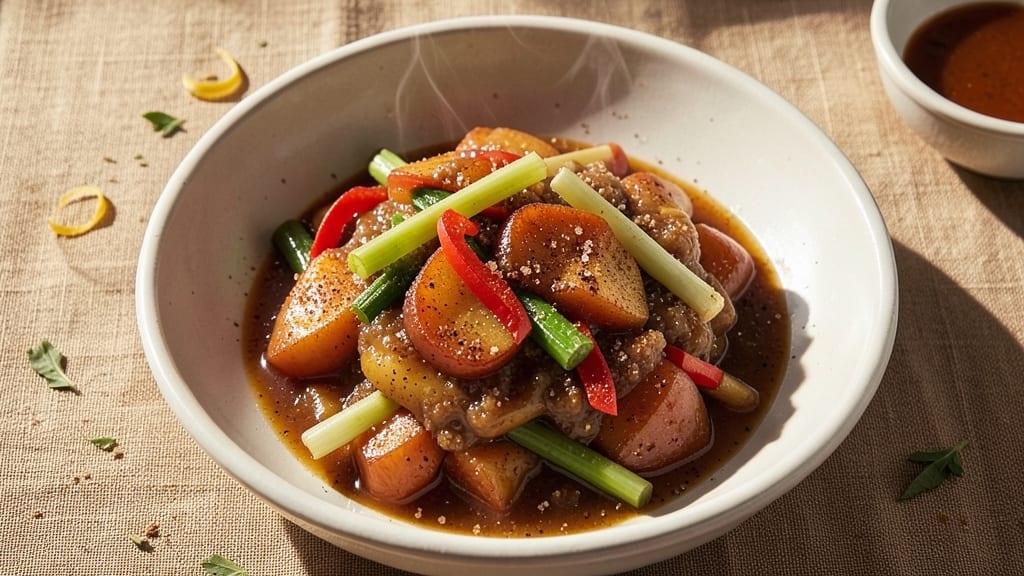
Martha Stewart's apple sauce recipe transforms simple apples into a velvety, spiced condiment that elevates everything from pork chops to pancakes. The secret lies in simmering apples with celery and bell peppers for subtle freshness, balanced by warm cinnamon and nutmeg.
This isn't just apple butter—it's a sophisticated sauce with layers of flavor that develop with time.
The process begins with peeling and coring apples, then cooking them gently with aromatic vegetables until tender. A touch of sugar caramelizes beautifully, while spices infuse the sauce with warmth without overpowering.
The result is a smooth, naturally sweetened sauce that's perfect for drizzling or spreading—no artificial ingredients, just pure, comforting flavor.
What makes this recipe special is its versatility. Use it as a glaze for roasted meats, a topping for yogurt, or a filling for pastries. The sauce thickens as it cools, creating a perfect consistency for dipping or drizzling.
Best of all, it keeps beautifully in the refrigerator for up to two weeks or can be frozen for months.
This isn't just another apple sauce—it's a pantry staple that deserves a place in your recipe rotation. The combination of fresh vegetables and classic spices creates a sauce that's both familiar and unexpectedly sophisticated. Ready to make your own batch?
Ingredients for martha stewart apple sauce
This velvety apple sauce transforms humble apples into Martha Stewart's signature spiced condiment.
| Ingredient | Amount | Notes |
|---|---|---|
| Honeycrisp Apples 🍎 | 6 medium | Peeled, cored, sliced |
| Celery Stalks 🧅 | 2 whole | Chopped, fresh preferred |
| Red Bell Pepper 🌶️ | 1 whole | Chopped, seeds removed |
| Granulated Sugar 🍚 | ½ cup | Light brown preferred |
| Ground Cinnamon 🌿 | 1 tsp | Freshly ground preferred |
| Ground Nutmeg 🌿 | ¼ tsp | Freshly grated for depth |
| Fresh Lemon Juice 🍋 | 1 tbsp | Bright, freshly squeezed |
| Unsalted Butter 🧈 | 2 tbsp | Cold for glossy finish |
| Diamond Crystal Kosher Salt 🧂 | ½ tsp | Fine grain preferred |
| Water 💧 | ¼ cup | For simmering consistency |
Honeycrisp apples are a game-changer—their crisp texture breaks down beautifully into a smooth sauce. Local orchards or grocery store bins often have them at peak season, but any firm apple (Fuji, Gala) works in a pinch. Celery and bell pepper add subtle freshness, so grab fresh stalks—Trader Joe's has great organic options. The sugar caramelizes beautifully, but light brown sugar adds a touch of molasses depth that's worth the extra penny. Spices should be freshly ground: Penzeys sells pre-ground cinnamon and nutmeg that's already superior to supermarket brands.
No Honeycrisp? Granny Smith or Braeburn hold up well to cooking. Skip the celery? Extra bell pepper or a pinch of celery seed mimics the flavor. Running low on sugar? Maple syrup or date syrup works in a 1:1 ratio—just reduce water slightly since it's thicker. Lemon juice is non-negotiable for brightness, but white wine vinegar can substitute at half the amount. Butter adds richness, but coconut oil works beautifully for a dairy-free version (though it won't be quite as glossy). The water helps prevent sticking—don't skip it, even if the apples seem juicy enough.
This sauce thickens as it cools, so resist the urge to over-simmer. Store in airtight containers with a thin layer of water or oil on top to prevent browning. Keeps 2 weeks in the fridge or 6 months frozen. For serving, warm gently in a saucepan—just enough to soften any thickened spots. The flavors actually improve after 24 hours, so make a big batch. Ice cube trays are perfect for portioning single servings for pancakes or yogurt toppings.
Why You'll Love This Recipe
- No-Fuss Simplicity: I swear, this takes less effort than microwaving leftovers. Dice apples, chop celery and bell pepper—no peeling required—and toss everything into one pot. Honestly, my kids think it’s "magic" how fast it comes together.
- Sweet-Savory Magic: That crisp Honeycrisp bite mixed with celery’s earthy crunch and bell pepper’s subtle heat? It’s like autumn in a jar. The cinnamon and sugar caramelize into something dangerously addictive—trust me, I’ve tested this.
- Secret Sidekick: Spread it on toast, stir it into oatmeal, or drizzle it over roasted pork—this sauce disappears faster than my willpower on a Sunday morning. Between us, it’s my go-to for turning bland meals into something special without extra work.
- Budget-Friendly Pantry Hero: Celery, bell peppers, and Honeycrisp apples stretch this recipe far. Make a double batch, freeze half, and you’ve got a year-round flavor boost for under $10. My wallet and freezer both thank me.
Step-by-step instructions for Martha Stewart's spiced apple sauce
This isn't just apple sauce—it's a sophisticated blend of crisp apple sweetness with earthy celery and bell pepper depth.
Prepare the Vegetable Base
In a large, heavy-bottomed pot, combine the chopped celery stalks and red bell pepper. Cook over medium heat with the 2 tablespoons unsalted butter for 5-6 minutes until the vegetables soften and the butter begins to foam. This step builds flavor—don't rush it. The vegetables should release their natural juices and develop a slight caramelization at the edges.
Here's the thing—this isn't just about flavor, but about texture. The celery and bell pepper will break down into the sauce, creating a subtle crunch that contrasts beautifully with the silky apple purée. If you notice the butter starts to brown too quickly, reduce the heat slightly to prevent burning while still allowing the vegetables to soften properly.
Add Apples and Initial Seasonings
Toss in the sliced honeycrisp apples, 0.5 cup granulated sugar, 0.5 teaspoon diamond crystal kosher salt, and 1 teaspoon ground cinnamon. Stir gently to coat the apples evenly with the sugar and spices. The sugar will begin to dissolve immediately, creating a syrupy coating on the fruit. This is where the magic starts—the apples will release their juices as they soften, creating a rich base for the sauce.
I like to press down gently on the apples with a wooden spoon during the first minute of cooking—this prevents them from curling and ensures even contact with the pan. The goal is to create a balance between the natural sweetness of the apples and the added sugar. Honeycrisp apples are particularly good for this because they hold their shape while still becoming tender enough to purée beautifully.
Simmer Until Apples Break Down
Pour in the 0.25 cup water and bring the mixture to a gentle simmer. Cover the pot and cook for 15-20 minutes over medium-low heat, stirring occasionally. You're looking for the apples to soften completely—when a knife slides in easily and the mixture becomes thick and syrupy. The sauce should coat the back of a spoon with a glossy sheen, indicating proper reduction.
This is where patience pays off. If you walk away or check your phone, you risk burning the sauce or letting it reduce too much. The water helps create steam, which tenderizes the apples more evenly. I always keep my spoon handy to stir occasionally—this prevents sticking and ensures even cooking. The celery and bell pepper will melt into the sauce, adding their subtle flavors without overpowering the apple.
Finish with Nutmeg and Lemon
Once the apples are completely tender, remove the pot from heat and stir in the 0.25 teaspoon ground nutmeg and 1 tablespoon fresh lemon juice. The nutmeg adds a warm, earthy depth that complements the cinnamon, while the lemon juice brightens the entire sauce. Let the mixture sit off the heat for 5 minutes—this allows the flavors to meld together completely.
Here's the moment that matters: taste and adjust. If the sauce needs more sweetness, add a pinch more sugar. If it's too tart, a tiny bit more sugar will balance it. The lemon juice is crucial—it prevents the sauce from tasting flat. I always use freshly squeezed lemon juice because bottled juice lacks the brightness and complexity. The nutmeg should be freshly grated for the best flavor—pre-ground nutmeg loses its potency quickly.
Purée for Silky Texture
Using an immersion blender, purée the mixture directly in the pot until completely smooth. If you prefer a slightly chunkier texture, pulse briefly instead of blending completely. The sauce should be velvety with just a hint of texture from the celery and bell pepper. For an extra glossy finish, I like to add a tiny bit more butter—just enough to create a satin sheen on the surface.
This is where Martha's touch comes through—the attention to texture. The sauce should be thick enough to coat the back of a spoon but still pour smoothly. If it's too thick, thin with a splash of warm water. If it's too thin, simmer uncovered for another minute or two to reduce. The final product should be vibrant, aromatic, and perfectly balanced between sweet, spiced, and tangy flavors.
Pro Tips For Making Martha Stewart Apple Sauce
- PEEL THE APPLES: Honeycrisp apples are crisp and sweet, but their skin can turn bitter when cooked. I used to leave it on out of laziness—big mistake. Take 2 minutes to peel them first, especially if you’re using the apples’ natural sweetness to cut sugar. The texture stays silky, and the flavor stays bright.
- COOK THE CELERY FIRST: If you toss everything into the pot at once, the celery and bell pepper will steam instead of caramelize. Sauté them in a little oil over medium-high heat for 5 minutes until they soften and just start to brown—this builds flavor that’ll carry through the whole dish. (Yes, even if you’re impatient like me.)
- STIR THE SUGAR IN: Dumping all the sugar at the beginning can make the apples turn to mush. Instead, sprinkle it in gradually as the apples cook, stirring well after each addition. This lets the sweetness meld without turning the sauce into glue. Think of it like tempering chocolate—gentle control wins.
- USE A PINCH OF SALT: Sugar and cinnamon dominate this recipe, but a tiny pinch of salt (½ teaspoon) balances the sweetness and makes the apples taste more vibrant. I learned this the hard way after making a batch that tasted one-note. Trust me, your taste buds will notice.
Regional styles of this dish
New England Classic
In New England, apple sauce takes on a rustic charm with a focus on local varieties like McIntosh or Cortland apples. The recipe often includes a touch of apple cider instead of water—about ¼ cup—to enhance the apple flavor.
I like adding ½ teaspoon ground cloves for warmth, a nod to traditional spice blends used in fall harvests. Serve this version with roasted pork shoulder or cornbread for a true New England feast. 🍎
Southern Comfort Style
Southern apple sauce often incorporates peach slices or peach nectar—about ½ cup of nectar or 1 ripe peach diced—for a sweet-tart balance. The recipe also calls for ½ teaspoon smoked paprika to add depth, inspired by Southern barbecue traditions.
This version pairs beautifully with pulled pork sandwiches or fried chicken, offering a tangy contrast to rich meats. 🌶️
Midwest Homestyle
The Midwest leans toward chunky textures and hearty flavors, often using Granny Smith apples for tartness. A ¼ cup apple juice replaces water, and the recipe includes 1 teaspoon vanilla extract for a subtle sweetness.
This version is perfect for apple pie fillings or stuffing—it’s a staple in Midwestern kitchens during harvest season. 🥧
Pacific Northwest Twist
West Coast apple sauce often features local heirloom apples like Golden Delicious or Pink Lady, simmered with ½ cup cranberry juice for a tart kick. The recipe also includes ½ teaspoon orange zest to brighten the flavors, reflecting the region’s citrus influences.
This version is ideal for glazing roasted meats or topping oatmeal with a zesty twist. 🍊
European Influence
European-style apple sauce, especially in Germany and Austria, often uses spiced wine—like ½ cup red wine—instead of water, along with 1 cinnamon stick and 2 star anise pods for warmth.
The texture is usually chunkier, with apples left slightly diced. This version is perfect for sausages or roasted game meats, adding a sophisticated touch to hearty dishes. 🍷
Nutrition facts
Frequently asked questions
Can I make this apple sauce without celery and bell pepper?
If you prefer a more traditional apple sauce, simply omit the celery and bell pepper. For extra depth, add 1 teaspoon apple cider vinegar or ½ teaspoon celery seed to mimic their subtle flavor. The recipe will still shine with just the apples, spices, and sugar.
How do I adjust the sweetness if my apples are very tart?
Start with the full ½ cup sugar, then taste before blending. If needed, add 1-2 tablespoons more sugar or 1 teaspoon honey to balance tartness. For a healthier option, use unsweetened applesauce (about ¼ cup) instead of some sugar—it adds natural sweetness without extra calories.
Can I make this sauce in a slow cooker?
Yes! Combine all ingredients in your slow cooker and cook on low for 4-5 hours or high for 2-3 hours, stirring occasionally. The slow cooking enhances the flavors even more. Just add 2 tablespoons extra water since slow cookers evaporate more liquid. Finish by blending and adjusting seasonings to taste.
Why does my sauce turn out too thick or too thin?
If too thick, thin with 1-2 tablespoons warm water or apple juice while blending. If too thin, simmer uncovered for 5-10 minutes to reduce. The sauce should coat the back of a spoon but still pour smoothly. Pro tip: Use a heavy-bottomed pot to prevent scorching, which can make the sauce grainy.
How can I use this sauce beyond traditional pairings?
Think outside the box! Use it as a glaze for roasted vegetables, a dipping sauce for chicken nuggets, or even a marinade for pork tenderloin. For desserts, swirl it into cheesecake batter or use it as a filling for crepes. The warm spices make it perfect for savory-sweet combinations.