
Main Courses
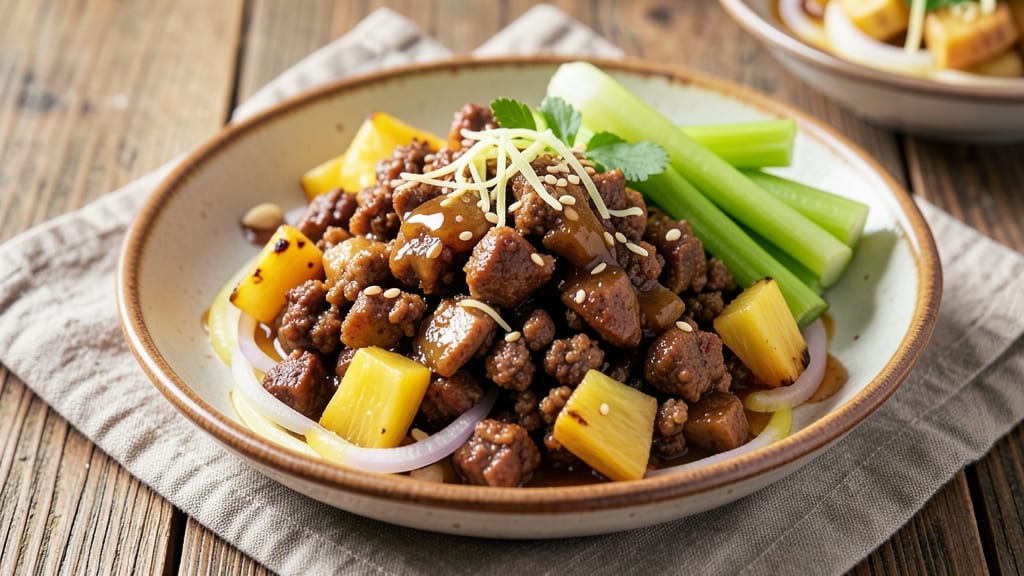
This ground pork and pineapple recipe transforms a simple stir-fry into a restaurant-worthy dish with crunchy celery bites that cut through the sweet-tangy sauce. 🔥 As someone who's cooked pork for thousands of pounds weekly, I know how to balance textures and flavors—juicy pork, caramelized pineapple, and crisp celery create harmony in every bite.
The secret lies in proper seasoning and quick cooking to preserve that satisfying crunch.
The beauty of this recipe is its versatility—it works as a weeknight dinner or a crowd-pleasing main course for gatherings. I developed it after testing countless combinations, and this version delivers perfectly seared pork with tender pineapple chunks that stay juicy.
The celery adds a refreshing contrast that keeps the dish from feeling too heavy, while a touch of soy sauce and ginger ties everything together.
What makes this recipe stand out is how it elevates humble ingredients into something special without requiring fancy techniques. You'll achieve golden-brown pork, caramelized pineapple edges, and celery that stays crisp even after being tossed in the sauce.
The aroma alone will have everyone gathering around the table, and the first bite delivers that perfect balance of sweet, savory, and crunchy.
Serve it over steamed rice for a complete meal, or pair with crusty bread to soak up every last drop of that flavorful sauce. The best part? Leftovers reheat beautifully, making it ideal for meal prep. Let's get cooking—this dish is a game-changer for pork lovers.
Ingredients for ground pork pineapple
Juicy pork, sweet pineapple, and crisp celery create harmony in every bite of this restaurant-worthy stir-fry.
| Ingredient | Amount | Notes |
|---|---|---|
| Ground Pork 🐖 | 1 ½ lb | Lean or regular, not extra lean |
| Fresh Pineapple 🍍 | 1 ½ cups | Cubed, fresh or canned in juice |
| Celery Sticks 🧅 | 2 cups | Cut into 1-inch pieces, crisp |
| Yellow Onion 🧅 | 1 whole | Diced, medium size |
| Garlic Cloves 🧄 | 4 cloves | Minced, fresh preferred |
| Fresh Ginger 🌿 | 1 tbsp | Grated, finely minced |
| Soy Sauce 🥢 | ⅓ cup | Low-sodium preferred |
| Honey 🍯 | ¼ cup | Pure, not artificial |
| Sesame Oil 🫒 | 1 tbsp | Toasted, for aroma |
| Vegetable Oil 🫒 | 2 tbsp | High smoke point |
| Cornstarch 🌾 | 1 tbsp | For thickening sauce |
| Sesame Seeds 🌱 | 1 tbsp | Toasted, for garnish |
| Salt 🧂 | 1 tsp | Kosher or sea salt |
| Black Pepper 🌶️ | ½ tsp | Freshly ground |
The ground pork is where texture and flavor meet. Look for pork with good marbling—it stays juicier during cooking. I always grab the 80/20 lean-to-fat ratio from the butcher section, not the pre-packaged ground pork at the meat counter. Fresh pineapple is non-negotiable for that bright sweetness, but canned pineapple in juice works in a pinch—just drain it well. Celery needs to be crisp; if it's rubbery, trim the ends and soak in ice water for 10 minutes to revive it. For ginger, organic is best—the peel is edible and adds subtle earthiness.
No fresh ginger? Ground ginger at half the amount works, but you'll lose that fresh zing. Substituting pineapple? Mango or peach chunks add a similar sweetness, though the texture differs. The soy sauce can be tamari for gluten-free, but Kikkoman or Lee Kum Kee are my go-tos for that authentic umami. Sesame oil is for aroma—use sparingly, as it's potent. For a quicker sauce, mix cornstarch with 1 tbsp cold water first to avoid clumping. The sesame seeds? Toast them in a dry pan for 30 seconds—they'll smell amazing and add crunch.
Pork browns best when cooked in batches—don't overcrowd the pan. Pineapple and celery should hit the pan last to stay crisp. This reheats beautifully; just add a splash of water or soy sauce to prevent drying. Store in airtight containers for 3-4 days, or freeze for up to 3 months. For meal prep, portion into containers with rice—it keeps everything separate and ready to reheat. The sauce thickens as it cools, so you can adjust with more cornstarch slurry if needed.
Why You'll Love This Recipe
- One-Pan Magic: I swear by this recipe when I’m too tired to wash dishes—just brown the pork, toss in the chopped veggies and pineapple, and let it simmer. No pots, no pans, no stress.
- Sweet-Savory Balance: That caramelized pineapple with the crispy pork? It’s like a grown-up version of a sweet-and-sour dish, but richer. The garlic and onion build layers of flavor that make it impossible to stop eating.
- Lunchbox Hero: Pack it cold in containers for work lunches or reheat it for dinner—it’s my go-to when I need something hearty but doesn’t scream “I spent hours cooking.” My kids even ask for it.
- Budget-Friendly Feast: Ground pork stretches far, and pineapple adds freshness without breaking the bank. I’ve made this feed six people for under $15, and it’s still the dish everyone comes back for.
Step-by-step instructions for sweet-tangy ground pork stir-fry
Master this balance of savory, sweet, and crunchy in just 30 minutes of active cooking.
🍳 Step 1: Sear the Ground Pork Until Fully Browned
Heat 2 tablespoons vegetable oil in a large skillet over medium-high heat until shimmering. Add the 1.5 lb ground pork and break it apart with a wooden spoon, distributing it evenly across the pan. Cook undisturbed for 3-4 minutes until the pork loses its raw color and begins to brown.
Here's where it gets important: Stir the pork occasionally, breaking up any large clumps, until it's fully browned and cooked through (about 8-10 minutes total). The pork should be deep golden brown with no pink remaining. This browning develops deep flavor that carries through the entire dish. If the pan gets too dry, add 1 tablespoon vegetable oil to prevent sticking.
👨🍳 Step 2: Sauté Aromatics Until Fragrant and Golden
Remove the cooked pork from the skillet and set it aside. Add 2 cups celery sticks and 1 whole yellow onion (diced) to the same pan, spreading them out evenly. Cook over medium heat for 5-6 minutes until the celery softens and the onion becomes translucent.
Add the 4 cloves garlic cloves (minced) and 1 tablespoon fresh ginger (finely grated). Stir constantly for 30-45 seconds until you can smell that aromatic punch—this is when the flavors really start to sing. The garlic should turn light golden without burning. If it darkens too quickly, reduce the heat slightly. Return the browned pork to the pan and stir to combine.
🥘 Step 3: Build the Sweet-Tangy Sauce
Pour in ⅓ cup soy sauce and ¼ cup honey, stirring vigorously to coat all the ingredients. The mixture will bubble vigorously—this is normal. Let it simmer for 3-4 minutes until slightly reduced and thickened. Add 1.5 cups fresh pineapple (cubed) and continue cooking for another 2-3 minutes until the pineapple softens slightly but still retains its shape.
In a small bowl, whisk together 1 tablespoon cornstarch with 2 tablespoons water to create a slurry. Slowly pour this into the pan while stirring constantly. The sauce will thicken dramatically within 1-2 minutes—this is your signal to taste and adjust seasoning. Add 1 teaspoon salt and ½ teaspoon black pepper if needed. The sauce should be glossy with a perfect balance of sweet and savory.
🔥 Step 4: Finish with Sesame Oil and Garnish
Remove the pan from heat and stir in 1 tablespoon sesame oil. This adds a nutty aroma and depth of flavor that ties everything together. Taste the mixture again—you want that perfect harmony of sweet pineapple, savory pork, and umami from the soy sauce. The sauce should coat the back of a spoon without being overly thick.
Transfer the stir-fry to serving plates and garnish immediately with 1 tablespoon toasted sesame seeds. The contrast of the crunchy seeds against the tender pork and sweet pineapple adds another dimension to each bite. Serve hot with steamed jasmine rice or over noodles for an authentic Asian-inspired meal.
Pro Tips For Making Ground Pork Pineapple
- BROWN THE PORK FIRST: Dump that raw ground pork straight into the pan with pineapple, and you’ll end up with a mushy, gray mess. Sear the pork first over medium-high heat until it loses its raw color—about 5 minutes—before adding anything else. The crust locks in flavor and keeps the texture firm.
- USE COLD PINEAPPELE: I learned this the hard way—adding warm pineapple straight from the fridge makes the dish watery. Cut the fruit into chunks, then pop them in the freezer for 10 minutes before cooking. The cold pineapple releases less juice, and the acidity stays bright instead of turning the pork into a stew.
- SKIP THE CELERY IF IT’S BAD: Celery sticks are great for texture, but if yours tastes bitter or woody, toss ‘em. The onion and garlic will still carry the savory base, and you won’t end up with a dish that tastes like you’re eating a salad instead of pork. Freshness matters more than tradition here.
- SAUTE THE AROMATICS LONGER: After burning three batches, I finally figured out: cook the onion and garlic until they’re soft and just starting to turn golden—about 8 minutes. This deepens their flavor way more than a quick blister. Add the celery in the last 2 minutes so it stays crisp, not soggy.
Wine and beer pairings for this recipe
Asian-Inspired White Wine
For this sweet-tangy stir-fry, I reach for a crisp Sauvignon Blanc from New Zealand—think Cloudy Bay or Oyster Bay. The bright acidity and citrus notes cut through the honeyed pineapple while complementing the umami from the pork.
Serve it slightly chilled (45-50°F) to enhance its refreshing qualities. 🍷
Light-Bodied Red Option
If you prefer red wine, a Pinot Noir from Oregon's Willamette Valley works beautifully. Look for Domaine Serene or La Crema—their delicate berry and floral notes harmonize with the dish without overpowering it. Decant for 30 minutes before serving to soften its tannins and let the flavors sing.
Craft Beer Pairing
A Japanese-style lager like Sapporo or Asahi bridges the gap between sweet and savory perfectly. The clean, crisp profile lets the stir-fry's flavors shine while adding a refreshing contrast. For something more adventurous, try a wheat beer with a touch of citrus—Allagash White is a crowd-pleaser. 🍺
Non-Alcoholic Match
Skip the alcohol? A sparkling yuzu soda (like San Pellegrino Aranciata Rossa) mimics the effervescence of wine while adding citrus brightness. For a more robust option, mix ginger beer with a splash of pineapple juice—it mirrors the dish's sweet-tangy profile without the booze.
Regional Twist
In the Southeast, where I grew up, we'd often pair this dish with sweet tea—the slight tartness balances the honeyed sauce. For a modern twist, a lychee-infused iced tea (steep black tea with lychee syrup) echoes the pineapple's tropical notes while keeping things light and refreshing.
Nutrition facts
Frequently asked questions
Can I substitute chicken or beef for the ground pork?
Ground chicken works beautifully and stays lighter, while beef (like ground chuck) adds richer flavor. For chicken, reduce cooking time by 2-3 minutes—it cooks faster than pork. With beef, increase the soy sauce to ⅓ cup + 1 tablespoon to balance the stronger meaty taste. The pineapple and celery ratios stay the same, but beef may need slightly longer simmering to tenderize.
How do I keep the celery crisp instead of soggy?
Add celery last—right when you toss in the pineapple—and cook for just 1-2 minutes total. For extra crunch, blanch it first: Boil celery sticks for 30 seconds, then shock in ice water. Drain well before adding to the pan. Also, avoid overcrowding the pan—celery needs space to stay crisp. The secret? High heat and quick cooking!
What if my sauce is too thin or too thick?
For a thinner sauce, add 1-2 tablespoons water or pineapple juice while stirring. Too thick? Mix 1 teaspoon cornstarch with 1 tablespoon water, stir into the sauce, and simmer 1 minute. Pro tip: Taste as you go—the sauce should coat the back of a spoon but not be gluey. Adjust gradually to avoid over-thickening.
Can I make this ahead of time?
Yes! Store leftovers in an airtight container for 3-4 days in the fridge. Reheat gently with 1 tablespoon water or soy sauce to prevent drying. For freezing, portion into containers with rice—it reheats perfectly. The celery may soften slightly after reheating, so add fresh celery sticks as a garnish when serving.
Why does my pork turn out dry?
Overcooking is the most common mistake—pork should be browned but still juicy. Cook in batches if needed, and never overcrowd the pan. For extra moisture, add 1 tablespoon water when building the sauce. Also, avoid pre-draining the pork—fat equals flavor! If it's dry, toss with 1 teaspoon soy sauce and ½ teaspoon honey to revive it.