
Salads
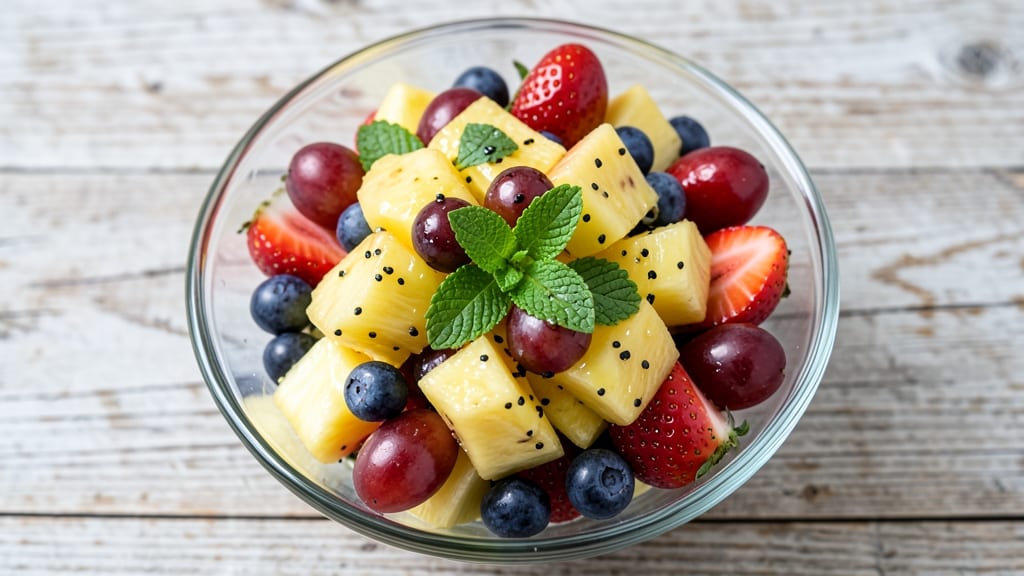
This fresh pineapple fruit salad recipe transforms simple ingredients into a vibrant, juicy tropical masterpiece that brightens any table. The secret lies in perfectly ripe pineapple—its natural sweetness and crisp texture become the star when paired with complementary fruits like berries or citrus.
I developed this recipe after realizing how much more refreshing homemade fruit salad tastes compared to store-bought versions, especially during summer gatherings.
The beauty of this salad is its simplicity—just a few ingredients that come together in minutes, yet deliver restaurant-quality presentation. You'll need ripe pineapple (the key to that perfect balance of sweetness and tartness), plus your choice of complementary fruits like strawberries, blueberries, or mango.
A light citrus dressing ties everything together without overpowering the natural flavors, while fresh mint adds a sophisticated touch.
What makes this recipe truly special is how it maintains that juicy crunch while keeping the fruit fresh and vibrant. The pineapple's natural enzymes help tenderize the other fruits slightly, creating a harmonious texture that's both refreshing and satisfying.
This isn't just a side dish—it's a celebration of summer flavors that will have everyone reaching for seconds.
Perfect for picnics, potlucks, or as a light dessert, this fruit salad stays fresh for up to 24 hours in the refrigerator. The presentation is just as important as the taste—arrange the colorful fruits in an appealing pattern and garnish with fresh mint leaves for an elegant finish.
Here's how to create this tropical delight that tastes like a vacation in every bite.
Ingredients for fresh pineapple fruit salad
Six vibrant ingredients create this tropical masterpiece with restaurant-quality presentation and juicy crunch.
| Ingredient | Amount | Notes |
|---|---|---|
| Fresh Pineapple 🍍 | 2 cups | Diced, ripe and juicy |
| Strawberries 🍓 | 1 lb | Hull and slice |
| Blueberries 🫐 | 1 cup | Fresh or frozen |
| Red Seedless Grapes 🍇 | 1 cup | Halved |
| Fresh Mint Leaves 🌿 | ¼ cup | Chopped, for garnish |
| Lime Juice 🍋 | ¼ cup | Freshly squeezed |
| Orange Juice 🍊 | ¼ cup | Freshly squeezed |
| Honey 🍯 | 2 tbsp | For subtle sweetness |
| Granulated Sugar 🍚 | 1 tbsp | Optional, adjust to taste |
| Extra-Virgin Olive Oil 🫒 | 1 tbsp | For light dressing |
| Salt 🧂 | ¼ tsp | Fine sea salt |
The pineapple is non-negotiable here—look for yellow with a hint of green at the base, which indicates peak ripeness. Whole Foods or specialty markets often carry the sweetest varieties, but any ripe pineapple works. Avoid those with brown spots or overly soft areas. For convenience, pre-cut pineapple from the produce section is fine, but it lacks that fresh-from-the-core juiciness. The strawberries should be firm yet yielding—organic berries from local farmers' markets have the best flavor. Blueberries should be deep blue with a slight dusting of frost, indicating freshness.
No fresh mint? Substitute with basil or cilantro for a different but equally vibrant flavor profile. Short on grapes? Green grapes or kiwi slices add a nice contrast. The citrus dressing can be adjusted—more lime for tartness, more orange for sweetness. If you prefer a sweeter salad, increase the honey to 3 tbsp or add 1 tbsp maple syrup. For a lighter touch, reduce the sugar entirely and rely on the natural sweetness of the fruits. The olive oil is optional but adds a lovely richness that balances the acidity of the citrus.
This salad stays freshest when stored in an airtight container with a paper towel to absorb excess moisture. Keeps for up to 24 hours in the refrigerator, though the texture may soften slightly after 12 hours. For best presentation, arrange the fruits in concentric circles—pineapple in the center, berries and grapes surrounding it, with mint leaves sprinkled on top. Garnish with lime zest for an extra pop of color. If prepping ahead, hold the dressing separate until ready to serve to maintain that perfect juicy crunch.
Why You'll Love This Recipe
- No-Knife Nightmare: I swear, the pineapple and grapes do most of the work here—just halve the fruit and tear the mint. Strawberries? Slice them thick or thin, no judgment. Honestly, I’ve made this while scrolling through my phone, and it still looks intentional.
- Sweet-Tart Magic: That first bite of juicy pineapple with the bright pop of strawberries and the deep purple burst of blueberries? It’s like summer in a bowl, but the mint ties it all together with a fresh whisper. Between us, the grapes add this perfect chewy contrast that makes it ridiculously good.
- Party in a Bowl: Bring this to a BBQ, potluck, or even as a side for brunch—it’s the kind of dish that disappears fast. I’ve served it chilled at picnics and at room temp for office parties, and no one bats an eye. (Yes, even on a Tuesday night when you forget to plan.)
- Zero-Waste Winner: The leftovers? Still fresh for days if you store them right. I’ve had this salad last me four days, and the flavors only get better as the pineapple softens slightly. Plus, you’re using up those half-eaten grapes and strawberries before they go bad—talk about budget-friendly.
Step-by-step instructions for fresh pineapple fruit salad
This tropical fruit salad delivers vibrant flavors and perfect texture balance every time.
Prep and Combine the Base Fruits
Start by cutting the 2 cups fresh pineapple into ½-inch dice, removing any tough core pieces. The pineapple should be fully ripe—press a piece gently; if it yields slightly, it's perfect. In a large mixing bowl, combine the pineapple with the 1 lb hulled and sliced strawberries and 1 cup blueberries. Gently fold these together, being careful not to crush the berries.
Next, add the 1 cup halved red seedless grapes to the bowl. The grapes should remain whole to provide that satisfying crunch. Give everything a light toss with a silicone spatula to distribute the fruits evenly. This initial combination creates the foundational texture contrast—juicy pineapple, tender strawberries, and the slight resistance of grapes and blueberries.
Create the Citrus-Honey Dressing
In a small bowl, whisk together the 0.25 cup freshly squeezed lime juice, 0.25 cup freshly squeezed orange juice, 2 tbsp honey, 1 tbsp granulated sugar, 1 tbsp extra-virgin olive oil, and 0.25 tsp fine sea salt. The citrus juices should be freshly squeezed for maximum brightness. Whisk until the honey and sugar dissolve completely, creating a glossy, aromatic liquid.
Taste the dressing before adding it to the fruit. It should balance tartness from the citrus with sweetness from the honey and sugar. The olive oil adds a silky mouthfeel that prevents the dressing from separating. If you prefer a sweeter salad, add an extra ½ tbsp honey; for more tartness, increase the citrus by 1 tbsp. This dressing transforms the fruit salad from simple to extraordinary.
Toss and Chill for Optimal Freshness
Pour the dressing over the fruit mixture in the mixing bowl and gently fold everything together with the silicone spatula. The goal is to coat each piece lightly without mashing the berries or grapes. Work quickly—citrus dressings can start to break down the fruit's texture if left too long. Once combined, transfer the salad to an airtight container or large serving bowl.
Cover the bowl and refrigerate for at least 30 minutes before serving. This chilling time allows the flavors to meld and the dressing to penetrate the fruit. The salad should be served cold—this enhances the juiciness of the pineapple and strawberries while keeping the grapes crisp. If you're prepping ahead, this fruit salad keeps well in the refrigerator for up to 2 days, though the texture of the grapes may soften slightly over time.
Garnish and Serve with Confidence
Just before serving, sprinkle the 0.25 cup chopped fresh mint leaves over the top of the salad. The mint adds a refreshing herbal note that cuts through the sweetness and complements the tropical flavors. Use a pair of kitchen shears to chop the mint finely—this ensures even distribution without overpowering the fruit.
Serve the fruit salad immediately in individual bowls or as a shared platter. The presentation should be vibrant, with the reds, greens, and yellows of the fruit standing out. Each bite should deliver a perfect balance of juicy pineapple, tart citrus, and a touch of honey-sweetness, with the crunch of grapes providing texture contrast. For an extra touch, serve with a sprinkle of toasted coconut flakes or a dollop of Greek yogurt for added creaminess.
Pro Tips For Making Fresh Pineapple Fruit Salad
- CHILL THE PINEAPPLE FIRST: I learned this the hard way—cutting pineapple straight from the fridge makes it release juice like a water balloon. Let it sit at room temperature for 20-30 minutes before slicing, and you’ll get cleaner cuts and less soggy fruit. (Yes, even if you’re impatient like me.)
- HALVE THE STRAWBERRIES: Whole strawberries turn to mush faster than you can say “fruit salad.” Cut them in half (or quarters if they’re large) so they hold their shape longer and release sweetness evenly. Skip this, and you’ll end up with a strawberry soup instead of a salad.
- DRAIN GRAPES WELL: Red seedless grapes are sneaky juice magnets. Toss them in a colander with paper towels for 30 seconds to soak up excess moisture—this keeps the salad from turning into a syrupy mess. I know, it feels like overkill, but trust the process.
- MINT LAST MINUTE: Tossing mint in too early bruises the leaves and turns the dressing bitter. Add it just before serving—rip it by hand (no chopping) so the aroma hits fresh. Sounds weird, but it works: the flavor stays bright, not muddy.
Dietary considerations for these flavors
Allergen-Friendly Adaptations
This fruit salad is naturally allergen-conscious—it contains no common allergens like nuts, dairy, or gluten. However, always check your fruit sources: some pre-cut pineapple or grapes may be processed in facilities with nuts.
For extra safety, purchase organic fruits labeled "allergen-free" from trusted brands like Whole Foods or Trader Joe's. 🌿
Vegan and Gluten-Free
The original recipe is already vegan and gluten-free thanks to its fresh fruit base and simple citrus dressing. The honey can be swapped for agave nectar or maple syrup to keep it plant-based.
For a gluten-free touch, ensure any added garnishes (like coconut flakes) are certified gluten-free—brands like Bob's Red Mill offer safe options.
Diabetic-Friendly Adjustments
To make this salad lower in sugar, reduce the honey to 1 tbsp and omit the granulated sugar entirely. The natural sweetness of ripe pineapple and berries will still shine.
For added fiber, include ½ cup diced kiwi or ¼ cup chia seeds—both help stabilize blood sugar. Always monitor portion sizes, as fruit still contains natural sugars.
Low-Sugar Version
For a low-sugar twist, replace the honey with stevia or monk fruit sweetener (just ½ tsp) and use unsweetened coconut water instead of orange juice.
This keeps the tropical vibe while cutting sugar by 80%. The acidity from lime juice will enhance the fruit's natural sweetness without added sugars. 🍯
Protein Boost Options
Add ¼ cup crumbled feta cheese for a protein-rich Greek variation, or sprinkle with toasted pumpkin seeds (about 2 tbsp) for a plant-based boost. For a tropical protein twist, fold in ½ cup cooked quinoa—it absorbs the dressing beautifully while adding 4g protein per serving.
Always introduce new ingredients gradually to balance flavors.
Kid-Friendly Tweaks
Make it extra fun for kids by cutting the pineapple into star shapes with a cookie cutter and arranging the fruit in a rainbow pattern. Let them assemble their own bowls! For picky eaters, serve the grapes and berries separately from the pineapple—some kids prefer the textures apart.
A drizzle of chocolate syrup (just 1 tsp) on the side lets them add sweetness as desired. 🍓
Nutrition facts
Frequently asked questions
Can I use canned pineapple instead of fresh?
While canned pineapple works in a pinch, fresh pineapple delivers that superior juicy texture and vibrant flavor this recipe is built on. Canned pineapple often contains added sugar and lacks the crispness. If you must use canned, drain it thoroughly and rinse with cold water to remove excess syrup, then pat dry completely.
How do I know when pineapple is ripe enough?
Look for pineapple with a golden-yellow color and a sweet, tropical fragrance at the base. The skin should be firm but yield slightly when pressed. Avoid pineapples with brown spots or overly soft areas. A ripe pineapple will have a slightly sweet smell near the leaves.
Can I make this salad ahead of time?
Yes, but best served within 24 hours for optimal texture. Store in an airtight container with a paper towel to absorb excess moisture. Keep the dressing separate until ready to serve to maintain the grapes' crunch. The flavors actually meld beautifully overnight!
What's the best way to cut pineapple?
First, cut off the top and bottom, then slice off the sides to remove the skin. Remove the tough core by cutting around it in a circular motion. For dice, cut into ½-inch pieces. Use a sharp knife and work carefully—the pineapple's enzymes can make it slippery!
Can I substitute other fruits?
Swap grapes for kiwi or mango, or replace strawberries with peaches or papaya. The key is balancing textures—keep one firm fruit (like grapes) and one softer fruit (like strawberries). Just adjust the dressing sweetness to match your fruit choices.