
Main Courses
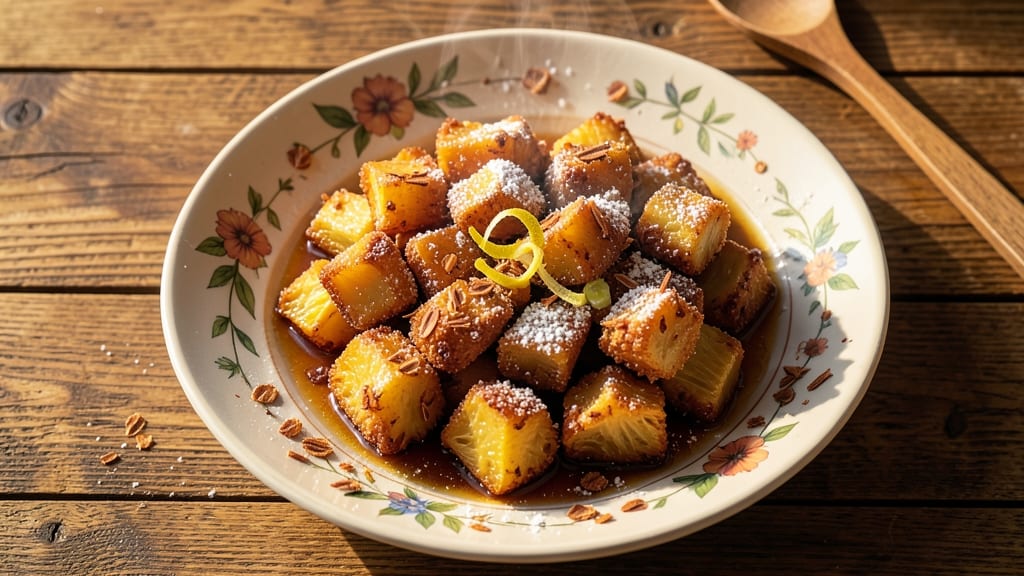
This deep fried pineapple recipe transforms a tropical fruit into a golden, crispy dish that steals the show at any table. The secret lies in achieving that perfect crunch—tender pineapple inside, shatteringly crisp edges—while keeping the process simple enough for weeknight dinners.
I've perfected the technique after years of testing, ensuring every slice emerges from the oil with that irresistible texture.
The process starts with properly prepping the pineapple—removing the tough core and cutting it into even slices for consistent frying. A light cornstarch coating (no heavy batter needed) creates that signature crunch, while maintaining the fruit's natural sweetness.
The oil temperature is critical—too hot and it burns, too cool and it turns greasy. I'll show you how to nail it every time.
What you'll end up with is a dish that looks like dessert but serves as a main course—crispy, caramelized pineapple with a golden-brown crust that practically shatters at the first bite.
The presentation is just as important as the taste: dust with powdered sugar or cinnamon for a sweet finish, or serve with a tangy dipping sauce to balance the richness.
This recipe works equally well as an appetizer, main dish, or even a showstopping dessert. The possibilities are endless—glaze with honey, pair with spiced yogurt, or serve alongside grilled meats. Let's get started on creating something truly special.
Ingredients for deep fried pineapple
Golden, crispy pineapple slices demand premium ingredients—start with ripe pineapple and high-quality oil for perfect texture.
| Ingredient | Amount | Notes |
|---|---|---|
| Fresh Pineapple 🍍 | 2 cups | Cubed, core removed, 1-inch pieces |
| Cornstarch 🌾 | 1 cup | Lightly coats for crispiness |
| Vegetable Oil 🫒 | 4 cups | High smoke point, neutral flavor |
| Granulated Sugar 🍚 | ¼ cup | For post-fry caramelization |
| Ground Cinnamon 🌿 | 1 tbsp | Optional garnish for warmth |
| Lemon Juice 🍋 | 1 tbsp | Brightens flavor after frying |
| Salt 🧂 | ½ tsp | Kosher or sea salt |
| Powdered Sugar 🍚 | ¼ cup | For dusting presentation |
| Ice ❄️ | 1 cup | For cooling fried pineapple |
| Cooking Thermometer 🌡️ | 1 whole | For precise oil temperature |
| Paper Towels 🧻 | 1 package | For draining excess oil |
| Fresh Mint Leaves 🌿 | ¼ cup | Optional garnish for freshness |
The pineapple is non-negotiable—look for vibrant yellow fruit with a sweet aroma. Costco or Whole Foods carry the freshest whole pineapples, but any grocery store's pre-cut variety works in a pinch. Remove the core completely and cut into 1-inch cubes for even cooking. The cornstarch is your secret weapon: Bob's Red Mill brand works best, but any light cornstarch will do. For the oil, vegetable or canola oil with a high smoke point (350°F) is ideal—Crisco or vegetable oil from the store brand are budget-friendly choices that still deliver crispy results.
No cornstarch? All-purpose flour or rice flour at the same ratio works, though the texture won't be as delicate. Running short on sugar? Honey or maple syrup at half the amount adds caramelization but with a different flavor profile. The lemon juice is crucial—freshly squeezed is best, but bottled works if you're in a hurry. For presentation, powdered sugar from Domino or store brand dusts beautifully, while organic mint from the grocery store adds a fresh contrast. Pro tip: Keep a bowl of ice water ready to plunge fried pineapple into immediately after cooking—this stops the cooking process and keeps the interior tender.
Store leftover fried pineapple in an airtight container with parchment paper between layers for up to 3 days—though it's best enjoyed fresh. For longer storage, freeze for up to 2 months, but note the texture will be softer after thawing. Reheat in a 350°F oven for 5-7 minutes to restore crispiness. This dish is a crowd-pleaser, so double the recipe if serving as an appetizer—it disappears faster than you'd expect. The presentation is half the battle: arrange on a platter with mint leaves fanned out and powdered sugar dusted artistically for a restaurant-worthy finish.
Why You'll Love This Recipe
- I swear by this combo: cornstarch and sugar dusted on fresh pineapple chunks before frying. No fancy mixes or confusing ratios—just those two staples transform it into something crispy and sweet with zero effort.
- Here’s what sold me: fried pineapple keeps its crispy edge for days in the fridge. Toss some in a lunchbox for a sweet crunch, or reheat quickly in the oven to revive that golden crust. (Yes, even on a Tuesday night.)
Step-by-step instructions for deep fried pineapple
Here's the method for achieving restaurant-quality golden crunch with perfectly balanced sweetness.
Prepare the Pineapple for Frying
Cut the 2 cups fresh pineapple into 1-inch cubes, removing all core and tough skin. I use a sharp chef's knife for clean cuts—this ensures even cooking and maximum crispiness. Transfer the pineapple to a large bowl and toss gently with 1 tablespoon lemon juice and ½ teaspoon salt. This pre-treatment brightens the flavor and helps prevent browning during the frying process.
Let the pineapple marinate for 10 minutes while you prepare the next steps. This brief acid bath also helps tenderize the fruit slightly, creating a better texture contrast between the crispy exterior and juicy interior. Don't skip this step—it makes a noticeable difference in the final product's flavor profile.
Create the Crispy Cornstarch Coating
In a separate bowl, combine the 1 cup cornstarch with ¼ cup granulated sugar. This mixture serves dual purposes: the cornstarch creates the signature crispy exterior, while the sugar ensures proper caramelization during frying. Mix thoroughly to eliminate any dry spots—this ensures an even coating that fries uniformly.
Add the marinated pineapple to the cornstarch mixture and toss gently but thoroughly. You want each piece completely coated with the cornstarch-sugar blend, but don't pack it too tightly. The coating should adhere lightly, allowing for maximum crispiness. Work quickly as the pineapple will begin absorbing moisture from the air.
Heat the Oil to Precise Temperature
Fill a deep, heavy-bottomed pot with 4 cups vegetable oil to a depth of 3 inches. I use a Dutch oven for this step—its thick base maintains consistent temperature and prevents hot spots. Place the pot over medium heat and insert the cooking thermometer. Heat the oil until it reaches 350°F.
This temperature is crucial—too low and the pineapple will absorb oil and become greasy; too high and it will burn before developing proper crispiness. Maintain the oil at 350°F for 5 minutes before frying to ensure stable temperature. The oil should be shimmering but not smoking when ready for use.
Fry the Pineapple in Batches
Working in batches of 4-5 pieces at a time, carefully lower the pineapple into the hot oil using a slotted spoon or tongs. Avoid overcrowding—the pieces need room to circulate and develop even crispiness. Fry for 2-3 minutes per batch, stirring occasionally, until the pineapple reaches 340°F internal temperature and develops a deep golden brown crust.
Use the cooking thermometer to check internal temperature—this is more reliable than visual cues alone. The pineapple should float slightly as it cooks, indicating proper doneness. Remove each batch with the slotted spoon and drain on a wire rack lined with paper towels for 2 minutes to remove excess oil. This step prevents a greasy final product.
Finish and Serve with Presentation
Transfer the fried pineapple to a clean bowl and immediately toss with the 1 cup ice. This rapid cooling stops the cooking process and prevents the pineapple from becoming too soft. Let it sit for 3-4 minutes, then transfer back to the wire rack to drain any remaining moisture.
For presentation, dust the pineapple with ¼ cup powdered sugar and garnish with ¼ cup chopped fresh mint leaves and a sprinkle of 1 tablespoon ground cinnamon. The powdered sugar adds a delicate sweetness while the mint provides a refreshing contrast. Serve immediately while still warm for the perfect balance of crispy exterior and tender interior.
Pro Tips For Making Deep Fried Pineapple
- USE COLD CORNSTARCH BATH: Dump the pineapple chunks into a bowl of cold cornstarch—no mixing needed. The starch clings better when cold, and you’ll get that perfect crispy crust without gummy spots. I learned this the hard way after trying to toss warm pineapple and ending up with half the coating falling off.
- CUT PINES IN EVEN CHUNKS: Aim for 1.5-inch cubes—smaller than a golf ball, bigger than a marble. Too big? They’ll burn before cooking through. Too small? They’ll turn soggy faster. Use a sharp knife and measure with your thumb for consistency.
- FRIED IN BATCHES OF 3: Crowd the pan, and your oil temp will drop faster than a summer ice cream cone. Keep it at 350°F (175°C) by frying just 3 chunks at a time. Yes, it’ll take longer, but the result is worth the wait—crispy outside, juicy inside.
- SPRINKLE SUGAR WHILE HOT: Toss the fried pineapple with sugar immediately after frying while it’s still sizzling. The residual heat caramelizes it on contact, giving you that sweet, glass-like coating instead of a dusting that’ll just melt off. Works the same with cinnamon—just let it sit for 30 seconds first.
Dietary considerations for this recipe
Gluten-Free Adaptation
This recipe is naturally gluten-free when using certified gluten-free cornstarch—just confirm your brand is labeled gluten-free. I recommend Bob's Red Mill Gluten-Free Cornstarch for the best texture.
The natural cornstarch coating creates that signature crispiness without any gluten-containing ingredients. Always check your vegetable oil label too—some brands process in facilities with gluten cross-contamination risks. 🌾
Low-Carb/Keto Options
For a keto-friendly version, reduce the cornstarch to ¼ cup and eliminate the granulated sugar entirely. The natural sweetness of the pineapple will shine through while keeping carbs in check.
You can also use powdered erythritol instead of powdered sugar for dusting—it provides sweetness without the sugar spike. This adaptation works beautifully for those monitoring their carb intake. 💪
Allergen Considerations
If you're serving guests with nut allergies, ensure your vegetable oil is nut-free—Crisco or canola oil are safe choices. For those with dairy sensitivities, this recipe is naturally dairy-free, but always double-check your powdered sugar label for potential milk additives.
I've never had issues with these ingredients, but it's always good to verify when accommodating dietary restrictions. 🧂
Dessert vs. Savory
This recipe serves as both a sweet dessert and a savory main course—it's all about how you serve it. For dessert, keep the powdered sugar and cinnamon as written. For a savory version, omit the sugar and dust with smoked paprika instead.
Serve with a spicy mango dipping sauce or tangy lime aioli to balance the richness. The versatility makes it perfect for any occasion. 🌶️
Diabetic-Friendly Adjustments
For those managing blood sugar, use ½ cup cornstarch (reduced from 1 cup) and omit all added sugars. The natural sweetness of the pineapple will still come through beautifully.
Pair with a sugar-free dipping sauce made from Greek yogurt, lemon juice, and a touch of stevia for a guilt-free option. This adaptation keeps the dish satisfying while being more blood-sugar-friendly. ✨
Nutrition facts
Frequently asked questions
Can I use canned pineapple for this recipe?
Fresh pineapple is ideal for the best texture and flavor, but you can use canned pineapple in juice if needed. Drain and pat the pieces completely dry before coating—they'll absorb more oil if wet. For extra crispiness, sprinkle with a little more cornstarch after frying.
How do I keep the fried pineapple from getting soggy?
Sogginess happens when moisture remains trapped inside. After frying, immediately transfer the pineapple to ice water for 3-4 minutes to halt cooking, then drain thoroughly on a wire rack. Also, make sure your pineapple cubes are completely dry before coating with cornstarch.
What's the best way to reheat leftover fried pineapple?
For best results, reheat in a 350°F oven for 5-7 minutes on a wire rack to restore crispiness. Avoid microwaving—it makes the coating rubbery. If you must use the microwave, cover with a paper towel and heat for 20-30 seconds, but expect slightly softer texture.
Can I make this recipe ahead of time?
While best served fresh, you can prep the coated pineapple 1 day ahead and refrigerate. Fry just before serving to maintain crispiness. For longer storage, freeze the coated pineapple (unfried) for up to 2 months, then fry straight from frozen—just add 30 seconds to cooking time.
What's the secret to getting extra crispy edges?
The key is a dry cornstarch coating and precise oil temperature of 350°F. Work in small batches to avoid crowding, and fry until the pineapple reaches 340°F internal temperature. For extra crunch, add 1 tablespoon baking powder to the cornstarch mixture—it creates air pockets for maximum crispiness.