
Sauces & Condiments
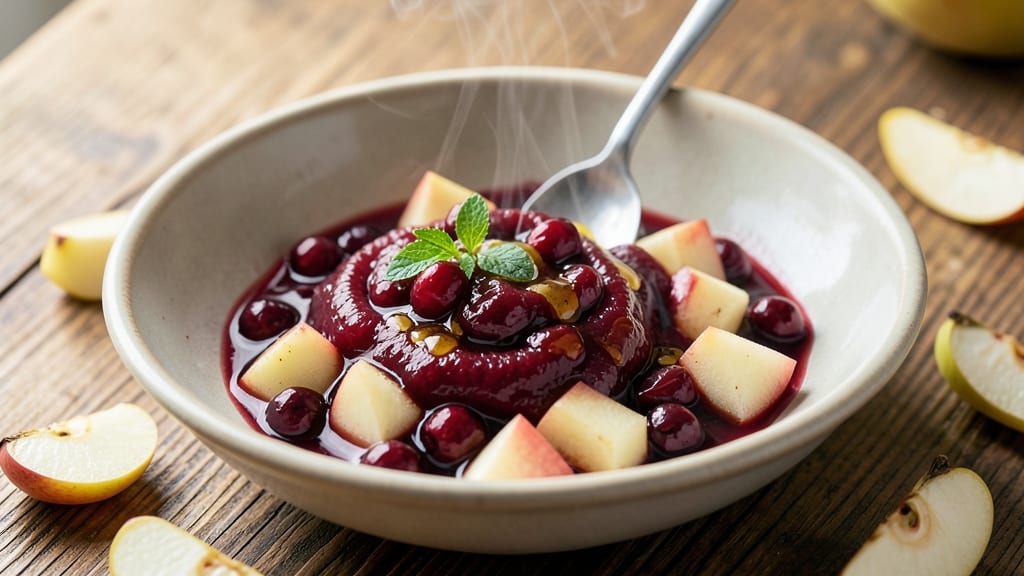
This cranberry apple pear sauce recipe transforms three classic fall fruits into a velvety, versatile sweetness that elevates everything from roasted meats to vanilla ice cream.
The secret lies in balancing tart cranberries with the natural sweetness of ripe pears and apples, then simmering them down into a thick, aromatic sauce that's perfect for both savory and sweet applications.
The process is simpler than it sounds: combine the fruits with a touch of sugar or honey, simmer until tender, then blend until smooth. Optional cornstarch creates a thicker consistency for dipping, while a splash of lemon juice brightens the flavors.
What you'll end up with is a rich, jam-like sauce that's far more complex than store-bought versions.
This sauce works as a glaze for ham or pork tenderloin, a topping for yogurt or oatmeal, or even a filling for tarts and pastries. The cranberries add a subtle tartness that cuts through richness, while the pears and apples provide a melt-in-your-mouth sweetness that lingers on the palate.
Best of all, the sauce keeps well in the refrigerator for up to two weeks, making it an excellent make-ahead option for holiday gatherings. Let's create this triple-fruit masterpiece that will become your new go-to condiment.
Ingredients for cranberry apple pear sauce
Nine ingredients transform three fall fruits into a velvety sauce perfect for both sweet and savory dishes.
| Ingredient | Amount | Notes |
|---|---|---|
| Fresh Cranberries 🍇 | 1 ½ cups | Frozen works if fresh unavailable |
| Ripe Pears (peeled, cored) 🍐 | 3 medium | Bosc or Anjou preferred |
| Ripe Apples (peeled, cored) 🍎 | 3 medium | Honeycrisp or Fuji ideal |
| Granulated Sugar 🍚 | ½ cup | Adjust to fruit sweetness |
| Fresh Lemon Juice 🍋 | 2 tbsp | Brightens flavor profile |
| Cornstarch (optional) 🌾 | 1 tbsp | For thicker consistency |
| Cinnamon 🌿 | ½ tsp | Ground for warmth |
| Ground Cloves 🌶️ | ¼ tsp | Pinch only, optional |
| Water 💧 | ¼ cup | For simmering consistency |
The fruit selection is everything here. Bosc pears and Honeycrisp apples have the perfect balance of sweetness and texture, but don't stress if you can't find those—any ripe, firm pears and apples will work. Trader Joe's often has pre-washed organic options that save time, and the cranberries? Fresh is ideal, but frozen works just as well (no need to thaw). Look for cranberries that are plump and bright red—dried-out berries will make your sauce taste bitter. The apples should be firm but yield slightly to pressure, and the pears should be ripe enough to slice easily but not mushy. If you're prepping ahead, store the cut fruit in an airtight container with a sprinkle of lemon juice to prevent browning.
No cornstarch? Arrowroot powder or extra sugar can thicken instead—just add a little at a time. Running short on cloves? Skip it entirely—the cinnamon carries the warmth. The sugar amount is flexible: if your fruit is particularly tart, add up to an extra 2 tablespoons. For a spiced twist, swap in allspice or nutmeg instead of cloves. The lemon juice is non-negotiable though—it balances the sweetness and brightens the whole sauce. If you're using frozen cranberries, rinse them first to remove any excess liquid that could dilute your sauce. And if you're feeling fancy, add a pinch of vanilla bean to the simmering pot for depth.
This sauce tastes even better the next day as the flavors meld. Store it in an airtight jar in the fridge for up to 2 weeks, or freeze for 6 months—just thaw overnight in the fridge. For holiday prep, make a double batch and give some away. The sauce thickens as it cools, so if it's too stiff after refrigerating, warm it gently with a splash of water or fruit juice. It's perfect for drizzling over roasted pork or chicken, spooning onto vanilla ice cream or yogurt, or filling tarts and pastries. The versatility is what makes it a kitchen staple.
Why You'll Love This Recipe
- No Chopping Chaos: I peel and core the pears and apples once—then it’s just tossing everything into one pot. No small dice, no fine mincing, just big chunks that melt into silky perfection. (Yes, even on a Tuesday night when I’m exhausted.)
- Sweet-Tart Magic: That balance of tart cranberries, buttery pears, and just enough sugar? It’s like autumn in a jar. The lemon juice cuts through the sweetness so it never feels cloying—just bright and complex.
- Weeknight to Holiday: Slather it on toast for breakfast, stir it into oatmeal, or serve it warm with ice cream. I’ve even used it as a glaze for roasted chicken—it’s the same simple sauce, but it works everywhere.
- Makes More Than You Think: A single batch stretches across three days of breakfasts and snacks. Plus, cranberries and pears are cheap in season, so I’m not breaking the bank for something this versatile. (My freezer’s full of it right now.)
Step-by-step instructions for cranberry apple pear sauce
Here's how to create a perfectly balanced sauce with vibrant flavors and smooth texture.
Prepare the Fruit for Cooking
Start by cutting the 3 medium ripe pears and 3 medium ripe apples into even ½-inch chunks. I like to work with a sharp chef's knife for clean cuts, and I remove any seeds or core remnants. The fruit should be uniform in size to ensure even cooking throughout.
Add the 1.5 cups fresh cranberries to the cutting board as well. If using frozen cranberries, thaw them first by placing the bag in warm water for 5 minutes. This ensures they cook evenly with the other fruit and don't create a watery sauce. Transfer all prepared fruit to a large saucepan.
Simmer the Fruit Mixture
Pour the 0.25 cup water into the saucepan with the fruit and bring to a boil over medium-high heat. Once boiling, reduce the heat to medium-low and let it simmer uncovered for 15 minutes. You'll see the fruit release its juices and begin to soften.
After 15 minutes, use a potato masher or wooden spoon to gently break down the fruit against the side of the pan. This creates a slightly textured sauce rather than a completely smooth one. The fruit should be very soft but not mushy—you should still see some small fruit pieces. If the mixture looks too thick, add 1-2 tablespoons of water.
Add Sweetener and Seasonings
Stir in the 0.5 cup granulated sugar, 2 tablespoons fresh lemon juice, 0.5 teaspoon cinnamon, and 0.25 teaspoon ground cloves. The lemon juice brightens the flavors while balancing the natural tartness of the cranberries. Let the mixture simmer for another 10-12 minutes until the fruit is completely tender and the sauce has thickened slightly.
Taste the sauce and adjust the sweetness if needed. You might need a bit more sugar if your fruit was particularly tart, or a splash more lemon juice if it needs more brightness. The sauce should have a harmonious balance of sweet, tart, and spiced notes.
Thicken the Sauce (Optional)
If you prefer a thicker sauce, now is the time to use the 1 tablespoon cornstarch. Mix it with 1 tablespoon cold water to create a slurry, then stir it into the simmering sauce. Cook for another 2-3 minutes until it reaches your desired consistency. The sauce should coat the back of a spoon but still be spoonable.
If you're happy with the current thickness, simply skip this step. The sauce will naturally thicken slightly as it cools. Once thickened to your liking, remove the pan from heat and let the sauce cool for 5 minutes before transferring to serving bowls.
Pro Tips For Making Cranberry Apple Pear Sauce
- Simmer Low and Slow: Once the cranberries burst and the fruit softens, drop the heat to a gentle simmer—around medium-low. I learned this the hard way after charring the pears into oblivion; a steady, quiet bubble keeps the flavors balanced without turning your sauce into jam.
- Dice, Don’t Chop Cranberries: Small, even cranberry pieces cook faster and release their tartness more evenly. Aim for ¼-inch dice—any larger, and you’ll end up with chewy pockets of undercooked fruit hiding in your sauce. (Yes, even if you’re impatient like me.)
- Taste Before Sweetening: The natural sugars in ripe pears and apples often mean you’ll need less added sugar than you think. After 15 minutes of cooking, taste the mixture first—you might only need ⅔ of the called-for sugar, or even less if your fruit is particularly sweet.
- Strain for Smoothness (Optional): If you prefer a velvety sauce, strain out the skins and seeds after cooking—just don’t skip this if you love texture. I skip it when serving over oatmeal but always do it for holiday pies, where a silky finish matters most.
Common mistakes when making your cranberry apple pear sauce
Skipping the Simmer
One of the biggest mistakes is rushing the simmering process. If you skip the initial 15-minute simmer or reduce the heat too quickly, the cranberries won’t soften properly and will remain hard or burst unpredictably.
This creates a grainy texture that’s unpleasant in the final sauce. I’ve learned the hard way—once, I only simmered for 10 minutes and ended up with a sauce full of tiny, chewy cranberry bits. 🌡️
Over-Sweetening
Adding too much sugar can completely overwhelm the natural tartness of the cranberries and the subtle sweetness of the pears and apples. Start with the ½ cup sugar called for, then taste as you go.
If your fruit is particularly tart, add sugar in 1-tablespoon increments—not the whole extra ¼ cup at once. I once made a batch that tasted like dessert syrup because I overcompensated for the tartness. Trust your taste buds!
Ignoring the Lemon Juice
The 2 tablespoons of lemon juice is non-negotiable—it brightens the flavors and balances the sweetness. Without it, the sauce can taste flat or overly sweet. I’ve made this sauce without lemon juice, and it always feels like something’s missing.
If you’re using bottled lemon juice, opt for fresh whenever possible—it makes a noticeable difference. 🍋
Using Underripe Fruit
Underripe pears or apples will never soften properly, leaving your sauce with a chunky, unappealing texture. Look for fruit that’s ripe but still firm—it should yield slightly to gentle pressure. If your pears or apples are too hard, they’ll turn mushy before the cranberries soften, creating a watery, unbalanced sauce.
Pro tip: If your fruit isn’t ripe enough, let it sit at room temperature for a day or two before using.
Over-Thickening
If you add too much cornstarch or thicken the sauce too aggressively, it can become gluey or pasty. The goal is a smooth, spoonable consistency—not a thick jam. When making the cornstarch slurry, start with just 1 tablespoon and simmer for 2-3 minutes.
If it’s still too thin, add another ½ teaspoon cornstarch at a time. Over-thickening is one of the easiest mistakes to fix, but it’s better to avoid it in the first place.
Not Tasting Along the Way
Many home cooks skip tasting the sauce during the cooking process, only to realize at the end that it’s either too sweet, too tart, or lacking balance. Taste the sauce after the initial simmer, after adding the sugar and spices, and again before thickening.
Adjust the sweetness, tartness, or spice levels as needed. This simple step ensures your sauce turns out perfectly every time. 💡
Nutrition facts
Frequently asked questions
Can I substitute honey for sugar in this sauce?
Yes, you can use honey as a 1:1 replacement for sugar, but reduce the amount slightly (¼ cup honey instead of ½ cup sugar) since honey is sweeter. The sauce will have a deeper flavor, but the texture may be slightly thinner. For a smoother consistency, warm the honey gently before adding it to the simmering fruit.
How can I use this sauce beyond desserts?
This versatile sauce works beautifully as a glaze for roasted pork, chicken, or turkey—simply brush it on during the last 10 minutes of cooking. It also pairs well with cheese boards, pairing the tartness with sharp cheddar or creamy brie. For a savory twist, drizzle it over grilled vegetables or use it as a dip for crackers with goat cheese.
Why did my cranberries pop and make the sauce grainy?
This happens when cranberries aren't fully softened during the 15-minute simmer. To fix it, mash the fruit more thoroughly with a potato masher or blend it briefly before continuing. Next time, ensure the cranberries are evenly sized and simmer uncovered to prevent steam buildup that causes popping.
Can I make this sauce without cornstarch?
If you skip cornstarch, the sauce will naturally thicken as it cools. For a thicker consistency without additives, simmer the fruit for an extra 5-10 minutes until it reduces more. Alternatively, blend the sauce and chill it for 2 hours—it will thicken significantly. For a jam-like texture, add 1 tablespoon chia seeds while hot and let it sit for 10 minutes before serving.
How do I store and reheat leftovers?
Store the sauce in an airtight container in the fridge for up to 2 weeks. To reheat, warm it gently in a saucepan over low heat, stirring frequently to prevent scorching. For microwave reheating, use 20-second intervals** on low power, stirring between each. The sauce thickens as it cools, so add a splash of water or fruit juice if needed.